admin
admin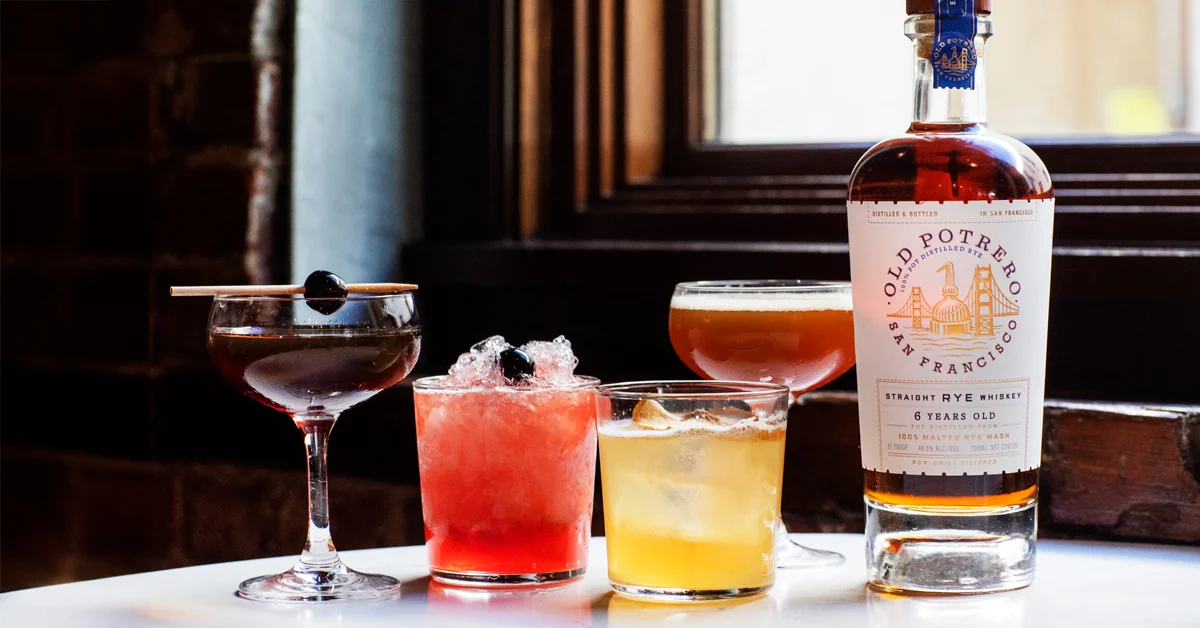
The American craft beer industry, once defined by exponential growth and fervent consumer loyalty, is currently undergoing a structural transformation as breweries grapple with a saturated market and evolving generational preferences. For over a decade, the "hype" economy—characterized by enthusiasts lining up for hours to secure limited-release India Pale Ales (IPAs)—fueled the expansion of thousands of small businesses. However, recent data suggests that the era of the "beer geek" is being replaced by a more fragmented beverage landscape. According to the Brewers Association’s 2024 year-end report, overall craft beer production declined by 2%, and approximately 399 breweries closed their doors during the calendar year. As consumer interest shifts toward non-alcoholic options, THC-infused beverages, and spirits-based ready-to-drink (RTD) cocktails, established breweries are increasingly looking toward distillation as a primary strategy for survival and growth.
The pivot from brewing to distilling is not merely a reactive measure but a logical extension of the fermentation sciences already mastered by professional brewers. As JC Tetreault, co-founder of the Boston-based Trillium Brewing, observed during the early years of his company’s operation, a brewery is technically "90% of the way" to being a distillery. The fundamental base for whiskey is a grain-based mash—essentially a beer without the addition of hops. By leveraging existing infrastructure for grain handling, mashing, and fermentation, breweries can transition into spirits production with a significant portion of the necessary expertise and equipment already in place.
The Economic and Cultural Shift in Craft Beverage Consumption
The decline in craft beer volume is attributed to a confluence of factors, ranging from the long-term impact of the COVID-19 pandemic to a demographic shift in how younger adults consume alcohol. Generation Z, in particular, has shown a marked preference for "functional" beverages or spirits-based products over traditional malt beverages. The rise of the "Fourth Category"—a term used by industry analysts to describe products like hard seltzers, canned cocktails, and kombucha—has cannibalized market share that once belonged exclusively to craft beer.
In 2024, the market for RTD cocktails saw double-digit growth, contrasting sharply with the stagnation in the beer aisle. For breweries like Tree House Brewing Company and Trillium, the move into spirits represents an opportunity to capture these "aisle-jumpers." By offering house-distilled gin, vodka, and whiskey, these companies can maintain their relevance in their own taprooms, providing a diverse menu that appeals to groups with varied tastes.
Technical Synergies: From Mash Tun to Copper Still
The transition from brewing to distilling is rooted in the shared ancestry of the two crafts. Both begin with the selection of high-quality grains, typically malted barley, rye, or corn. These grains are milled and steeped in hot water to convert starches into fermentable sugars, creating a liquid known as wort in brewing or a "wash" in distilling.
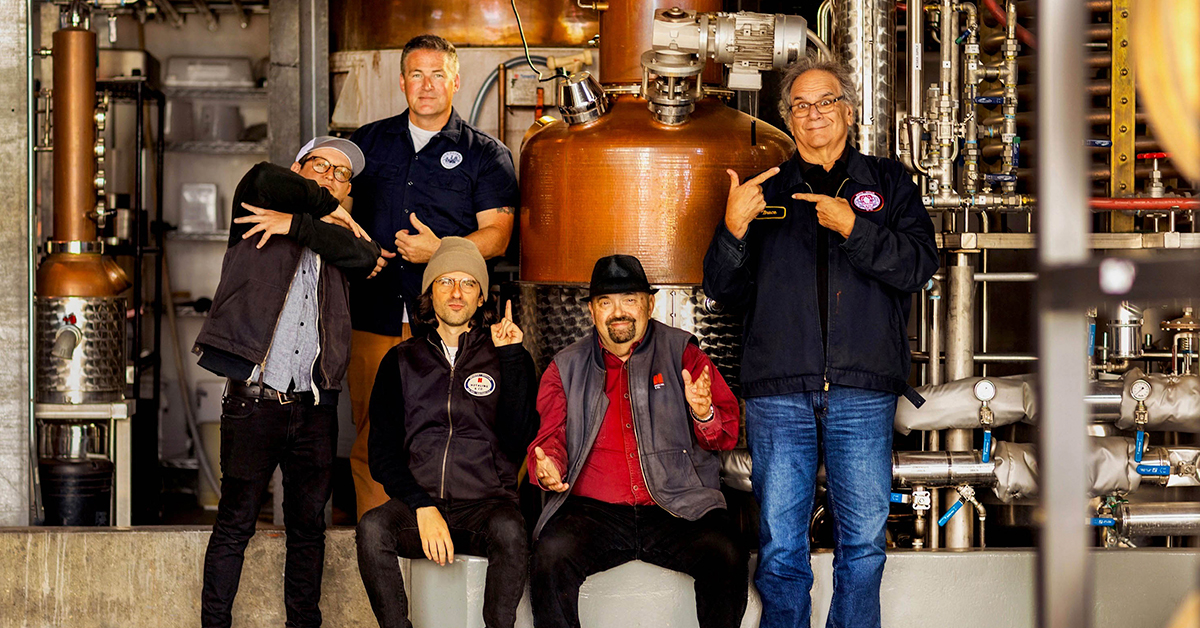
While a brewer would then boil this liquid with hops to add bitterness and aroma, a distiller moves directly to fermentation. John Britton, who leads the distilling program at Tree House Brewing Company, emphasizes that a superior spirit is predicated on a superior mash. Britton, who brought experience from prestigious operations such as St. George Spirits and Ann Arbor Distilling, notes that world-class breweries are uniquely positioned to produce high-quality base washes.
However, the path is not without technical hurdles. Distilling requires a different set of licenses and, in many jurisdictions, entirely separate physical facilities. In Massachusetts, for example, the "Farmer-Brewery" and "Farmer-Distillery" licenses are distinct entities. For Trillium, this necessitated a dedicated distilling space and a strategic vision for how to market spirits to a customer base that had spent a decade viewing the brand through the lens of hazy IPAs. Furthermore, the grain bills for whiskey often prioritize unmalted grains or specific heirloom varieties that differ from the high-protein malts used in modern craft beer.
A Chronology of the Brewery-Distillery Evolution
The trend of breweries entering the spirits market is not a contemporary phenomenon, though it has accelerated recently. Several pioneers set the precedent for the "brewstillery" model decades ago:
- 1993: Anchor Brewing (San Francisco, CA) – Regarded as a cornerstone of the American craft beer movement, Anchor established Anchor Distilling (now Hotaling & Co.). Their release of Old Potrero, a single malt rye whiskey, was a landmark moment that proved craft brewers could produce world-class spirits.
- 2003: Rogue Ales (Newport, OR) – Rogue began distilling spirits over twenty years ago and has since expanded to include its own cooperage, where it builds the barrels used for aging its whiskeys.
- 2005: New Holland Brewing (Holland, MI) – New Holland added distilling to its portfolio early on, eventually becoming a major regional player in the spirits market with its "Beer Barrel Bourbon."
- 2006: Ballast Point (San Diego, CA) – The brewery launched a spirits program that eventually spun off into Cutwater Spirits. Cutwater became a pioneer in the canned cocktail movement and was ultimately acquired by Anheuser-Busch in 2019 for an undisclosed sum, highlighting the immense financial potential of the spirits pivot.
- 2017–Present: The Modern Wave – In recent years, "hype" breweries like 3 Floyds, Finback, Tree House, and Trillium have all launched robust spirits programs. Unlike the pioneers who sought to create traditional spirits, these modern entrants often use their spirits to fuel high-end cocktail programs and RTD lines.
Diversification and the Rise of Canned Cocktails
For many breweries, the primary driver for distilling is the ability to enter the RTD market. Canned cocktails offer a convenience factor that appeals to outdoor enthusiasts, golfers, and casual drinkers who may find the high alcohol content or heavy flavor profile of craft IPAs unappealing.
Tree House Brewing Company has utilized its existing canning infrastructure to produce a wide array of spirits-based products, including Gin & Tonics, Palomas, and Tom Collins cocktails. By using their house-distilled agave spirit (Casa de Árbol) in a Paloma rather than sourcing external tequila, they maintain a "grain-to-glass" ethos that resonates with the transparency-minded craft consumer. Chris Conroy, Tree House’s spirits category sales manager, notes that these products serve as a bridge, attracting consumers who may have previously felt alienated by the beer-centric nature of their taprooms.
Similarly, Finback Brewing in New York has found significant success with its "Halftone" gin label. By incorporating hops into the botanical profile of their gins, they create a sensory link between their beer portfolio and their spirits, appealing to the "hop-head" demographic while offering a different drinking experience.
Regulatory Landscapes and Taproom Evolution
The decision to distill is often as much about legal strategy as it is about product diversification. In many states, liquor laws restrict what a brewery can serve in its taproom. In Massachusetts, a brewery license often restricts the establishment to serving only the malt beverages it produces. By obtaining a distilling license and producing their own spirits, breweries can bypass these limitations and offer a full cocktail menu.
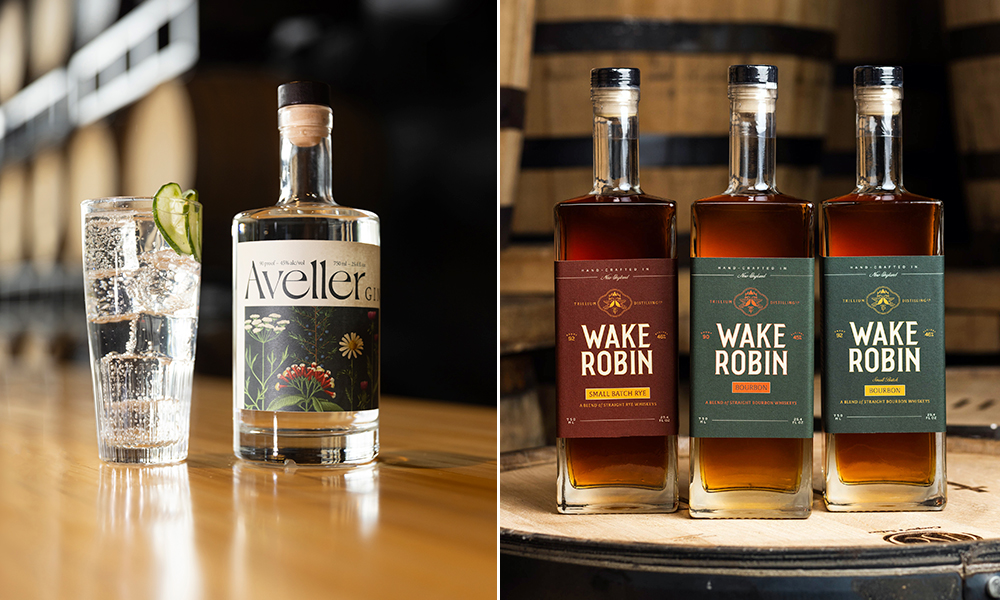
Trillium Brewing leveraged this regulatory path to transform its Fort Point location. By producing every element of a cocktail—from the base spirit to the vermouth and orange liqueur—Trillium was able to open the Headroom Hi-Fi Cocktail Lounge on its second floor. This space caters to a different demographic: post-dinner crowds, cocktail aficionados, and older fans who may have moved on from beer. This evolution from a "tasting room" to a "hospitality destination" is a key component of the modern brewery business model.
Market Analysis: Implications for the Future of Craft Beer
The movement toward spirits suggests that the definition of a "craft brewery" is expanding. The industry is moving away from a mono-culture of malt beverages toward a broader "craft beverage" identity. For small and independent brewers, this diversification provides a hedge against the volatility of the beer market.
Industry analysts suggest that the breweries most likely to survive the current downturn are those that can successfully transition into lifestyle brands. This involves not only producing high-quality liquid but also providing diverse experiences across multiple categories. The success of Cutwater Spirits serves as a case study in the scalability of this model. What began as a side project for a San Diego brewery became a national leader in the RTD space, proving that the brand equity built through craft beer can be successfully transferred to spirits.
However, the "brewstillery" model also presents risks. Distilling requires significant capital investment in stills, safety equipment for handling high-proof alcohol, and the patience required for aging spirits like bourbon and rye. Furthermore, the spirits market is just as competitive as the beer market, with large-scale commercial distillers enjoying significant economies of scale.
Conclusion
The evolution of Trillium, Tree House, and other industry leaders marks a new chapter in the American beverage story. While the decline in beer production and the closure of hundreds of breweries point to a challenging economic environment, the pivot to spirits offers a path forward. By leveraging their expertise in fermentation, navigating complex regulatory environments, and responding to the shifting preferences of a new generation of drinkers, these companies are redefining what it means to be a craft producer in the 21st century. The lines between brewery, distillery, and cocktail lounge are blurring, creating a more resilient and versatile industry that is prepared to meet the consumer wherever they are—whether they are holding a pint of IPA or a house-distilled gin and tonic.