admin
admin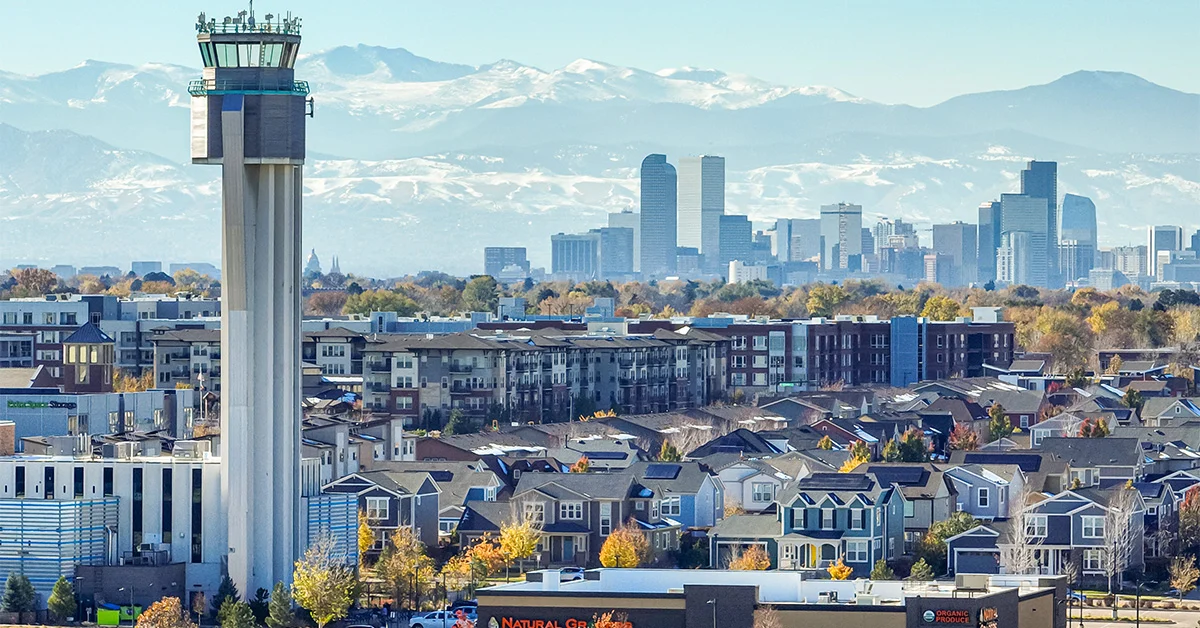
The intersection of Colorado’s craft brewing industry and its deep-rooted aviation history recently faced a significant logistical challenge as uncooperative weather patterns grounded a high-profile annual tradition. FlyteCo Tower, a Denver-based brewery housed in the former air traffic control tower of the historic Stapleton International Airport, was forced to cancel its signature "hop flight" for the first time since its inception in 2019. This annual mission involves piloting small aircraft over the Rocky Mountains to harvest fresh hops, a process that epitomizes the brewery’s brand identity but remains at the mercy of late-summer meteorological volatility.
The 2025 harvest season marked a departure from five years of successful aerial logistics. Eric Serani, co-founder and president of FlyteCo Tower and a certified flight instructor, reported that persistent cloud cover and unpredictable mountain weather forced multiple delays, moving the flight from a planned Monday to a Wednesday before ultimately resulting in a total grounding. For the brewery, the cancellation is more than a missed photo opportunity; it represents the inherent difficulty of producing "fresh hop" beers, a substyle of India Pale Ale (IPA) that requires the use of unkilned, whole-cone hops within hours of their harvest to preserve delicate, volatile aromatic oils.
The Logistics of the Fresh Hop Flight
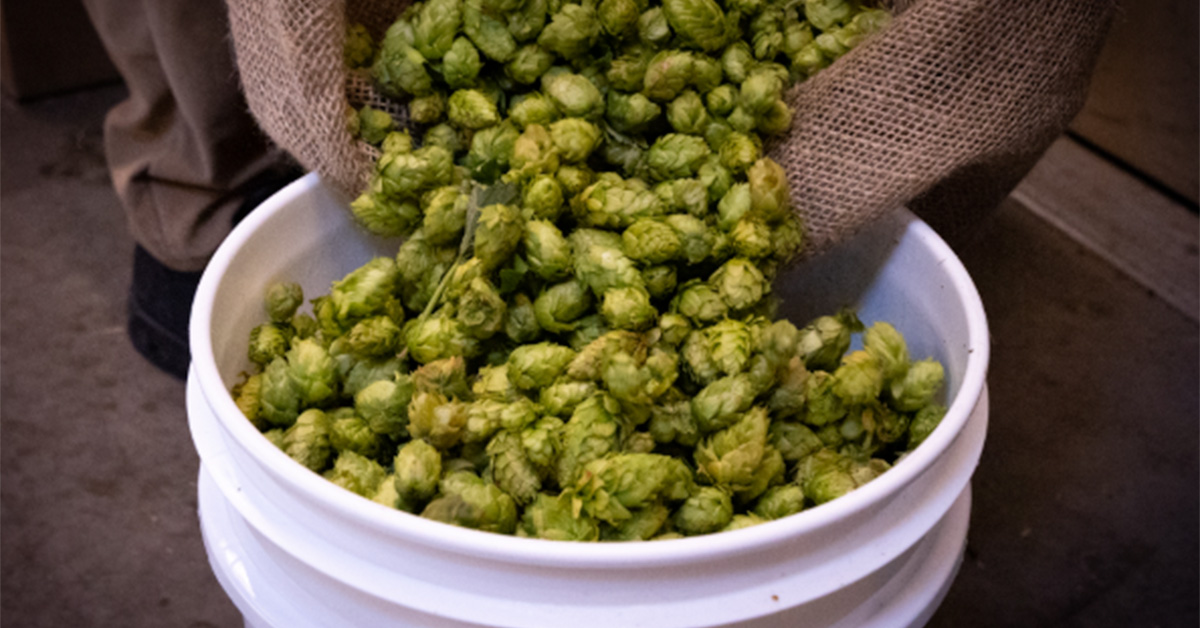
Fresh hop brewing is widely regarded as one of the most challenging endeavors in the craft beer industry. Unlike standard brewing, which utilizes dried hop pellets that are shelf-stable for years, fresh hop ales require "wet" hops. These hops must be added to the brew kettle or fermenter typically within 24 to 36 hours of being picked from the bine. Any delay results in the degradation of the hop’s lupulin, leading to vegetal off-flavors rather than the vibrant, floral, and resinous notes sought by brewers.
To circumvent the traditional eight-hour round-trip drive between Denver and the hop farms of Colorado’s Western Slope, Serani utilizes his Van’s Aircraft RV-10, a high-performance, four-seat kit plane. The flight path covers approximately 175 nautical miles, requiring the aircraft to maintain altitudes between 11,000 and 13,000 feet to safely clear the peaks of the Rocky Mountains. Under ideal conditions, the flight takes roughly 90 minutes, allowing the FlyteCo team to transport hops from Billy Goat Hop Farm in Montrose directly to the brewhouse in Denver in a fraction of the time required by ground transport.
In previous years, the operation involved up to eight aircraft, with pilots and passengers volunteering to assist in the "hop run." The aircraft are often packed to capacity, with sacks of Chinook, Cascade, and Nugget hops stuffed into every available space. However, the 2025 season saw the pilot roster dwindle as weather windows closed. When the flight was finally deemed impossible, the brewery was forced to pivot to overnight shipping—a more reliable but less brand-aligned method of procurement.
A Chronology of Aviation and Brewing Excellence
The history of FlyteCo is inextricably linked to the evolution of aviation in the American West. Eric Serani’s personal history in the cockpit began at the age of three, influenced by his grandfather’s 1946 kit plane. By age 16, Serani was flying solo, and by 17, he had secured a full pilot’s license. This passion followed him through an aerospace engineering degree at the University of Colorado Boulder and a subsequent career at Boeing.
The brewery itself was founded in 2019 on Tennyson Street in Denver by Serani and fellow engineering student Jason Slingsby. From the outset, the brand was designed to celebrate aviation. The first hop flight occurred in their inaugural year, inspired by a suggestion from a colleague at Bruz Beers who noticed a landing strip near High Wire Hops in Paonia, Colorado. That first collaborative flight established a precedent for what would become an annual "race against the clock."
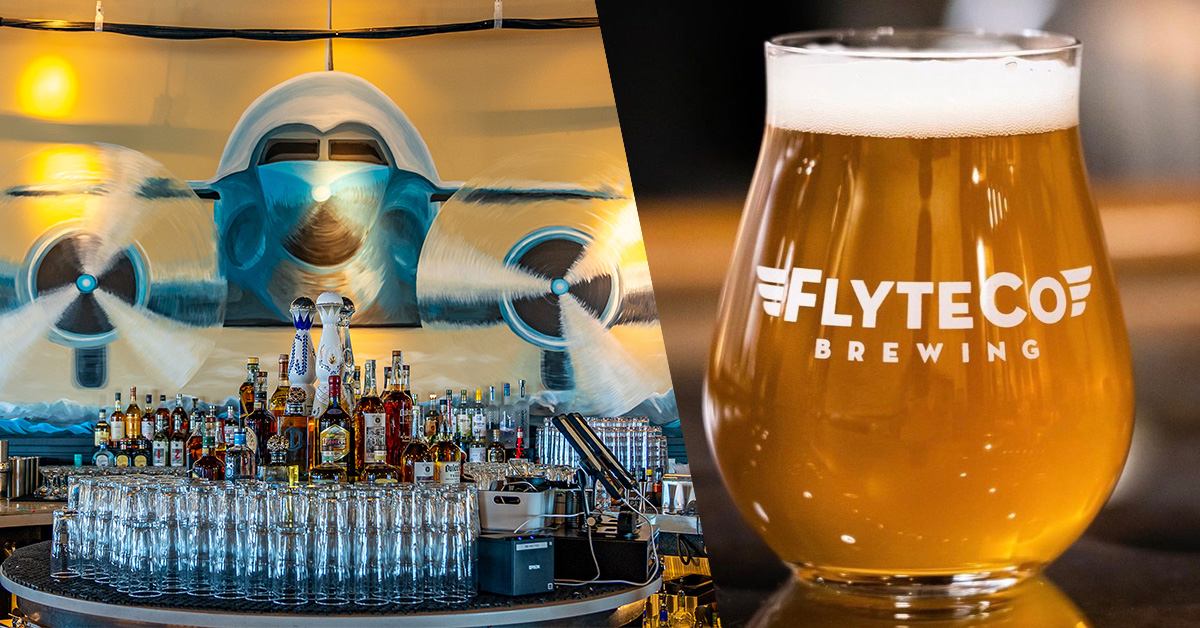
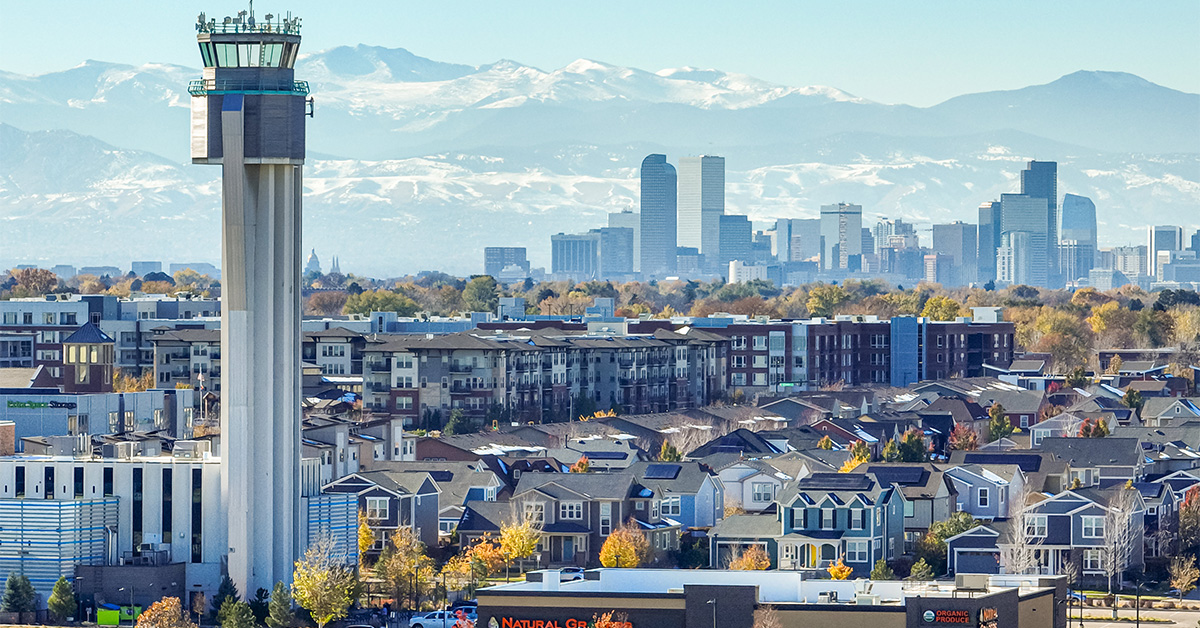
In 2022, the business expanded into the 11-story air traffic control tower at the former Stapleton International Airport. Stapleton served as Denver’s primary aviation hub from 1929 until its closure in 1995, at one point ranking as the sixth busiest airport in the world. The transition of this decommissioned infrastructure into a 20,000-square-foot "eatertainment" complex allowed FlyteCo to cement its status as a cultural steward of Denver’s aeronautical legacy. While the original Tennyson Street location closed in early 2025, the Tower remains the brand’s flagship, featuring a 2.5-barrel experimental brewhouse dedicated to limited releases like the "Hop Is My Co-Pilot" Fresh Hop IPA.
Technical Specifications and Economic Considerations
The decision to fly hops across the Continental Divide is rarely based on fiscal efficiency. According to FlyteCo co-founder Morgan O’Sullivan, the cost of aviation fuel frequently exceeds the market value of the hops themselves. The endeavor is categorized as a "passion project" and a branding exercise rather than a cost-saving measure.
| Metric | Details |
|---|---|
| Aircraft Model | Van’s Aircraft RV-10 |
| Flight Distance | ~175 Nautical Miles (One Way) |
| Cruising Altitude | 11,000 – 13,000 Feet |
| Hop Capacity | 20 lbs (Current) to 100 lbs (Historical) |
| Time Savings | ~5 Hours vs. Ground Transport |
| Primary Hop Varieties | Chinook, Cascade, Nugget |
The transition to the Tower’s smaller 2.5-barrel system has reduced the volume of hops required for the fresh hop program. While the 15-barrel system previously required up to 100 pounds of wet hops, the current system utilizes approximately 20 pounds. Despite the smaller volume, the logistical complexity remains high, as the timing of the mash back at the brewery must be perfectly synchronized with the aircraft’s arrival at Erie Municipal Airport.
Community Impact and Official Responses
Beyond the production of beer, FlyteCo serves as a hub for the aviation community. The brewery allocates 10% of its profits to aviation-focused initiatives, including the Experimental Aircraft Association’s (EAA) Young Eagles program. This program provides youth between the ages of eight and 17 with their first flight experiences, aiming to inspire the next generation of pilots and aerospace engineers.
"The entire FlyteCo brand is about aviation, about inspiring people to push their limits and do something they don’t think they can do," Serani stated regarding the brewery’s mission. He noted that the hop flight serves as a critical skill-sharpening exercise for participating pilots, requiring precise mountain flying techniques and weight-and-balance management.
The 2025 grounding, while disappointing to the enthusiasts and journalists who had planned to participate, highlights the "miraculous" nature of previous successful runs. Serani emphasized that the harvest date is often unknown until a few weeks prior, and flight viability is frequently a game-time decision. "Every time we’ve been able to make this beer, it’s a miracle," Serani remarked, acknowledging the fragility of the supply chain when it relies on both agricultural and meteorological cooperation.
Historical Preservation and the "Tower Museum"
FlyteCo Tower has also taken on the role of a de facto museum. The facility employs an in-house historian, Sean Henson, who conducts tours of the 11-story structure. These tours provide educational context on significant figures in Colorado aviation, such as Louis Paulhan, who performed the first flight in Denver in 1910, and Marlon Green, the pilot whose legal battle led to the desegregation of commercial airline cockpits in the United States.
The tower also pays homage to Emily Howell Warner, the first woman hired as a pilot by a major U.S. airline (Frontier Airlines, based in Denver). By integrating this history into the hospitality experience, FlyteCo has created a diversified business model that relies on experiential retail—a strategy that industry analysts suggest is essential for the survival of craft breweries in an increasingly crowded market.
Analysis of Broader Industry Implications
The challenges faced by FlyteCo in 2025 reflect broader trends in the craft beer industry, where breweries are increasingly moving toward "destination" models to maintain consumer interest. The "Hop Is My Co-Pilot" program is a prime example of "event-based brewing," where the story behind the beer is as significant as the liquid in the glass.
However, the 2025 cancellation also serves as a cautionary tale regarding the vulnerability of hyper-local, seasonal products. As climate patterns become more erratic, the windows for hop harvesting and safe mountain passage may continue to shift, forcing brewers to seek even more creative—or more conventional—solutions. For FlyteCo, the shift to shipping hops for the 2025 season ensures that their customers still receive a fresh hop product, even if the "miracle" of the flight was absent this year.
Looking forward to 2026, the brewery remains committed to the aerial tradition. The infrastructure at FlyteCo Tower, combined with the team’s background in aerospace engineering, positions the company to continue navigating the complex airspaces of both the Rocky Mountains and the American craft beer market. While the 2025 "Hop Is My Co-Pilot" IPA may have been grounded, the brewery’s mission to merge the science of flight with the art of brewing remains on an upward trajectory.