admin
admin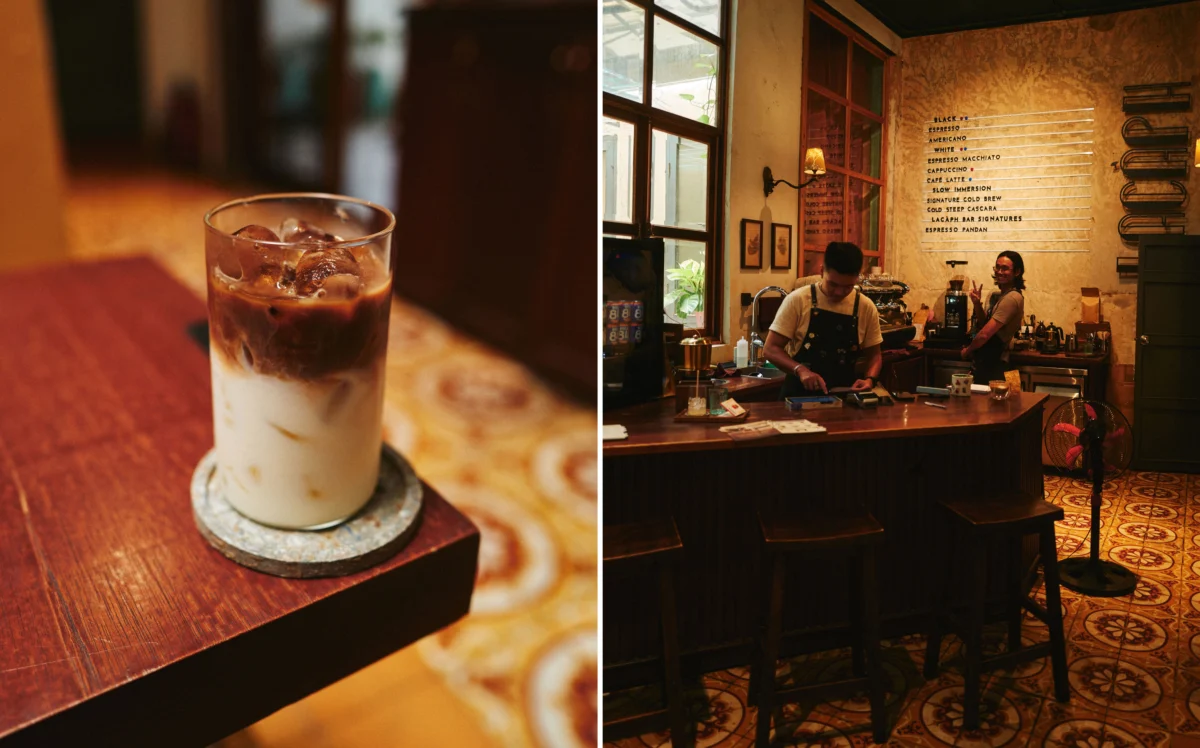
Vietnam, a nation globally recognized as the world’s second-largest coffee producer and home to a vibrant café culture, boasts a history with coffee that is surprisingly recent. The introduction of coffee beans to Vietnam dates back to the mid-19th century, a legacy brought by French missionaries. Initially, the crop found its most fertile ground in the Central Highlands, a region whose climate and topography proved ideal for cultivation. The significant surge in production, however, occurred following the Đổi Mới economic reforms initiated in the late 1980s. This pivotal period of liberalization and market-oriented policies catalyzed Vietnam’s transformation into the coffee powerhouse it is today, fundamentally reshaping its agricultural landscape and export economy.

The influence of Vietnamese coffee extends far beyond its substantial contribution to the global market. Across the country, from the tranquil countryside to the bustling urban centers like Ho Chi Minh City (still affectionately known as Saigon), café culture is an integral part of daily life. Coffee is savored throughout the day, fostering long conversations that span from early morning to late into the night. This tradition is vividly observed in the ubiquitous sight of patrons perched on low plastic stools outside family-run establishments, a scene increasingly complemented by the emergence of design-forward specialty coffee shops that cater to a more contemporary clientele.
Historically, Vietnamese coffee has been dominated by the robusta bean. Its distinctive bold and chocolaty character makes it exceptionally well-suited for the phin, a traditional single-serve metal filter. This method involves a slow drip process that yields a concentrated coffee, which then collects in the glass below. When combined with sweetened condensed milk and ice, this produces the iconic Vietnamese iced coffee, known locally as cà phê sữa đá. This beloved beverage offers a complex interplay of bitter, sweet, and cold sensations. Another popular variation, particularly in Saigon, is bạc xỉu. This is a sweeter, milkier rendition where the ratio is flipped, featuring a larger proportion of milk to coffee, creating a lighter and more delicate flavor profile.

Regional and community-specific coffee traditions have flourished across Vietnam, each contributing a unique dimension to the nation’s coffee landscape. In the northern capital, Hanoi, the distinctive cà phê trứng (egg coffee) emerged. This unique preparation involves whipping egg yolks with sugar and condensed milk, creating a rich, foamy topping that is spooned over strong coffee. Meanwhile, in central Vietnam, the former imperial capital of Huế developed cà phê muối, a beverage that balances the coffee’s inherent bitterness with a touch of salt. The historic Chinese immigrant community in Saigon also left its indelible mark with cà phê vợt, a brewing method that utilizes a cloth "sock" filter. While less common today, this traditional technique can still be found in a select few time-honored establishments.
In recent years, a new wave of Vietnamese coffee culture has been shaped by third and fourth-generation roasters and baristas. They are actively expanding the definition of Vietnamese coffee, moving beyond the traditional reliance on robusta. These innovators are spotlighting modern brewing methods like pour-overs, utilizing high-quality arabica beans sourced from regions such as Sơn La, Mường Khến, and other high-altitude growing areas. Concurrently, contemporary coffee shops are embracing experimentation, incorporating local ingredients and flavors that range from bright citrus notes to the tangy essence of tamarind, further enriching the diverse coffee palette.

The Enduring Appeal of Cà Phê Sữa Đá
No single beverage is as intrinsically linked to Vietnam as cà phê sữa đá, the deceptively simple yet profoundly satisfying combination of robusta coffee, sweetened condensed milk, and ice. Traditionally prepared using the phin filter, the coffee slowly drips onto a layer of condensed milk before being thoroughly stirred and poured over a generous amount of ice. This meticulous process results in a flavor profile that is simultaneously bitter, sweet, rich, and incredibly refreshing, making it a staple for both locals and visitors.
Highlands Coffee, a prominent Vietnamese coffee chain founded by Vietnamese-American entrepreneur David Thái, has played a significant role in elevating this everyday ritual into the modern era without compromising its distinctly local character. The chain’s rendition of cà phê sữa đá is characterized by its unapologetically strong and dark brew, with precisely the right amount of condensed milk to mellow the robusta’s inherent bitterness without overpowering its robust flavor. With hundreds of locations across Vietnam and a growing presence in the United States, Highlands Coffee offers one of the most accessible and consistently excellent versions of this iconic drink, making it a go-to for experiencing authentic Vietnamese coffee culture.

Bạc Xỉu: A Subtle Saigon Sweetness
While cà phê sữa đá places the coffee’s intensity at the forefront, bạc xỉu offers a complete inversion of that ratio. This beverage traces its origins to Saigon’s Cantonese community in Chinatown, with its name being a shortened form of bạc tẩy xỉu phê, which roughly translates to "a glass of white with a little coffee." Historically, the drink was crafted by diluting condensed milk with hot water and then adding only a modest splash of coffee. This approach provided a sweeter, gentler alternative to the powerful kick of robusta.
Contemporary iterations of bạc xỉu often incorporate fresh milk, contributing to an even creamier texture and a more nuanced flavor. While bạc xỉu can be found throughout the city, the tucked-away and stylish Lacàph Coffee Bar provides a particularly refined take on this "white coffee." Here, the coffee is brewed through microfilter phins, utilizing premium Vietnamese beans to achieve a delicate yet flavorful base that perfectly complements the creamy milk.

Cà Phê Trứng: Hanoi’s Decadent Delight
The creation of cà phê trứng (egg coffee) is widely attributed to Nguyễn Văn Giảng, a bartender at Hanoi’s venerable Sofitel Legend Metropole Hanoi, in 1946. Legend has it that when fresh milk was scarce during that period, Giảng began experimenting with whipping egg yolks with sugar and condensed milk. The resulting airy, foamy mixture is then generously spooned over intensely concentrated coffee, transforming a simple beverage into a dessert-like experience. The taste is remarkably rich and custardy, often surprising first-time drinkers who may anticipate a strong egg flavor. For those seeking an authentic taste of this Northern classic in Saigon, Little Hanoi Egg Coffee is a specialist establishment that faithfully recreates this unique Hanoi delicacy.
Cà Phê Muối: A Central Vietnamese Salty Surprise
Originating from the central Vietnamese city of Huế, cà phê muối (salt coffee) has rapidly gained popularity across the country. While many establishments prepare this drink by topping strong coffee with a whipped salted cream, Hue Cafe Roastery adopts a more subtle approach. They integrate the salt directly into the coffee and condensed milk mixture. Regardless of the preparation method, the introduction of salinity masterfully tempers both the sweetness of the milk and the inherent bitterness of the coffee. This delicate balance imparts a subtle finesse and harmony, mirroring the renowned complexity found in central Vietnamese cuisine.

Cà Phê Vợt: Preserving a Traditional Brewing Method
Nestled down an alley in Phú Nhuận, near the airport, Cà Phê Vợt stands as a testament to a brewing tradition with deep roots in Saigon’s Chinese community. The term "vợt" refers not to a specific drink but to the unique brewing method employed: finely ground coffee is passed through a long, cloth "sock" filter, a departure from the more commonly used metal phin. This process yields a dark, intensely aromatic coffee base that can then be served in various forms, including cà phê sữa đá and bạc xỉu.
This particular establishment has been a family affair for over 70 years. The second-generation owner, Mrs. Tuyết, now 78, began assisting her parents in the shop at the tender age of seven. Her children have since joined her in upholding this legacy. Mrs. Tuyết fondly recalls a time when numerous Saigon shops utilized this sock-filter method, observing its gradual decline. When asked about the enduring success of her café, she offers a simple yet profound explanation: "I stayed the longest because I love this work." Her dedication and passion are palpable in every cup served.

Cà Phê Cốt Dừa: A Tropical Indulgence
Few Vietnamese beverages so artfully blur the lines between a caffeinated drink and a decadent dessert as the icy cà phê cốt dừa (coconut coffee). At Cong Caphe, a popular chain whose distinctive interiors evoke Vietnam’s post-war era with their nostalgic, military-green décor, this beverage has become an iconic offering. The signature version artfully blends coconut cream, condensed milk, and ice into a thick, frozen base. This is then paired with robust Vietnamese coffee and generously topped with toasted coconut flakes.
The coffee introduces a subtle bitterness that expertly counterbalances the drink’s sweetness, while the toasted coconut flakes provide a welcome textural contrast, especially as the drink begins to melt. Patrons are often served a long spoon, perfect for scooping up the rich mixture as it winds down. The unique ambiance of Cong Caphe, with its retro aesthetic, further enhances the overall sensory experience of enjoying this delightful concoction.

Specialty Arabica and Innovative Flavors
The evolution of Vietnamese coffee is not solely confined to traditional robusta preparations. At Sipply Coffee, a new-wave micro-roastery with two locations, the menu proudly showcases specialty arabica beans. These beans are sourced from high-altitude regions renowned for their quality, including Mường Khến, Sơn La, and Cầu Đất. Ordering a pour-over at Sipply offers a chance to explore a spectrum of nuanced flavors, from tropical fruit notes and honey undertones to an almost tea-like subtlety. These characteristics provide a compelling counterpoint to the dark, intensely bitter profile of more traditional Vietnamese coffees. For those seeking a departure from filter coffee, Sipply also excels in classic espresso beverages and inventive specialties, such as their bestselling Triple Citrus, a refreshing concoction made with a splash of kombucha and served over ice.
The Frontier of Vietnamese Coffee Innovation
Every Half Coffee Roasters stands at the vanguard of Vietnam’s burgeoning specialty coffee movement. This innovative establishment works with a diverse range of beans, including locally grown arabica, fine robusta, and even rare liberica. Their signature citrus punch is a vibrant testament to this experimental spirit. This creation elevates cold brew by infusing it with pineapple and lemon juice, a reflection of Saigon’s widespread appreciation for pairing coffee with fresh, local fruit flavors. This approach underscores the dynamic interplay between tradition and innovation in contemporary Vietnamese coffee culture.

Yogurt Coffee: A Harmonious Blend
Yogurt, or "yaourt" as the French loanword is still commonly used in Vietnam, has long been an integral component of the country’s culinary landscape and has, predictably, found its way into coffee. This combination proves surprisingly harmonious, with the inherent tartness of local yogurt varieties effectively balancing the coffee’s richness and bitterness. At Hoff Specialty Coffee, the Northern classic receives a contemporary interpretation. Locally sourced Lạc Hà robusta is artfully layered over fresh yogurt and finished with a sprinkle of toasted coconut flakes, creating a multi-layered flavor and textural experience.
Tamarind Cold Brew: A Street Drink Reimagined
The Hummingbird Cafe & Roastery offers a creative reimagining of tắc me, the quintessential Vietnamese street drink. This classic beverage, known for its sweet-and-sour tamarind base, ice, and crunchy peanuts, serves as the inspiration for their unique offering. The Hummingbird pairs these familiar local flavors with an Ethiopian cold brew. A housemade tamarind foam floats atop the drink, while a touch of pineapple adds an extra layer of sweetness and acidity. Although the coffee beans themselves are not Vietnamese, the inspiration behind the drink is undeniably local. This serves as a clear illustration of how Saigon’s new generation of cafés draws inspiration from local palates and culinary traditions, not solely from the coffee beans themselves.

The journey of coffee in Vietnam is a compelling narrative of adaptation, innovation, and enduring cultural significance. From its colonial introduction to its current status as a global powerhouse and a cornerstone of daily life, Vietnamese coffee continues to evolve, offering a rich tapestry of flavors and experiences that captivate both locals and the international community. The exploration of diverse beans, the embrace of modern brewing techniques, and the creative fusion with local ingredients all point to a vibrant future for Vietnam’s dynamic coffee scene.