admin
admin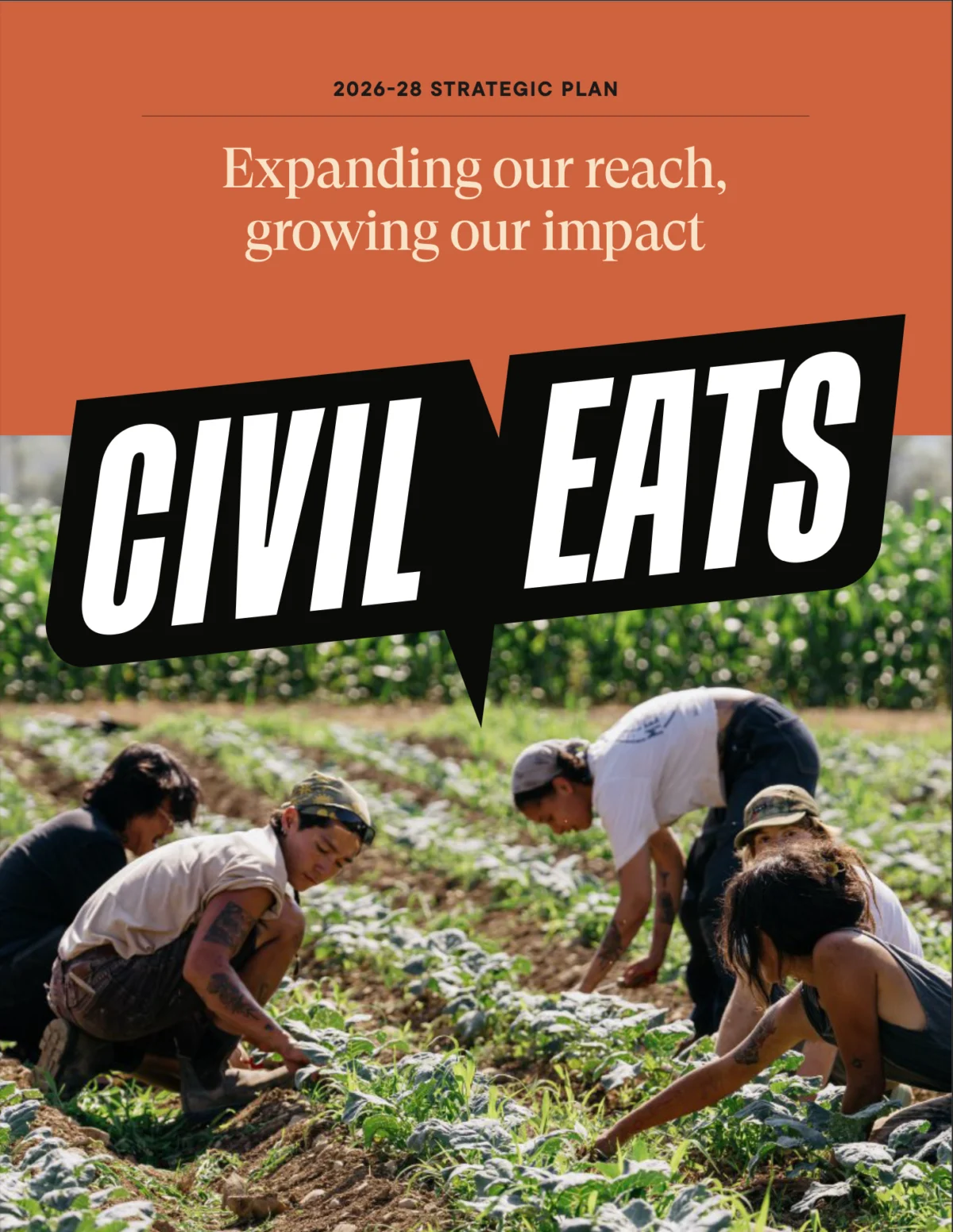
Civil Eats, a leading independent news organization dedicated to covering the American food system, has announced a comprehensive strategic plan designed to guide its growth, impact, and journalistic excellence through 2028, culminating in its momentous 20th anniversary in 2029. The plan, developed over two years through extensive consultation, reaffirms the organization’s unwavering commitment to producing exceptional, rigorous food-systems journalism and aims to significantly expand its reach and ensure long-term financial resilience.
A Legacy of Rigorous Reporting: Civil Eats’ Genesis and Evolution
Since its inception in 2009, Civil Eats has carved out a unique and critical niche in the media landscape, driven by a singular mission to educate, inspire, and equip the public with greater knowledge about the complex American food system. Founded by Naomi Starkman, who now serves as its executive director, the platform emerged at a pivotal time when public awareness of food issues—ranging from sustainable agriculture and local food movements to food security and the environmental impact of industrial farming—was beginning to coalesce but lacked a dedicated, investigative journalistic voice.
In the nearly two decades since its founding, Civil Eats has become an indispensable resource for policymakers, academics, industry professionals, and engaged citizens seeking in-depth, nuanced reporting on topics often overlooked by mainstream media. The organization has chronicled the rise of regenerative agriculture, exposed inequities in the food labor system, highlighted the struggles and innovations of small and mid-sized farmers, and critically examined federal food policy. Its consistent focus on these vital issues has contributed significantly to a more informed public discourse, helping to shape conversations around food justice, public health, and environmental stewardship within the food sector.
The American food system itself has undergone profound transformations in this period. Concerns about climate change have intensified, bringing food production and supply chain resilience to the forefront. The COVID-19 pandemic starkly exposed vulnerabilities in global and local food networks, driving renewed interest in local sourcing and community-supported agriculture. Simultaneously, the landscape for independent journalism has grown more challenging, with traditional revenue models under strain, making the sustained success and strategic evolution of non-profit newsrooms like Civil Eats all the more critical for maintaining a diverse and robust information ecosystem.
Crafting the Blueprint: A Participatory Planning Process

The development of the 2026-2028 strategic plan was a meticulous and collaborative endeavor, spanning the entirety of 2025 and 2026. This comprehensive process was spearheaded by Civil Eats’ leadership team, with integral participation from its dedicated board of directors and staff members. To ensure a robust and external perspective, the organization enlisted the expertise of strategic plan consultant Amy Kovac-Ashley, known for her work in guiding non-profit media organizations through transformative planning cycles.
The planning methodology was designed to be inclusive and deeply informed by a wide array of perspectives. It involved extensive interviews, detailed surveys, and focused discussions with Civil Eats’ diverse ecosystem of stakeholders. This included invaluable input from its loyal readership, who provide the ultimate validation for the organization’s work, as well as crucial feedback from its network of funders and other key partners. This broad consultation ensured that the strategic plan would not only be visionary but also grounded in the realities and aspirations of the community Civil Eats serves.
A significant outcome of this rigorous introspection was the refinement of Civil Eats’ foundational principles. The process led to an updated mission statement, a renewed articulation of its core values, and the creation of a forward-looking vision statement. These foundational elements now provide a clear and compelling framework upon which the organization’s strategic priorities for the next two years are firmly built, designed to maximize its impact and solidify its position as a leader in food systems journalism.
Strategic Imperatives: Pillars of Growth and Impact (2026-2028)
As Civil Eats approaches its two-decade milestone, the new strategic plan outlines three distinct, yet interconnected, priorities. These pillars are strategically designed to fortify its journalistic output, broaden its public engagement, and secure its financial independence for the long term, ensuring it can continue serving its readers for decades to come.
1. Elevating Journalistic Excellence and Editorial Innovation
The first and foremost priority of the strategic plan is to further strengthen Civil Eats’ journalism. This commitment extends beyond maintaining current standards; it involves a proactive pursuit of unparalleled, compelling, and inspiring reporting that continues to lead the national conversation on food and farming. The organization aims to sharpen its efforts to reach and inform new audiences, ensuring its critical insights resonate with a broader demographic.

This strategic thrust will involve several key initiatives:
- Deepening Investigative Reporting: Civil Eats will expand its capacity for in-depth investigative projects, focusing on systemic issues within the food system that require sustained journalistic attention. This includes exploring complex topics such as the impact of climate change on agricultural practices, the future of alternative proteins, labor conditions for farmworkers, and the efficacy of food assistance programs.
- Diversifying Storytelling Formats: Recognizing the evolving ways audiences consume news, Civil Eats plans to experiment with and integrate new storytelling formats. This could include expanding multimedia content, developing short-form explainer videos, launching new podcast series, or creating interactive data visualizations to make complex food system issues more accessible and engaging.
- Expanding Thematic Coverage: While maintaining its core focus, Civil Eats will strategically broaden its thematic coverage to address emerging challenges and innovations. This might include dedicated reporting on food technology’s ethical implications, the intersection of food systems with public health crises, indigenous food sovereignty movements, and urban agriculture initiatives as solutions for food deserts.
- Fostering Journalist Development: Investing in the professional growth of its reporting team will be crucial. This includes providing opportunities for advanced training in investigative techniques, data journalism, and specialized beat reporting, ensuring Civil Eats journalists remain at the forefront of their field.
The success of this priority will be measured by metrics such as the number of impactful investigative pieces published, growth in citations by other media outlets, and qualitative feedback on the depth and originality of its reporting.
2. Expanding Audience Reach and Deepening Engagement
The second strategic priority focuses on cultivating a larger, more loyal audience that actively relies on Civil Eats for authoritative information and insight. The plan aims to strengthen the products and platforms that make its journalism easier to discover, consume, and follow, thereby fostering a vibrant community around its content.
Key initiatives under this priority include:
- Optimizing Digital Platforms: A significant investment will be made in enhancing the user experience of the Civil Eats website and other digital properties. This includes improving site navigation, mobile responsiveness, and search engine optimization (SEO) to increase discoverability.
- Refining Content Distribution Strategies: Civil Eats will explore new avenues for content distribution to reach diverse audiences. This may involve strategic partnerships with educational institutions, community organizations, and other media outlets, as well as leveraging social media platforms more effectively to broaden its footprint.
- Enhancing Community Interaction: The plan emphasizes fostering a stronger sense of community among readers. This could involve revitalizing comment sections, hosting more online forums and live Q&A sessions with reporters and experts, and creating exclusive content or events for members to facilitate deeper engagement.
- Personalized Content Experiences: Exploring ways to tailor content recommendations and newsletter subscriptions based on reader interests, ensuring that relevant journalism reaches the right audiences more efficiently.
Metrics for this priority will include growth in unique visitors, increased time spent on site, newsletter subscription rates, social media engagement, and membership retention rates, all indicative of a growing and engaged readership.
3. Ensuring Financial Durability and Protecting Editorial Independence

The third strategic priority is fundamental to the long-term viability and impact of Civil Eats: building a more resilient and diversified revenue model that robustly protects its editorial independence. This financial strategy is crucial to sustaining the high-quality, independent food systems reporting that readers have come to expect.
Initiatives to achieve financial durability include:
- Diversifying Revenue Streams: While reader support remains paramount, Civil Eats will actively explore and cultivate a mix of funding sources. This includes expanding its grant-making relationships with foundations aligned with its mission, exploring ethical sponsorship opportunities, and potentially developing new earned revenue streams that do not compromise journalistic integrity.
- Strengthening Membership Programs: The core of Civil Eats’ financial model is its reader-supported structure. The plan calls for enhancing the value proposition for members, offering exclusive benefits such as early access to content, special events, and direct engagement opportunities with reporters and food experts. The goal is to convert more casual readers into dedicated supporters.
- Operational Efficiency and Sustainability: Implementing best practices in non-profit management to ensure that resources are utilized effectively and efficiently. This includes strategic investment in technology and infrastructure that supports journalistic output and audience engagement.
- Building an Endowment: Exploring the feasibility and strategy for establishing an endowment fund, which would provide a stable, long-term financial foundation, safeguarding Civil Eats against future economic fluctuations and ensuring its mission can be pursued indefinitely.
Success in this area will be measured by year-over-year growth in membership revenue, increased grant funding, improved financial stability ratios, and the successful diversification of income sources, all while maintaining strict editorial independence.
The Road to 2029: A Milestone of Impact
This strategic plan is not merely a blueprint for organizational growth; it is a declaration of Civil Eats’ enduring commitment to its mission as it approaches its 20th anniversary in 2029. The initiatives outlined are designed to ensure that the organization not only reaches this significant milestone but does so from a position of enhanced strength, influence, and sustainability. By the end of 2028, Civil Eats envisions a landscape where it has cultivated an even more loyal and expansive audience, where its journalism is more accessible and impactful than ever, and where its financial model is robust enough to guarantee its continued operation for decades to come.
Naomi Starkman, founder and executive director of Civil Eats, emphasized the profound significance of this strategic direction. "Our journey began with a clear vision: to illuminate the complexities of our food system through rigorous, independent journalism," Starkman stated in an internal communication regarding the plan. "As we near our 20th year, this strategic plan is a testament to that enduring commitment and a roadmap for our next chapter. It empowers us to deepen our investigations, broaden our reach, and secure our future, all while remaining fiercely independent and reader-focused. The input from our community, our board, and our staff has been invaluable in shaping a plan that is truly reflective of our shared aspirations."
A representative from Civil Eats’ Board of Directors, speaking on background, echoed Starkman’s sentiments: "The Board is incredibly confident in this strategic plan. It represents a thoughtful and comprehensive approach to sustaining Civil Eats’ vital role in journalism. We believe it positions the organization for remarkable success in its third decade, reinforcing its independence and its unwavering dedication to public service through reporting." Amy Kovac-Ashley, the strategic plan consultant, added, "The process with Civil Eats was exceptionally thorough. The resulting plan is not just aspirational but deeply practical, providing clear, actionable steps for continued growth and impact in a critical field."

Broader Implications for Food Systems and Journalism
The successful implementation of Civil Eats’ strategic plan holds significant implications beyond the organization itself. For the broader food systems movement, a strengthened Civil Eats means more comprehensive, nuanced, and fearless reporting on issues that directly affect farmers, consumers, policymakers, and the environment. This continued journalistic vigilance is essential for driving positive change, holding powerful actors accountable, and celebrating innovative solutions within the food sector.
Furthermore, Civil Eats’ commitment to a reader-supported, non-profit model offers a compelling example for the future of specialized journalism. In an era where many traditional media outlets struggle with revenue and are forced to cut niche beats, non-profit organizations like Civil Eats demonstrate the viability of sustainable journalism powered by community support and philanthropic investment. Their success underscores the public’s hunger for in-depth, specialized reporting that prioritizes public interest over commercial pressures.
The plan implicitly acknowledges the dynamic nature of the media landscape and the critical need for adaptability. By focusing on digital innovation, audience engagement, and diversified revenue, Civil Eats is positioning itself not just to survive but to thrive amidst evolving challenges. It reinforces the idea that trusted, independent journalism is not a luxury but a fundamental pillar of a healthy democracy and an informed citizenry, especially when addressing issues as fundamental as how we grow, distribute, and consume our food.
The Enduring Call to Action: Support for Independent Journalism
Achieving the ambitious goals outlined in the strategic plan critically depends on the continued support of Civil Eats’ readers and community. As a reader-supported, nonprofit newsroom, Civil Eats relies on contributions to fund its award-winning work. Contributions directly enable its journalists to delve deep into stories that often go unreported elsewhere, from investigations into supply chain ethics to celebrations of local food heroes.
Becoming a Civil Eats supporter comes with tangible benefits, including access to "The Deep Dish," its award-winning newsletter featuring relevant and timely reporting, participation in a vibrant Slack community, and invitations to online salons where members can engage directly with reporters, food and agriculture experts, and fellow changemakers. This integrated approach to community and content ensures that supporters are not just funders but active participants in Civil Eats’ mission to foster a more just and sustainable food system. The strategic plan is a bold articulation of its future, and its realization is intrinsically linked to the collective commitment of its dedicated readership.