admin
admin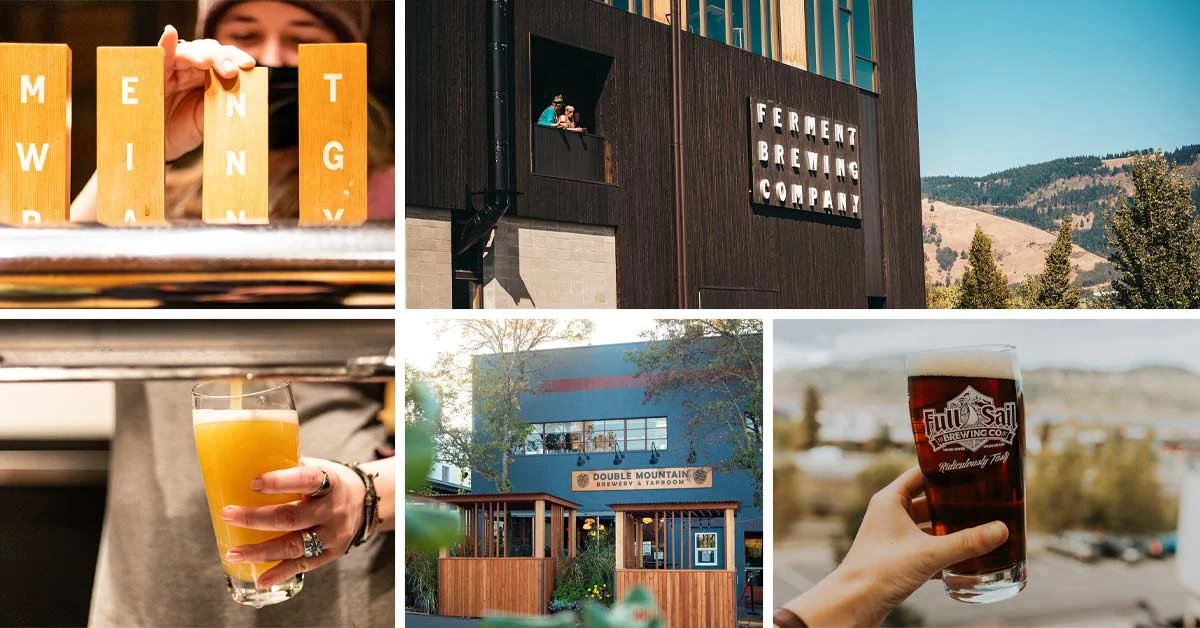
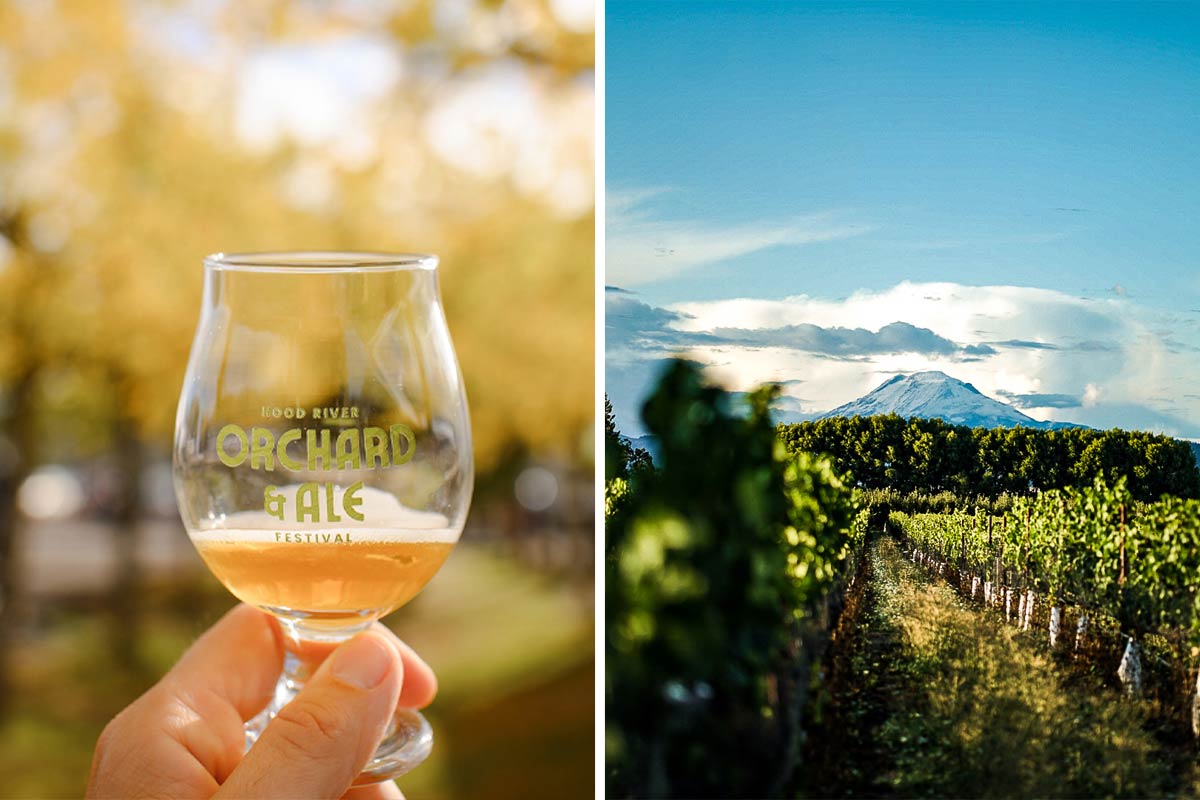
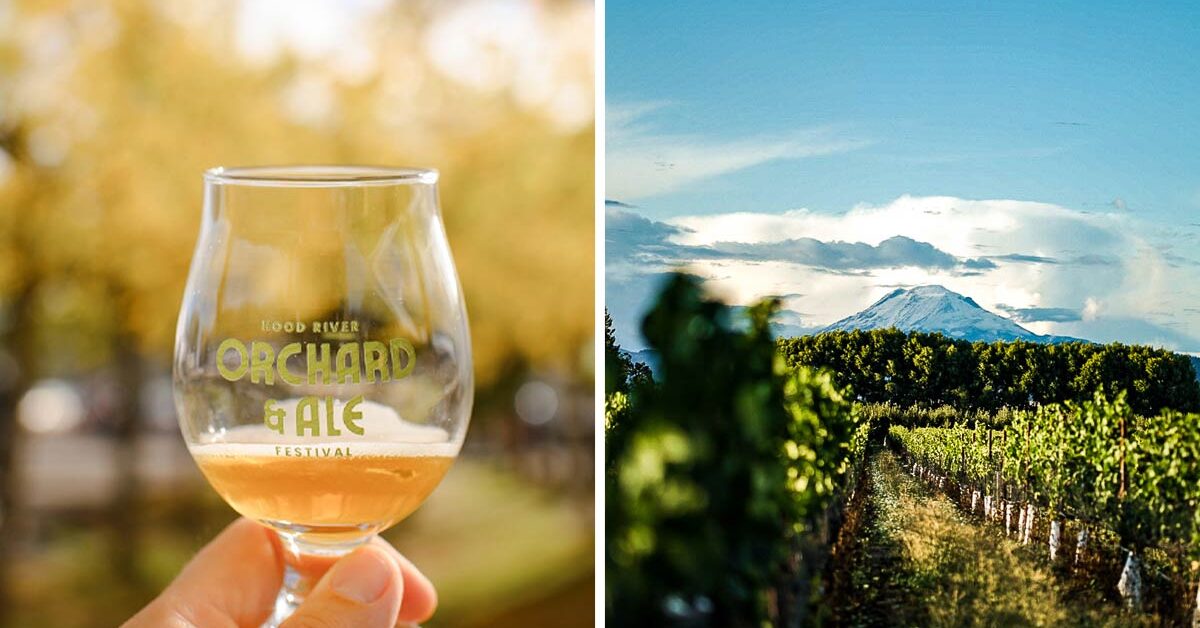
The city of Hood River, Oregon, recently served as the epicenter for a significant milestone in the Pacific Northwest’s craft beverage sector with the debut of the Hood River Orchard and Ale Festival. Held along the scenic waterfront of the Columbia River, the inaugural event sought to bridge the region’s deep-seated agricultural roots with its contemporary status as a global hub for craft brewing. While the festival celebrated the synergy between local orchards and independent breweries, it also highlighted the environmental and geological factors that have allowed this small community of approximately 8,300 residents to claim one of the highest concentrations of world-class breweries per capita in North America.
The festival’s location on the Columbia River waterfront provided more than just a picturesque backdrop; it served as a stark reminder of the region’s unique microclimate. The Columbia River Gorge, a canyon carved by ancient geological forces, functions as a natural wind tunnel. On the day of the event, consistent gusts—a hallmark of the region that attracts windsurfers and kiteboarders globally—challenged the logistics of the festival, necessitating a shift from lightweight plastic sampling vessels to weighted glassware. This environmental reality is a defining characteristic of Hood River, influencing everything from its tourism patterns to the specific cooling requirements of its industrial fermentation processes.
The Hydrogeological Foundation of Hood River Brewing
To understand the success of the Hood River brewing scene, one must look toward the Cascade Mountains. The quality of the local beer is fundamentally linked to the Hood River watershed. Unlike many municipalities that rely on treated river water, Hood River breweries utilize snowmelt from the 14,000-foot Cascade peaks. This water undergoes a natural filtration process through layers of volcanic basalt rock.
The resulting water profile is characterized by its extreme softness and low mineral content, which provides a "blank canvas" for brewers. In the world of brewing science, water chemistry dictates the clarity and crispness of the final product. The low levels of calcium and magnesium in the Hood River supply are particularly conducive to brewing high-quality lagers and pilsners, styles that offer no room for off-flavors or chemical imbalances. When combined with the proximity to the Willamette Valley—one of the most productive hop-growing regions in the world—Hood River possesses a vertical supply chain that is nearly impossible to replicate elsewhere.
A Chronology of Craft: From Pioneers to Modern Powerhouses
The evolution of Hood River’s brewing industry follows a timeline that mirrors the broader American craft beer movement, yet it has maintained a distinct local identity.
The Foundation (1987–2000)
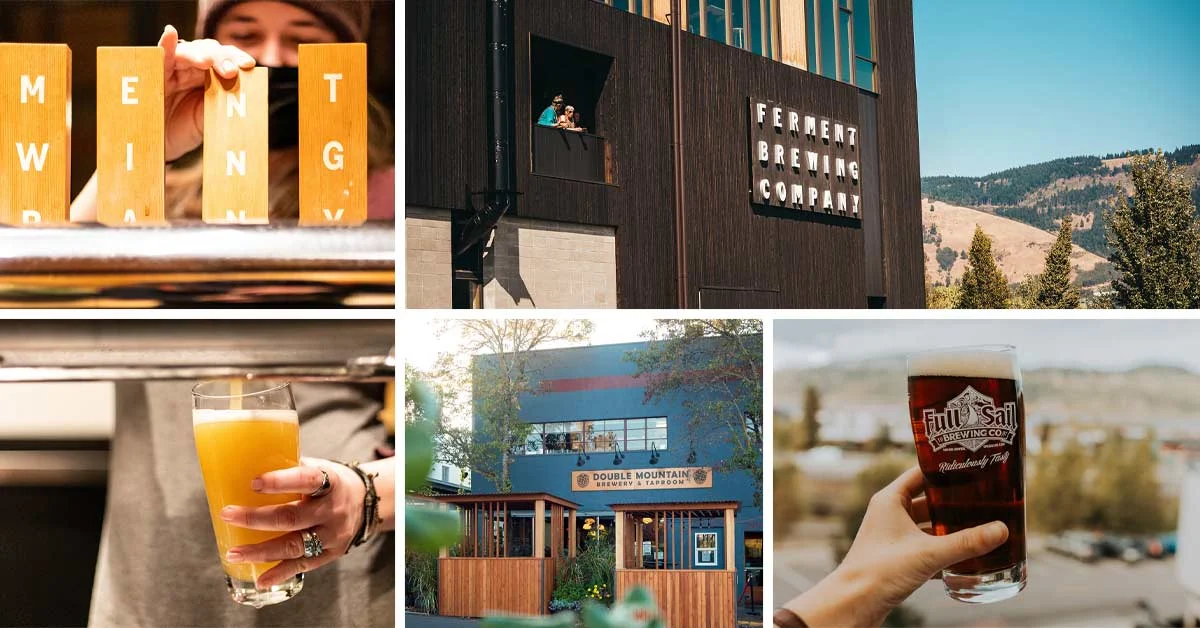
The modern era of Hood River brewing began in 1987 with the establishment of Full Sail Brewing Co. As one of the "original gangsters" of the Oregon craft scene, Full Sail was a pioneer in bottling and regional distribution. Its location in a repurposed cannery overlooking the river signaled the transition of Hood River from a purely industrial and agricultural town to a destination for craft enthusiasts. Full Sail’s Amber Ale remains a benchmark for the style, representing the malty, balanced profiles that defined the first wave of American craft beer.
The Second Wave (2007–2012)
As the palate of the American consumer shifted toward more aggressive hop profiles and traditional European styles, Hood River expanded. Double Mountain Brewery & Cidery opened in 2007, founded by industry veterans who prioritized unfiltered, long-aged beers and a robust food program. This era saw the introduction of more complex West Coast IPAs and the utilization of local fruit in fermentation, a precursor to the "Orchard and Ale" concept.
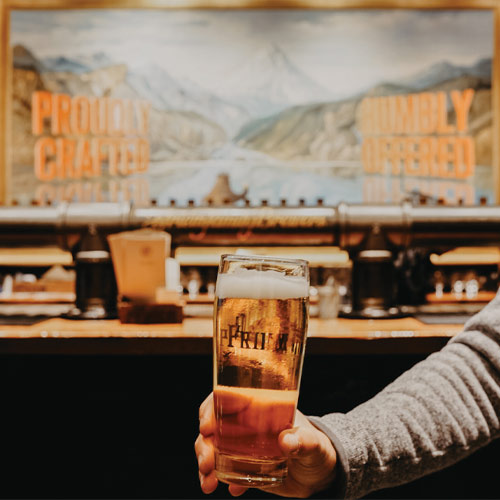
In 2012, pFriem Family Brewers entered the market, bringing a focus on Belgian-inspired ales and meticulous German-style lagers. pFriem’s rapid ascent to national prominence—winning numerous "Brewery of the Year" awards—solidified Hood River’s reputation for technical excellence. Their facility, located directly on the waterfront, became a centerpiece for the city’s post-industrial revitalization.
The Modern Expansion (2020–2025)
The last five years have seen a diversification of the local market. Ferment Brewing Company introduced a focus on "farmhouse" techniques and the concept of terroir, using local yeasts and Oregon-grown produce, such as the strawberries found in their Lost in Fragaria sour ale. More recently, the industry has seen the arrival of Hood River Brewing Company in 2023 and the 2025 opening of Kings & Daughters Brewery’s "The Walled Garden" public house. These newer entries focus on hyper-local community engagement and experimental styles, such as Mexican Amber Lagers and highly specialized hazy IPAs.
Economic Implications and the "Fruit Loop" Synergy
The Hood River Orchard and Ale Festival is a strategic response to the economic needs of the Hood River Valley. The region is famous for its "Fruit Loop," a 35-mile scenic drive through orchards of pears, apples, cherries, and peaches. Historically, the agricultural and brewing sectors operated in parallel but separate lanes. However, the modern consumer’s interest in "place-based" products has led to a merger of these industries.
Data from the Oregon Office of Economic Analysis suggests that craft brewing contributes billions to the state’s GDP, with a significant portion stemming from "beer tourism." In Hood River, the brewery taprooms serve as essential anchors for the local economy, drawing visitors who also frequent the orchards, hotels, and outdoor gear shops. By formalizing this relationship through a festival, the city is positioning itself to compete with other major beer destinations like Asheville, North Carolina, or Bend, Oregon.
The integration of local produce into the brewing process—such as the use of fresh hops during the harvest season or the inclusion of local stone fruits in sour ales—creates a high-value secondary market for local farmers. This synergy ensures that the "Orchard" and the "Ale" are not just branding terms, but interconnected components of a resilient regional economy.
Technical Analysis: The Rise of the Bottom-Fermenter
A notable trend observed during the festival and across the town’s current tap lists is the resurgence of lagers. While the Pacific Northwest was long dominated by high-IBU (International Bitterness Units) India Pale Ales, Hood River’s current leaders are increasingly turning toward bottom-fermented beers.
Working Hands Fermentation, located at the "top of the hill" in Hood River, exemplifies this shift. Their focus on styles like the Night Shift Schwarzbier (a dark German lager) highlights a move toward sessionability and technical precision. Unlike top-fermented ales, which can be produced quickly, lagers require longer "lagering" or cold-storage periods and precise temperature control. The success of these styles in Hood River is a testament to the sophisticated infrastructure and brewing expertise present in the local workforce.
Official Responses and Community Impact
Local stakeholders have expressed that the inaugural festival was designed to manage the "over-tourism" of the summer months by creating a high-value draw in the early autumn shoulder season. By scheduling the event in October, organizers are able to showcase the harvest season—both for hops and for orchard fruits—while providing a more sustainable pace for local infrastructure.
Industry analysts suggest that the continued growth of Hood River’s brewing scene will depend on its ability to balance its international reputation with its small-town identity. The 2025 opening of The Walled Garden by Kings & Daughters is seen by many as a move toward "slow beer" culture, emphasizing the taproom experience over mass distribution.
Future Outlook: Sustainability and Global Competition
As the craft beer market matures and faces headwinds from changing consumer habits and rising input costs, Hood River’s breweries are doubling down on quality and origin. The geological advantages of the Columbia River Gorge—specifically the water quality and the cooling winds—provide a natural hedge against some of the challenges faced by inland breweries.
The Hood River Orchard and Ale Festival is expected to become an annual fixture, serving as a report card for the region’s innovative output. As the industry moves forward, the focus will likely remain on the "soft water" lagers and "terroir-driven" fruit beers that have come to define this unique corner of the Pacific Northwest. For a town of 8,000 people, the global impact of its fermentation science continues to punch well above its weight class, ensuring that Hood River remains a primary case study in how geography, history, and industry can converge to create a world-class economic engine.