admin
admin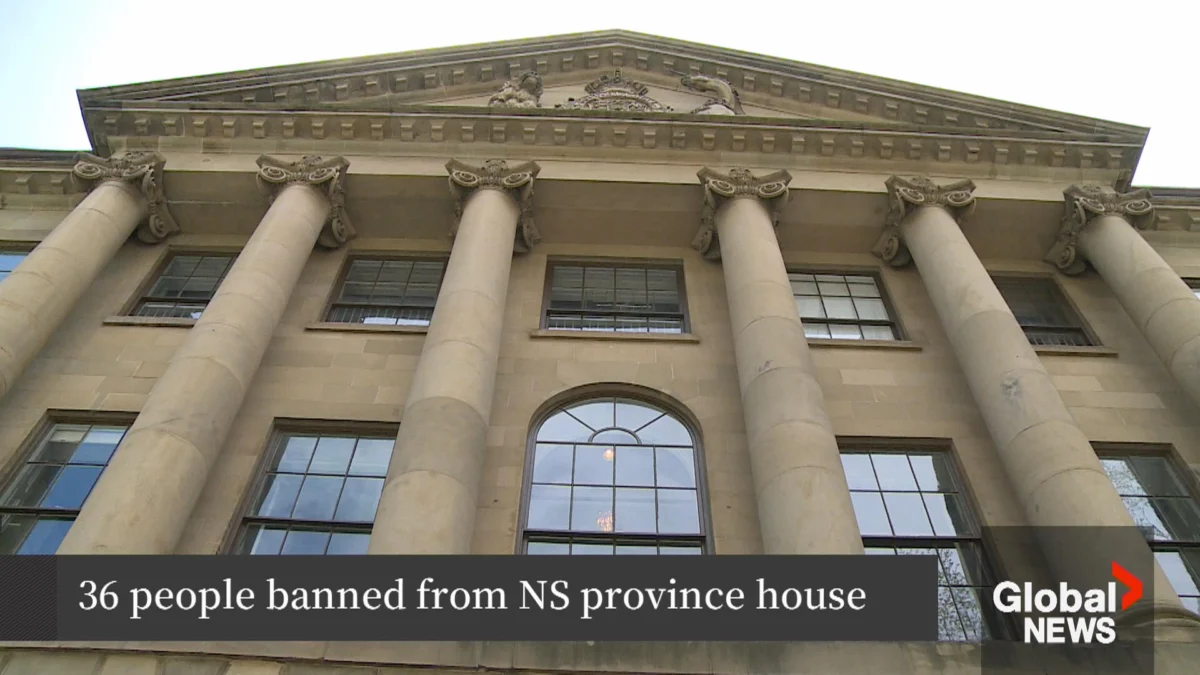
Halifax, Nova Scotia – In a significant and unexpected development, Speaker Danielle Barkhouse of the Nova Scotia House of Assembly announced late Friday afternoon that she is rescinding the temporary ban placed on 36 individuals from the legislative premises. This decision comes just days before provincial politicians are slated to return to Province House for the fall sitting, commencing Tuesday, September 8, 2026. The initial bans, which had taken effect on September 1, were a direct consequence of an alleged disruption in the public gallery during the spring sitting in March.
A Swift Reversal Ahead of Fall Sitting
The Speaker’s decision marks a notable reversal of a measure that had drawn considerable scrutiny and opposition from across the political spectrum and various advocacy groups. The original directive aimed to temporarily bar individuals identified as having participated in a vocal protest against government budget cuts, which reportedly included singing and yelling, thereby delaying a legislative vote. The unexpected timing of the announcement, released at the close of the business week, underscores the political sensitivity surrounding the issue as the legislature prepares to resume its critical work. The move appears to be a strategic effort to de-escalate tensions and foster an environment conducive to legislative debate, rather than beginning the new session with lingering controversy over access and protest rights.
The March Incident: A Flashpoint Over Budget Cuts
The genesis of the controversy dates back to Wednesday, March 25, 2026, during a particularly charged session of the Nova Scotia legislature. As deliberations intensified around the government’s proposed budget, which included significant cuts affecting various public services and cultural programs, a group of citizens in the public gallery began to express their dissent. Eyewitness accounts and legislative records indicate that the protest escalated from audible murmurs to organized singing and eventually, vocal objections and yelling. The disruption was substantial enough to force a temporary halt in proceedings, specifically delaying a crucial vote on a government bill. While the vote was ultimately passed the following day, the incident was perceived by legislative authorities as a serious breach of decorum and an obstruction of parliamentary business.
The individuals involved were largely protesting what they viewed as draconian budget measures that threatened essential community services and the provincial arts sector. The Nova Scotia Arts Coalition, among other groups, had been particularly vocal in the lead-up to and during the budget debates, arguing that proposed cuts would severely undermine the province’s cultural infrastructure and the livelihoods of artists. The protest in the gallery, while unconventional, was a stark manifestation of public frustration and a desperate attempt to draw immediate attention to their concerns within the legislative chamber itself. For the Speaker, however, the primary concern was the sanctity of the parliamentary process and the ability of elected representatives to conduct their duties without undue external interference.
Speaker’s Initial Rationale: Upholding Parliamentary Privilege

In the wake of the March incident, Speaker Barkhouse, acting within her capacity as the presiding officer of the House, initiated an investigation into the disruption. Her office subsequently identified 36 individuals believed to be directly involved in the sustained protest. Citing parliamentary privilege – the collective rights and immunities necessary for the House of Assembly and its members to carry out their functions without obstruction or intimidation – the Speaker’s office issued letters informing these individuals of their temporary ban from the legislative premises.
The bans, effective September 1, were presented as a necessary measure to uphold the integrity and order of the legislative process. Speaker Barkhouse articulated that allowing such disruptions to occur unchecked would inevitably lead to the paralysis of the House, thereby stymying the essential work of elected representatives. Her initial stance underscored the principle that while citizens have the right to protest and express dissent, there are established protocols and boundaries within the legislative precinct designed to ensure that democratic processes can proceed without being hijacked or unduly delayed. She firmly stated that the actions of the disrupters constituted an unlawful breach of parliamentary privilege and could not be condoned, setting a clear precedent that such behaviour would have consequences.
Widespread Opposition Prompts Reconsideration
The Speaker’s initial decision to impose the bans, while rooted in parliamentary tradition, did not go unchallenged. Upon the issuance of the letters in late August, a chorus of opposition quickly emerged. The Nova Scotia Arts Coalition, which had been a vocal opponent of the budget cuts, immediately condemned the bans, arguing that they represented an overreach of authority and a chilling effect on democratic protest. They viewed the action as an attempt to silence legitimate public grievances and restrict access to the very institutions designed to serve the public.
Significantly, the opposition was not limited to advocacy groups. Both opposition parties within the legislature and, perhaps more surprisingly, members of the Progressive Conservative government itself, expressed their discomfort and opposition to the temporary bans. While the government did not directly interfere with the Speaker’s independent authority, their public and private expressions of concern likely contributed to the pressure on Speaker Barkhouse to re-evaluate her position. Opposition parties, naturally, framed the bans as an affront to democratic principles and the right of citizens to hold their government accountable. They argued that while order is important, the right to protest, even vociferously, is a cornerstone of a healthy democracy, and that a blanket ban on 36 individuals was disproportionate. The unified opposition from such diverse political corners signaled a broad consensus that the measure, however well-intentioned, might have been an overreaction or counterproductive in its impact on public engagement with the legislative process.
Balancing Freedom of Expression and Legislative Order
The Speaker’s decision highlights the perennial tension in democratic societies between the fundamental right to freedom of expression and the imperative for legislative bodies to maintain order and effectively conduct their business. In Canada, the principle of parliamentary privilege is enshrined to protect the independence and functionality of legislative assemblies. This privilege grants the House the power to regulate its own internal affairs, including the conduct of individuals within its precincts. However, this power is not absolute and must be balanced against constitutional rights, including freedom of speech and assembly.
Historically, legislative assemblies have developed various mechanisms to manage public access and maintain order in their galleries. Disruptions, ranging from applause and jeering to more overt forms of protest, are not uncommon. Each incident typically presents a unique challenge for the presiding officer to balance the need for decorum with the recognition of the public’s right to witness and react to the legislative process. The scale of the March 25 protest, involving 36 individuals and leading to a significant delay, undoubtedly tested these boundaries. The subsequent rescission suggests a nuanced understanding of this balance, perhaps acknowledging that while the disruption was problematic, a long-term ban might have created more friction than it resolved, potentially alienating a segment of the public from the democratic process.

The Broader Context of Parliamentary Authority
The Speaker of a legislative assembly holds a unique and powerful position. As the impartial arbiter of debate and the guardian of the House’s rules and procedures, the Speaker is responsible for ensuring that the legislative process unfolds fairly and effectively. This includes the authority to maintain order within the chamber and its precincts. Decisions regarding access, decorum, and sanctions for breaches of privilege are typically within the Speaker’s independent purview, free from direct executive or party interference. This independence is crucial for the integrity of the institution.
However, even with this independence, Speakers operate within a broader political and social context. Public opinion, media scrutiny, and the collective sentiment of members of the House can all influence how such authority is exercised. In this instance, the widespread opposition from various stakeholders, including the government itself, indicates that the initial decision, while procedurally sound, may have been deemed politically untenable or overly severe in its application. The Speaker’s statement acknowledging the opposition from the Nova Scotia Arts Coalition, opposition parties, and the Progressive Conservative government suggests that the collective voice of these groups played a significant role in the re-evaluation of the ban. This outcome demonstrates the dynamic nature of parliamentary authority, where even independent decisions are subject to reconsideration in response to broader democratic pressures and concerns about public engagement.
Reactions from Political Spectrum and Advocacy Groups
The decision to rescind the bans was met with a sense of relief and cautious optimism from many quarters. Representatives from the Nova Scotia Arts Coalition welcomed the Speaker’s change of heart, viewing it as a recognition of the importance of public participation in democratic discourse. While they acknowledged the need for order, they reiterated that passionate dissent should not automatically lead to exclusion from the legislative process. One spokesperson, speaking anonymously, stated, "This is a win for freedom of expression and a clear signal that the public’s voice, even when loud, cannot be simply shut out of our democratic institutions. We hope this sets a precedent for a more inclusive approach to public engagement at Province House."
Opposition party leaders, who had earlier voiced strong objections to the bans, also expressed approval of the Speaker’s reversal. They framed it as a victory for civil liberties and a pragmatic move that would allow the fall sitting to proceed without the shadow of controversy hanging over it. While commending the Speaker for listening to public and political concerns, they also reaffirmed the importance of protecting the right to protest. Some suggested that clearer guidelines for public conduct in the gallery might be needed, but without resorting to blanket bans that could stifle legitimate dissent.
Even within the Progressive Conservative government, there was a quiet acknowledgement that the rescission was a sensible outcome. While supporting the Speaker’s right to maintain order, many government members likely understood the negative public perception associated with banning citizens from their own legislature. The move allows the government to focus on its legislative agenda for the fall, rather than being continually questioned about the handling of the protest.
A Firm Warning for Future Conduct

Despite the rescission, Speaker Barkhouse was unequivocal in her statement that the original protest remained a serious concern. She reiterated her belief that the disruption was "unlawful and a breach of parliamentary privilege," emphasizing that "if disruptions of the house are permitted to occur unfettered, the house will be paralyzed and the work of elected (representatives) stymied. There is nothing democratic about this. The actions of the disrupters must not be condoned."
This strong language serves as a clear warning that while the specific bans have been lifted, the legislative assembly will not tolerate future disruptions that impede its work. Barkhouse outlined a renewed, multi-tiered approach for dealing with similar incidents moving forward. She stated that if disruptions occur again, protesters will first be immediately removed from the gallery. Should they persist in their disruptive behaviour on legislative grounds or attempt to continue their protest within a committee room in a nearby office building, they could then face more extensive bans from those specific areas. This revised policy suggests a more graduated response, aiming to address immediate disorder without necessarily resorting to broad, long-term exclusions. It signifies a pragmatic attempt to balance the need for order with a recognition of the political and public relations challenges inherent in outright bans.
Implications for Democracy and Dissent in Nova Scotia
The Speaker’s decision has several important implications for democracy and the exercise of dissent in Nova Scotia. Firstly, it reaffirms the principle that while parliamentary privilege is vital for legislative function, its application must be carefully considered against the backdrop of fundamental rights. The widespread opposition to the bans suggests a strong societal value placed on the public’s ability to engage with and even challenge government actions, even if that challenge occasionally manifests in unconventional ways.
Secondly, the incident provides a learning opportunity for both legislative authorities and the public regarding the appropriate channels and boundaries for expressing dissent within the democratic process. While the Speaker has shown flexibility, her firm warning underscores that certain forms of disruption will not be tolerated. This might encourage advocacy groups to explore alternative, equally impactful but less disruptive, methods of protest within the legislative environment, such as organized vigils outside, strategic lobbying, or formal presentations to committees.
Finally, as the legislature prepares to reconvene, the incident and its resolution will likely set a tone for the fall sitting. While the immediate controversy over the bans has been defused, the underlying issues that sparked the March protest – particularly government budget decisions – remain pertinent. The rescission of the bans could be seen as a gesture of openness, but it also places the onus on both the public and the elected officials to navigate the delicate balance between robust debate, spirited protest, and the orderly conduct of democratic governance. The events of the spring and summer have reinforced the dynamic nature of legislative authority and the ongoing negotiation between the power of the state and the voice of the people.