admin
admin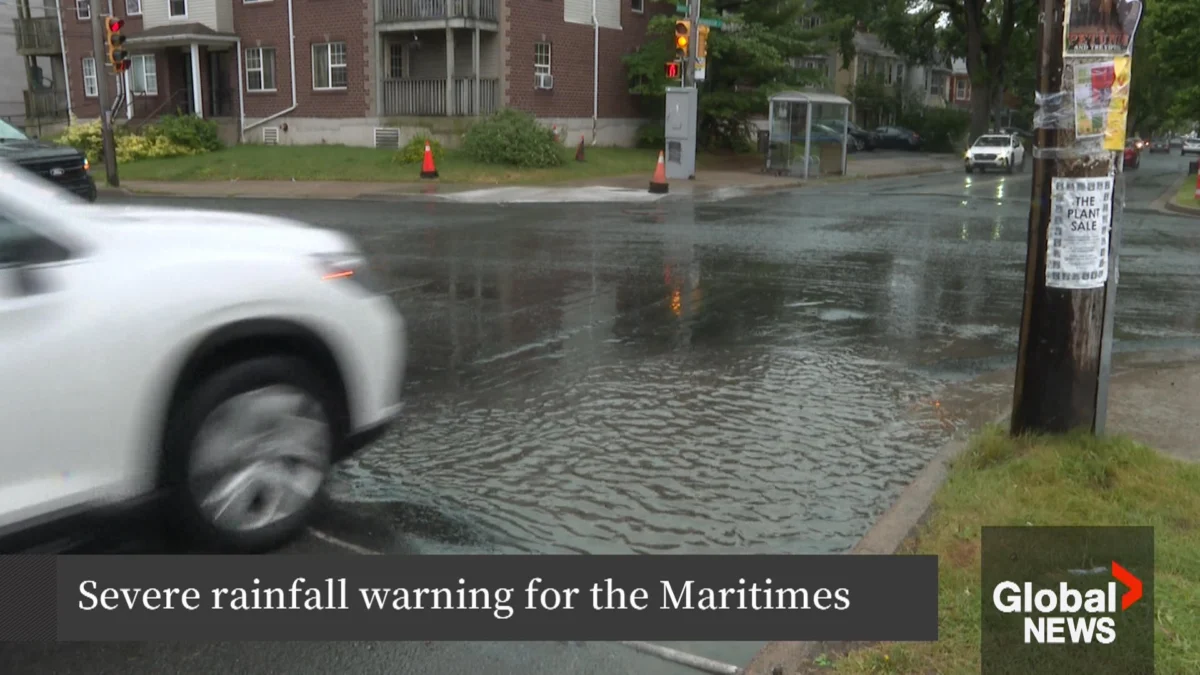
Atlantic Canada is bracing for a significant meteorological event this Labour Day long weekend as a slow-moving tropical system is poised to drench the region, prompting Environment Canada to issue widespread rainfall warnings and special weather statements. Forecasters are predicting accumulations of up to 120 millimetres in some areas, with localized downpours potentially reaching 10 millimetres per hour, raising concerns about flash flooding and hazardous travel conditions across Nova Scotia, Prince Edward Island, southeastern New Brunswick, and Newfoundland’s Avalon Peninsula.
Intensified Rainfall Threat for Nova Scotia and Prince Edward Island
The core of the severe weather warnings is concentrated on central and eastern Nova Scotia, as well as the entirety of Prince Edward Island. Residents in these areas are advised to prepare for substantial rainfall totals ranging from 75 to 120 millimetres between tonight and Monday morning. Environment Canada meteorologists highlight the potential for embedded thunderstorms within the broader rain event, which could significantly amplify local rainfall rates, leading to more intense, short-duration downpours. Such conditions drastically increase the risk of urban and localized flooding, where drainage systems can quickly become overwhelmed.
The predicted intensity of 10 millimetres per hour in some locations is particularly concerning. To put this into perspective, rainfall at this rate can rapidly reduce visibility for motorists, accumulate quickly on roadways, and stress municipal storm drains, leading to street closures and pooling water in low-lying areas. For agricultural sectors, particularly in Prince Edward Island where the potato harvest is often underway or imminent, excessive moisture can pose serious challenges, from hindering field access to potentially damaging crops.

Special Weather Statements for New Brunswick and Newfoundland
While Nova Scotia and Prince Edward Island bear the brunt of the warnings, southeastern New Brunswick and Newfoundland’s Avalon Peninsula are also under special weather statements for significant rainfall. These regions are anticipated to receive between 20 and 70 millimetres of rain over the same period. Although these amounts are less extreme than those forecast for the Maritimes, they are still sufficient to cause disruptions, including water pooling on roads and an elevated risk of localized flooding, especially in areas with poor drainage or near small watercourses.
The varying rainfall totals across the region underscore the dynamic nature of tropical systems, where localized topography and the system’s precise track can lead to significant differences in precipitation. Residents in all affected areas are strongly urged to monitor official weather alerts and adjust their long weekend plans accordingly.
Understanding the Slow-Moving Tropical System
The system responsible for this impending deluge is described as a slow-moving tropical entity, likely a post-tropical cyclone or a robust tropical depression that has transitioned. These systems, even when weakened from their hurricane-strength peaks, retain significant moisture and can unleash prodigious amounts of rain. Their slow forward speed is a critical factor in the current forecast; rather than quickly passing through, the system is expected to linger over the region, allowing continuous rainfall to accumulate over a prolonged period. This sustained moisture influx, combined with the often-cooler waters of the North Atlantic and interaction with existing frontal boundaries, can lead to what meteorologists call "training" — where successive bands of heavy rain pass over the same area, compounding rainfall totals.

Meteorological models indicate that the system’s trajectory, while subject to minor shifts, places it squarely over Atlantic Canada for the duration of the long weekend. The energy it draws from warmer ocean waters, even if only residual, provides ample fuel for significant convection and precipitation. This type of event is a classic example of how tropical weather phenomena, even those that do not make landfall as full-fledged hurricanes, can still pose substantial threats through rainfall-induced hazards.
Historical Context of Major Rainfall Events
Atlantic Canada has a history of experiencing severe weather events, particularly those involving heavy rainfall from tropical or post-tropical systems. Notable examples include Hurricane Juan in 2003, which, while primarily remembered for its destructive winds, also brought significant rainfall, and more recently, Post-Tropical Cyclone Dorian in 2019 and Hurricane Fiona in 2022. While Fiona was primarily an extreme wind event, it also delivered substantial precipitation, exacerbating its overall impact.
These historical events serve as crucial reminders of the region’s vulnerability to such weather patterns. Infrastructure, particularly in coastal and low-lying areas, has been tested repeatedly. Lessons learned from past floods often inform current emergency preparedness strategies, emphasizing the importance of robust drainage systems, clear communication channels, and proactive public advisories. The ongoing concerns about climate change further underscore the potential for increased frequency or intensity of extreme precipitation events, making accurate forecasting and effective public response more critical than ever.
Emergency Preparedness and Official Advisories

In anticipation of the heavy rainfall, provincial emergency management organizations (EMOs) across Nova Scotia, Prince Edward Island, New Brunswick, and Newfoundland are expected to be on heightened alert. While specific statements are typically issued closer to the event, standard advice for such conditions includes:
- Monitoring Official Sources: Continuously checking Environment Canada weather alerts, local news, and provincial EMO websites for the latest updates.
- Securing Property: Bringing in or tying down outdoor furniture, decorations, and any items that could become airborne or float away in heavy rain. Clearing eavestroughs and storm drains of debris to ensure proper water flow.
- Emergency Kits: Ensuring emergency kits are stocked with essential supplies, including water, non-perishable food, flashlights, batteries, and any necessary medications, in case of power outages or travel disruptions.
- Driving Precautions: Avoiding non-essential travel, especially during peak rainfall periods. If driving is unavoidable, exercising extreme caution: slowing down, increasing following distance, turning on headlights, and being vigilant for standing water. The adage "turn around, don’t drown" is particularly relevant; never attempt to drive through flooded roads.
- Basement Preparedness: Checking sump pumps to ensure they are functioning correctly and considering moving valuable items from basement floors.
- Staying Informed: Having multiple ways to receive emergency alerts, such as weather radios or mobile alerts, in case of power outages affecting internet or television access.
Municipalities in affected regions are also likely activating their emergency response plans, coordinating with provincial authorities, and preparing crews for potential road closures, power disruptions, and public assistance.
Potential Broader Impacts and Implications
The Labour Day long weekend is a significant period for tourism and recreation in Atlantic Canada, marking the unofficial end of summer. The forecasted heavy rainfall could have several implications:
- Economic Disruption: Cancellations of outdoor events, reduced tourist activity, and decreased retail sales could impact local economies that rely on end-of-summer visitors. Businesses, particularly those in hospitality and recreation, may experience a downturn.
- Agricultural Concerns: For provinces like Prince Edward Island, heavily reliant on agriculture, excessive rainfall at this time of year can damage ripening crops, delay harvests, and impact yield quality. Farmers will be closely monitoring field conditions and drainage.
- Infrastructure Strain: Prolonged heavy rain can stress existing infrastructure. Beyond immediate road flooding, the saturation of soil increases the risk of landslides or washouts, particularly in areas with steep terrain. Bridges and culverts can be compromised by rapid water flow and debris. The risk of power outages also rises if strong winds accompany the rain, leading to tree fall on power lines, or if saturated ground destabilizes utility poles.
- Public Safety: The primary concern remains public safety. Beyond driving hazards, localized flooding can create dangerous conditions for pedestrians, especially children, and can impact emergency service response times. Water contamination from overflowing sewage systems is also a potential health concern in severe flood scenarios.
- Environmental Impact: Heavy runoff can lead to increased erosion, carrying sediments and pollutants into waterways and coastal ecosystems. This can negatively impact water quality, marine life, and sensitive coastal habitats.
As the tropical system approaches, residents and visitors throughout Atlantic Canada are urged to remain vigilant, heed all official warnings, and prioritize safety. The collaborative efforts of Environment Canada, provincial EMOs, and local municipalities are critical in mitigating the potential impacts of this significant rainfall event. The long weekend forecast serves as a stark reminder of nature’s power and the importance of preparedness in the face of evolving weather patterns.