admin
admin
The transition from the heavy, braised flavors of winter to the crisp, vibrant profiles of spring marks a significant shift in the global culinary and brewing industries. As the vernal equinox passes, restaurant menus across the country are undergoing a systematic overhaul to prioritize a specific set of ephemeral ingredients. Asparagus, fava beans, English peas, spring onions, ramps, and tender lettuces are currently taking center stage, accompanied by the earliest harvests of beets, radishes, and garlic scapes. This seasonal rotation is not merely a change in inventory but a fundamental shift in gastronomic philosophy, emphasizing clean, bright flavors achieved through minimal intervention. Whether these ingredients are pickled, raw, roasted, marinated, fried, pureed, or grilled, the objective remains consistent: to allow the inherent quality of the produce to dictate the dining experience.
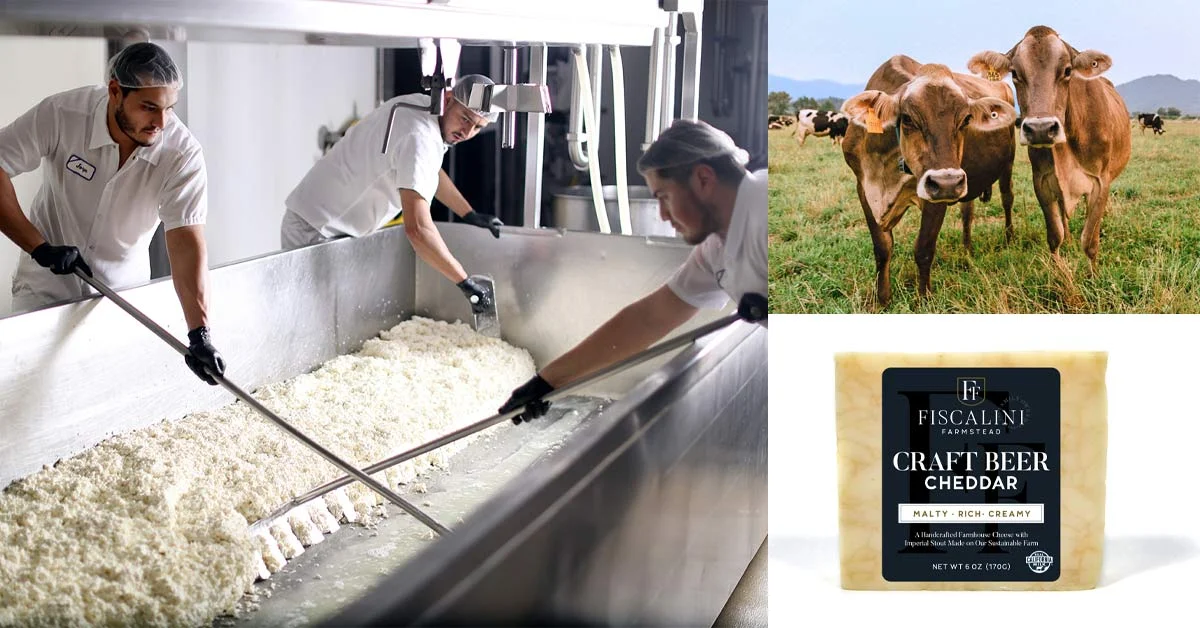
This movement toward simplicity is further complemented by the emergence of young, fresh cheeses—varieties intended for consumption within days of production. This seasonal bounty has led industry experts to advocate for a "simple" approach to pairing, characterized by a restraint that limits recipes to three or four high-quality ingredients. By reducing complexity, the palate is better positioned to discern the nuanced interplay between food and beverage, particularly within the realm of independent craft beer.
The Philosophical Shift Toward Balance and Restraint
The pursuit of balance is becoming the defining characteristic of modern craft brewing and high-end culinary arts. While the industry has historically been punctuated by "show-stopping" or "palate-wrecking" creations—such as ultra-high IBU (International Bitterness Units) IPAs or excessively complex multi-component dishes—there is a documented trend toward equilibrium. Chefs and brewers are increasingly opting to "take something off the plate" rather than overworking a pairing. This philosophy posits that achieving simplicity requires a higher degree of focus and technical proficiency than complexity does.
In a professional kitchen, the decision to serve a fresh radish dipped in butter and garnished only with salt is an exercise in precision. This preparation is designed to highlight the vegetable at its peak harvest time, serving as a direct narrative link between the farmer, the chef, and the consumer. When such a dish is paired with a traditional saison—a beer style known for its effervescence and peppery yeast notes—the result is a synergistic moment where the sweetness of the radish and the spice of the beer achieve a state of sensory balance.
The Chronology of Spring Ingredients and Brewing Cycles
The timing of spring pairings is dictated by a strict agricultural timeline. The window for certain ingredients, such as ramps (wild leeks) and garlic scapes, is notoriously brief, often lasting only a few weeks in April and May. This creates a sense of urgency for both chefs and brewers.
- Early March: The arrival of cold-hardy greens and the first radishes. This coincides with the release of transitionary beer styles, such as Maibocks or Heller Bocks, which offer a sturdier malt backbone while leaning toward a cleaner finish than winter stouts.
- April: The peak of the "green" harvest, including asparagus and English peas. During this period, pale ales and dry-hopped lagers become essential, as their citrus and floral hop profiles complement the chlorophyll-rich flavors of the produce.
- May: The introduction of more delicate herbs and the first tender stone fruits in warmer climates. This is the traditional season for Saisons and Farmhouse Ales, which utilize wild yeasts to produce the dry, complex finishes that pair well with fresh cheeses and light proteins.
The integration of these timelines ensures that the "simple" pairing is also a "timely" one. A pairing of Parmesan Reggiano and a pale ale, for instance, relies on the contrast between the nutty, crystalline structure of the aged cheese and the carbonation and hop "pop" of the beer. This interaction cleanses the palate, allowing each subsequent bite to be as impactful as the first.
Data and Market Trends in Seasonal Consumption
Market data from the Brewers Association indicates that seasonal releases remain a critical driver for the independent craft beer sector. Seasonal beers often rank as the second or third most popular category behind India Pale Ales (IPAs), representing a significant portion of annual revenue for small breweries. In the culinary sector, the "Farm-to-Table" movement has matured into a standard expectation for many consumers, with a 2023 industry report suggesting that 65% of diners are willing to pay a premium for dishes featuring locally sourced, seasonal ingredients.
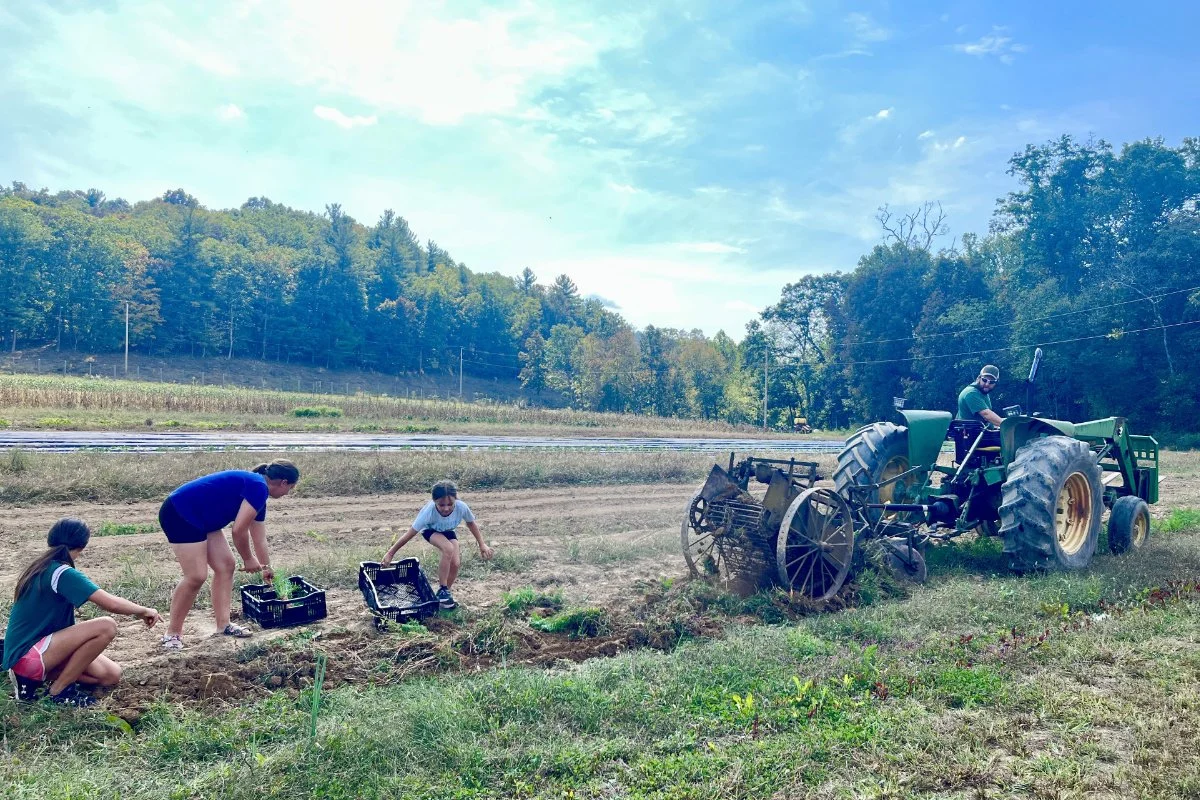
The economic impact of this shift is felt most acutely by small and independent operations. By focusing on simple, high-quality pairings, these businesses can reduce the overhead associated with complex processing while increasing the perceived value of the raw ingredients. The relationship between a small-boat fisherman or a boutique vegetable farmer and the end-point chef is a vital component of this economic ecosystem.
Technical Analysis of Flavor Synergy
The success of a simple pairing is rooted in the chemical interaction between the food and the beverage. In the case of the Parmesan and pale ale pairing, several factors are at play:
- Lipid Cleansing: The carbonation in a pale ale acts as a mechanical cleanser, scrubbing the tongue of the fats (lipids) found in the cheese.
- Maillard Reaction Synergy: The toasted malt notes in the beer mirror the savory, umami qualities of the aged cheese, which are developed through similar chemical processes during the aging of the Parmesan.
- Bitterness vs. Salt: The inherent saltiness of the cheese can suppress the perception of bitterness in the hops, allowing the more delicate floral or fruity notes of the beer to emerge.
Similarly, when pairing spring vegetables like asparagus with a crisp lager or a light ale, the challenge lies in the vegetable’s high sulfur content. A balanced beer with a clean finish prevents the metallic aftertaste that often occurs when asparagus is paired with high-tannin wines, illustrating why craft beer is often a superior companion for spring produce.
The Role of Independent Craft Breweries
The Brewers Association, a not-for-profit trade group, emphasizes that the promotion of these pairings is part of a broader mission to protect and promote America’s small and independent craft brewers. Unlike mass-produced lagers, craft beers are often brewed with a specific culinary application in mind, utilizing diverse hop varieties and fermentation techniques that allow for the "clean and bright" flavors mentioned by industry advocates.
While the opinions shared within the craft community do not necessarily represent the official positions of the Brewers Association, the general consensus among members is that the "Spring Simple" approach is essential for long-term consumer education. By teaching diners to appreciate the balance of malt to hops and the creaminess of cheese against the crispness of carbonation, the industry fosters a more sophisticated and loyal consumer base.
Broader Implications for the Hospitality Industry
The shift toward simplicity and balance carries significant implications for the future of the hospitality industry. As labor costs rise and supply chains remain volatile, the ability to create "complete experiences" with fewer ingredients is a strategic advantage. It requires a deeper level of staff training, as servers must be able to articulate the "story" of the radish or the specific profile of a seasonal saison to the diner.
Furthermore, this trend aligns with increasing consumer interest in transparency and sustainability. A simple dish with a clear origin story is easier to verify than a complex, multi-sourced entrée. The "moment" created by a perfect spring pairing is, therefore, not just a sensory success but a validation of the entire supply chain—from the farmer’s soil to the brewer’s kettle and finally to the consumer’s palate.
In conclusion, the arrival of spring serves as a seasonal mandate for the culinary and brewing worlds to return to fundamentals. By prioritizing simplicity and balance, chefs and brewers are able to highlight the extraordinary quality of seasonal ingredients. Whether it is a shaved piece of Parmesan with a pale ale or a buttered radish with a saison, these pairings prove that the most memorable gastronomic moments are often those that require the least amount of adornment, relying instead on the perfect alignment of harvest, craft, and timing.