admin
admin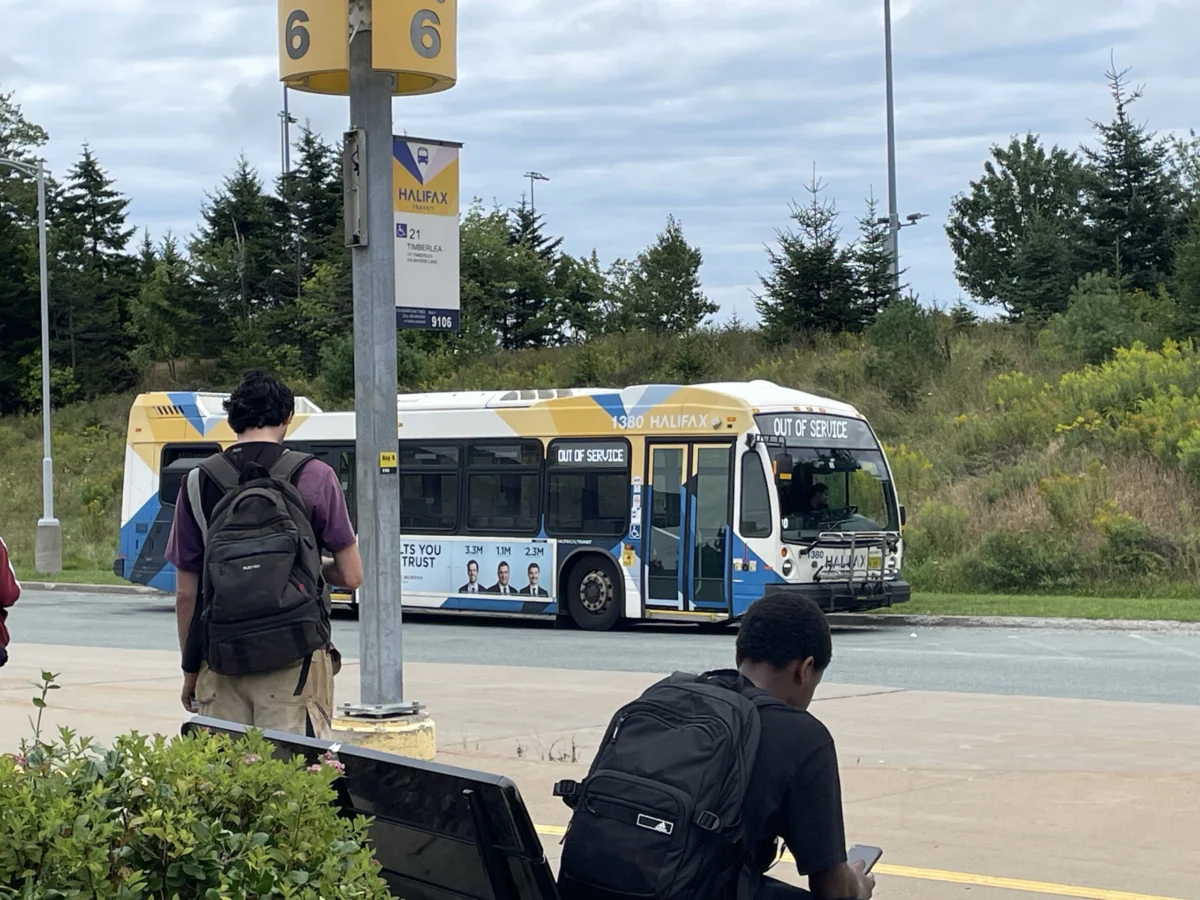
Eligible junior high and high school students across Halifax Regional Municipality (HRM) will once again be able to ride public transit for free, thanks to a renewed agreement between the provincial government and the municipality to continue its vital Student Transit Pass Program. The announcement, made on a Wednesday just hours before the new school year commenced, brought an end to months of apprehension and uncertainty for thousands of families and educational institutions within the region. Students in Grades 7 to 12 are the primary beneficiaries of this program, which aims to alleviate transportation costs and enhance accessibility to education and community resources.
A Period of Uncertainty and Public Concern
The future of the Student Transit Pass Program had been shrouded in doubt since February when the provincial government initially announced its decision to cut its annual $1.2 million contribution. This significant withdrawal of funding immediately raised alarms across the municipality, with officials expressing serious concerns about their ability to absorb the financial burden. The program, which had been a cornerstone of student support, faced an existential threat, leaving parents, students, and school administrators wondering how transportation needs would be met for the upcoming academic year.
For many families in HRM, the free transit pass was more than just a convenience; it represented a critical financial relief and a guarantee of equitable access to education. Halifax is a geographically diverse municipality, and for students residing in areas not served by traditional school bus routes, or those attending specialized programs, public transit is often the only viable means of reaching school. The potential cessation of the program would have forced families to shoulder additional costs, potentially impacting household budgets already strained by inflationary pressures. During the months of uncertainty, community groups, parent-teacher associations, and local councillors voiced their apprehension, highlighting the potential negative consequences on student attendance, extracurricular participation, and overall equity within the education system. The city’s previous statements indicated that absorbing the province’s share would be a substantial challenge, necessitating difficult budgetary adjustments if a new agreement could not be reached.
The Resolution: A Collaborative Funding Model Emerges
The breakthrough came just as the academic calendar was about to turn, with the provincial government and the Halifax Regional Municipality solidifying a new, collaborative funding framework. Under the revised agreement, the program will not only continue but will also see an expansion in its scope, reaching more students than before.

According to details released by the municipality, the Halifax Regional Centre for Education (HRCE) will play a crucial role in distributing transit passes to students attending five specific Halifax schools where public transit is deemed "more practical than school buses." This targeted approach recognizes the unique transportation logistics in certain urban corridors. Furthermore, the province’s Department of Opportunities and Social Development (OSD) is stepping in to fund passes for approximately 1,700 youth aged 13 to 18 who are connected to Employment Support and Income Assistance. This component ensures that students from financially vulnerable backgrounds retain guaranteed access to transportation, aligning with the OSD’s mandate for social equity.
Crucially, the municipality has committed to funding transit passes for all remaining eligible Grades 7 through 12 students, ensuring comprehensive coverage across the region. This multi-faceted funding approach underscores a shared commitment to student mobility, albeit one arrived at after considerable negotiation. Anthony Edmonds, Halifax Transit’s acting director of planning, expressed enthusiasm for the program’s broader reach. "We’re excited that the program will now be expanding to include private schools as well as homeschooled students and (students at) public schools who were included in the program last year," Edmonds stated. This expansion signifies a broader recognition of diverse educational settings and aims to create a more inclusive transit network for all eligible young people in HRM.
Chronology of a Funding Reversal
The journey from a funding cut to a renewed and expanded program involved several key junctures:
- February: The Nova Scotia government announces its intention to withdraw its $1.2 million funding contribution to the Student Transit Pass Program as part of its broader budget adjustments. This decision immediately sparked concerns from the Halifax Regional Municipality and local stakeholders.
- February – August: A period characterized by "months of uncertainty." The municipality openly stated it was unsure if it could shoulder the financial burden alone, leading to widespread anxiety among families and a public discourse on the future of student transportation. Negotiations between provincial and municipal levels of government are understood to have been ongoing during this time, albeit without public details until the final announcement.
- Wednesday, (Day Before School Year Begins): A joint announcement confirms the continuation of the Student Transit Pass Program, outlining the new collaborative funding model between the provincial Department of Opportunities and Social Development, the Halifax Regional Centre for Education, and the Halifax Regional Municipality. This timing, just hours before schools reopened, provided last-minute relief to students and parents.
- Thursday: Education Minister Brendan Maguire addresses reporters, offering further clarification on the province’s perspective and defending the government’s actions, stating it was never the intention to entirely cut the program but rather to reallocate and clarify funding responsibilities. Opposition leaders, however, quickly challenged this narrative.
Official Responses and Political Discourse
The resolution of the transit pass funding issue, while welcomed, also ignited a debate among political figures regarding the province’s initial actions and subsequent explanations.
Education Minister Brendan Maguire, speaking to reporters on Thursday, sought to clarify the provincial government’s position. He asserted that it was never the province’s plan to cut the program entirely. Instead, he explained that $600,000 of the original provincial contribution was redirected to the Department of Opportunities and Social Development (OSD) specifically to provide passes for eligible youth connected to income assistance. "What we were going to pay for, and always were going to pay for, is any access that those kids needed to (get to) school and our OSD clients. So I think it just became who’s responsible for what," Maguire stated. He further detailed the province’s ongoing commitment, noting, "On our end, we continue to provide what we’ve always provided: $600,000 will be coming from OSD for income assistance clients, and then the five high schools (…) where the students need school bus passes, we’ll provide them with $500,000. So we’re still providing the same amount of money." This explanation positioned the province’s actions as a reallocation and clarification of funding streams rather than an outright cut.

However, this narrative faced immediate skepticism from opposition leaders. NDP Leader Claudia Chender was critical of the government’s messaging. "So they can call it whatever they want, but they are reinstating the thoughtless and cruel cut that they made in the spring," Chender remarked, suggesting the province was attempting to reframe a policy reversal. Similarly, Iain Rankin, the interim leader of the Liberal Party, described the situation as a "strange communications exercise." He added, "It’s just a strange communications exercise to not just admit that they were wrong and just say that they’re wrong and that they are bringing it back." These statements highlight a political divide over the interpretation of the events, with opposition parties accusing the government of backtracking on a poorly conceived decision rather than executing a planned funding adjustment.
Beyond the immediate funding debate, Councillor Kathryn Morse raised a more systemic issue regarding transit funding in Nova Scotia. She pointed out that the uncertainty surrounding the student pass program revealed a fundamental flaw in how public transit systems are financially supported within the province. "Most other provinces provide predictable operational funding for transit systems. Here in Nova Scotia, we don’t have that from the province," Morse explained. She advocated for a more consistent and predictable provincial funding model for transit, emphasizing, "So I think that’s something we need to work on in the future just to get that more continuity, more predictability into our transit programs." Her comments underscore a broader challenge for municipalities like Halifax, which often grapple with fluctuating provincial support for essential services.
Program Logistics and Long-Term Validity
The operational details of the renewed program are designed to ensure ease of access for eligible students. The student passes will remain valid until August 31, 2027, providing a long-term commitment that offers stability for families and schools over several academic years. The primary method of delivery for these passes will be through Halifax Transit’s mobile fare payment application, HFXGO. This digital approach aligns with modern transit trends and offers convenience for students who are often adept at using mobile technology. For those who require it, physical passes will also be available upon request, ensuring that no student is excluded due to technological barriers. The inclusive nature of the program, now extending to students from private schools and those who are homeschooled, further broadens its reach and impact across the entire Halifax Regional Municipality.
Broader Impact and Implications
The continuation and expansion of the Student Transit Pass Program carry significant implications that extend far beyond simply providing free rides.
Enhancing Educational Equity and Access: At its core, the program is a powerful tool for educational equity. By removing transportation as a financial barrier, it ensures that all students, regardless of their family’s socioeconomic status or their proximity to school, have equal access to educational opportunities. This includes attending regular classes, participating in extracurricular activities, accessing libraries, and engaging in community programs that enrich their learning experience. For the approximately 1,700 students connected to Employment Support and Income Assistance, this program is particularly transformative, offering a lifeline to education that might otherwise be out of reach.

Fostering Youth Mobility and Independence: Free transit empowers young people with greater independence and mobility. It allows them to navigate their city, access part-time jobs, participate in sports and cultural events, visit friends, and engage with their communities more broadly. This independence is crucial for adolescent development, fostering self-reliance and civic engagement. It also reduces the reliance on parental transportation, offering relief to working families.
Promoting Sustainable Transportation and Environmental Benefits: Encouraging public transit use among a young demographic can cultivate lifelong habits that align with broader environmental goals. By familiarizing students with transit from an early age, the program helps to reduce future reliance on private vehicles. This contributes to decreased traffic congestion, lower greenhouse gas emissions, and improved air quality within HRM, supporting the municipality’s climate action plans and sustainability initiatives. A modal shift towards public transport, even among students, cumulatively contributes to a greener urban environment.
Supporting Halifax Transit’s Viability: A consistent base of student ridership provides a predictable demand for Halifax Transit, supporting the viability and potential expansion of its services. This steady patronage can help justify routes, maintain service levels, and potentially contribute to future investment in the transit infrastructure. Councillor Morse’s call for predictable operational funding from the province highlights the ongoing challenge for transit systems to secure stable financing, and a strong ridership base, partly fueled by student passes, can bolster arguments for such investments.
Economic Relief for Families: While the exact number of beneficiaries can fluctuate, with an estimated tens of thousands of students in Grades 7-12 across HRM, the program offers substantial economic relief. A typical youth monthly transit pass can cost upwards of $60-$70. For a family with multiple children, these costs can quickly accumulate, becoming a significant burden. The free pass frees up these funds, allowing families to allocate them to other essential needs, thereby indirectly stimulating the local economy through increased disposable income.
Lessons in Inter-governmental Cooperation and Policy: The initial funding cut and subsequent reversal serve as a case study in inter-governmental relations and policy-making. It underscores the complexities of shared responsibilities between provincial and municipal governments, particularly concerning services that have both educational and transportation components. While the outcome is positive for students, the process highlighted the need for clearer, more stable, and more collaboratively developed funding frameworks for essential public services to avoid future periods of uncertainty and political contention.
In conclusion, the reinstatement and expansion of Halifax’s Student Transit Pass Program mark a significant victory for students, families, and the broader community. While the path to this resolution involved political debate and months of anxiety, the collaborative funding model ensures that thousands of junior high and high school students will continue to have free, equitable access to public transit, fostering their education, independence, and contribution to a more sustainable urban future. The program’s renewal not only addresses immediate transportation needs but also lays groundwork for long-term benefits for the youth and the city of Halifax.