admin
admin
The global coffee landscape witnessed a significant shift on September 1 as Segafredo, a cornerstone brand within the Massimo Zanetti Beverage USA (MZB-USA) portfolio, officially released its Segafredo Cold Espresso. This strategic product launch is positioned as a direct intervention for the foodservice and hospitality sectors, specifically designed to address the logistical and operational hurdles associated with the explosive demand for espresso-based cocktails and culinary applications. By providing a ready-to-use, cold-extracted espresso that maintains the integrity of a traditional pull, Segafredo aims to eliminate the "espresso bottleneck" that frequently hampers service speed in high-volume environments such as fine dining establishments, rooftop lounges, and hotel bars.
The timing of the launch is calculated to precede the high-velocity fourth quarter, a period characterized by holiday gatherings and increased consumer spending in the hospitality sector. As the industry prepares for the autumn and winter rush, the introduction of a shelf-stable, high-quality espresso solution offers a way for operators to maximize profit margins without the need for additional capital expenditure on machinery or intensive staff training.
The Operational Crisis of the Modern Beverage Program
The primary driver behind the development of Segafredo Cold Espresso is a fundamental shift in consumer preferences that has placed an unprecedented strain on back-of-house (BOH) and front-of-house (FOH) operations. For decades, espresso was primarily a post-dinner digestif or a morning ritual. However, the contemporary "cocktail renaissance" has moved the espresso machine from the coffee station to the center of the bar program.
According to data from Datassential Menu Trends, the Espresso Martini has seen a staggering +213% growth on menus over the last four years. It currently holds the distinction of being the most-ordered cocktail in fine dining across the United States. While this trend represents a high-revenue opportunity, it presents a mechanical and temporal nightmare for bartenders. Traditional espresso preparation requires a specialized technician—or a highly trained barista—to grind beans, tamp the grounds, pull the shot, and, crucially, wait for the liquid to cool before it can be shaken with ice and spirits.
In a high-volume environment, pulling twenty espresso shots for a single round of drinks can lead to significant delays, increased labor costs, and "machine fatigue," where commercial espresso makers fail under the pressure of continuous use. Segafredo’s new offering is designed to sit directly in the speed rail, accepting standard liquor pourers, thereby allowing a bartender to measure and pour espresso with the same speed and efficiency as a premium spirit.
Technical Innovation: Cold Extraction vs. Cold Brew
A critical distinction emphasized by Massimo Zanetti Beverage USA is that Segafredo Cold Espresso is neither a concentrate nor a traditional cold brew. This distinction is vital for culinary professionals and mixologists who prioritize the specific flavor profile of authentic Italian espresso.
Traditional cold brew is characterized by long steep times—often 12 to 24 hours—resulting in a mellow, low-acid profile that lacks the "bite" and aromatic complexity of espresso. Concentrates, on the other hand, often rely on thermal evaporation or chemical additives that can alter the natural oils and volatile compounds of the coffee bean.
Segafredo Cold Espresso utilizes a proprietary cold-extraction process. This method mimics the pressure-based extraction of a traditional espresso machine but does so at lower temperatures to ensure the liquid is "born cold." This preserves the bold, nutty, and chocolatey notes associated with the Segafredo brand while maintaining a natural acidity that cuts through the sweetness of liqueurs and dairy. Perhaps most importantly for presentation, the product is engineered to deliver a rich, natural crema—the golden foam that is the hallmark of a quality espresso—when shaken or aerated, a feat rarely achieved by bottled coffee products.
The Economic Impact on Hospitality Operators
From a management perspective, the introduction of Segafredo Cold Espresso is a play for better "Speed of Service" (SOS) and improved "Pour Cost" metrics. Matthew Smith, President of Massimo Zanetti Beverage USA, noted that true leadership in the coffee industry requires evolving alongside the operational needs of hospitality partners. By removing the need for pre-shift prep—where staff often pull and chill shots hours in advance, leading to oxidation and flavor degradation—operators can reduce waste and ensure every drink served is of uniform quality.
The labor market remains a significant challenge for the restaurant industry. High turnover rates mean that many establishments lack the time to train every staff member on the nuances of a commercial espresso machine. A "speed rail" solution democratizes the ability to serve a premium Espresso Martini or Carajillo, ensuring that a junior bartender can execute a drink with the same precision as a veteran mixologist.
Furthermore, the product addresses the "hidden costs" of coffee programs:
- Maintenance: Reducing the workload on espresso machines extends their lifespan and reduces the frequency of expensive technician visits.
- Energy: Espresso machines are energy-intensive, requiring constant heat. While they remain necessary for hot service, shifting cocktail production to a cold-pour solution reduces the constant "cycling" of the boiler.
- Space: The 750ml bottle format is designed for the ergonomics of a standard bar well, freeing up counter space that would otherwise be occupied by grinders and knock-boxes.
Capitalizing on the Carajillo and Beyond
While the Espresso Martini is the current market leader, Segafredo is also positioning this product to capitalize on the rapid ascent of the Carajillo. Data indicates that the Carajillo—a simple yet sophisticated blend of espresso and Licor 43—is the fastest-growing spirit-based cocktail, with a +665% four-year growth rate according to Datassential Menucast.
The Carajillo’s popularity in upscale lifestyle hotels and European-style dining destinations reflects a broader trend toward "low-complexity, high-flavor" serves. Because the Carajillo relies on only two ingredients, the quality of the espresso is paramount. Segafredo Cold Espresso provides the necessary backbone for this drink, allowing for a high-velocity revenue engine that appeals to a demographic looking for sophisticated, caffeinated alternatives to traditional nightlife beverages.
Beyond the bar, the applications extend to the culinary and "zero-proof" categories. As the "sober-curious" movement gains momentum, beverage directors are seeking ways to create complex mocktails that offer the same mouthfeel and "kick" as their alcoholic counterparts. The natural bitterness and caffeine content of Segafredo Cold Espresso make it an ideal base for non-alcoholic "No-Groni" variations or coffee-based tonics. In the kitchen, the product serves as a consistent ingredient for affogatos, tiramisu, and even savory reductions, where the labor of pulling individual shots would be prohibitive for a large-scale banquet or catering operation.
Historical Context and Brand Heritage
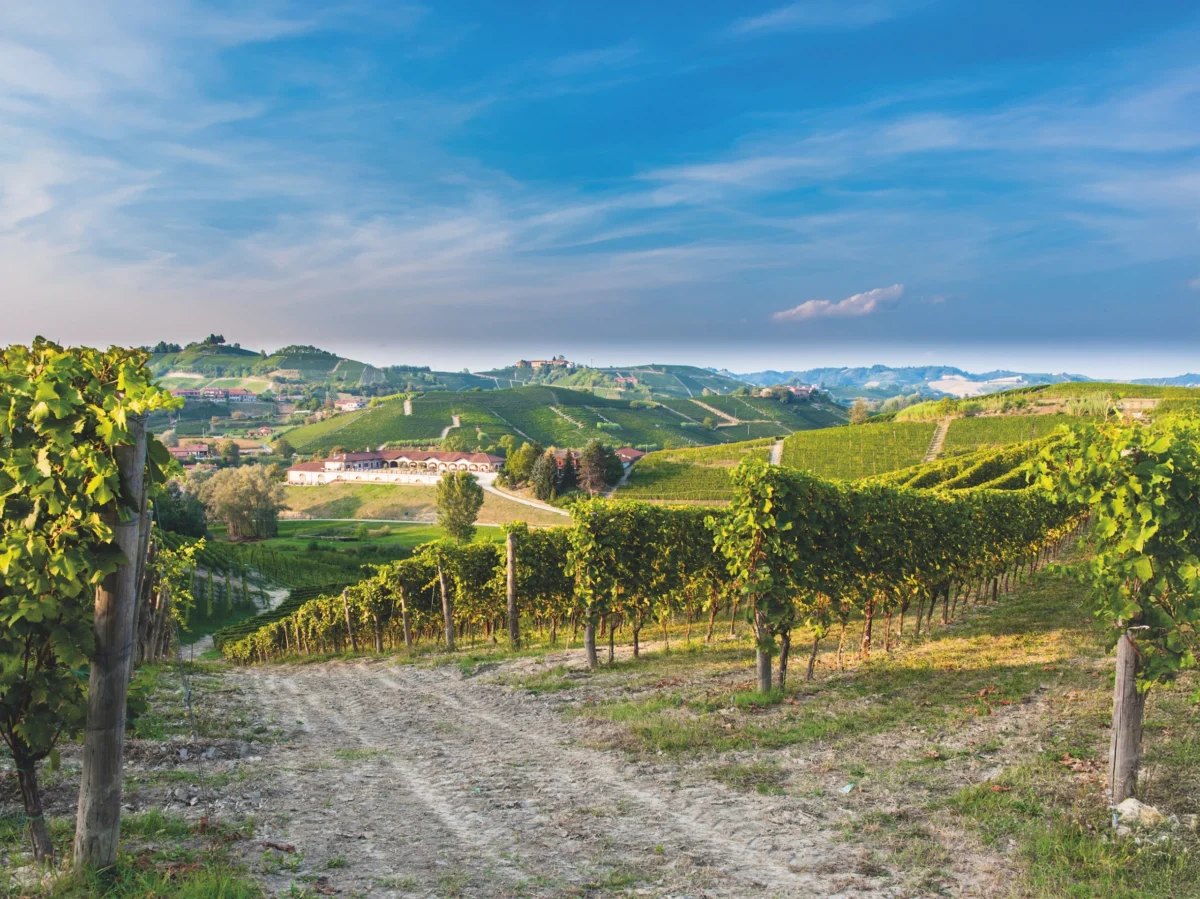
The launch of Cold Espresso is a significant milestone in the 50-year history of Segafredo Zanetti. Founded by Massimo Zanetti, the company is one of the few coffee entities in the world that maintains a fully integrated "farm-to-cup" supply chain. This vertical integration allows for strict quality control over the sourcing of green coffee from plantations in Brazil, Costa Rica, and Vietnam, through to the roasting facilities in the United States and Europe.
By leveraging this heritage, Segafredo is attempting to bridge the gap between traditional Italian craftsmanship and modern American "fast-casual" and "high-volume" requirements. Erica Beilenson, SVP of Marketing at MZB-USA, emphasized that the product was crafted as a "premium, high-performance ingredient." This suggests a move away from seeing coffee as a standalone beverage and toward viewing it as a versatile component in a broader gastronomic ecosystem.
Industry Implications and Future Outlook
The introduction of Segafredo Cold Espresso is likely to prompt a response from other major players in the commercial coffee space. As the boundaries between the "coffee shop" and the "cocktail bar" continue to blur, the demand for shelf-stable, high-quality extracts is expected to rise.
Industry analysts suggest that the next frontier for the beverage sector will be "consistency at scale." As consumers become more educated about coffee quality, they are less willing to accept subpar espresso in their cocktails, even in high-volume settings like stadiums or large-scale music festivals. Segafredo’s move to provide a "plug-and-play" solution that does not sacrifice the sensory experience of espresso puts them at the forefront of this shift.
The product is now available for nationwide distribution through foodservice and hospitality channels. As the industry enters the final quarter of the year, the success of Segafredo Cold Espresso will likely be measured by its adoption rate among large-scale hospitality groups and its ability to become a permanent fixture in the "speed rails" of the world’s most influential bars.
For an industry still recovering from the logistical disruptions of the past few years, the promise of "real espresso with zero operational headache" is more than just a marketing slogan—it is a necessary evolution in the pursuit of efficiency and profitability. Through this launch, Massimo Zanetti Beverage USA is not just selling coffee; they are selling a solution to a modern service crisis.