admin
admin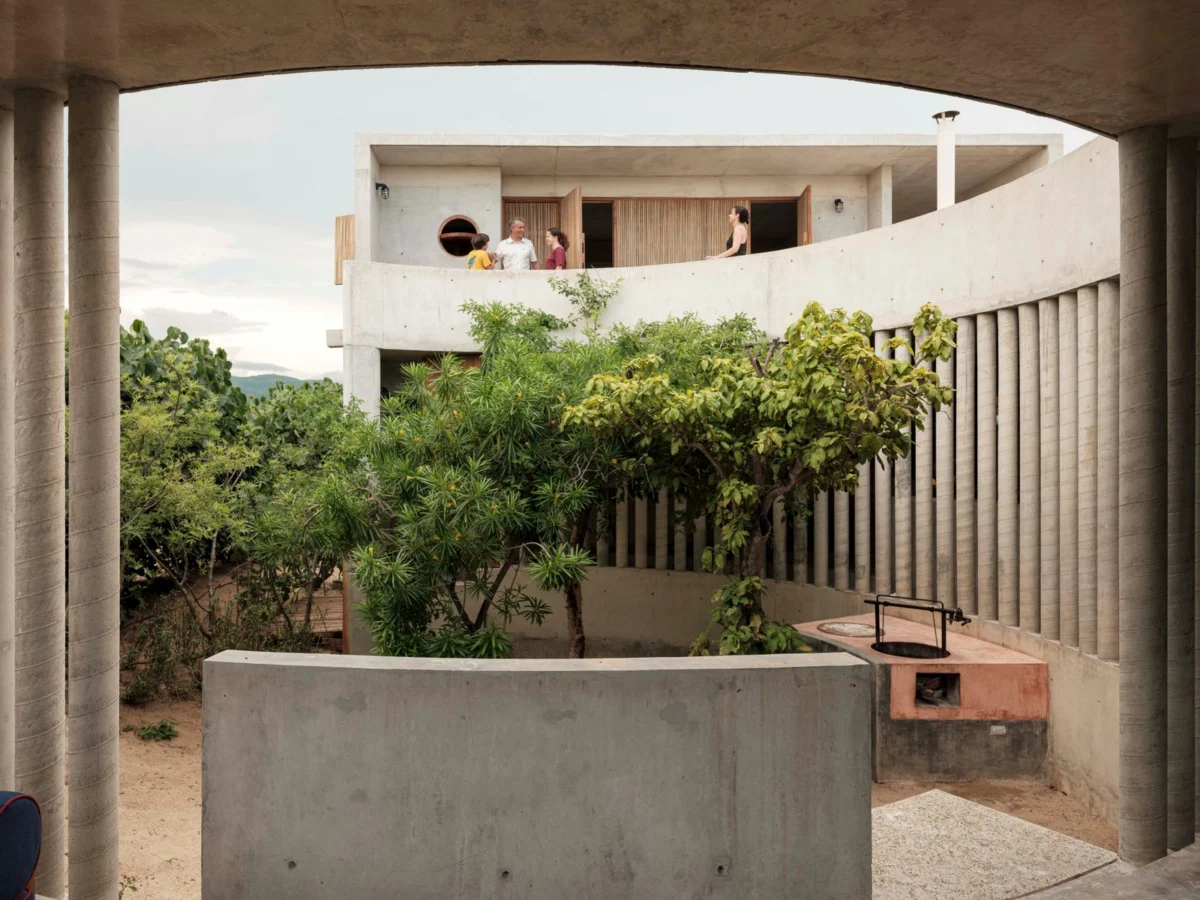
A Nexus of Design and Nature: Ana Lasala’s Vision for Coastal Oaxaca
Ana Lasala’s journey to coastal Oaxaca began with a professional commission that quickly evolved into a personal discovery. Tasked with creating a home for her friend, the acclaimed artist Deborah Castillo, Lasala immersed herself in the local environment, uncovering a synthesis of elements that she found both professionally stimulating and personally captivating. Her firm, Lasala and Lasala, is known for its ability to craft spaces that resonate with their surroundings, often employing a minimalist aesthetic that highlights natural materials and expansive views. The project in coastal Oaxaca, tentatively referred to as "Palapa Concreta" within architectural circles, serves as a testament to this philosophy, integrating modern design principles with the vernacular architecture and raw beauty of the Oaxacan coastline.
The Dwell feature, published in early 2025, served as a significant milestone, elevating the project and, by extension, the architectural potential of coastal Oaxaca onto an international stage. Dwell magazine, a leading authority in modern architecture and design, frequently spotlights residences that push boundaries while remaining deeply connected to their site. The decision to feature Lasala’s work underscores a growing trend towards appreciating design that is both visually striking and environmentally and culturally integrated. Lasala’s observation about the region’s "mix" — from world-class surfing to unparalleled cultural depth — offers a compelling narrative that challenges conventional notions of luxury, redefining it through direct engagement with natural beauty and an embrace of authentic simplicity.
The Genesis of "Palapa Concreta": A Collaborative Masterpiece
The residence designed by Ana Lasala for Deborah Castillo represents a pivotal architectural statement in coastal Oaxaca. While specific details of its design remain largely exclusive to Dwell+ subscribers, the inferred name "Palapa Concreta" suggests a fascinating juxtaposition: the traditional, organic form of a palapa, a thatched-roof structure common in coastal Mexico, reimagined through the enduring strength and contemporary aesthetic of concrete. This blend likely speaks to a design philosophy that honors local building traditions while introducing modern structural and material innovations. Such an approach allows for a deep connection to the regional identity, using locally sourced materials and construction techniques where possible, while simultaneously achieving a level of contemporary comfort and sophistication expected by international clients.
Deborah Castillo, the commissioning artist, is known for her provocative and often politically charged performance art and installations. Her decision to build a home in coastal Oaxaca suggests a desire for a sanctuary that could provide both inspiration and respite from the intensity of her artistic practice. Artists often seek environments that stimulate creativity and offer a profound connection to nature or culture. A home that embodies "luxurious contact with natural beauty" and "super simple and humble" living would undoubtedly appeal to an artist seeking an authentic experience that grounds their work. The collaboration between Lasala, the architect, and Castillo, the artist, likely resulted in a space that is not merely a dwelling but a living canvas, reflecting both the occupant’s creative spirit and the designer’s sensitivity to place. The Dwell feature undoubtedly highlighted how this architectural creation serves as both a home and an artistic muse, further cementing its significance.
Coastal Oaxaca: A Multifaceted Jewel Unveiled
Coastal Oaxaca, stretching along Mexico’s Pacific seaboard, is a region of immense diversity and burgeoning international appeal. Historically known for its fishing villages and surf breaks, it has steadily gained recognition as a destination that offers a rich tapestry of experiences, from extreme sports to profound cultural immersion. This evolution aligns perfectly with Lasala’s observations, painting a picture of a locale that defies easy categorization.
A Surfer’s Paradise and Architectural Frontier
The region’s fame as a surfing destination is primarily anchored by Puerto Escondido, home to the legendary Zicatela beach, often dubbed the "Mexican Pipeline" due to its powerful, barreling waves that attract professional surfers from around the globe. Beyond Zicatela, numerous other breaks cater to all skill levels, from beginner-friendly swells in La Punta to more challenging spots around Huatulco and Mazunte. This vibrant surf culture has cultivated a laid-back, international community, fostering a unique blend of local traditions and global influences. The economic impact of surf tourism is substantial, supporting local businesses ranging from surf schools and board rentals to beachfront restaurants and boutique accommodations.
Concurrently, coastal Oaxaca is rapidly emerging as an architectural frontier. Beyond Lasala’s project, a growing number of architects, both Mexican and international, are drawn to the region’s dramatic landscapes and the availability of skilled local craftsmanship. Projects frequently emphasize sustainable design, utilizing natural ventilation, local wood, adobe, and concrete, often in minimalist forms that frame the spectacular ocean views or integrate seamlessly with the tropical dry forest. Architects like Alberto Kalach, Ludwig Godefroy, and Tatiana Bilbao, though primarily known for their work elsewhere in Mexico, have inspired a new generation of designers who are exploring how modern aesthetics can harmonize with the environmental and cultural specificities of coastal Oaxaca. This architectural movement is characterized by a deep respect for the land, a commitment to passive design strategies, and an appreciation for the raw beauty of materials, echoing Lasala’s philosophy of luxurious simplicity.
Culinary Riches and Deep Cultural Roots
Oaxaca is widely celebrated as Mexico’s gastronomic capital, and its coastal region offers a distinct culinary experience that complements the fame of the state capital. While Oaxaca City is renowned for its seven moles, tlayudas, and mezcal distilleries, coastal Oaxaca boasts an abundance of fresh seafood. From grilled whole fish (pescado zarandeado) to succulent shrimp aguachiles and various ceviches, the ocean’s bounty is central to the local diet. Markets brim with exotic fruits, artisanal cheeses, and locally grown coffee, all contributing to a vibrant food scene that ranges from humble beachside palapas to sophisticated fine dining establishments. The appreciation for fresh, local ingredients reinforces the region’s commitment to an authentic and unpretentious lifestyle.
Culturally, coastal Oaxaca is incredibly rich, drawing from the deep indigenous heritage of the Zapotec and Mixtec peoples, whose traditions permeate daily life, art, and craftsmanship. While the visible indigenous presence might be less pronounced than in the central valleys, the influence is undeniable in the textiles, pottery, and culinary practices found throughout the region. Festivals, often tied to religious celebrations or harvest cycles, are vibrant affairs that showcase traditional music, dance, and elaborate costumes. This profound cultural depth provides a grounding authenticity, allowing visitors and residents alike to connect with a way of life that has been preserved for centuries. It is this blend of ancient traditions and contemporary influences that contributes to the "incredibly rich culturally" aspect Lasala highlighted.
The Allure of Natural Beauty and Authentic Simplicity
The natural beauty of coastal Oaxaca is breathtaking. Its coastline is a mosaic of secluded coves, expansive golden beaches, and dramatic cliffs overlooking the Pacific. The region is home to diverse ecosystems, including mangrove forests, tropical dry forests, and marine habitats teeming with biodiversity. Wildlife abounds, with opportunities for whale watching, sea turtle nesting observations, and bird watching. This direct, unmediated contact with nature forms the core of Lasala’s definition of luxury—a luxury that eschews ostentation in favor of sensory immersion and environmental appreciation.
Furthermore, the region maintains an authentic simplicity that resists the homogenizing forces of mass tourism. Despite its growing popularity, many communities retain a relaxed, unhurried pace of life. This "humble simplicity" is not a lack but rather an abundance of genuine experience, where interactions with locals are common, and the rhythms of nature dictate the day. It is this balance between awe-inspiring natural landscapes and a grounded, unpretentious lifestyle that creates the compelling contrast Lasala found so captivating.
Chronology of Discovery and Development
The journey of Ana Lasala’s involvement in coastal Oaxaca and the subsequent international recognition of her work follows a clear, albeit rapid, timeline:
- Circa 2022-2023: Ana Lasala first visits coastal Oaxaca, likely Puerto Escondido or a nearby area, after being commissioned by Deborah Castillo for a residential project. During this initial phase, she develops her profound appreciation for the region’s unique blend of culture, nature, and emerging architectural potential. Site selection and initial conceptual design for "Palapa Concreta" begin.
- Late 2023 – Early 2024: Design development and planning for Deborah Castillo’s residence intensify. Lasala and her team collaborate with local builders and artisans, integrating sustainable practices and regional materials into the design. Construction commences, navigating the specific challenges of coastal construction, including climate considerations and logistics.
- Late 2024 – Early 2025: The "Palapa Concreta" project reaches completion. Deborah Castillo begins to inhabit the space, allowing for final artistic and functional adjustments. The project begins to garner attention within architectural circles, leading to its submission and selection for publication.
- May/June 2025: Dwell magazine publishes its feature on Ana Lasala’s design for Deborah Castillo in coastal Oaxaca, bringing the project and the region to a global audience. The article likely details the architectural innovations, the collaborative process, and the unique aspects of the Oaxacan context that inspired the design.
- September 3, 2026: Ana Lasala provides her expansive reflections on coastal Oaxaca, articulating her deep connection to its "contrasting charms." This statement, published in a news article, further solidifies the region’s reputation as a destination for discerning travelers and design enthusiasts, reinforcing the impact of the Dwell feature and her personal advocacy.
This chronology illustrates a swift ascent from a professional commission to international recognition, highlighting the powerful combination of compelling design, an inspiring location, and strategic media coverage.
The Influence of Ana Lasala and Contemporary Mexican Architecture
Ana Lasala’s work in coastal Oaxaca is more than just a single project; it is indicative of broader trends in contemporary Mexican architecture and international design. Her philosophy, rooted in contextual sensitivity and a redefinition of luxury, positions her as a significant voice in this evolving landscape.
Redefining Luxury Through Contextual Design
Lasala’s approach to the Oaxaca project exemplifies a growing movement among architects to create luxury not through opulence, but through thoughtful engagement with a site’s specific characteristics. In an era of increasing environmental consciousness, designers are moving away from imported grandeur towards designs that are deeply rooted in their local context, utilizing regional materials, responding to climate, and respecting cultural heritage. This form of "contextual luxury" is about creating experiences that are authentic, sustainable, and intimately connected to the environment. For Lasala, this means designing spaces that allow inhabitants to fully experience Oaxaca’s natural beauty, its climate, and its cultural textures, rather than shielding them from it. Her emphasis on natural light, ventilation, and a seamless transition between indoor and outdoor spaces is a hallmark of this philosophy. This paradigm shift resonates with discerning clients who seek unique, meaningful, and environmentally responsible living experiences.
Deborah Castillo: Art and Environment in Harmony
The commissioning of "Palapa Concreta" by Deborah Castillo underscores the growing synergy between art and architecture, particularly in inspiring locations. Artists often seek spaces that are not merely functional but are themselves works of art, providing a stimulating environment for creative output and personal reflection. For an artist like Castillo, known for her critical engagement with societal issues, a home in coastal Oaxaca could represent a retreat where she can reconnect with fundamental elements of human experience and nature. The design of her home likely reflects her artistic sensibilities—perhaps a minimalist aesthetic that allows her own art to take center stage, or spaces designed for contemplation and immersion. The collaboration between an architect and an artist on such a personal project often leads to truly innovative and deeply resonant designs, where the lines between dwelling and artwork become blurred. This partnership highlights how architecture can serve as a vital component of an artist’s practice and lifestyle.
Broader Implications for Sustainable Tourism and Design
The attention garnered by Ana Lasala’s project and her insights into coastal Oaxaca carry significant implications for the region’s future, particularly concerning tourism, economic development, and the delicate balance required for sustainable growth.
Economic and Cultural Impact on Coastal Oaxaca
The visibility provided by publications like Dwell, combined with endorsements from influential figures like Ana Lasala, invariably drives increased interest in coastal Oaxaca. This heightened profile can translate into several economic benefits:
- Increased Tourism: More international visitors, particularly those interested in design, architecture, and cultural experiences, will flock to the region, boosting local economies dependent on hospitality, dining, and artisan crafts.
- Real Estate Investment: The demand for high-quality, architecturally significant properties is likely to rise, leading to increased investment in real estate and the development of more sophisticated accommodations.
- Local Employment: Growth in tourism and construction creates jobs for local residents, from skilled laborers and craftsmen to hospitality staff and guides.
- Cultural Exchange: Increased international presence fosters cultural exchange, potentially leading to greater appreciation and preservation of local traditions, as well as opportunities for local artists and artisans to reach broader markets.
However, this growth also presents challenges. Uncontrolled development can strain local infrastructure, displace communities, and degrade the natural environment that makes the region so appealing. The influx of foreign investment can drive up property values, making it difficult for locals to afford housing. Therefore, careful planning and robust regulatory frameworks are crucial to ensure that development benefits local communities and preserves the region’s unique character.
The Dwell Effect and Global Design Trends
The "Dwell effect"—the significant impact a feature in a prominent design magazine can have on a location or a designer’s career—is clearly at play here. By showcasing "Palapa Concreta" and Ana Lasala’s perspective, Dwell not only validates the project but also signals coastal Oaxaca as a destination for design innovation. This contributes to a broader global trend where discerning travelers and homeowners seek out architecturally significant properties in less-explored, culturally rich locations. These properties offer not just accommodation but an immersive experience, becoming destinations in themselves. This trend fuels a demand for architects who can design responsibly and beautifully within diverse cultural and environmental contexts, further solidifying the importance of contextual design.
Looking Ahead: Preserving Oaxaca’s Unique Charm
As coastal Oaxaca continues to gain international acclaim, the challenge lies in managing its growth responsibly to preserve the very "contrasting charms" that captivated Ana Lasala. The region’s future trajectory will depend on a collective commitment from developers, local authorities, and residents to foster sustainable practices. This includes promoting eco-tourism, supporting local businesses, investing in infrastructure that can handle increased demand, and implementing strict environmental protection policies.
The blend of surfing culture, a burgeoning architectural scene, rich gastronomy, and deep cultural roots, all set against a backdrop of breathtaking natural beauty, makes coastal Oaxaca a truly exceptional place. Ana Lasala’s articulate observations and her exemplary architectural contribution serve as a powerful reminder of the delicate balance between progress and preservation. Her work stands as a beacon for how thoughtful design can enhance a place’s intrinsic value, inviting the world to experience luxury not as an extravagance, but as a profound connection to authenticity and nature. The enduring appeal of coastal Oaxaca will undoubtedly continue to inspire designers, artists, and travelers alike, ensuring its place as a unique jewel on Mexico’s Pacific coast for years to come.