admin
admin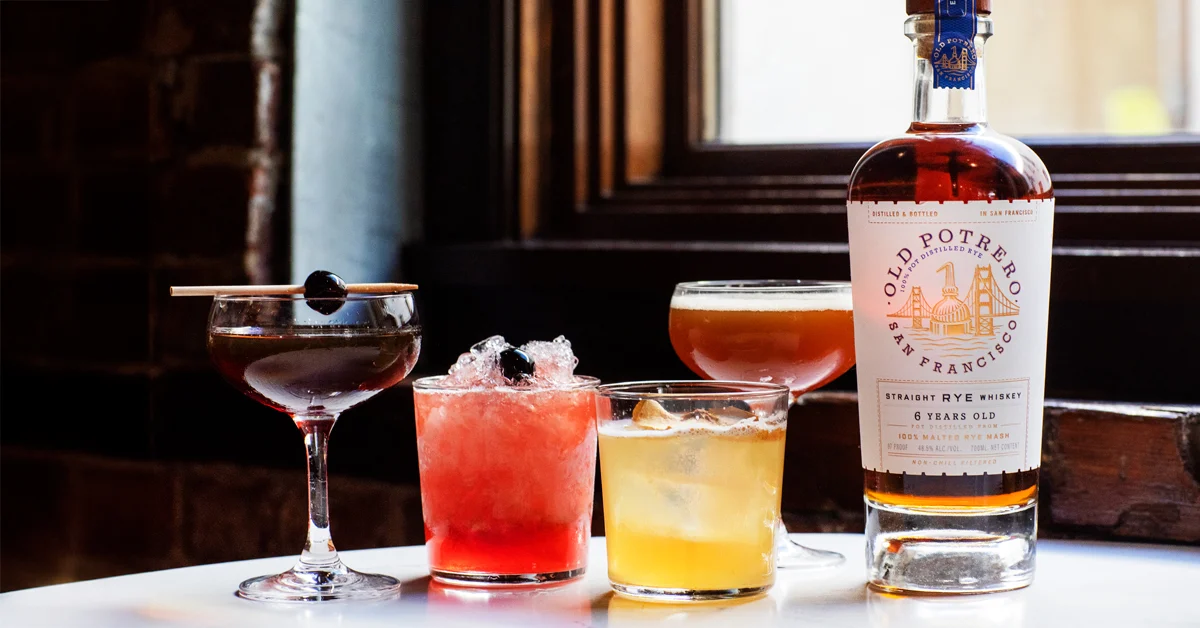
The era of the "beer geek" standing in sunrise lines for a limited-release case of hazy IPA is rapidly receding into the annals of beverage history, replaced by a complex landscape of shifting consumer preferences and economic volatility. According to the Brewers Association’s 2024 "Year in Beer" report, the American craft brewing industry faced significant headwinds over the last year, with 399 brewery closures and a 2% decline in overall production. As Gen Z consumers increasingly gravitate toward non-alcoholic options, THC-infused beverages, and ready-to-drink (RTD) cocktails, the traditional craft beer model is undergoing a profound transformation. For many of the nation’s most decorated breweries, the solution to stagnation is not found in more hops, but in the copper stills of the spirits industry.
The transition from brewing to distilling is a logical evolution rooted in both chemistry and commerce. At its core, whiskey begins its life as a mash—essentially a beer brewed without the addition of hops. This technical overlap has prompted industry leaders to leverage their existing infrastructure to capture a broader "share of throat" in a market where spirits have steadily gained ground on malt beverages.
The Evolution of the Modern Taproom
For JC Tetreault, co-founder of Boston’s Trillium Brewing, the realization that the brewery was nearly a distillery occurred early in the company’s lifespan. Founded in 2013, Trillium rose to prominence during the "hype" era of New England IPAs. However, Tetreault noted that approximately 90% of the processes required for whiskey production were already integrated into their brewing operations. This insight has led Trillium to diversify its portfolio far beyond the ales that built its reputation.
The strategic shift is not merely a reaction to declining beer sales but a proactive move to ensure long-term relevance. By expanding into spirits, breweries can offer a comprehensive beverage experience that appeals to a wider demographic. In Massachusetts, regulatory frameworks often require a separate distilling space and license, creating a high barrier to entry that nonetheless offers significant rewards. For Trillium, this has culminated in the creation of the Headroom Hi-Fi Cocktail Lounge, located above their Fort Point taproom. The space attracts a demographic that may have outgrown the "beer geek" culture or never engaged with it in the first place, offering house-made gin, vodka, rum, amaro, and liqueurs.
Technical Synergies and the Distilling Process
The technical bridge between brewing and distilling is the "wash" or "distiller’s beer." In a brewery, grains are mashed to convert starches into fermentable sugars, which are then boiled with hops and fermented with yeast. In a distillery, the hopping and boiling stages are omitted or modified. The resulting fermented liquid is then heated in a still to separate the alcohol from the water and solids.
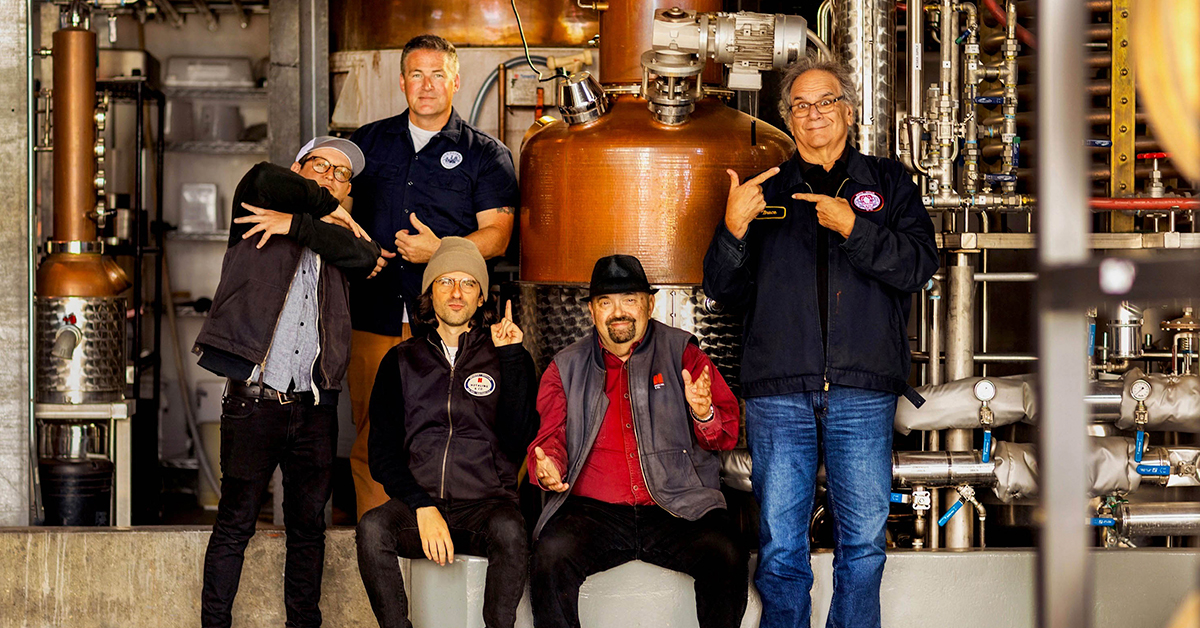
John Britton, who leads the distilling program at Tree House Brewing Company in Charlton, Massachusetts, emphasizes that high-quality spirits are dependent on the quality of the base mash. Tree House, arguably one of the most successful craft breweries in American history, began its distilling operations in 2021. Rather than purchasing neutral grain spirits (NGS) from industrial producers—a common practice in the spirits world—Tree House focuses on "grain to glass" production. Their Old Growth Bourbon and Rye are distilled from New England-grown grains, processed on the same brew decks that produce their world-renowned IPAs.
A Chronology of the Brewery-Distillery Hybrid
While the current wave of brewery-led distilleries feels like a recent trend, the movement has roots stretching back three decades. The timeline of this hybrid model reveals a slow-burning evolution that has only recently reached a boiling point.
- 1993: Anchor Brewing, often cited as America’s first modern craft brewery, established Anchor Distilling. They released Old Potrero, a single malt rye whiskey that aimed to recreate the spirits of the 18th and 19th centuries.
- 2003: Oregon-based Rogue Ales launched Rogue Spirits. The company eventually expanded to include its own cooperage, making it one of the few operations in the country to build its own barrels.
- 2005: New Holland Brewing in Michigan added distilling to its portfolio, successfully integrating bourbon and gin into its distribution network.
- 2006: Ballast Point Brewing in San Diego opened a distillery that would eventually become Cutwater Spirits. The success of the spirits arm was so significant that it was later acquired by Anheuser-Busch in 2019, while the brewery was sold separately.
- 2017: 3 Floyds Brewing in Indiana, known for its "not normal" metal-inspired branding, officially entered the spirits market with a focus on bold, malt-forward whiskeys like Bubblegumhead.
- 2021-Present: A surge of elite craft breweries, including Tree House, Trillium, and Finback, have launched sophisticated spirits programs to insulate themselves against the cooling beer market.
Economic and Market Pressures
The shift toward spirits is underscored by stark economic data. According to the Distilled Spirits Council of the United States (DISCUS), spirits have gained market share for 14 consecutive years, recently overtaking beer in total revenue for the first time in history. In 2023, spirits held a 42.1% share of the U.S. beverage alcohol market, while beer sat at 41.9%.
This trend is driven by several factors:
- Premiumization: Consumers are drinking "less but better," opting for high-end spirits and cocktails over volume-based beer consumption.
- The RTD Explosion: Ready-to-drink canned cocktails are the fastest-growing segment of the alcohol industry. Breweries, already equipped with canning lines and cold-storage logistics, are uniquely positioned to enter this space.
- Demographic Shifts: Younger consumers, particularly Gen Z, show a higher affinity for spirits and cocktails compared to the beer-centric preferences of Millennials and Gen X.
Chris Conroy, spirits category sales manager at Tree House, notes that canned cocktails like their Tom Collins and Paloma (made with house-distilled agave spirit) allow the brand to "bridge the divide" between beer and spirits. These products offer a familiar price point and format to beer drinkers while introducing them to the brewery’s spirits portfolio.
Regulatory Landscapes and Creative Challenges
Operating a distillery within a brewery framework is not without its complications. Laws vary significantly by state. In Massachusetts, for example, the "Farmer-Brewery" and "Farmer-Distillery" licenses provide a pathway for these operations but require strict adherence to sourcing and production standards.
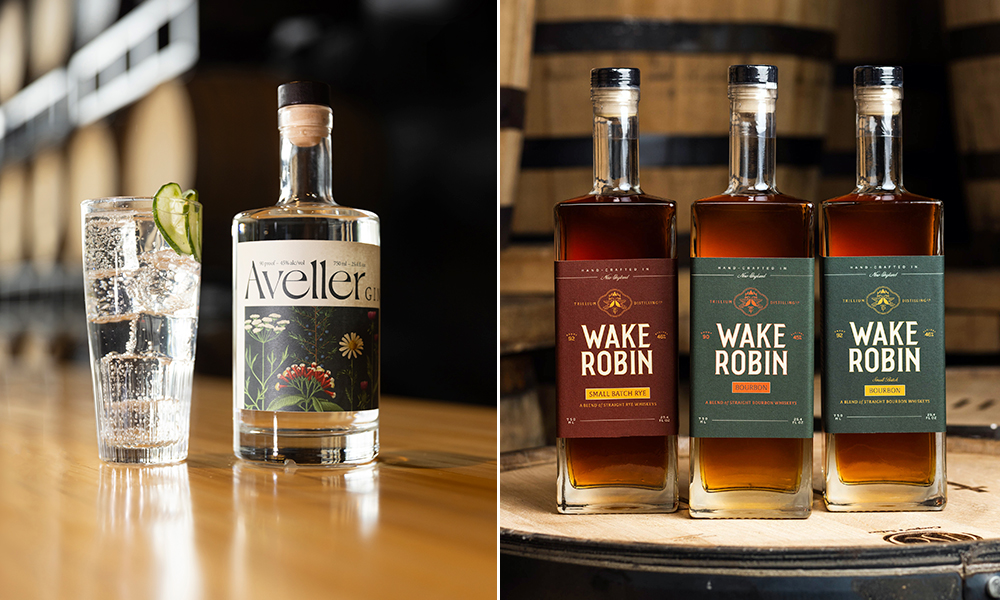
For JC Tetreault, the challenge is also creative. Producing a diverse range of spirits—each requiring different fermentation profiles, distillation cuts, and aging techniques—is a more complex discipline than brewing various styles of beer. Furthermore, to serve cocktails in their taprooms, many breweries are legally required to produce every component of the drink in-house. This has led to the production of niche items like orange liqueurs, vermouths, and amari, further expanding the brewery’s expertise.
In New York, Finback Brewing has leveraged its "Halftone Spirits" label to experiment with gin botanicals, sometimes incorporating the same hop varieties used in its beers to create a sensory link between the two categories. This cross-pollination of ingredients allows breweries to maintain their brand identity even as they venture into new aisles of the liquor store.
Broader Implications for the Industry
The "distillation pivot" suggests that the definition of a "craft brewery" is being rewritten. The industry is moving toward a "craft beverage company" model where the fermentation of malt is just one pillar of the business. This diversification provides a hedge against commodity price fluctuations—such as the rising cost of hops or aluminum—and allows businesses to remain flexible as consumer tastes evolve.
Moreover, the success of these programs has shown that brand loyalty in the craft beer world is portable. A consumer who trusts Tree House or Trillium to produce a world-class IPA is likely to trust them to produce a world-class bourbon. This built-in audience provides a significant advantage over "spirits-only" startups that must build brand equity from scratch.
As the market enters 2025, the breweries that thrive will likely be those that view themselves as creators of flavor rather than just producers of beer. The integration of spirits allows these heritage craft brands to capture new audiences, revitalize their physical spaces, and navigate a decade defined by "sober-curious" trends and a move away from traditional alcohol consumption patterns. For the modern brewery, the path forward is clear: to stay relevant in the pint glass, they must also find a home in the cocktail shaker.