admin
admin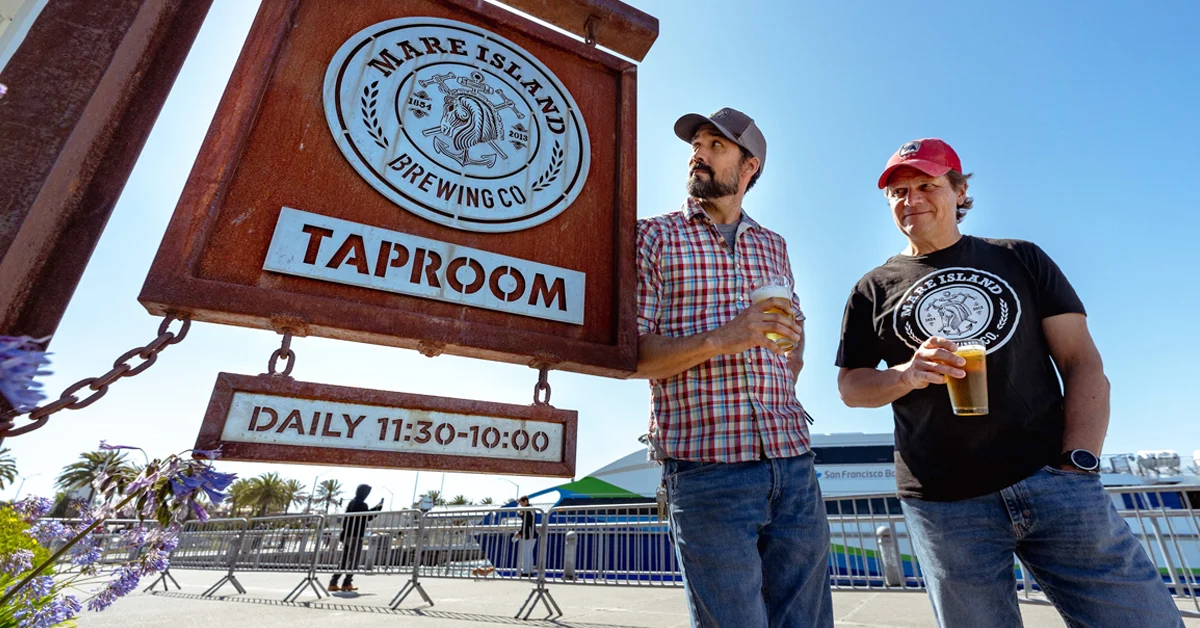
In the specialized world of premium viticulture, where the nuances of soil, climate, and oak aging define a vintage, there exists a long-standing industry adage that "it takes a lot of beer to make good wine." While often dismissed as a lighthearted joke among cellar hands, the phrase underscores a profound cultural and technical intersection between the brewing and winemaking sectors. In California, the nation’s epicenter for both craft beer and wine production, this crossover is not merely a matter of consumption but a professional evolution for a growing number of artisans who have mastered both the vine and the grain.
The phenomenon of the winemaker-brewer is particularly prevalent in regions like Napa Valley, Sonoma County, and Paso Robles, where the infrastructure for high-end fermentation is already established. For professionals like Sherman Thacher, Kent Fortner, Ryan Gibbons, and Remy Martin, the transition between these two worlds is driven by a combination of sensory science, historical reverence, and a desire for creative flexibility that the rigid, seasonally-bound world of wine sometimes lacks.
The Sensory Science of the Palate Cleanser
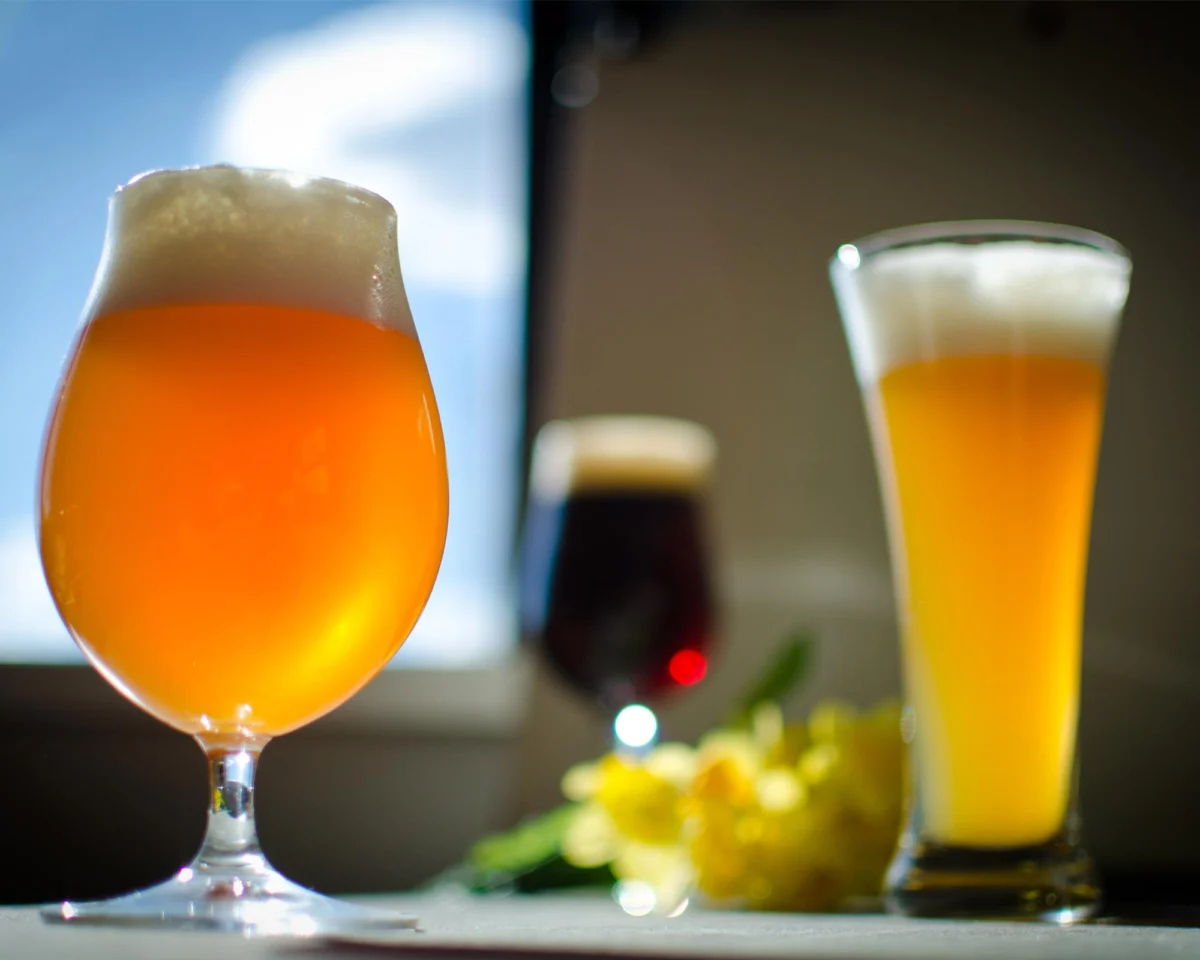
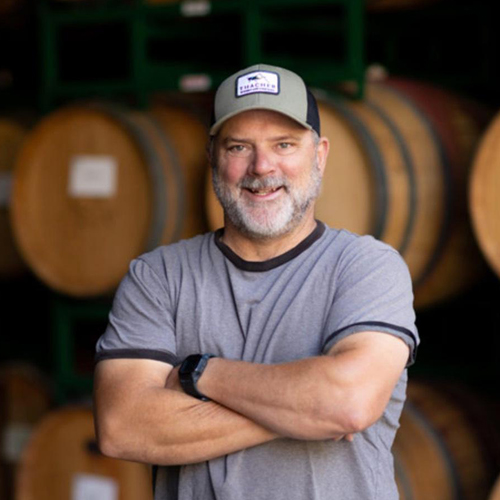
The preference for beer among winemakers, particularly during the grueling harvest season known as "the crush," is rooted in sensory physiology. After a day spent tasting high-acid, high-tannin musts and wines, the palate becomes fatigued. Sherman Thacher, the winemaker behind Thacher Winery in Paso Robles, notes that beer serves as the ultimate "refreshing palate cleanser."
From a chemical perspective, the high acidity and astringent tannins in wine can overwhelm the taste buds. Beer, which typically features a lower pH, refreshing carbonation, and a different spectrum of bitterness derived from hops rather than grape skins, provides a "reset" for the sensory system. Thacher’s perspective is informed by a rare dual-competency; before establishing his reputation in the wine world, he served as a brewmaster at Los Gatos Brewing Company from 1992 to 2006, specializing in traditional German-style lagers and ales. This background allowed him to appreciate the technical precision required for brewing, which he now applies to his cuvées on the Central Coast.
The Mare Island Connection: From Napa Crush Pads to Historic Shipyards
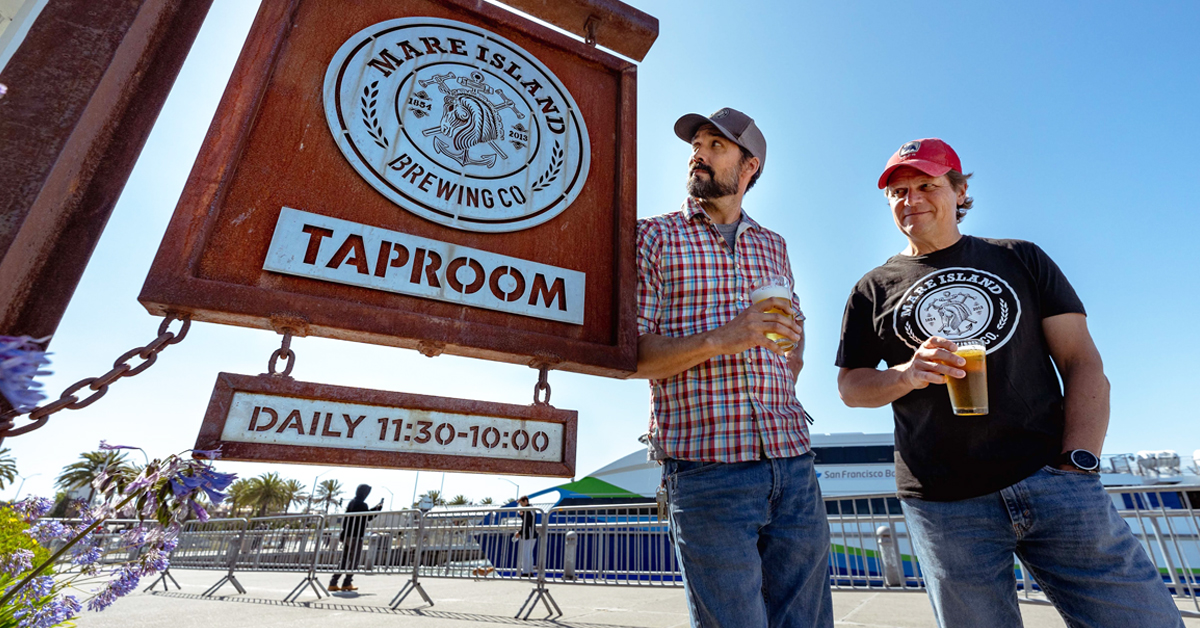
The professional trajectory of Kent Fortner and Ryan Gibbons provides a quintessential example of how winemaking skills translate into the craft beer market. The duo first met on a Napa Valley crush pad, the site where grapes are received and processed. While their initial bond was forged in the vineyard, their shared interest in fermentation eventually led to the founding of Mare Island Brewing Co. in 2013.
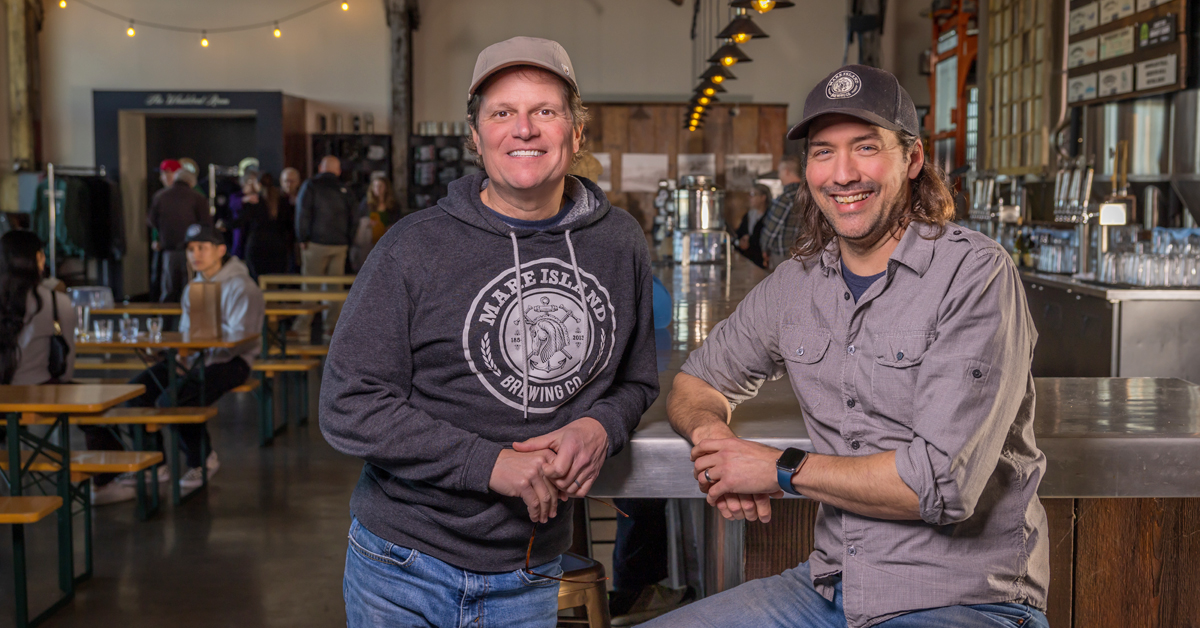
The brewery’s identity is inextricably linked to the history of the West Coast. Its first production, Saginaw Golden Ale, was named after the first ship built at the Mare Island Naval Shipyard, which was established in 1854 as the first U.S. naval installation on the Pacific. The shipyard’s decommissioning in 1996 left behind a rich architectural and cultural legacy that Fortner and Gibbons have integrated into their brand.
Despite the success of their three locations—the Ferry Taproom in Vallejo, the Coal Shed Brewery on the Mare Island waterfront, and the First Street Taproom in Benicia—the influence of the vineyard remains. Fortner continues to operate Road 31 Wine Co., a boutique operation that has produced a singular Napa Valley (Carneros) Pinot Noir for over two decades. His commitment to the vine is absolute, famously stating that his pruning shears would have to be pried from his "cold, dead hands."
For Gibbons, the move to brewing represented a "lane change" within the broader field of fermentation. After transitioning to a full-time role at the iconic Lagunitas Brewing Co. in Petaluma, he found that the beer industry offered a level of community and creative flexibility that differed from the high-pressure, once-a-year nature of winemaking. This "winemaking lens" is now a core component of Mare Island’s marketing strategy, which eschews the often-cheeky or aggressive aesthetics of craft beer in favor of a more elegant, wine-inspired brand identity.
Educational Foundations: The UC Davis Influence
The bridge between beer and wine in California is reinforced by world-class educational institutions, most notably the University of California, Davis. Recognized globally for its Department of Viticulture and Enology, UC Davis also hosts one of the most prestigious Master Brewers Programs in the world.
Remy Martin, co-founder of Fogbelt Brewing in Sonoma County, followed this academic path. Despite being the son of the late Dennis Martin, a legendary winemaker who spent 30 years at Fetzer Vineyards, the younger Martin found himself drawn to the "rare treat" of beer. Alongside co-founder Paul Hawley, Martin began homebrewing while working a grape harvest in New Zealand—a common rite of passage for young winemakers.
The technical rigor of the UC Davis program ensures that crossover professionals like Martin bring a high level of scientific discipline to their breweries. While wine is often described as more "resilient" due to its higher alcohol content and lower pH, the attention to detail required in brewing—where the risk of spoilage and off-flavors is high—often makes for better winemakers.
Comparative Fermentation: Consistency vs. Vintage Variation
One of the most significant distinctions between the two industries lies in the philosophy of the final product. In the wine world, "vintage variation" is celebrated. Each year’s weather patterns, soil moisture, and heat spikes are expected to leave a unique fingerprint on the wine. A winemaker’s job is to interpret the year, not necessarily to replicate the previous one.
In contrast, craft beer is largely built on the promise of consistency. Remy Martin points out that consumers expect a specific beer to taste the same every time they purchase it, regardless of when it was brewed. This requires a different set of skills: the ability to manage raw materials (hops and grain) that may vary slightly while maintaining a static flavor profile.
Furthermore, the production cycles differ wildly. Winemaking is a seasonal endeavor, with the bulk of the labor concentrated in the autumn months. Brewing is a year-round constant. This perpetual cycle of production allows brewers more opportunities to iterate and experiment, whereas a winemaker may only have 30 or 40 "vintages" in their entire career to perfect their craft.
Economic Synergy and the "Total Beverage" Market
The rise of the winemaker-brewer reflects a broader trend in the California beverage economy. According to data from the Wine Institute, California produces over 80% of U.S. wine, contributing more than $170 billion annually to the national economy. Simultaneously, the California Craft Brewers Association reports that the state’s 1,100+ craft breweries contribute approximately $9 billion to the state’s economy.
The overlap between these two sectors is increasingly visible in the "total beverage" approach to hospitality. At Mare Island’s taprooms, it is common to see Fortner’s Road 31 Pinot Noir served alongside Saginaw Golden Ale. Similarly, collaborations with local wineries like Fifth Hill in Sonoma allow breweries to offer a diverse portfolio that appeals to a wider demographic of tourists and locals alike.
This synergy also extends to the supply chain. Both industries rely on specialized stainless steel fermentation tanks, temperature-controlled storage, and high-speed bottling or canning lines. In regions like Sonoma and Paso Robles, mobile bottling lines and shared warehouse spaces often serve both wineries and breweries, creating an integrated fermentation ecosystem.
Broader Implications for the Industry
The cross-pollination of beer and wine expertise is likely to accelerate as the beverage industry faces new challenges, including climate change and shifting consumer preferences. Winemakers are increasingly looking toward beer’s "creative flexibility"—such as the use of fruit infusions, barrel-aging techniques, and lower-alcohol "session" styles—to attract younger drinkers who may find traditional wine culture intimidating.
Conversely, the craft beer industry continues to borrow from the wine world’s emphasis on "terroir" and "vintage." The growing popularity of spontaneous fermentation, coolship-cooled ales, and grape-ale hybrids (beers brewed with wine grapes) suggests that the boundary between the two beverages is becoming increasingly porous.
As Ryan Gibbons of Mare Island notes, the shift toward lower-alcohol, refreshing beverages is a reflection of a maturing market. Whether it is a winemaker seeking a "cold, bubbly" respite after a day in the cellar or a brewer applying enological principles to a barrel-aged sour, the exchange of ideas between these two crafts is enriching the quality and diversity of California’s beverage landscape.
Ultimately, the convergence of grapes and grains in the Golden State is a testament to the universal nature of fermentation. While the raw materials and the marketing strategies may differ, the fundamental goal remains the same: the transformation of agricultural products into a sensory experience that reflects a sense of place. As long as the "beer continues to flow" in the wineries and the "winemaking lens" continues to sharpen the focus of the breweries, California’s position as a global leader in fermentation remains secure.