admin
admin
As September 5th approaches, marking the annual observance of National Cheese Pizza Day, the culinary world turns its attention to a dish that is deceptively simple yet profoundly complex: the plain cheese pizza. This year, the spotlight shines brightly on Kevin Moreira, whose mastery of this fundamental offering earned him the coveted Best Cheese Slice division title at the prestigious International Pizza Expo held in March. Moreira’s victory is not merely a personal triumph but a testament to the enduring appeal and potential for excellence within the foundational elements of pizza making. His achievement underscores a broader industry conversation about quality, technique, and the critical role of cheese in crafting an unforgettable slice.
A Champion’s Triumph and a National Celebration
National Cheese Pizza Day serves as a celebratory occasion for one of the world’s most beloved comfort foods. While the exact origins of this holiday remain somewhat informal, its growing recognition reflects the universal affection for the classic combination of dough, sauce, and cheese. For pizzerias and consumers alike, it’s a day to honor tradition, explore variations, and perhaps, as Moreira has demonstrated, push the boundaries of what a "simple" cheese pizza can be.
The International Pizza Expo: A Global Stage
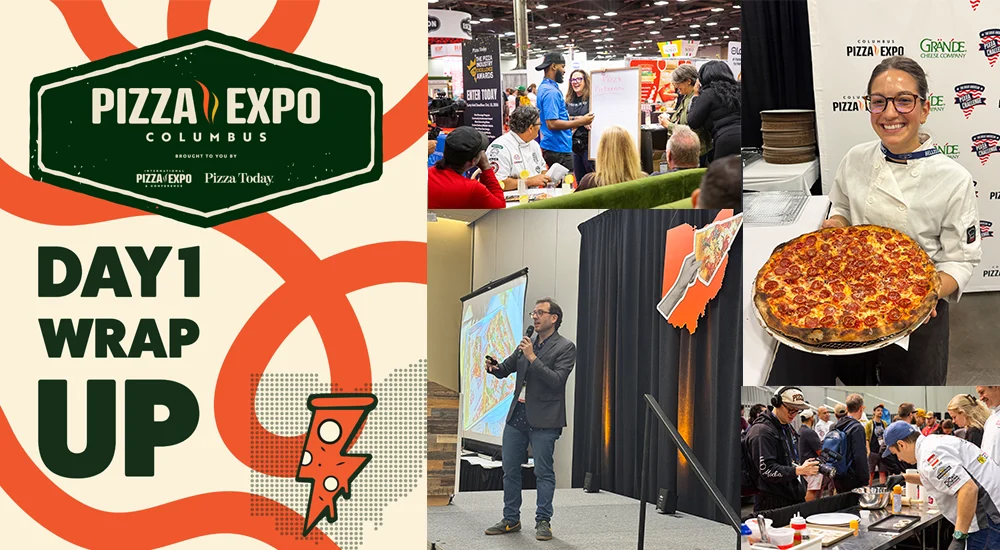
The International Pizza Expo stands as the premier event for the global pizza industry, drawing thousands of attendees, exhibitors, and competitors from around the world annually. Held in Las Vegas, this massive convention serves as a crucial hub for innovation, education, and networking. It’s where industry professionals discover new products, learn about emerging trends, attend seminars led by experts, and witness the fierce competition of the International Pizza Challenge.
The International Pizza Challenge is the pinnacle of pizza-making competitions, divided into several categories that test a pizzaiolo’s skill across various styles. These categories typically include Traditional, Neapolitan, Pan, Non-Traditional, and the highly competitive Best Cheese Slice. Winning any division in the International Pizza Challenge confers significant prestige, signaling a pizzaiolo’s exceptional talent and dedication to their craft. The judges, often esteemed figures within the culinary and pizza communities, evaluate entries based on a rigorous set of criteria including crust, sauce, cheese, toppings, overall taste, and presentation. For a category as seemingly straightforward as "Best Cheese Slice," the nuances of each component become magnified, demanding absolute perfection in execution.
Kevin Moreira: Crafting the World’s Best Cheese Slice
Kevin Moreira’s victory in the Best Cheese Slice category at the International Pizza Challenge was a highlight of the 2026 International Pizza Expo. Operating Boa Bakery in Ontario, Canada, Moreira brings a unique perspective to pizza making, deeply rooted in the art of artisanal baking. His approach to the classic cheese slice, which he describes as preferring to "keep it simple and let the dough do the talking," resonated profoundly with the judges.
Moreira’s winning formula hinged on several meticulously executed elements. Central to his success was a 72-hour sourdough, a testament to his expertise in fermentation and dough development. The extended fermentation period of sourdough not only imparts a complex, nuanced flavor profile but also contributes to a superior crust texture—crisp on the outside, airy and chewy within. This dough was carefully stretched to a precise 16 inches and baked on a pizza stone, a technique known for achieving an incredibly even and consistent bake, resulting in a perfectly charred bottom and a structural integrity capable of supporting the toppings without becoming soggy.
For his sauce, Moreira chose a simple yet elegant preparation: tomato sauce made with fresh basil and olive oil. This minimalist approach allows the natural sweetness and acidity of the tomatoes to shine, complemented by the aromatic freshness of basil and the subtle fruitiness of high-quality olive oil. The cheese layer consisted of whole-milk mozzarella, carefully selected for its superior melt characteristics, rich flavor, and the ideal amount of browning it achieves when baked. A final scattering of fresh basil completed the ensemble, adding a vibrant visual appeal and an aromatic flourish that tied all the elements together.
Moreira’s background as a baker at Boa Bakery presents an interesting operational model. Because the bakery’s ovens are primarily dedicated to other dough-based items like breads, cinnamon rolls, and turnovers, pizza runs are necessarily short and infrequent. This scarcity has inadvertently created an exclusive demand, with pre-orders for his pizzas often selling out quickly. This scarcity, combined with the proven quality of his product, has cultivated a loyal following and elevated the perception of his pizza beyond a mere menu item to a sought-after culinary experience. His triumph at the International Pizza Expo has undoubtedly further amplified this demand, cementing his reputation as a master of his craft.
The Art and Science of Pizza Cheese
For pizzeria owners, the "simple" cheese pizza is anything but. It represents a complex interplay of ingredients, techniques, and business decisions that can profoundly impact profitability and customer satisfaction. The choice of cheese, in particular, is a critical factor that dictates flavor, texture, and visual appeal.

The Mozzarella Dilemma: Whole-Milk vs. Part-Skim
Mozzarella is the undisputed king of pizza cheeses, but even within this category, choices abound. Pizzeria owners must decide between whole-milk mozzarella, part-skim mozzarella, or a blend of both. Each option presents distinct characteristics:
- Whole-Milk Mozzarella: Favored by many artisanal pizzerias and traditionalists, whole-milk mozzarella boasts a higher fat content. This translates to a richer, creamier flavor, a more elastic melt, and a beautiful golden-brown blister when baked. The increased fat also helps prevent the cheese from drying out too quickly, contributing to a more tender texture. However, its higher moisture and fat content can sometimes lead to more oil separation (greasing out) and a slightly softer texture if not handled correctly. Moreira’s choice of whole-milk mozzarella for his winning slice highlights its premium qualities.
- Part-Skim Mozzarella: With a lower fat content, part-skim mozzarella offers a firmer texture and a less oily melt. It tends to brown more evenly and crisply, and its reduced moisture helps prevent the pizza from becoming soggy, especially in high-volume operations where pizzas might sit for a short period before serving. While it might lack some of the creamy richness of whole-milk varieties, it is often preferred for its consistency and ability to hold up well under various cooking conditions.
- Blends: Many pizzerias opt for a blend of whole-milk and part-skim mozzarella to achieve a balance of flavor, texture, and performance. A 50/50 blend, for instance, can offer the creaminess of whole-milk with the structural integrity and even browning of part-skim, providing a versatile and cost-effective solution. The decision often comes down to the specific style of pizza being made, the oven type, and the desired customer experience.
Block vs. Shredded: Operational Efficiency vs. Quality
Another significant consideration for pizzeria operators is whether to purchase cheese in large blocks and shred it in-house, or to opt for pre-shredded varieties.
- Block Cheese: Shredding cheese in-house offers several advantages. Firstly, it often leads to cost savings on a per-pound basis compared to pre-shredded options. Secondly, freshly shredded cheese typically has a superior flavor and texture. It melts more uniformly and produces a creamier, stretchier result because it hasn’t been treated with anti-caking agents (like cellulose powder) often found in pre-shredded products. These anti-caking agents, while preventing clumping, can slightly alter the melt characteristics and flavor. Thirdly, in-house shredding allows for greater control over the shred size, which can impact melt time and coverage.
- Pre-Shredded Cheese: The primary benefit of pre-shredded cheese is convenience and labor savings. It eliminates the need for specialized equipment and staff time dedicated to shredding, making it an attractive option for high-volume establishments or those with limited kitchen space and labor resources. While some argue that pre-shredded cheese compromises on quality, advancements in food processing have led to better quality pre-shredded options, and for many, the operational efficiencies outweigh the subtle differences in taste and texture. The choice ultimately depends on a pizzeria’s operational philosophy, budget, and commitment to a specific level of product quality.
The Alchemy of Cheese Blends
Beyond the mozzarella choice, developing a proprietary cheese blend is a powerful way for pizzerias to differentiate their classic cheese pie. A thoughtfully crafted blend can introduce layers of flavor, enhance texture, and create a unique sensory experience that sets a pizza apart from competitors. Common cheeses used in blends include:
- Provolone: Adds a sharper, tangier note and a firmer texture when melted. Smoked provolone can impart a distinct smoky flavor.
- Cheddar: Contributes a nutty, sharp flavor and a slightly oilier melt. It can add color and depth to the cheese layer.
- Fontina: Known for its creamy texture and mild, nutty flavor, fontina melts beautifully and adds a luxurious richness.
- Asiago: Offers a pungent, salty, and slightly nutty flavor, particularly aged Asiago. It can be used sparingly to add complexity.
- Parmesan/Pecorino Romano: Often used as finishing cheeses, but can also be incorporated into blends for a salty, umami kick and a firmer texture.
The art of blending involves understanding how each cheese contributes to the overall profile—balancing sharpness with creaminess, elasticity with firmness, and varying melting points to achieve the desired consistency. A successful blend creates a harmonious flavor profile that is more than the sum of its parts, becoming a signature element of the pizzeria’s offering.
Finishing Touches: Elevating Flavor and Aesthetics
While the primary cheese layer forms the foundation, finishing cheeses offer an opportunity to elevate the flavor and visual appeal of a pizza. Beyond the ubiquitous grated Parmesan, champion pizza makers utilize a range of techniques and cheeses:
- Freshly Grated Cheeses: Applying freshly grated Parmesan, Pecorino Romano, or Grana Padano immediately after the pizza comes out of the oven adds a burst of sharp, salty flavor and a delicate texture that contrasts with the melted mozzarella. These cheeses are often used on seasonal pies or gourmet offerings to enhance specific flavor profiles.
- Piped-On Cheeses: Techniques like piping dollops of fresh ricotta, burrata, or even a house-made cheese sauce onto a finished pizza add creamy texture, visual interest, and a fresh dairy note. This method is particularly effective for creating Instagram-worthy pies, where presentation is as important as taste.
- Crumbled Cheeses: Crumbled goat cheese, feta, or blue cheese can introduce tangy, salty, or pungent notes that complement other toppings.
- Aromatic Cheeses: Using a delicate shaving of a strong, aromatic cheese like truffle pecorino can impart an intense aroma and flavor without overpowering the entire pizza.
These finishing touches transform a basic cheese pizza into a sophisticated culinary creation, demonstrating the pizzaiolo’s attention to detail and commitment to flavor innovation.
Strategic Pricing: The "Extra Cheese" Conundrum
For consumers, "extra cheese" is a simple request, but for pizzeria owners, it’s a critical pricing decision. Calculating an appropriate surcharge for additional cheese requires careful consideration of several factors:
- Ingredient Cost: The most direct factor is the actual cost of the extra cheese. Operators need to know their per-ounce or per-pound cost of mozzarella and factor in the average amount added for an "extra cheese" order.
- Perceived Value: Consumers expect to pay more for extra cheese, but there’s a limit to what they perceive as fair. A surcharge that is too high might deter sales, while one that is too low could erode profit margins.
- Competitive Pricing: Pizzerias must be aware of what competitors in their market are charging for extra cheese. Pricing too far above or below the market average can send the wrong signal.
- Profit Margins: Ultimately, the surcharge must contribute positively to the pizzeria’s profit margins. Cheese is a significant food cost, often representing a substantial portion of a pizza’s ingredient expense. A well-calculated surcharge ensures that offering extra cheese remains profitable.
- Operational Impact: Adding extra cheese can sometimes increase bake time slightly or require more careful handling, though this impact is usually minimal.
Many pizzerias use a tiered pricing system for toppings, including extra cheese, based on the size of the pizza. For example, a small pizza might have a $1.50 extra cheese charge, a medium $2.00, and a large $2.50. This approach aligns the cost with the quantity of cheese added and the base price of the pizza.
Redefining the Classic: Next-Level Cheese Pizza Culinary
The perception of a cheese pizza as merely a basic offering is increasingly being challenged by culinary innovators who are reinventing this staple. The original article highlights several examples of such elevated approaches.
Reinventing the Staple: Inspirations from Masters
The recipe for "Reinventing the Cheese Pizza" draws inspiration from figures like Franco Pepe, a renowned pizzaiolo known for his revolutionary approach to Neapolitan pizza. Pepe’s philosophy emphasizes the quality of individual components—exceptional dough, exquisite tomato sauce, and carefully selected cheeses—and their harmonious interaction. The "Reinventing" recipe, while retaining the core elements of dough, tomato sauce, and cheese, seeks to transcend their individual identities, creating a result "so much greater than the sum of its parts." This involves meticulous attention to ingredient sourcing, precise fermentation, and thoughtful assembly, turning a familiar dish into a gourmet experience. It speaks to a growing trend in the industry where even the simplest menu items are given a high-art treatment.

The Multi-Cheese Symphony: Bold Flavor Profiles
The "Royale With Cheese" recipe takes a decidedly maximalist approach, incorporating seven different cheeses. This audacious blend is designed to create a rich, complex, and intensely flavorful experience. While a bold move for any menu, such a creation demonstrates the versatility of cheese and its potential to build intricate flavor profiles. The challenge lies in ensuring that each cheese contributes harmoniously without overwhelming the palate, creating a symphony rather than a cacophony of flavors. Pizzerias considering such an adventurous offering would typically test it extensively on a small scale to gauge customer reaction and perfect the balance before a full menu integration.
Visual Gastronomy: The Art of Presentation
Chris Decker’s "Three Cheeses to the Rescue" recipe emphasizes the aesthetic dimension of pizza making. Decker, known for his artistic approach, transforms a basic cheese pizza into a "work of art that belongs as much on a museum wall as it does on your plate." This highlights a significant aspect of modern gastronomy: the visual appeal of food. Through careful placement, contrasting colors, and perhaps varied textures, a simple cheese pizza can become a visually stunning dish. This focus on presentation is particularly relevant in the age of social media, where visually appealing food is highly shareable and can drive significant customer interest and engagement. Decker’s work suggests that even the most fundamental dishes can be subjects for culinary artistry.
Implications for the Pizza Industry and Beyond
Kevin Moreira’s victory and the ongoing discourse around the "business of cheese" and advanced pizza recipes carry significant implications for the broader pizza industry.
The Impact of National Cheese Pizza Day
National Cheese Pizza Day, while a lighthearted observance, offers a substantial marketing opportunity for pizzerias. It provides a natural hook for promotional campaigns, special offers, and limited-time menu items. Businesses can leverage the holiday to:
- Drive Traffic: Offer discounts on cheese pizzas or special bundles.
- Showcase Innovation: Introduce a new signature cheese blend or an elevated cheese pizza recipe.
- Engage on Social Media: Run contests, share behind-the-scenes content of their cheese-making process, or highlight their unique cheese selections.
- Educate Customers: Share information about the quality of their ingredients or the craft behind their cheese pizzas.
The growing popularity of such food holidays underscores a consumer trend towards celebrating specific dishes and ingredients, offering pizzerias a chance to connect with their audience on a thematic level.
Future Trends: A Blend of Tradition and Innovation
Moreira’s win for the "Best Cheese Slice" with a simple, high-quality approach, juxtaposed with the industry’s exploration of complex cheese blends and artistic presentations, points to a fascinating trajectory for the future of pizza. It suggests a dual emphasis:
- Return to Artisanal Roots: A renewed appreciation for foundational elements like sourdough crusts, quality tomato sauces, and premium, whole-milk mozzarella. This trend values craftsmanship, fermentation science, and the nuanced flavors derived from superior ingredients.
- Creative Innovation: A continued drive to experiment with new cheese combinations, advanced culinary techniques, and visually striking presentations. This pushes the boundaries of what a pizza can be, catering to adventurous palates and the demand for unique dining experiences.
The industry will likely see a blend of these two forces, with pizzerias finding success by either perfecting the classics with an uncompromising commitment to quality, or by boldly innovating while maintaining a strong foundation of traditional understanding.
This coming Saturday, as National Cheese Pizza Day arrives, pizzerias have a unique opportunity to reflect on these trends. Whether it’s by refining their classic cheese pie, experimenting with new blends, or creating a visually stunning masterpiece, the goal remains the same: to craft a cheese pizza special that captivates customers and honors the simple yet profound joy of this universally beloved dish. The journey starts with a deep understanding of cheese and a commitment to excellence, echoing the philosophy of champions like Kevin Moreira.