admin
admin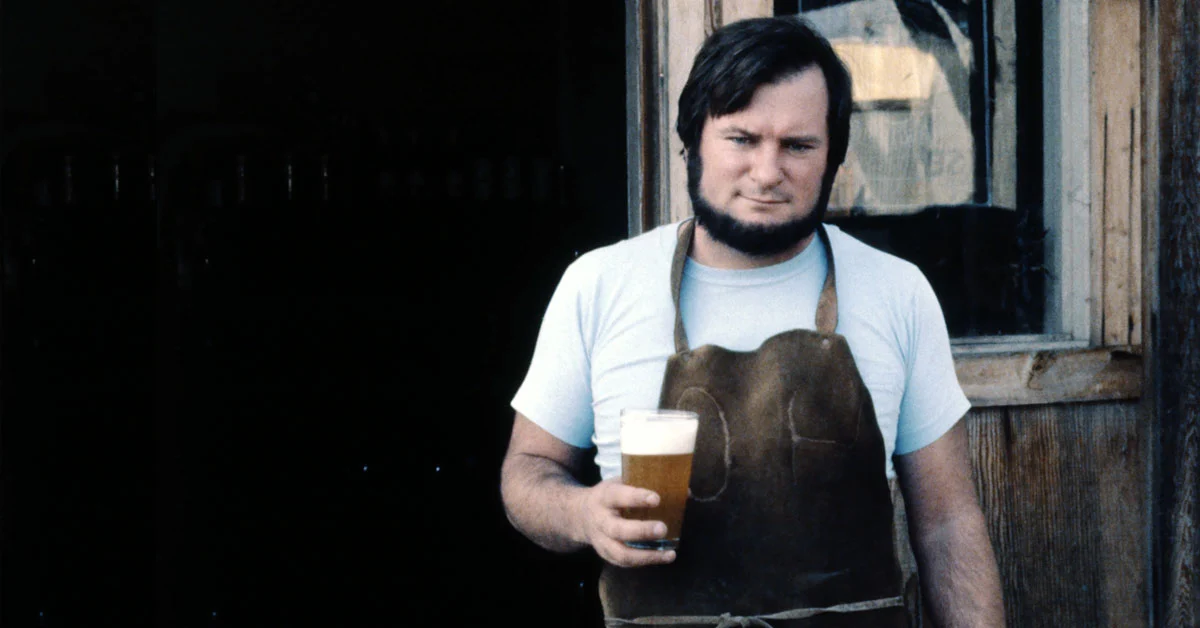
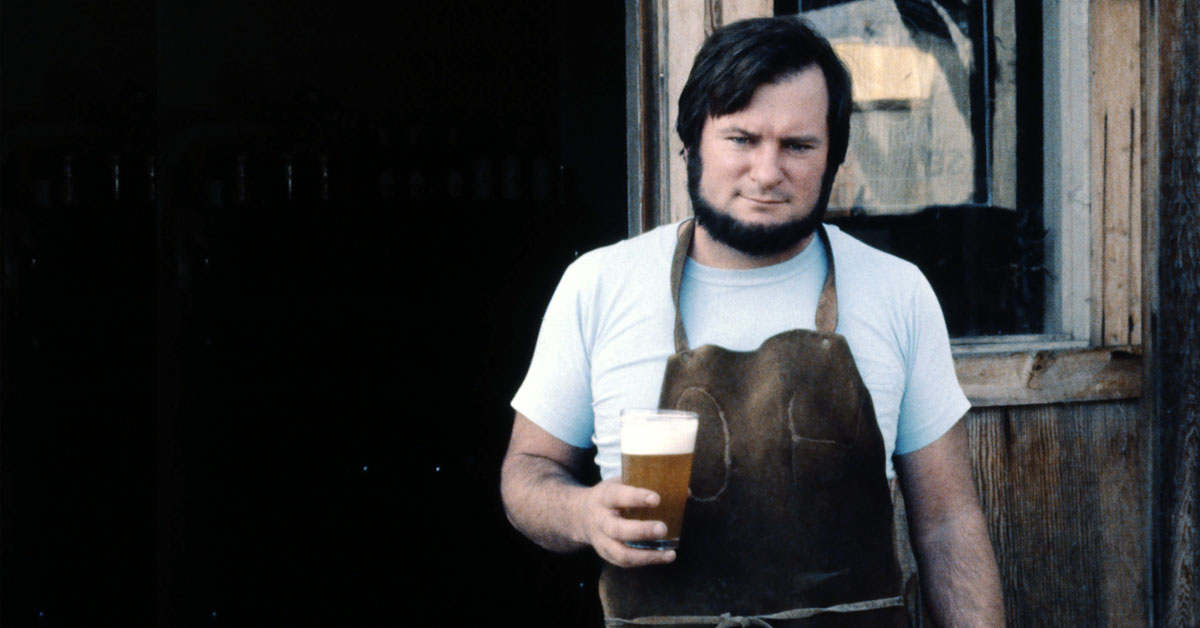
The passing of Jack McAuliffe in July at the age of 80 marks the end of an era for the American beverage industry, yet his influence remains carbonated in nearly every pint of craft beer poured across the United States. As the founder of the New Albion Brewing Company, McAuliffe is widely credited with establishing the first "microbrewery" of the post-Prohibition era. His DIY approach to fermentation and his insistence on bold, hop-forward flavors dismantled a decades-long monopoly held by industrial light lagers, paving the way for a multi-billion-dollar industry that now encompasses over 9,500 independent breweries nationwide.
The Post-Prohibition Landscape and the Genesis of New Albion
To understand the magnitude of McAuliffe’s contribution, one must look at the state of American brewing in the mid-1970s. Following the repeal of Prohibition in 1933, the American beer market underwent a period of intense consolidation. By 1976, the year New Albion was founded, the industry was dominated by a handful of massive corporations producing nearly identical pale, adjunct-heavy lagers. The number of brewing companies in the U.S. had plummeted from over 400 in the 1940s to fewer than 50 by the late 1970s.
McAuliffe’s journey toward disruption began not in a corporate boardroom, but in the galley of a U.S. Navy submarine. Stationed in Scotland during the 1960s, McAuliffe was exposed to the rich, complex world of British ales. Unlike the thin, effervescent beers available in America, the porters, stouts, and pale ales of the United Kingdom offered a depth of flavor that captivated him. Upon returning to California, he found the domestic market lacking and turned to homebrewing to satisfy his palate.
In 1976, alongside partners Jane Zimmerman and Suzy Stern, McAuliffe moved beyond the kitchen stove. With a meager investment of a few thousand dollars and a rented warehouse in Sonoma, California, he built the New Albion Brewing Company. The facility was a testament to American ingenuity; lacking the capital to purchase professional brewing systems, McAuliffe repurposed stainless steel dairy equipment and 55-gallon Coca-Cola syrup drums to create a functional brewhouse. This "MacGyver-esque" approach to brewery construction would later become a hallmark of the craft beer movement’s early pioneers.
A Timeline of the American Craft Beer Evolution
The trajectory of the craft beer movement can be traced through several pivotal milestones, with McAuliffe’s New Albion serving as the primary catalyst:
- 1965: Fritz Maytag acquires a majority stake in the struggling Anchor Brewing Company in San Francisco, preserving traditional brewing methods.
- 1976: Jack McAuliffe, Jane Zimmerman, and Suzy Stern incorporate New Albion Brewing Company in Sonoma, California.
- 1978: President Jimmy Carter signs H.R. 1337, federally legalizing homebrewing for personal use, which provides the legal framework for the next generation of professional brewers.
- 1980: Ken Grossman and Paul Camusi open Sierra Nevada Brewing Co. in Chico, California, after visiting and being inspired by New Albion.
- 1982: New Albion Brewing Company ceases operations due to financial constraints and a lack of distribution infrastructure.
- 1984: Jim Koch founds the Boston Beer Company, launching Samuel Adams Boston Lager and bringing craft beer to a national audience.
- 2023: The Brewers Association reports that the number of operating craft breweries in the U.S. has reached an all-time high of 9,683.
Technical Innovation and the Rise of the Cascade Hop
One of McAuliffe’s most enduring legacies is his role in popularizing the Cascade hop. Developed by the USDA breeding program in Corvallis, Oregon, and released in 1972, the Cascade hop was initially rejected by major industrial brewers who found its citrusy, floral, and grapefruit-like qualities too aggressive for their mass-market lagers.
McAuliffe, however, saw the hop’s potential to define a uniquely American style of ale. By featuring Cascade hops prominently in New Albion’s Pale Ale, he established a flavor profile—characterized by piney bitterness and aromatic citrus—that would eventually become the DNA of the American India Pale Ale (IPA).
Ken Grossman, founder of Sierra Nevada Brewing Co., famously visited New Albion in its early years to study McAuliffe’s methods. When Sierra Nevada launched its own landmark Pale Ale in 1980, it utilized Cascade hops in a way that echoed New Albion’s original vision. Today, the IPA remains the most popular style in the craft segment, accounting for roughly 43% of total craft beer dollar sales in the U.S. retail market.
Economic Impact and the Model of Adaptive Reuse
While New Albion was not a long-term financial success—closing its doors just six years after opening—it provided a blueprint for the "nanobrewery" and "microbrewery" business models. McAuliffe proved that a brewery did not need a multi-million-dollar facility to produce high-quality, commercially viable beer.
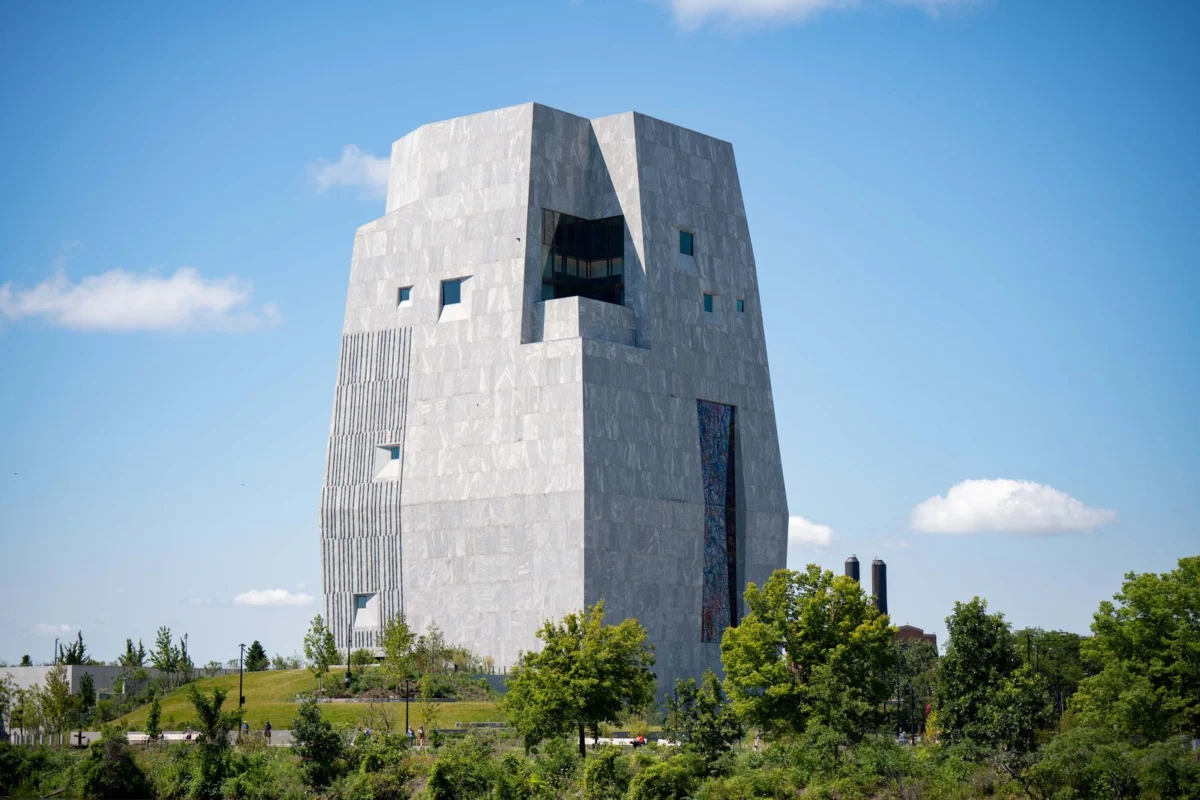
This philosophy gave rise to the concept of adaptive reuse in the brewing industry. Because craft brewers often operate on thin margins, they have historically sought out unconventional spaces. New Albion’s warehouse set a precedent that has seen subsequent breweries transform old fire stations, churches, bank vaults, and defunct factories into community hubs. This trend has had a significant ripple effect on urban revitalization, as breweries often serve as "anchor tenants" that attract foot traffic and secondary businesses to neglected industrial districts.
According to data from the Brewers Association, the craft brewing industry contributed $72.2 billion to the U.S. economy in 2022 and provided more than 460,000 total jobs. This economic powerhouse grew from the seeds planted by McAuliffe’s modest Sonoma warehouse operation.
Industry Reactions and the "American Original"
The death of Jack McAuliffe prompted a wave of tributes from the titans of the modern brewing industry, many of whom viewed him as a mentor or a spiritual forefather.
Jim Koch, founder and chairman of the Boston Beer Company, emphasized the psychological barrier McAuliffe broke. "Before him, starting a brewery from scratch was thought impossible. After him, 10,000 people have done it," Koch stated. He noted that McAuliffe’s willingness to fail while pursuing a superior product gave others the courage to enter the market. In 2012, Koch even collaborated with McAuliffe to re-release New Albion Ale, using the original yeast strain to introduce a new generation of drinkers to the beer that started it all.
Beer historian Maureen Ogle, author of Ambitious Brew, highlighted McAuliffe’s uncompromising personality as a driving force behind his innovation. She described him as a "razor-sharp" iconoclast who "did not suffer fools gladly." This contrarian nature was essential in an era when the "status quo" meant a total lack of variety in the American beer aisle. McAuliffe’s refusal to conform to industrial standards was not just a business choice; it was a cultural statement.
Broader Implications and the Future of Craft Brewing
The story of Jack McAuliffe and New Albion is more than a footnote in culinary history; it is a case study in how small-scale entrepreneurship can shift global consumer behavior. The "New Albion model" demonstrated that there was a significant, untapped market for flavor diversity. This realization eventually forced global brewing giants like Anheuser-Busch InBev and Molson Coors to diversify their own portfolios and acquire smaller craft brands to remain competitive.
However, the industry McAuliffe built now faces new challenges. After decades of exponential growth, the craft beer market is reaching a point of maturation. Total beer volume in the U.S. has seen slight declines as consumer preferences shift toward spirits, canned cocktails (RTDs), and non-alcoholic options. Despite these headwinds, the "pints-size" philosophy of New Albion remains relevant. The industry is currently seeing a return to the "local-first" model, where small taprooms serve their immediate neighborhoods—a direct echo of McAuliffe’s original vision for a community-focused brewery.
Conclusion: A Legacy Fermented in History
Jack McAuliffe’s New Albion Brewing Company was a bridge between the lost traditions of pre-Prohibition regional brewing and the modern explosion of artisanal craft. Though his original company did not survive the economic pressures of the early 1980s, its DNA is present in every brewery that prioritizes quality over quantity and innovation over imitation.
McAuliffe’s life serves as a reminder that systemic change often begins with a single individual’s dissatisfaction with the available options. By repurposing dairy tanks and championing a "discarded" hop variety, he didn’t just brew beer; he engineered a revolution. As the industry continues to evolve, the roadmap McAuliffe created—of resourcefulness, grit, and an unwavering commitment to flavor—remains the gold standard for brewers around the world. The legacy of New Albion is not found in a corporate ledger, but in the vibrant, diverse, and fiercely independent culture of American craft beer that continues to thrive 40 years after his brewery’s final pour.