admin
admin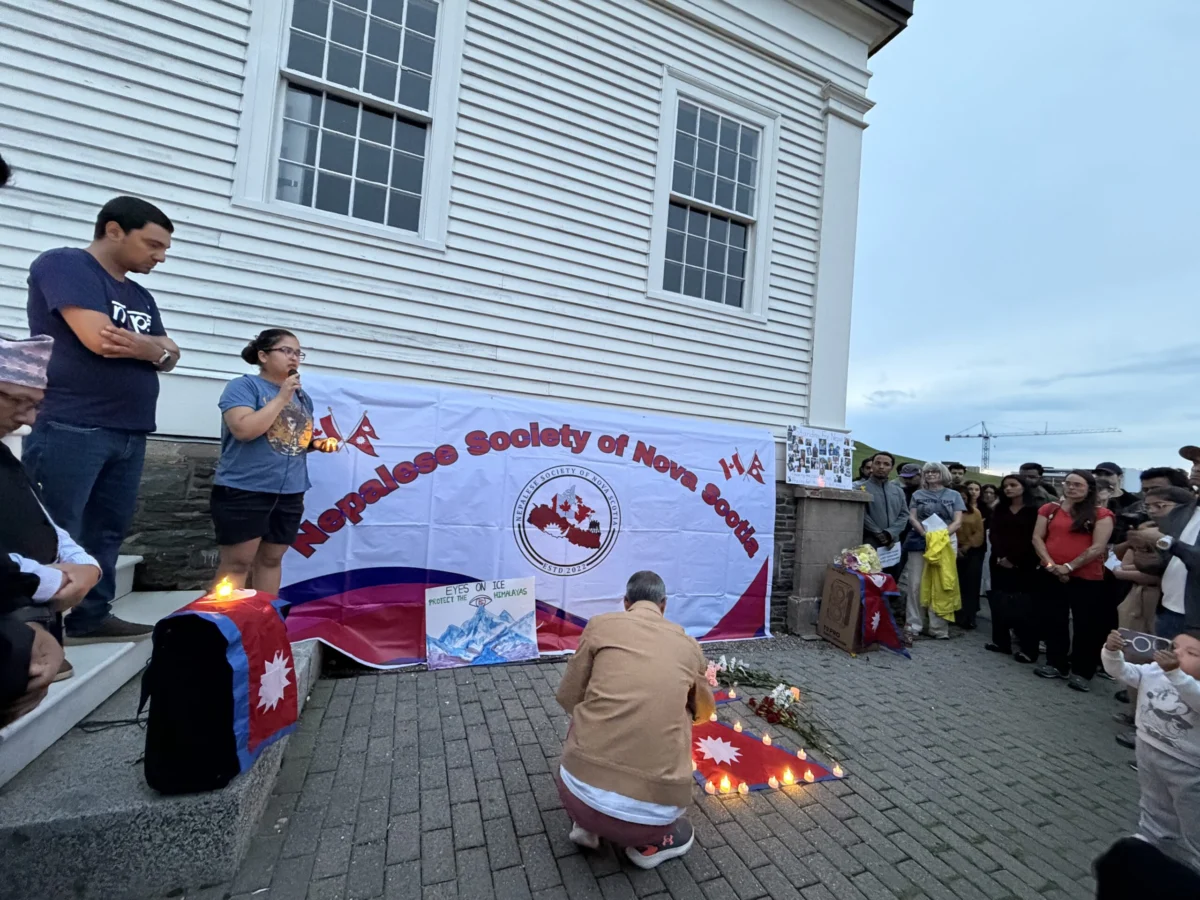
The Nepalese community across the Maritimes is grappling with profound grief and anxiety following last week’s devastating flash floods in central Nepal, which have claimed over 900 lives in Nepal and neighbouring China, with more than 4,700 individuals still reported missing. As rescue efforts continue amidst challenging conditions, the diaspora in Atlantic Canada has swiftly mobilized, organizing vigils and launching fundraising initiatives to provide crucial support for their beleaguered homeland while simultaneously raising urgent awareness about the escalating climate crisis.
A Nation Submerged: The Catastrophe in Central Nepal
The catastrophic floods, which struck central Nepal in the latter part of August 2026, unleashed unprecedented destruction, particularly impacting vulnerable communities nestled along riverbanks and in mountainous regions. While the monsoon season annually brings heavy rainfall to Nepal, the scale and intensity of this particular event have shocked residents and disaster management experts alike. Eyewitness accounts and early reports suggest that a combination of torrential downpours and, critically, a significant glacial lake outburst flood (GLOF) event, contributed to the rapid rise of water levels, turning tranquil rivers into raging torrents that swept away homes, infrastructure, and lives.

Central Nepal, with its intricate topography of deep river valleys and terraced hillsides, is inherently susceptible to such hydrological hazards. The region’s infrastructure, often built to withstand typical monsoon challenges, proved inadequate against the sheer force of the floodwaters. Entire villages have been inundated, agricultural lands — the primary source of livelihood for many — are now submerged under layers of silt and debris, and vital access roads and bridges have been destroyed, isolating communities and severely hampering rescue and relief operations. The economic repercussions are expected to be profound and long-lasting, exacerbating existing vulnerabilities in one of the world’s least developed countries.
The Human Toll: A Rising Tide of Loss
The official death toll, a combined figure from Nepal and China, has tragically surpassed 900, a number that emergency responders fear will continue to climb as search and recovery efforts progress. The grim reality is compounded by the staggering figure of over 4,700 people still unaccounted for, leaving countless families in an agonizing state of uncertainty. Many of the missing are believed to have been swept away by the initial surge of water, while others may be trapped in remote, inaccessible areas, awaiting aid.
Rescue operations are a race against time and the elements. Teams from the Nepal Army, Armed Police Force, and local volunteers are navigating treacherous terrain, utilizing helicopters where possible, and employing rudimentary methods in areas where modern equipment cannot reach. The constant threat of landslides, further rainfall, and the sheer scale of the devastation present formidable obstacles. Access to clean water, food, and medical supplies is rapidly becoming a critical concern for survivors, particularly in areas where health infrastructure has been compromised. The psychological impact on those who have lost loved ones, homes, and livelihoods is immense, demanding long-term mental health support alongside immediate humanitarian aid.

Maritimes United in Grief and Action
Thousands of kilometres away, the Nepalese diaspora in the Maritimes watches with heavy hearts, their concern magnified by the distance and the difficulty of obtaining real-time information about their loved ones. The Nepalese Society of Nova Scotia swiftly organized a solemn candle-lighting vigil over the weekend in downtown Halifax, a poignant gathering where community members collectively mourned the lives lost and shared their anxieties.
Aayush Shrestha, a prominent member of the Nepalese Society of Nova Scotia, articulated the community’s profound distress. "We do have a number of Nepalese community [members] who have had their immediate family members or their community members still missing," Shrestha shared, his voice reflecting the collective worry gripping the group. The wait for news, often delayed by disrupted communication networks in the affected regions, adds an unbearable layer of stress to an already traumatic situation.
Abilasha Niraula, Vice-President of the Nepalese Society, recounted her initial disbelief at the scale of the disaster. "It felt like AI when I first saw [the videos] because there was no possible way the flood could be that big, but it was true," Niraula stated, describing the harrowing footage circulating online. The tragedy hit particularly close to home for her. "Later on, I found out that the place I used to work on was an affected district and people I know were affected. It made it very personal to me." Her testimony underscores the deep, personal connection many in the diaspora maintain with their ancestral villages and the emotional weight of seeing familiar landscapes utterly transformed by destruction. For many, the imagery evoked memories of past visits, adding a layer of grief for a homeland forever altered.

From Nova Scotia to Nepal: A Wave of Support
In response to the urgent need for financial assistance, the Maritime Nepalese community has rallied with impressive speed. Sujit Acharya, owner of MomoNepal and a passionate advocate within the community, has taken a leading role in fundraising efforts. He has launched a dedicated GoFundMe campaign titled "From Nova Scotia to Nepal: Together for Flood Relief," appealing to the generosity of Nova Scotians and Canadians at large. The funds raised through this initiative are earmarked for the Government of Nepal Prime Minister’s Disaster Relief Fund, ensuring that contributions directly support official relief and recovery efforts.
Acharya’s initiative is just one example of the collective spirit of giving within the diaspora. Beyond direct financial contributions, community members are exploring various avenues to contribute, including organizing local events, cultural performances, and direct appeals within their networks. The emphasis is on providing immediate humanitarian aid, which includes provisions for shelter, food, clean drinking water, medical supplies, and emergency kits for those displaced and affected by the floods. The long-standing tradition of solidarity within the Nepalese diaspora, often forged through shared experiences of migration and a deep connection to their cultural heritage, has once again proven to be a powerful force in times of crisis.
The Shadow of Climate Change: A Man-Made Disaster?

Beyond the immediate humanitarian crisis, the flash floods in central Nepal have reignited urgent discussions about climate change and its disproportionate impact on vulnerable nations. Sujit Acharya articulated a sentiment widely shared among environmental advocates, asserting, "I would like to say it is not a natural disaster. It is a human, manmade disaster. And we all are equally responsible for it, every single person living on this planet." His powerful statement reflects a growing understanding that while natural phenomena trigger these events, their increased frequency and intensity are undeniably linked to anthropogenic climate change.
Acharya specifically highlighted the perilous situation of the Himalayan region. "Our country, and also India, is sitting just below that huge, huge mountain of ice," he explained, referring to the vast glacial systems that are rapidly melting due to rising global temperatures. "And then when it starts melting because of the temperature rise, it’s going to take everything away." Scientists have long warned about the heightened risk of Glacial Lake Outburst Floods (GLOFs) in the Himalayas. As glaciers retreat, they leave behind depressions that fill with meltwater, forming glacial lakes. These lakes are often dammed by unstable moraine (debris left by glaciers), which can collapse under pressure, releasing massive volumes of water and debris downstream with catastrophic force. The event in central Nepal is feared to be one such GLOF, a direct consequence of a warming planet.
Nepal, despite its minimal contribution to global greenhouse gas emissions, finds itself on the front lines of climate change impacts. The nation’s economy, heavily reliant on agriculture, hydropower, and tourism, is acutely vulnerable to extreme weather events like floods, landslides, and droughts, all of which are projected to intensify with global warming. The call from Acharya for humanity to take "immediate action on climate issues" and to "think about the climate crisis whenever we try to do any purchases or involve in certain kind of activities" resonates as a plea for global responsibility and systemic change.
Long-Term Recovery and International Cooperation

The road to recovery for central Nepal will be arduous and protracted. Immediate relief efforts are paramount, but the focus will soon shift to long-term reconstruction and resilience-building. This includes not only rebuilding homes and infrastructure but also restoring livelihoods, rehabilitating agricultural lands, and addressing the psychological trauma endured by survivors. The sheer scale of the damage necessitates substantial international aid and expertise.
Aayush Shrestha underscored the critical need for external technical assistance, specifically pointing to Canada’s advanced capabilities. "Canada has one of the best flood detection programs; such technical assistance would be super helpful to Nepal," he remarked. Indeed, early warning systems, advanced hydrological modeling, and climate-resilient infrastructure planning are vital tools that can significantly mitigate the impact of future disasters. Investing in such technologies, alongside sustainable land management practices and community-based disaster preparedness programs, is crucial for Nepal’s long-term safety and development.
Beyond technological assistance, global cooperation is essential for addressing the root causes of these disasters. This involves concerted international efforts to reduce greenhouse gas emissions, support climate adaptation measures in vulnerable countries, and facilitate technology transfer and capacity building. For the Maritime Nepalese community, their advocacy extends beyond fundraising; it is a powerful call for global solidarity and a recognition that the fate of distant communities is intrinsically linked to the actions of the global community.
As the sun sets over the Maritimes, casting long shadows across the Atlantic, the thoughts of its Nepalese community remain firmly fixed on their homeland. Their grief is palpable, their anxiety profound, but their resolve to support Nepal’s recovery and to advocate for a more sustainable future shines brightly. The central Nepal floods of 2026 serve as a stark, painful reminder of the interconnectedness of humanity and the urgent, undeniable reality of the climate crisis. The collective efforts in places like Halifax offer a glimmer of hope, demonstrating the enduring power of community and compassion in the face of overwhelming adversity.