admin
admin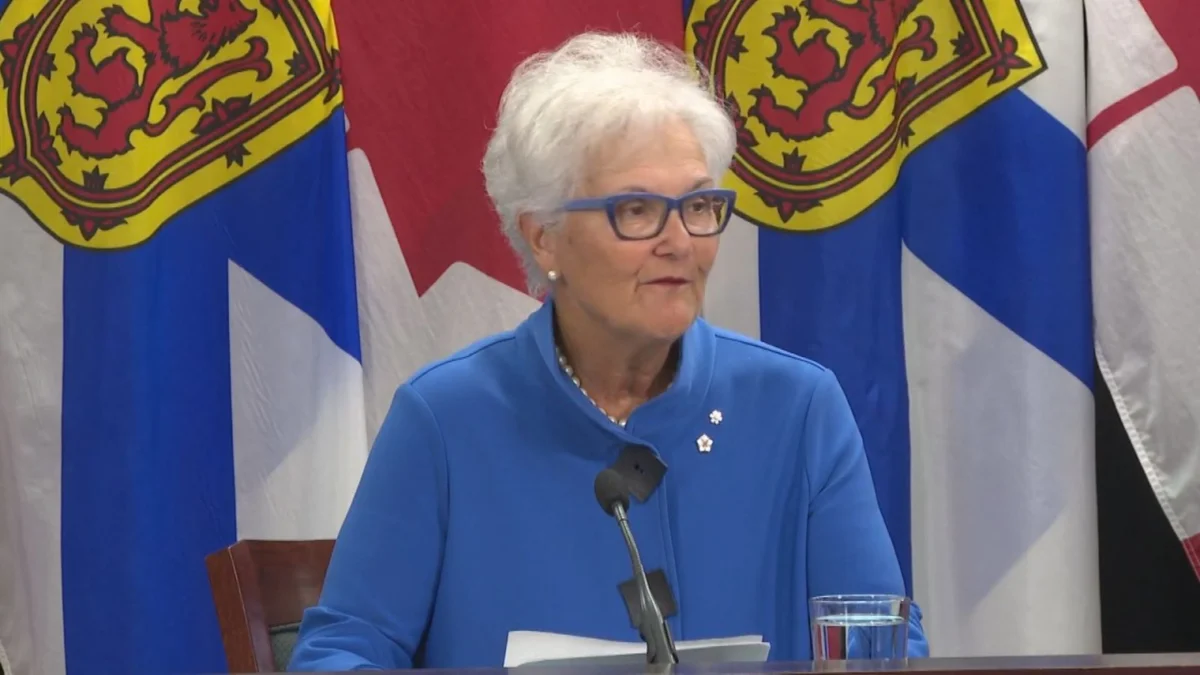
The independent committee tasked with overseeing the implementation of recommendations stemming from the public inquiry into the devastating 2020 Nova Scotia mass shooting has officially concluded its mandate, asserting that while significant progress has been made, substantial work remains to be done. Myra Freeman, chair of the Progress Monitoring Committee (PMC), expressed cautious optimism about the future, emphasizing that the baton of responsibility now passes to the governments of Nova Scotia and Canada, alongside the Royal Canadian Mounted Police (RCMP), to ensure the full realization of the inquiry’s vision for safer communities.
The PMC’s third and final annual report, a comprehensive 72-page document, was released on Monday, detailing the trajectory of efforts to address the 130 recommendations issued in March 2023 by the Mass Casualty Commission (MCC). This public inquiry was established in the wake of a horrific 13-hour rampage on April 18 and 19, 2020, during which a lone gunman killed 22 innocent people across multiple communities in rural Nova Scotia, leaving an indelible scar on the province and sparking a nationwide call for systemic change.
The Mandate Concludes, Work Continues
Myra Freeman acknowledged that approximately 40 of the original recommendations have yet to be fully implemented. However, she conveyed confidence in the commitment of the responsible entities. "I’m confident that they will figure out a way," Freeman stated, underscoring the gravity of the task ahead. "We are strongly encouraged by the fact that they have committed this much action, this much progress to date, and they know the importance and the public will remind them." This sentiment highlights a crucial element of ongoing accountability: the vigilance of the public and the media.
The PMC’s role was always conceived as time-limited, a fact Freeman reiterated. Despite some committee members advocating for an extension of its mandate, she confirmed that such a request was never formally presented to the government. "We recognized this was a finite time," she explained. However, the cessation of the committee’s formal oversight does not signify an end to the imperative for action. Freeman articulated a broader vision for the committee’s contribution, stating, "We always knew that this work and addressing the recommendations would extend far beyond our three-year mandate. We also knew that it was never an endpoint. That it was meant to be a first step and a foundation to a longer commitment for accountability, for transparency and for building stronger, safer communities." This perspective frames the PMC’s work not as a solution in itself, but as a critical catalyst and framework for sustained, multi-faceted change.
Echoes of a Tragedy: The 2020 Nova Scotia Mass Shooting
To fully appreciate the significance of the PMC’s work and the MCC’s recommendations, it is essential to revisit the tragic events that necessitated them. On April 18-19, 2020, Gabriel Wortman, disguised as an RCMP officer and driving a replica police cruiser, embarked on a killing spree that began in Portapique, Nova Scotia. Over the course of 13 hours, he traveled more than 150 kilometers, targeting individuals he knew and strangers alike, before being shot and killed by police at a gas station in Enfield. The victims included an RCMP officer, a pregnant woman, and numerous other residents, leaving families shattered and communities traumatized.
The perpetrator’s actions exposed critical deficiencies in emergency response, police communication protocols, public alert systems, and an underlying pattern of domestic violence that had gone unaddressed for years. The initial response from law enforcement and government was met with public outcry, particularly concerning the lack of a province-wide emergency alert and perceived communication failures during the unfolding tragedy. These concerns, coupled with intense pressure from victims’ families and advocacy groups, ultimately led to the establishment of a joint federal-provincial public inquiry.
The Mass Casualty Commission and its 130 Recommendations
The Mass Casualty Commission (MCC) was officially formed in October 2020, co-chaired by former Nova Scotia Chief Justice Michael MacDonald, former federal Liberal cabinet minister Anne McLellan, and former chief of police for Kentville, N.S., Leanne Fitch. Over two years, the MCC conducted extensive investigations, held public hearings, heard testimony from hundreds of witnesses including victims’ families, first responders, and experts, and reviewed thousands of documents. Its mandate was not only to ascertain the facts of the mass casualty but also to examine its systemic causes and make recommendations to prevent similar tragedies.
In March 2023, the MCC released its final report, a voluminous document containing 130 recommendations aimed at reforming various aspects of public safety and justice. These recommendations spanned a wide array of critical areas, including:

- Policing: Enhancing training, improving communication systems (interoperability), addressing systemic issues within the RCMP, and strengthening accountability mechanisms.
- Gender-Based Violence (GBV): Acknowledging the perpetrator’s history of domestic violence and recommending comprehensive strategies for prevention, intervention, and support for victims of intimate partner violence.
- Firearms Control: Strengthening gun laws and enforcement.
- Emergency Preparedness: Overhauling public alert systems (e.g., Alert Ready), improving inter-agency coordination during critical incidents.
- Mental Health: Expanding access to mental health services for victims, first responders, and communities affected by trauma.
- Community-Based Solutions: Fostering resilience and support networks within communities.
The 130 recommendations served as the blueprint for systemic change, and the PMC was subsequently formed to track the progress of their implementation.
Progress Monitoring Committee: A Three-Year Review
Established in July 2023, the Progress Monitoring Committee was an independent body designed to provide transparent oversight of the provincial and federal governments’ and the RCMP’s efforts to implement the MCC’s recommendations. Over its three-year tenure, the PMC issued annual reports, meticulously detailing the strides made and identifying areas requiring further attention. Its final report represents a cumulative assessment of this progress.
-
Policing Reforms and Accountability: The PMC’s reports consistently highlighted ongoing efforts within the RCMP and other law enforcement agencies to adopt new protocols. This included improvements in critical incident response training, better use of emergency alert systems, and enhanced communication strategies designed to prevent the kind of information breakdowns that occurred in 2020. For instance, the implementation of a national public alerting policy for active threats and the adoption of new tactical training standards were noted as significant steps. However, the deep-seated cultural and structural changes within a large organization like the RCMP are inherently complex and long-term endeavors.
-
Gender-Based Violence Prevention: A Societal Imperative: One of the most significant and challenging areas of focus for the PMC, particularly in its final year, was gender-based violence (GBV) prevention. The MCC had starkly illuminated the perpetrator’s history of violence against women, underscoring the critical link between unaddressed domestic abuse and broader public safety risks. Myra Freeman emphasized that this area demands profound, long-term societal transformation. "It requires a societal change, and societal changes don’t happen overnight," she observed. "So what we need is a concerted effort to continue the action to keep people safe, and all of us have a responsibility to do it."
Kristina Fifield, a trauma specialist who worked with the PMC, echoed this sentiment, drawing attention to Canada’s "long, dark history of violence and violence being normalized and people protecting people that are using violence." Statistics from organizations like Statistics Canada consistently show that gender-based violence remains a pervasive issue across the country, with intimate partner violence constituting a significant portion of violent crime. Implementing the MCC’s recommendations in this domain involves not just legal reforms but also shifts in cultural attitudes, increased funding for support services, enhanced training for frontline workers (including police and healthcare providers), and greater public awareness campaigns to challenge harmful norms and hold perpetrators accountable. The PMC noted that while some initiatives are underway, the scale of the challenge necessitates sustained and collective action far beyond government mandates.
-
Strengthening Mental Health Supports: The mental health toll of the 2020 tragedy on victims, their families, first responders, and the broader community was immense. The MCC’s recommendations included calls for expanded and accessible mental health services. While progress has been made in certain areas, Freeman explicitly stated that "more work also needs to be done on the mental health front." This includes addressing long wait times for specialized trauma support, ensuring culturally appropriate services, and providing ongoing, comprehensive care for those grappling with the lingering effects of such a traumatic event. The need for robust mental health infrastructure extends to first responders, who often experience secondary trauma and require dedicated support systems.
Challenges and the Path Forward: The Remaining 40 Recommendations
The fact that approximately 40 recommendations remain to be fully addressed underscores the inherent complexity of implementing such far-reaching systemic changes. These outstanding items likely involve deeper legislative reforms, significant resource allocation, inter-jurisdictional coordination, and shifts in institutional culture that require sustained political will and consistent effort.
The transition of responsibility from the independent PMC to the governmental and institutional bodies marks a new phase. This phase will test the commitment articulated by various leaders. The challenge will be to maintain momentum without the explicit external oversight of the PMC. Transparency and public reporting mechanisms will become even more crucial in ensuring that these remaining recommendations do not fall by the wayside.
Voices from the Community: Victims, Advocates, and Experts
The impact of the tragedy and the subsequent inquiry reverberates most deeply within the communities directly affected and among the victims’ families. Scott McLeod, whose brother Sean was among those killed, articulated a pragmatic "wait and see" approach regarding the future implementation. While acknowledging that Nova Scotia is moving forward, he cautioned that "some of the stuff that needs to be done isn’t just something that can be scratched down on paper or taught. It has to continue to evolve and progress with society the way it is." McLeod’s statement highlights the organic and dynamic nature of societal change, particularly in areas like policing culture and community safety. He stressed the importance of transparency, urging institutions to "commit to sharing their progress towards the inquiry’s recommendations and making their work transparent."

Kristina Fifield, the trauma specialist, underscored the critical role of public engagement in this ongoing process. She emphasized that the public cannot simply rely on governments and institutions. "This is going to require a lot of collective and community advocacy to continue moving this forward," Fifield asserted. Her perspective reinforces the idea that true accountability is a shared responsibility, demanding active participation from citizens, community organizations, and advocacy groups to maintain pressure and ensure that the lessons learned from the tragedy are not forgotten.
Government Commitments and Accountability
In response to the PMC’s final report and the handover of responsibility, various levels of government have reiterated their commitment. Nova Scotia Premier Tim Houston issued a statement confirming his government’s readiness to accept the ongoing work. "We will not settle for mere progress," he affirmed. "We want to make real, meaningful change." This strong declaration signals an understanding of the public’s expectations for tangible outcomes.
However, the NDP Opposition in Nova Scotia raised concerns regarding the funding of associated services, suggesting that rhetoric must be matched with adequate resources. "We need to ensure the right resources are in place to build on the work that’s underway and support families and strengthen communities," a statement from the NDP caucus highlighted. This points to a perennial challenge in implementing broad reforms: ensuring that the necessary financial and human resources are allocated sustainably.
From the federal perspective, a joint statement from Gary Anandasangaree, Minister of Public Safety, and Sean Fraser, Minister of Justice and Attorney General of Canada, acknowledged the "significant action" taken by the government of Canada over the past three years. They reiterated the federal government’s commitment to the recommendations, with the overarching goal of "build[ing] safer communities across the country." Federal involvement is crucial, particularly concerning RCMP reforms, firearms legislation, and national emergency alert systems.
The Future of Accountability: A "First Step, Not an Endpoint"
Myra Freeman’s characterization of the PMC’s work as "a first step and a foundation" rather than an "endpoint" is crucial for understanding the long-term nature of the changes envisioned by the MCC. The absence of a formal monitoring committee means that future accountability will largely rest on the shoulders of the responsible governments and the RCMP themselves, coupled with diligent oversight from legislative bodies, media scrutiny, and sustained public advocacy.
Mechanisms for ongoing accountability might include regular public reporting by government departments and the RCMP on their progress, parliamentary committee reviews, and continued engagement with victims’ families and community groups. The legacy of the PMC will be measured not by the completion of its mandate, but by the enduring commitment of all stakeholders to implement the remaining recommendations and to continuously adapt public safety strategies in response to evolving challenges.
Broader Implications for Public Safety and Justice
The Nova Scotia mass shooting inquiry and the subsequent monitoring efforts carry broader implications for public safety and justice across Canada. The MCC’s comprehensive approach, which delved into systemic issues beyond the immediate facts of the crime, has set a precedent for how future inquiries might be structured. The focus on gender-based violence, in particular, has highlighted the interconnectedness of domestic abuse, perpetrator behaviour, and broader public safety.
The lessons learned from Nova Scotia are not confined to the province; they offer valuable insights for policing, emergency management, and community safety initiatives nationwide. The emphasis on improved communication, mental health support, and proactive measures against violence serves as a blueprint for strengthening the social fabric and ensuring that communities are better equipped to prevent and respond to such devastating events. While Myra Freeman expressed that Nova Scotia is safer now than it was in 2020, the collective responsibility to build truly resilient and secure communities remains an ongoing, generational undertaking.
In conclusion, the final report of the Progress Monitoring Committee marks a significant milestone in Nova Scotia’s journey toward healing and systemic reform. It serves as both a testament to the progress achieved and a stark reminder of the substantial work that still lies ahead. The responsibility now firmly rests with governmental and institutional bodies, but the call for sustained public vigilance and advocacy underscores that accountability for such profound societal change is ultimately a shared burden, demanding unwavering commitment from all Canadians.