admin
admin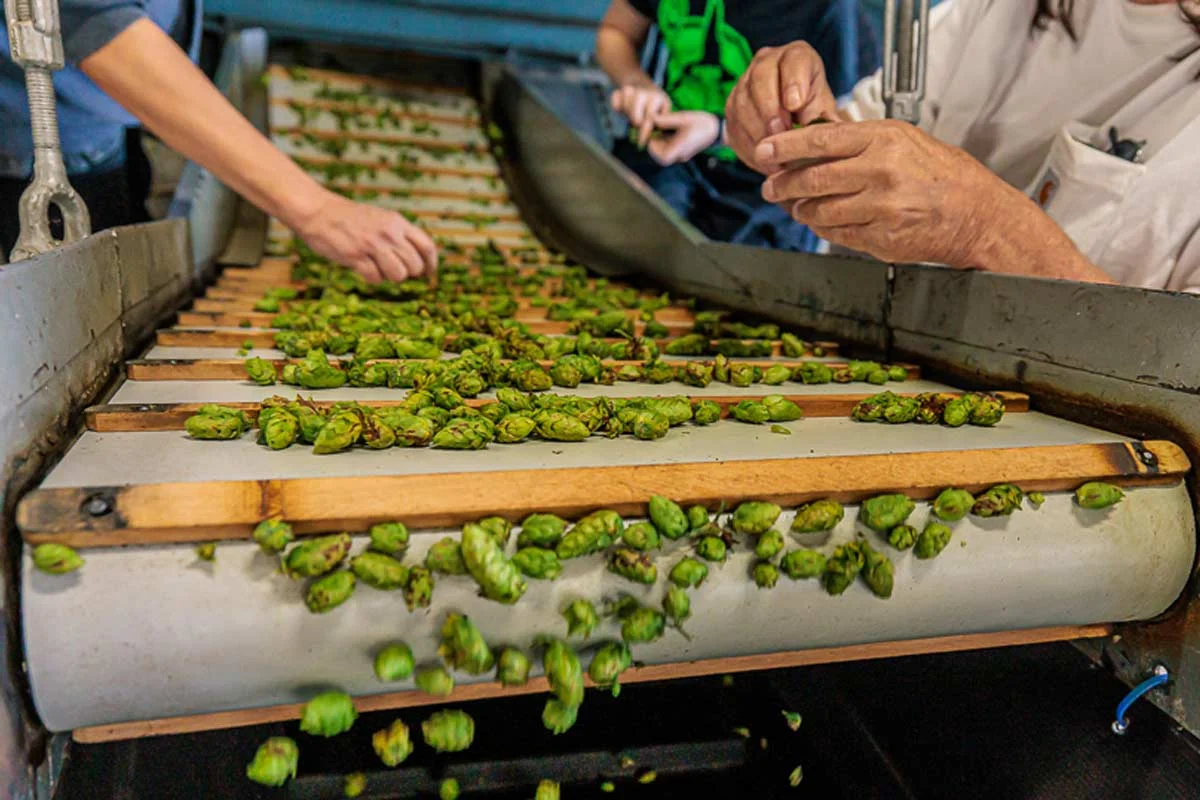
The expansion of the American craft beer movement over the last two decades has necessitated a parallel explosion in the cultivation of specialty ingredients, most notably the humulus lupulus, or the hop. While the Pacific Northwest has long been the epicenter of global hop production, Michigan has quietly ascended to become a critical player in the domestic supply chain. Currently ranking number one in the Great Lakes region and fourth nationally in total hop acreage, the state’s success is often attributed to its unique geography. However, an emerging narrative within the industry highlights a different catalyst: a dedicated cadre of women who manage everything from greenhouse propagation and integrated pest management to large-scale harvest logistics and land stewardship.
Despite their pivotal roles, many of these professionals remain behind the scenes. The "invisible" nature of this labor was highlighted recently when a regional brewer expressed genuine surprise at the prevalence of female-led operations in the state. This lack of visibility persists even as women drive the technical innovations and quality control measures that have allowed Michigan hops to compete on a global stage. To understand the current state of Michigan’s hop industry, one must look at the intersection of glacial geology, academic rigor, and the specialized expertise of the women currently shaping the landscape.
The Geographic and Biological Imperative
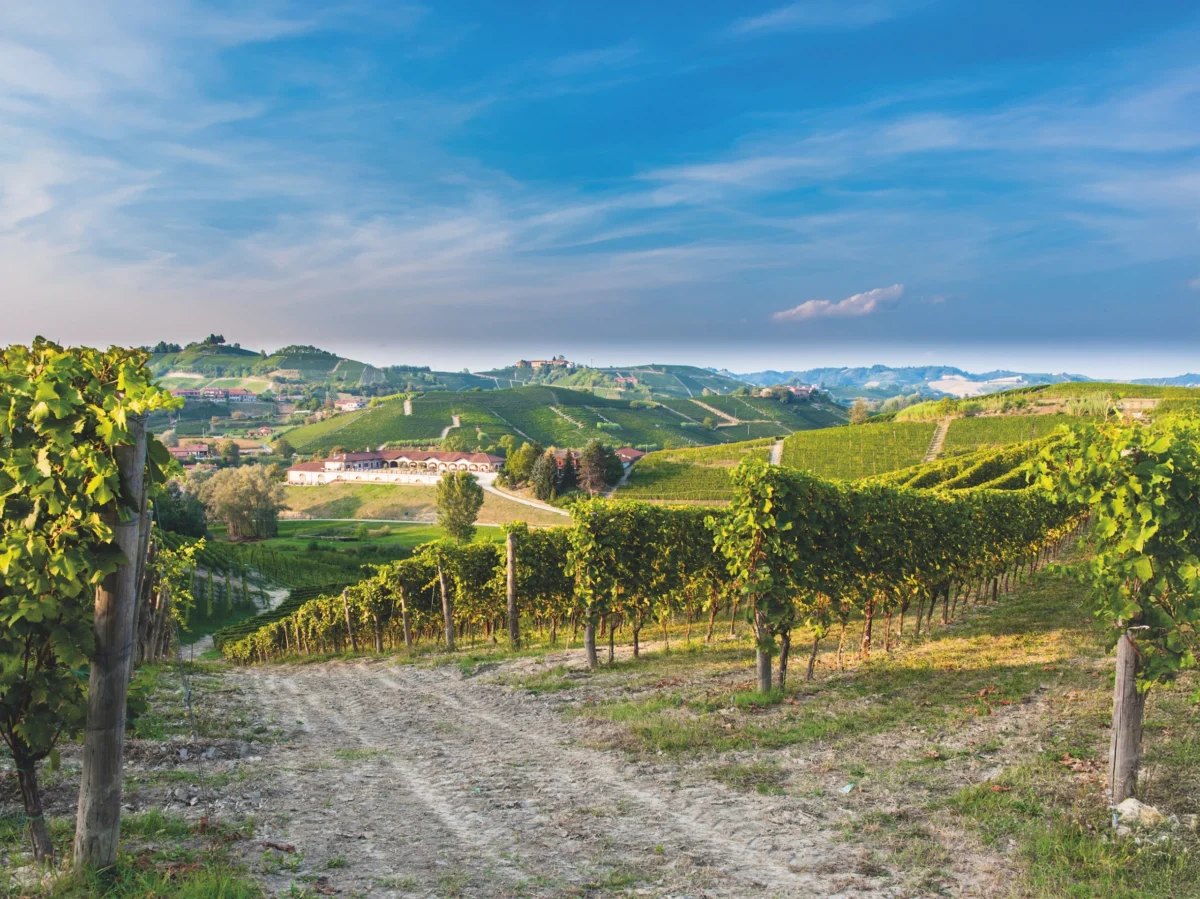
The success of hops in Michigan is not accidental; it is a matter of precise latitude and geological history. Hops are notoriously high-maintenance perennials that require specific environmental triggers to thrive. The primary requirement is the "sweet spot" of the 45th parallel, which bisects Northern Michigan. This latitude provides the long, sun-drenched summer days necessary for rapid growth—up to a foot per day during peak season—while ensuring the cold winter nights required for the plants to enter a necessary state of dormancy.
Furthermore, the state’s soil composition, a legacy of the Wisconsin Glaciation, provides the well-drained, sandy loam that hops demand. While the plants require significant irrigation, they are highly susceptible to "wet feet," or root rot, if water stagnates. In this environment, hops do not grow on vines but on "bines." Unlike vines, which utilize tendrils to climb, bines employ stiff, downward-pointing hairs along their stems to wrap clockwise around twine. This allows them to reach heights of 20 feet or more in a single growing season, creating a vertical "jungle" that requires intensive manual labor and mechanical precision to manage.
Academic Infrastructure: The Role of Michigan State University
The resurgence of the Michigan hop industry, which had largely disappeared following the prohibition era and the subsequent consolidation of agriculture in the Pacific Northwest, was fueled by a robust partnership with Michigan State University (MSU). Central to this effort is Erin Lizotte, MSU’s integrated pest management (IPM) coordinator and senior statewide educator.
As the industry grew from a handful of experimental acres in the mid-2000s to over 2,000 acres by the early 2020s, the need for research-backed data became acute. Lizotte and the MSU extension team provide the scientific backbone for the state’s growers, offering expertise in diagnosing diseases like downy mildew and navigating the complex regulatory environment of chemical applications. This academic support has been a primary differentiator for Michigan, allowing small-scale growers to implement sophisticated pest management strategies that protect both the crop and the surrounding ecosystem.
Propagation and the Clean Plant Protocol
The foundation of any successful hop yard is the health of its starter stock. At Sandy Ridge Farms in Zeeland, Michigan, Julie Kane has spent over two decades refining the art of greenhouse propagation. When the Michigan hop boom began around 2008, Kane pivoted from flowering annuals to specializing in hops, eventually becoming one of the state’s premier propagators.
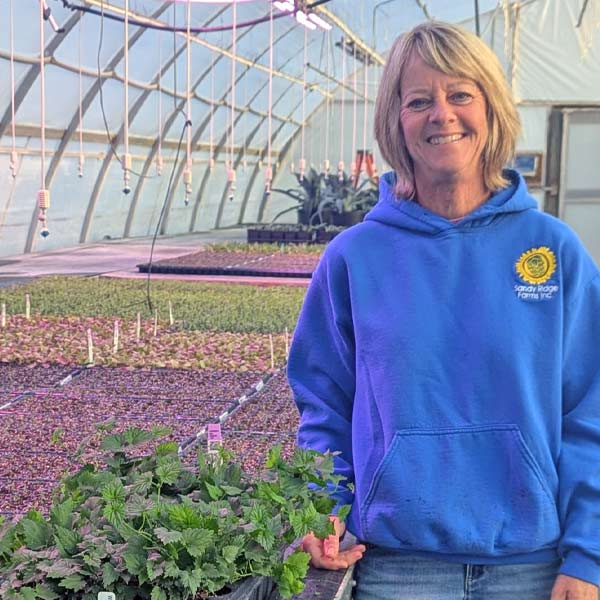
Kane’s work is governed by the "Clean Plant Protocol." Starting with virus-free mother plants sourced from the National Clean Plant Network, she oversees a rigorous regimen of sanitation and testing. This process is vital because hops are prone to systemic viruses and viroids that can diminish yields and hop oil content over several generations. In a male-dominated field, Kane initially found that her expertise was overlooked in industry circles, though she notes that the reputation for quality eventually dissolved those barriers.
Her work has become increasingly difficult due to climate volatility. During recent heatwaves, temperatures inside the greenhouses have exceeded 100 degrees Fahrenheit, requiring advanced cooling techniques and increased fungicide applications to maintain plant viability. The resilience of these starter plants is the first line of defense for the entire Michigan brewing supply chain.
Corporate Stewardship and Mentorship at Bell’s Brewery
As the industry matured, large-scale craft breweries began investing directly in local agriculture. Bell’s Brewery, one of the most prominent names in Michigan craft beer, maintains its own hop yard in Comstock. The operation is led by Bonnie Steinman, a veteran horticulturist and land steward, and her colleague Elizabeth Mullins.
Steinman’s approach to hop farming emphasizes the sensory and emotional aspects of the harvest alongside technical metrics. Under the mentorship of former Bell’s executive John Mallett, Steinman developed a methodology based on "rubbing and smelling"—a process where the lupulin glands of the hop cone are evaluated daily for shifts in aroma from "grassy" to "fruity" to "resinous."
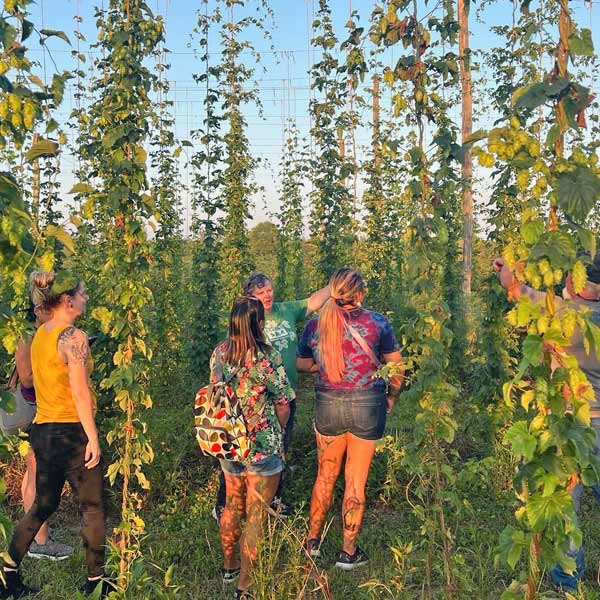
Mullins, who brings a background in pest management to the team, works with Steinman to manage a two-and-a-half-acre yard that serves as both a production site and an educational hub. They have curated "The Hideaway," a gathering space within the hop bines inspired by Oregon’s TopWire Hop Project. This space allows the public and industry professionals—including members of the Pink Boots Society—to experience the crop at its peak. This model of stewardship suggests that the future of the industry lies not just in volume, but in creating a deeper connection between the consumer and the agricultural source.
Engineering Quality: Process-Driven Farming
At Top Hops Farm in Goodrich, Mel Trowbridge has applied her 40-year career as an automotive engineer to the agricultural sector. Trowbridge’s contribution to the industry is defined by "process-driven operation." On her farm, every workday concludes with a team debrief, a practice borrowed from the manufacturing floor to identify inefficiencies and successes.
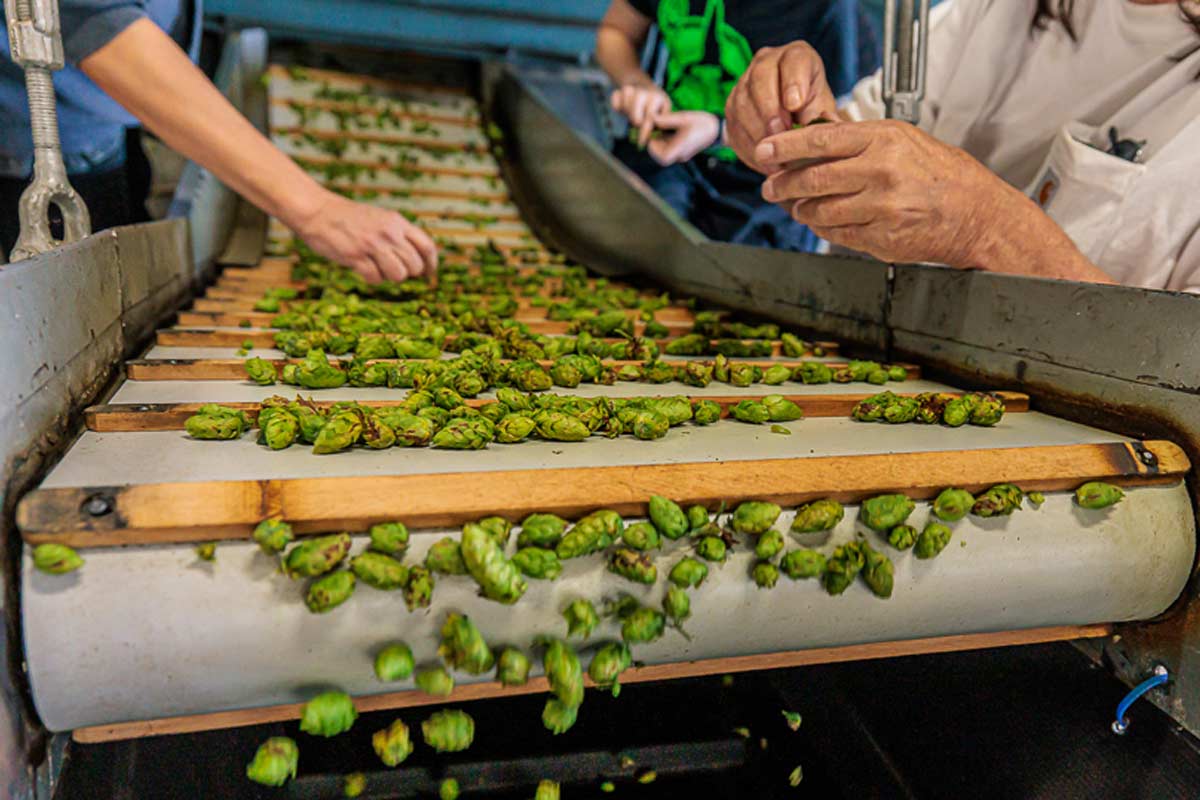
During the harvest, Trowbridge acts as an orchestrator, managing the complex timing required to move bines from the field to the mechanical picker and then to the kiln. This focus on quality control is a critical evolution for the Michigan industry. As the market for hops has contracted following the post-pandemic "craft beer plateau," only those farms that can guarantee consistent, high-quality alpha acid and oil profiles are likely to survive.
The Search for a Regional Identity: The Chinook Cup
A central challenge for Michigan growers is distinguishing their product from the established brands of the Yakima Valley in Washington. The industry has found its "flagship" variety in the Michigan Chinook. While Chinook hops grown in the Pacific Northwest are known for piney and resinous characteristics, the Michigan-grown version is celebrated for its distinct notes of pineapple and citrus.
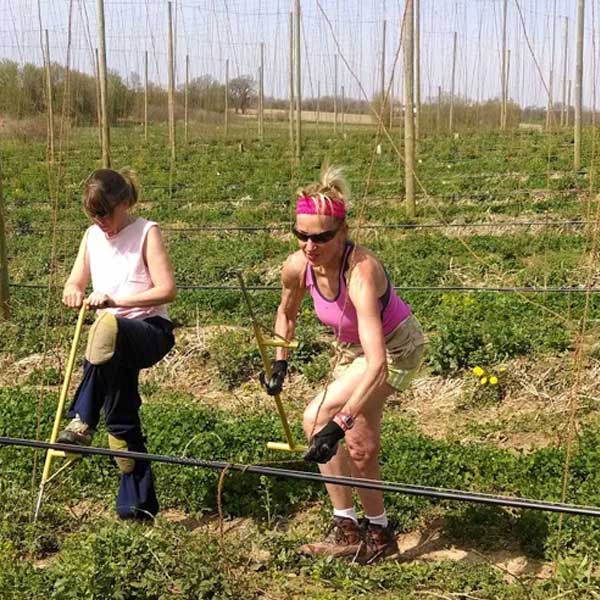
To cement this identity, Rose Stahl of Mr. Wizard’s Hops has been instrumental in organizing the "Chinook Cup." Hosted by the Hop Growers of Michigan at the Great Beer State Conference, this competition allows growers to submit their best harvests for blind sensory evaluation by a panel of brewers. Stahl’s own entry into the industry began after a catastrophic flood destroyed her family’s corn crops in Southeast Michigan, leading them to experiment with hops on the advice of their son, an employee at Short’s Brewing. A decade later, Stahl remains a key figure in the advocacy and promotion of Michigan-grown varieties.
Economic Implications and Future Outlook
The Michigan hop industry is currently at a crossroads. After a decade of rapid expansion, the market is facing a correction. Labor shortages, rising energy costs for kilning, and the increasing frequency of extreme weather events have put pressure on independent growers. Amy Tennis of the Michigan Hop Alliance notes that much of the labor keeping these farms afloat is "invisible" female labor—women who handle the bookkeeping, grant writing, and irrigation management in addition to full-time off-farm employment.
Despite these hurdles, the industry’s long-term outlook remains cautiously optimistic. Researchers like Nicole Shriner at MSU are continuing to investigate "terroir"—the idea that the specific soil and climate of Michigan impart a flavor profile that cannot be replicated elsewhere.
The integration of women into every level of the hop supply chain has created a more resilient and technically proficient industry. From the clean-stock propagation of Julie Kane to the engineering precision of Mel Trowbridge and the land stewardship of Bonnie Steinman, the "invisible" force behind Michigan hops is becoming increasingly impossible to ignore. As the state continues to carve out its identity, the success of its harvest will depend on the continued recognition and support of the women driving its growth. The goal, as stated by industry leaders, is for "Michigan Hops" to become a mark of quality that signifies a unique agricultural heritage, distinct from the Pacific Northwest and vital to the future of American craft beer.