admin
admin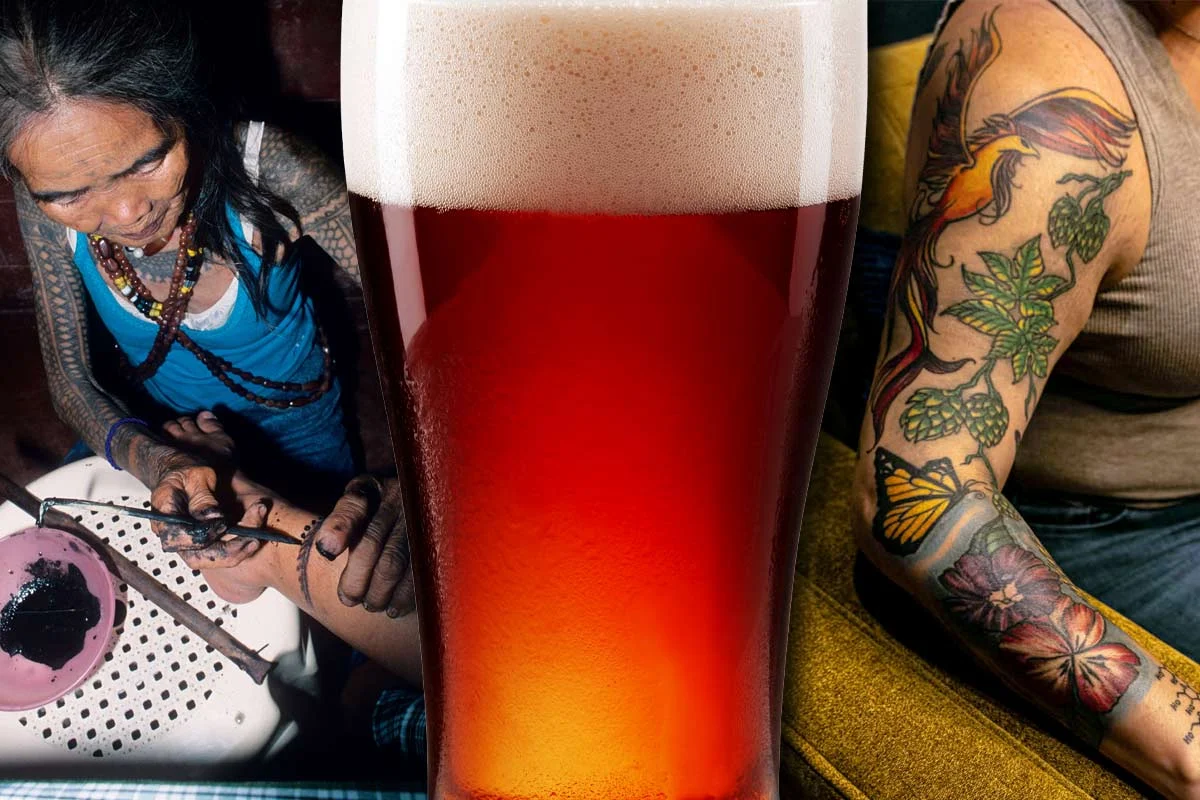
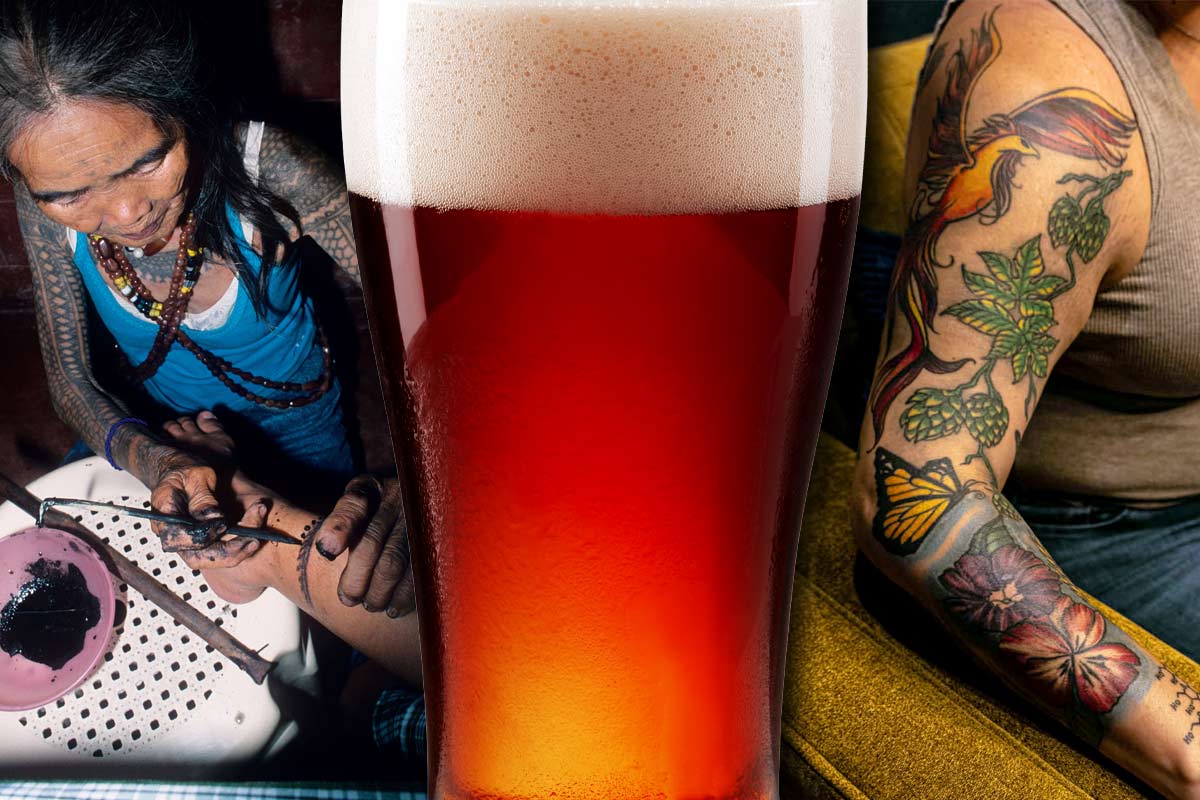
The practices of tattooing and fermentation, while seemingly disparate in the modern industrial world, share a profound historical and cultural kinship rooted in the transformation of raw materials through human agency, spiritual connection, and communal labor. Across the globe, from the subarctic regions of northern Japan to the tropical highlands of the Philippines and the savannas of Guyana, these two crafts have historically operated as parallel technologies of continuity. They are not merely methods of decoration or preservation but are essential rituals that bind communities to their land, their ancestors, and their collective identity. By examining the specific cultural contexts of the Ainu, the Kalinga, the Makushi, and Native Hawaiians, a clear pattern emerges: the permanent marking of the skin and the biological transformation of food and drink are both expressions of "embodied knowledge" passed down through generations.
Historical Chronology and the Suppression of Indigenous Practices
The history of tattooing and fermentation is one of ancient endurance followed by periods of intense external suppression, particularly during the 19th and 20th centuries. In northern Japan, the Ainu people practiced tattooing for centuries as a vital part of their spiritual life. However, following the Meiji Restoration in 1868, the Japanese government implemented a series of colonial policies aimed at the forced assimilation of the Ainu. In 1871, the government officially banned Ainu tattooing, labeling it "barbaric." This suppression was part of a broader effort to strip the Ainu of their language, land rights, and traditional customs, including the ceremonial brewing of tonoto.
A similar trajectory occurred in the Guiana Shield of South America. The Makushi people’s practice of "kansku" (tattooing) and the ritual consumption of parakari (cassava beer) faced significant pressure from Christian missionaries and colonial administrators throughout the 20th century. These external forces viewed traditional tattoos as "heathen" and ritual intoxication as a barrier to Western-style labor productivity.
In the Philippines, the Kalinga people maintained their "batok" (hand-tapped tattooing) traditions longer than many other groups due to the rugged terrain of the Cordillera Mountains, which provided a natural defense against Spanish and American colonization. However, as modern education and globalized religions moved into the highlands, the practice saw a sharp decline. It is only in the last two decades that a global resurgence of interest, spearheaded by figures such as the centenarian master mambatok Whang-od Oggay, has revitalized the connection between Kalinga identity and their traditional crafts.
The Ainu: The Hearth as the Center of Creation
For the Ainu, the indigenous people of Hokkaido, Sakhalin, and the Kuril Islands, the hearth (unji) served as the physical and cosmological center of the home. It was the domain of Kamuy Fuchi, the goddess of the hearth, who was believed to protect the household and act as a gateway between the human world and the realm of the spirits (kamuy).
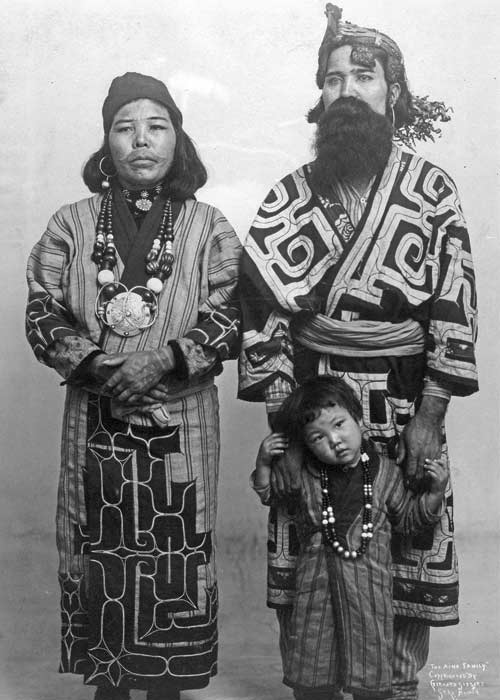
The intersection of ink and drink among the Ainu was literal. Women, who were the primary practitioners of both tattooing and brewing, would scrape soot from the underside of the earthenware pots used to brew tonoto (millet or rice beer). This soot was then mixed with water to create the pigment for tattoos. These tattoos, particularly the distinctive markings around the mouth, were believed to mimic the appearance of Kamuy Fuchi and were essential for a woman’s entry into the afterlife.
The brewing of tonoto was equally ritualized. It was not a casual beverage but a sacred offering. During the brewing process, women remained in constant communication with the goddess, ensuring the fermentation was successful. The use of the same hearth-derived materials for both the beer-making vessels and the tattoo ink created a closed loop of spiritual protection, where the fire that transformed the grain into alcohol also provided the pigment that transformed the girl into a woman.
The Kalinga: Fermentation in the Pigment
The Kalinga of the northern Philippines offer a unique technical intersection between tattooing and fermentation. Traditional "batok" involves the use of a thorn from a pomelo or lime tree attached to a bamboo stick, which is then tapped into the skin. The pigment used in this process was historically a mixture of soot and water, but in certain regions, sugarcane juice was utilized as the liquid carrier.
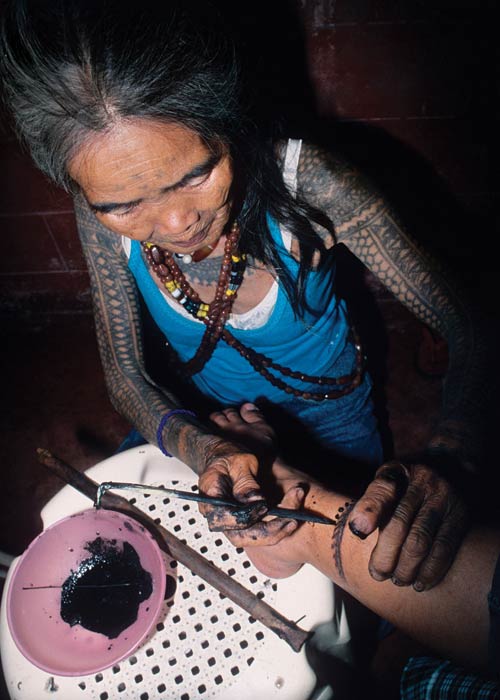
Sugarcane juice is highly fermentable due to its high sucrose content and the presence of wild yeasts. When mixed with soot and allowed to sit, the ink would begin a slow process of fermentation. While the primary goal was the creation of a lasting pigment, the chemical changes induced by fermentation—such as the production of mild alcohols and organic acids—impacted the ink’s consistency and its interaction with the skin.
Socially, the "batok" and the consumption of fermented beverages like "tapuy" (rice wine) occurred in the same communal spaces. Tattoos were earned through acts of valor (for men) or as markers of maturity and beauty (for women), celebrations that were invariably accompanied by the sharing of rice wine. Today, while modern inks have largely replaced fermented mixtures, the cultural logic remains: the transformation of the body through ink is celebrated through the communal experience of the drink.
The Makushi: Tattoos as Brewing Charms
In the savannas of southern Guyana, the Makushi people developed a sophisticated system where tattooing was used as a functional tool to ensure the success of fermentation. Their staple crop, cassava, contains cyanogenic glycosides that must be removed through labor-intensive processing before it can be fermented into "parakari."
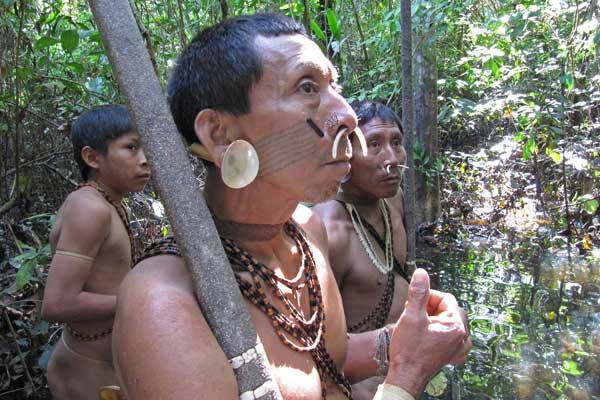
Parakari is unique because it involves a dual fermentation process using both a specific mold (Amylomyces rouxii) and wild yeasts. This complexity meant that the brewing process was prone to failure if the conditions were not perfect. To mitigate this risk, Makushi women utilized "kansku" tattoos as charms. These markings, often placed on the arms and jaws, featured motifs of bees (representing sweetness) or scorpions (representing the "sting" or potency of the alcohol).
According to cultural anthropologist Dr. Lars Krutak, these tattoos were more than decorative; they were considered necessary for the production of high-quality beer. A woman with the correct markings was believed to possess the spiritual "heat" or "agency" required to guide the cassava through its transformation. This represents a rare example where the tattoo is not just a reflection of a completed transformation, but a prerequisite for a biological one.
Hawaiian Epistemology: Genealogy and the Kalo
In Native Hawaiian culture, the relationship between "kākau" (tattooing) and "poi" (fermented taro) is explained through the concept of genealogy (moʻokūʻauhau). Taro, or "kalo," is not just a food source; it is "Hāloa," the elder brother of the Hawaiian people. The process of pounding kalo into poi and allowing it to ferment is an act of caring for an ancestor.
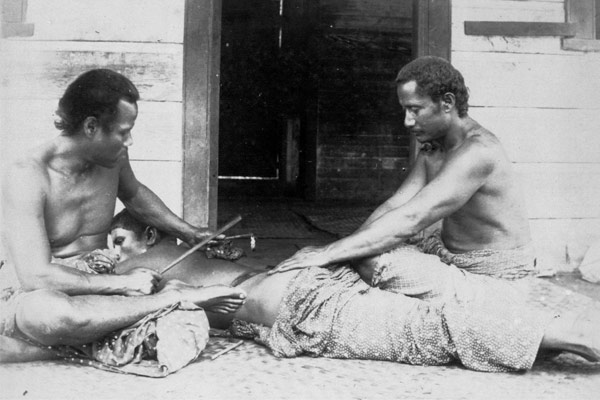
Similarly, "kākau" is a method of wearing one’s genealogy on the skin. Dr. Lindsay Malu Kido, a scholar of indigenous body sovereignty, notes that "reviving kākau is an act of decolonization because it reclaims the body as a site of ancestry." The fermentation of poi and the application of tattoos are both rhythmic, time-intensive processes that require a deep understanding of one’s place within a lineage. Both practices require the practitioner to be in a state of "pono" (righteousness or balance) for the transformation to be successful.
Supporting Data: The Science of Transformation
The technical parallels between these two crafts are supported by biochemical and sociological data. Fermentation is the anaerobic conversion of sugars into ethanol, carbon dioxide, or organic acids by microorganisms. Tattooing is the mechanical suspension of inert pigments within the dermal layer of the skin.
| Feature | Fermentation | Tattooing |
|---|---|---|
| Raw Material | Grain, Fruit, Tuber | Soot, Ash, Plant Pigment |
| Agent of Change | Yeast / Bacteria | Human Practitioner / Tool |
| Result | Preservation / Potency | Identity / Permanence |
| Cultural Value | Social Cohesion | Ancestral Connection |
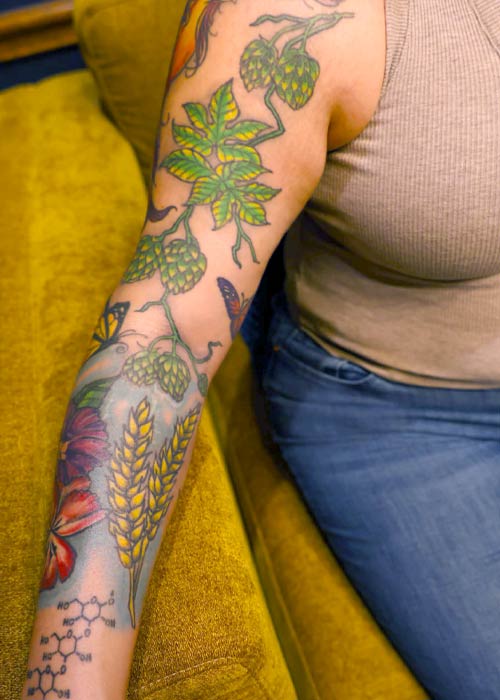
From a sociological perspective, the "craft" nature of these practices serves as a counterpoint to industrialization. In a 2023 survey of craft brewery employees, over 70% of respondents reported having at least one tattoo, with a significant percentage of those tattoos featuring brewing-related imagery (hops, yeast, chemical formulas). This suggests that even in a modern, secular context, the "shared grammar of transformation" continues to resonate with those who work in fermentation.
Analysis of Implications: Decolonization and Modern Identity
The resurgence of traditional tattooing and indigenous fermentation practices is increasingly recognized as a form of "cultural resistance." By returning to ancestral methods of ink-making and brewing, indigenous communities are reclaiming their narrative from colonial histories that sought to erase them.
- Sovereignty: Reclaiming traditional fermentation (like Ainu tonoto or Hawaiian poi) asserts food sovereignty, while reviving traditional tattooing asserts bodily sovereignty.
- Economic Impact: The "heritage" aspect of these crafts has created new pathways for indigenous tourism and artisanal products, though this brings challenges regarding cultural appropriation.
- Psychological Well-being: For individuals like Sandra Murphy and Rachael Engel, as noted in contemporary accounts, the intersection of brewing and tattooing provides a framework for personal transformation and the processing of trauma or identity shifts.
Conclusion: The Traces of Our Origins
The intersection of ink and drink reveals a fundamental human desire to mark the passage of time and the change of state. Whether it is the chemical fermentation of a beverage or the physical tattooing of the skin, both acts require a commitment to a process that cannot be rushed. They are "slow crafts" in a fast world.
As these ancient practices move into the 21st century, they continue to serve as reminders of where we come from. The soot from a hearth, the juice of a sugarcane, and the starch of a cassava root are all transformed through care and ritual into something that sustains the spirit as much as the body. In the end, ink marks the skin and fermentation marks the food, but both leave an indelible mark on the human story.