admin
admin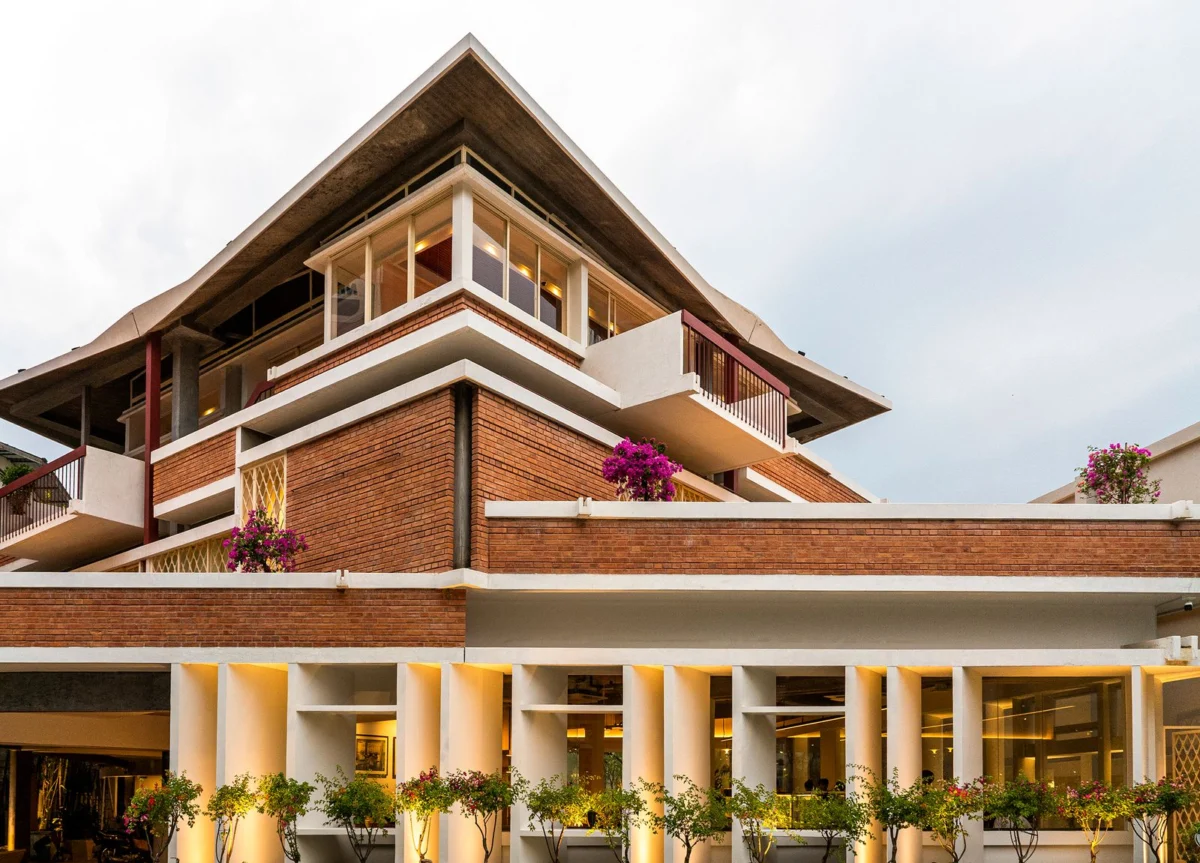
Phnom Penh, Cambodia – A landmark structure, once the private residence of Cambodia’s revered modernist architect Vann Molyvann, has been meticulously transformed into a dynamic multi-story cultural and commercial hub. Opened in 2025, the renovated 1966 home now hosts a new branch of the popular Brown Coffee chain on its ground floor, alongside an art and design store, while its upper levels house an in-house museum and archive dedicated to the architect’s prolific legacy. This adaptive reuse project, located at the heart of Phnom Penh on Mao Tse Toung Boulevard, is swiftly becoming a focal point for young Cambodians, offering a unique blend of modern convenience, creative inspiration, and a profound connection to their nation’s architectural past.
A Modern Oasis Amidst Urban Vibrancy
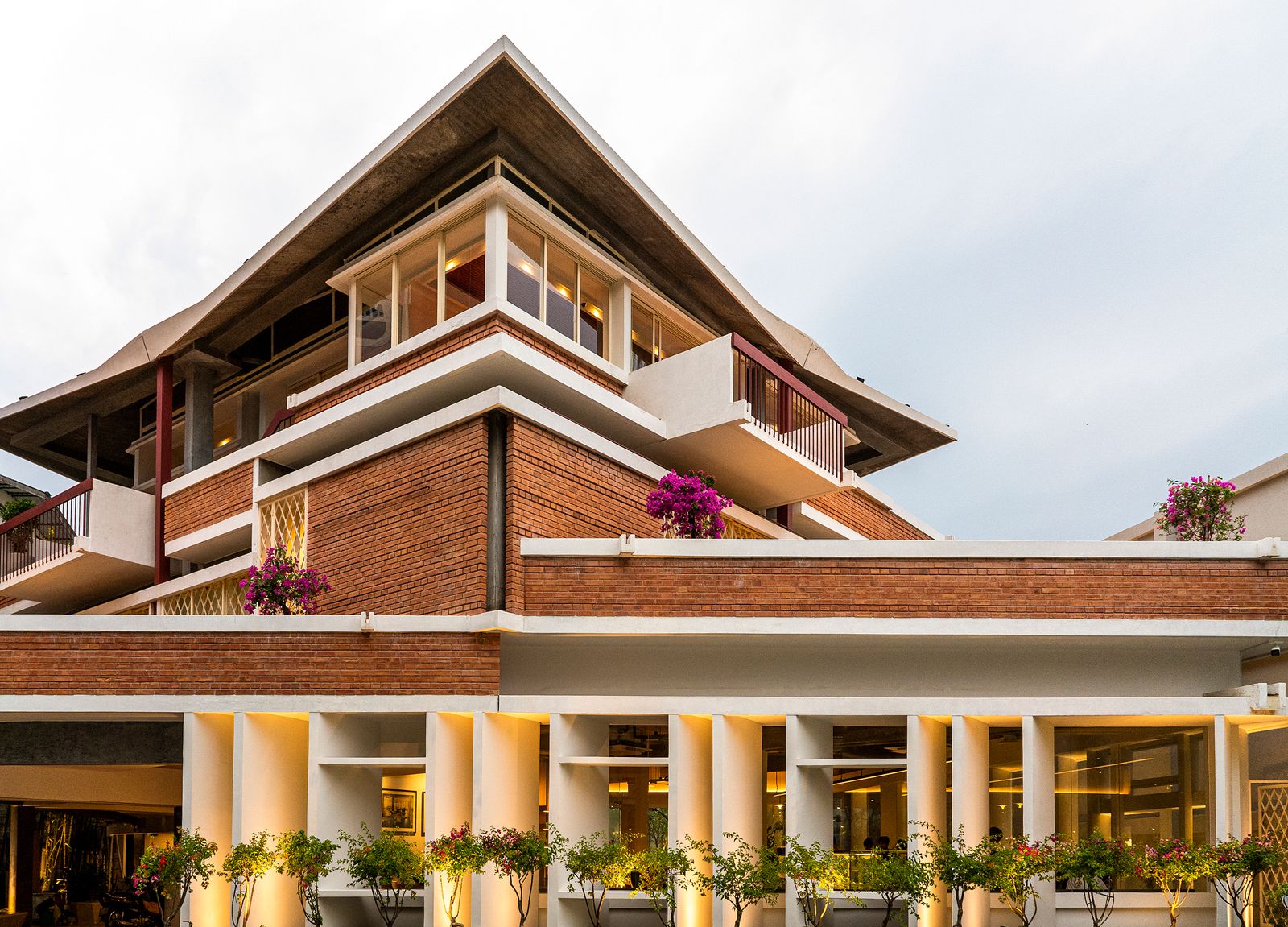
The four-story building itself is a testament to Vann Molyvann’s pioneering vision, showcasing his environmentally attuned design principles that remain remarkably relevant today. Under a distinctive parabolic roof, the upper floors of the cube-like structure are ingeniously rotated 45 degrees. This innovative orientation serves a dual purpose: significantly reducing street noise from the bustling boulevard below, and optimizing natural ventilation and light. Further enhancing its climatic performance, the building features double-layered walls and a strategic array of openings designed to keep the interiors cool in Cambodia’s pervasive tropical heat, minimizing reliance on energy-intensive air conditioning.
On the ground floor, overlooking a serene palm-tree-filled garden, Brown Coffee’s newest location has quickly established itself as a bustling "third space." Here, the hum of hushed conversations blends with the gentle clatter of laptops, as twenty-somethings immerse themselves in work, study, or social interaction. Brown Coffee, a prominent local chain known for its contemporary appeal, recognized the unique potential of this historic site. "Our vision for this location was to create more than just a coffee shop; it’s a community hub," stated a Brown Coffee spokesperson, emphasizing the blend of modern amenities with a deep respect for the building’s heritage. "It’s about providing a space where people can connect, create, and be inspired by the genius of Vann Molyvann, right where he once lived and worked." The cafe’s popularity underscores a broader trend in Phnom Penh, where a burgeoning youth population seeks out aesthetically pleasing and functionally comfortable spaces for both leisure and productivity.
Reconnecting with a National Icon: The Museum and Archive

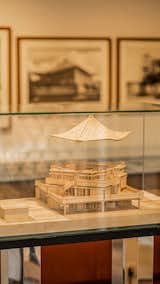
Beyond the allure of artisan coffee, the building offers an enriching journey into the life and work of Vann Molyvann. Visitors can ascend to the top level to explore the in-house museum, which features intricate models of the Cambodian architect’s numerous designs. Adjacent to the museum, a dedicated archive room invites deeper exploration, housing a vast collection of his drawings, blueprints, and documents. This accessibility allows a new generation, many of whom may have only known his iconic structures without understanding the man behind them, to intimately engage with his creative process and intellectual contributions. Vann Molyvann, who passed away in 2017, left an indelible mark on Cambodia, designing hundreds of buildings during a period of intense urban investment following the nation’s independence. His portfolio includes national stadiums, theaters, universities, and government buildings, many of which have attained the status of national icons. The centennial of his birth provided a powerful impetus for the renovation of his 1966 residence, transforming it into a living monument that bridges past and present.
Nurturing Local Talent: A Beacon for Artists and Designers
The ground floor also hosts Monday Mundane, an art and design store founded by entrepreneur and artist Ket Monnyreak, in his early thirties. His studio, strategically positioned near the café, offers prints and stickers that capture the essence of Phnom Penh, attracting young shoppers eager for local, contemporary design. Ket’s dedication to craft is deeply inspired by Vann Molyvann’s work. "Vann gave an identity to Phnom Penh city," Ket affirms. "His commitment to push the boundaries of Khmer architecture is admirable. Each work of his is a masterpiece." Ket, whose academic background includes architecture before specializing in visual communication, finds profound motivation in the space. "This space makes me feel proud, inspired, and motivated to create more," he states, highlighting the tangible impact of architectural heritage on contemporary creative endeavors. The presence of such a store within Vann Molyvann’s former home exemplifies a growing movement among Cambodian youth to celebrate and reinterpret their cultural heritage through modern artistic expressions, fostering a vibrant local creative economy.

Vann Molyvann: The Architect of a Nation’s Identity
Vann Molyvann’s journey as an architect began with an extraordinary opportunity. At the age of 20, he left Cambodia on a scholarship to study under the legendary Le Corbusier in Paris. This period of intense learning exposed him to the cutting edge of Western modernism. Upon his return to Cambodia in 1955, just two years after the country gained full independence from France, his talent was quickly recognized. Prince Norodom Sihanouk, then head of state, appointed him as the state architect, entrusting him with the monumental task of shaping the architectural landscape of a newly independent nation.
Under Sihanouk’s patronage, Vann Molyvann became the leading figure of what is now known as "New Khmer Architecture." This distinctive style was a masterful synthesis of Western modernist principles with traditional Khmer cultural and architectural concepts. He ingeniously expanded on indigenous construction wisdom, incorporating elements like natural openness and ventilation systems, graceful swooping roof forms, stepped elevations, and the strategic use of water as a functional and aesthetic design element. This approach drew direct inspiration from Cambodia’s rich history, particularly the engineering marvels of the 12th-century Khmer temple, Angkor Wat, renowned for its extensive moat system connected to a vast hydraulic network.
His environmentally attuned ideas were revolutionary for their time and remain exemplary for sustainable design today. He incorporated "brise soleils" (sun breakers) to filter harsh tropical sunlight and utilized moats and water features to cool structures through natural ventilation, a testament to his deep understanding of the local climate. These principles are evident in iconic structures such as Phnom Penh’s fan-like Chaktomuck Conference Hall (built in 1961), originally a venue for ceremonies for foreign leaders and now a performing arts center, and the sprawling National Olympic Stadium (completed in 1964). "His work created a uniquely Cambodian form of modernism by drawing inspiration from international modern architecture and traditional Khmer design principles," explains Pen Sereypagna, the director of the Vann Molyvann Project, an organization dedicated to raising awareness and preserving the architect’s works.
A Legacy Under Threat and its Resilient Revival
The enduring presence of Vann Molyvann’s architectural ideas is remarkable, considering the tumultuous history Cambodia endured. In 1971, the political landscape shifted dramatically when Prince Norodom Sihanouk was overthrown in a military coup. This period of instability marked the beginning of a difficult chapter for the nation and its architectural heritage. Vann Molyvann, along with his young family, was forced to flee the country, leaving behind the buildings that embodied his vision. Under the subsequent regimes, some of his structures were regrettably leveled, abandoned, or fell into severe disrepair.
The most brutal period came with the communist Khmer Rouge regime, led by Pol Pot, from 1975 to 1979. This era of widespread destruction and intellectual purge had a devastating impact on Cambodia’s cultural and physical infrastructure. Vann Molyvann’s National Olympic Stadium, once a symbol of national pride, was tragically repurposed as a site for mass executions, a chilling testament to the regime’s barbarity. "After the Khmer Rouge, the country was destroyed," recalls Carole Vann, the eldest daughter of Vann Molyvann’s six children. "There was no law, no cadastre, nothing." The systematic destruction of institutions and records during this period meant that much of the country’s architectural and cultural memory was erased or severely damaged.
Despite these profound setbacks, Vann Molyvann’s commitment to his homeland remained unwavering. After a period working for the United Nations in Switzerland, he returned to Cambodia in 1991, driven by a desire to help the war-torn country rebuild its spirit and identity. He took on crucial roles, serving as the culture minister and, perhaps most notably, as the head of the Apsara Authority, the government institution tasked with protecting and managing Angkor Wat. Through his leadership at the Apsara Authority, he played a pivotal role in safeguarding Cambodia’s most precious monument. He successfully prevented the then-penniless nation from losing its heritage to foreign collectors or developers. Going a step further, he championed and enacted a landmark law that prohibited the construction of tall buildings near the temple, preserving its majestic sightlines. In 1992, his efforts culminated in Angkor Wat being designated a UNESCO World Heritage Site, ensuring its international protection and recognition.
Enduring Influence and Future Generations
While some of Vann Molyvann’s works have been lost over the years—including the Council of Ministers building, demolished in 2008; the National Theatre, torn down after a fire; and several homes from his 1965 "100 Houses Project" for National Bank employees—the majority of his most significant buildings remain relatively intact. More importantly, his architectural philosophy continues to thrive through the work of his students and a new generation of Cambodian designers. On the tranquil coast of Kep, three 1950s villas originally designed by his protégés have been meticulously restored and integrated into an 18-bedroom hotel, the Knai Bang Chatt by Kep West, which also opened in 2025. This project exemplifies how his design principles, particularly those adapted to the local climate and culture, continue to inspire contemporary hospitality and preservation efforts.
The vibrant revival of his former home is also a testament to his lasting impact. In July of 2026, the residence hosted "Monsoon Modernism," an architectural competition that attracted over 400 young designers. This event underscored the architect’s continued relevance, particularly his emphasis on climate-sensitive design. Lim Chhunly and Mel Siv Orn, a design duo, clinched first prize with their proposal for a three-story villa. Their design skillfully channels core concepts from Vann Molyvann’s home, such as rotating the building to harness prevailing winds and utilizing exposed brick for passive climate control. They further innovated with a folding, shell-like roof designed to capture rainwater and L-shaped bricks that create honeycomb-like walls, optimizing both natural light and ventilation. "Each of his projects presents a different solution, whether responding to the climate or the site," Lim reflects. "Good architecture should always reflect thoughtful solutions and meaningful experiences." Carole Vann aptly summarizes this enduring legacy: "What is great about this generation is that they’re thinking about the environment—how to use light and ventilation. And in this my father was an example."
The transformation of Vann Molyvann’s residence into a multi-faceted cultural hub marks a significant milestone in Cambodia’s efforts to preserve and celebrate its modern heritage. It not only provides a tangible link to the past but also serves as a vibrant platform for contemporary cultural expression and environmental consciousness. By integrating a popular commercial enterprise with a dedicated museum and an active creative space, the project ensures that Vann Molyvann’s genius continues to resonate, inspiring future generations of Cambodians to build upon his legacy of thoughtful, climate-responsive, and culturally rich architecture. This initiative holds broader implications for urban development in Southeast Asia, demonstrating how historic buildings can be adaptively reused to create economically viable and culturally enriching spaces, fostering a deeper appreciation for national identity and sustainable design in a rapidly modernizing world.