admin
admin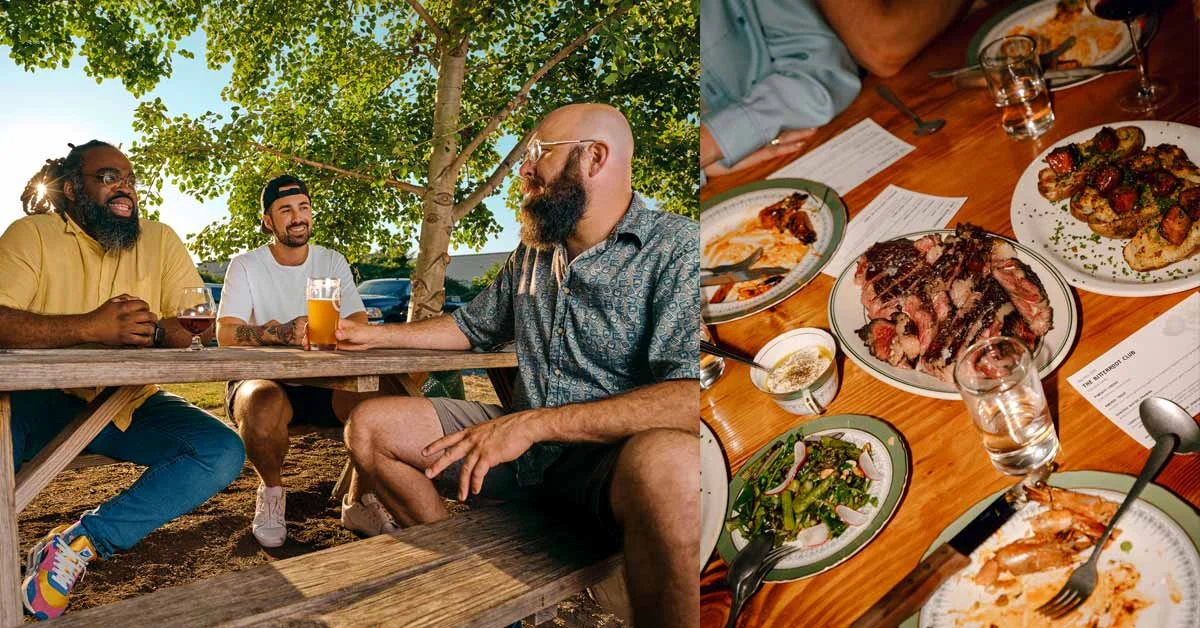
The landscape of the American craft beer industry is undergoing a significant transformation as established hubs like Portland, Oregon, transition from a period of rapid expansion to one of sophisticated refinement and culinary integration. At the forefront of this movement is Grand Fir Brewing, located in the historic Buckman neighborhood of Southeast Portland, where the traditional brewpub model is being reimagined through high-end gastronomic experiences. Opened in November 2022 by the husband-and-wife team of Whitney and Doug Adams, the establishment exemplifies a strategic shift toward "elevated" offerings designed to capture the attention of an increasingly discerning consumer base. This evolution comes at a critical juncture for the industry, as brewers nationwide grapple with a shrinking marketplace, rising real estate costs, and changing social habits in the post-pandemic era.
The Intersection of Culinary Arts and Craft Brewing
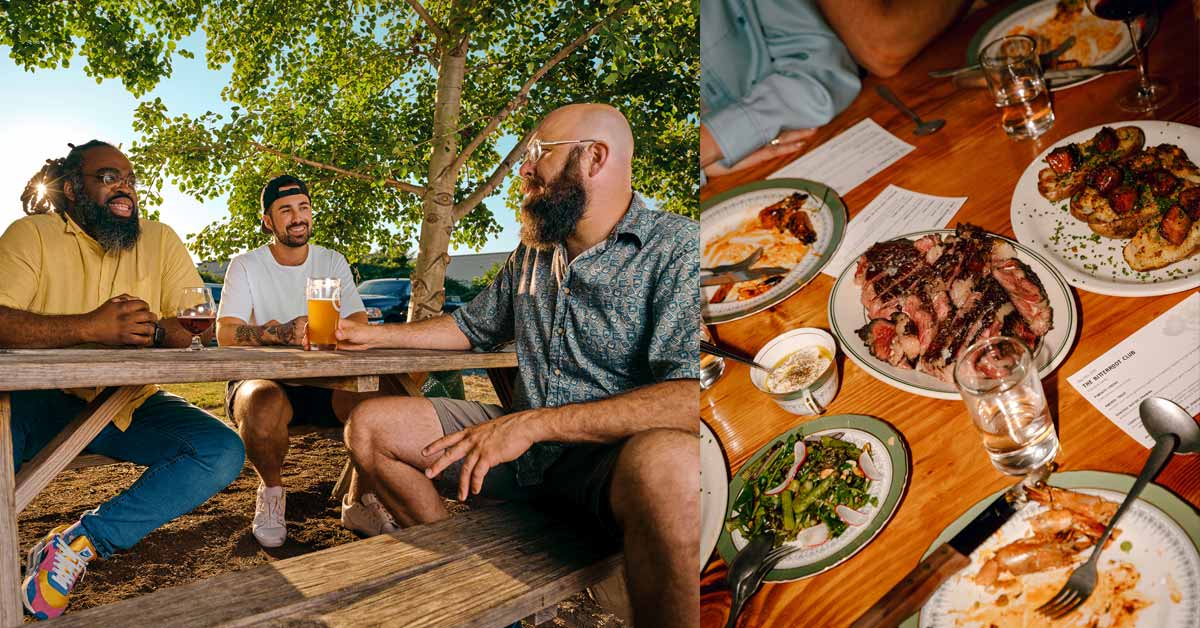
A primary example of this new strategic direction is The Bitterroot Club, a weekly supper club hosted within a secluded, rustic space at the rear of the Grand Fir building. The club serves as a platform for co-owner Doug Adams, a former Top Chef finalist and James Beard Award semifinalist, to apply fine-dining techniques to a menu specifically designed to complement the beers brewed by Whitney Adams. This $135-per-person prix fixe experience represents a departure from the casual, high-volume taproom model that dominated the early 2000s.
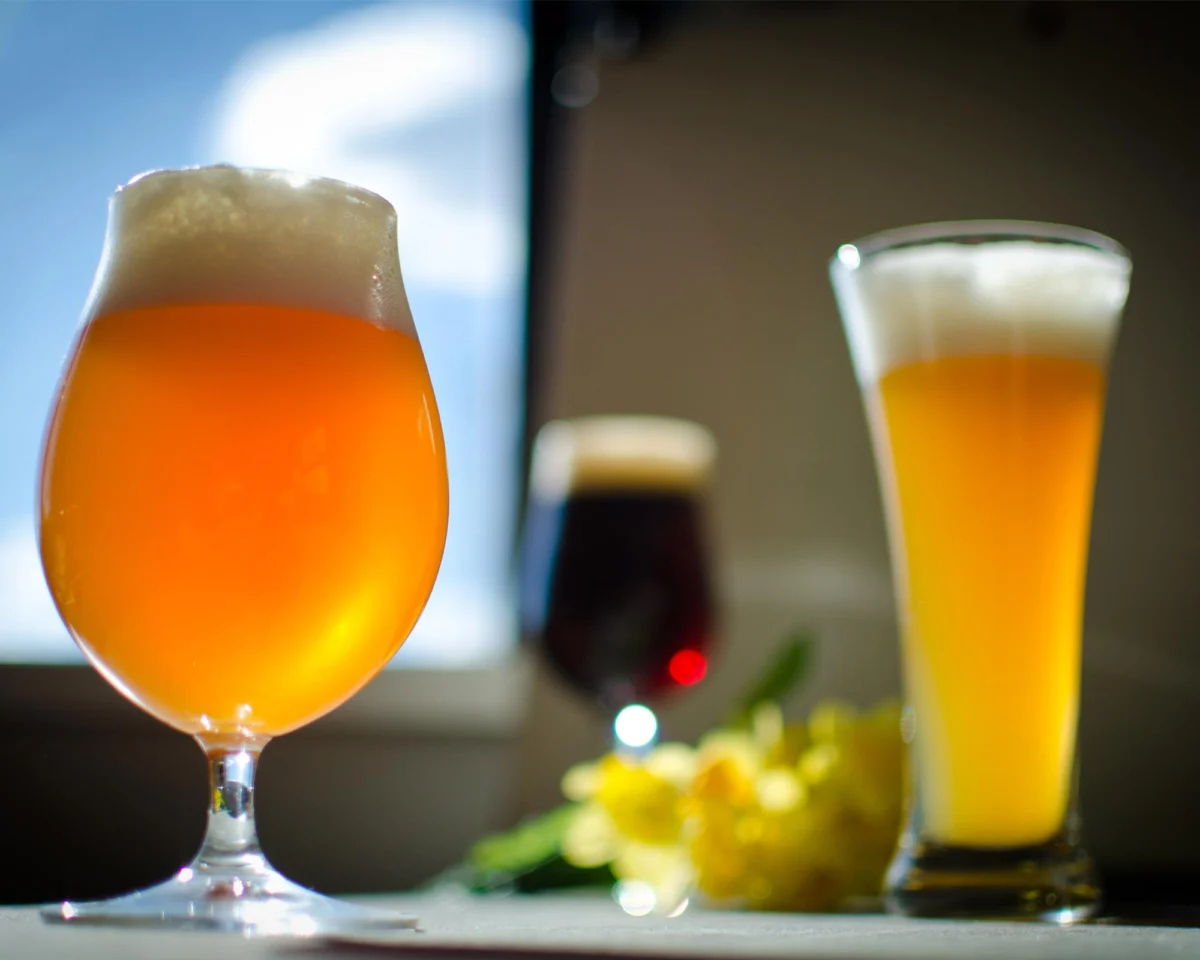
The menu highlights the synergy between regional ingredients and specific beer profiles. Recent pairings have included Columbia king salmon served with lemon, fig, and basil, matched with a bready Tamarack Fest lager to enhance the savory richness of the fish. Subsequent courses, such as charcoal-grilled pork chops with Nardello peppers and hazelnuts, are paired with the Bandit Run Mosaic American IPA to provide a clean finish against salty, smoky flavors. This level of intentionality reflects a broader trend in Portland where beer is no longer treated as a standalone commodity but as a foundational element of a holistic dining experience.
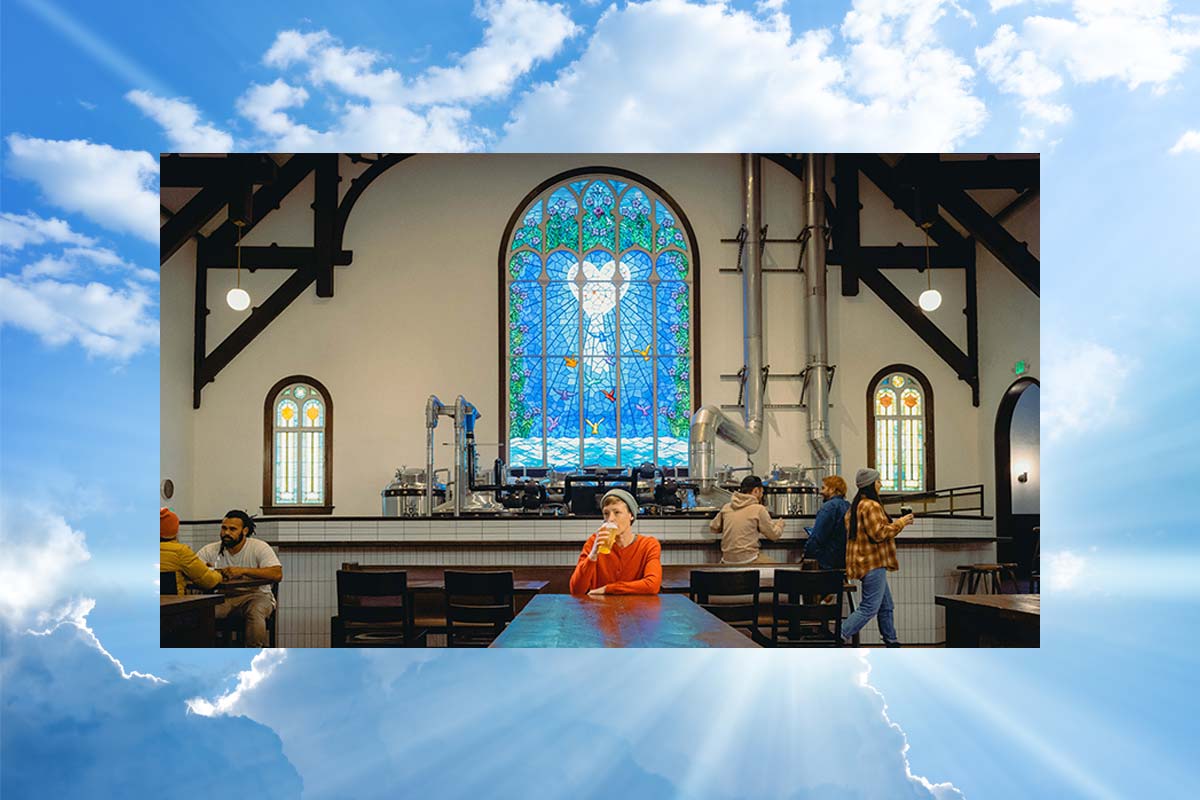
Whitney Adams, an industry veteran with experience at Upright Brewing, Elysian, and 10 Barrel Brewing Company, suggests that this "angle" is essential for modern survival. In an era where "craft" has become the baseline expectation, establishments must offer more than just high-quality liquid to maintain a foothold. This sentiment is echoed by other industry leaders who note that while Portland has not been immune to economic woes, the local market remains resilient due to the high "beer IQ" of its residents.
A Historical Chronology of Beervana
The identity of Portland as "Beervana" is rooted in a unique combination of geographic isolation and agricultural proximity. The city’s brewing culture began to coalesce in the 1980s and early 1990s, fueled by the proximity of the Willamette Valley, one of the world’s premier hop-growing regions. In 1994, the local alt-weekly Willamette Week first coined the term "Beervana" to describe the budding scene. Unlike many other American cities where "Big Beer" distributors like Miller and Budweiser dominated the market, Portland’s geographic position allowed independent microbreweries to establish a dominant local presence early on.
By the early 2000s, Portland had become what Van Havig, master brewer at Gigantic Brewing, describes as the "big leagues" of the craft world. During this decade, the city saw the rise of iconic labels that defined the Northwest-style IPA—a style characterized by aggressive hop profiles featuring citrus, floral, and pine notes. The template for this style was largely set by BridgePort Brewing Co.’s India Pale Ale in 1996, which utilized five local hop varieties to create a flavor profile that initially perplexed outsiders but quickly became the regional standard.
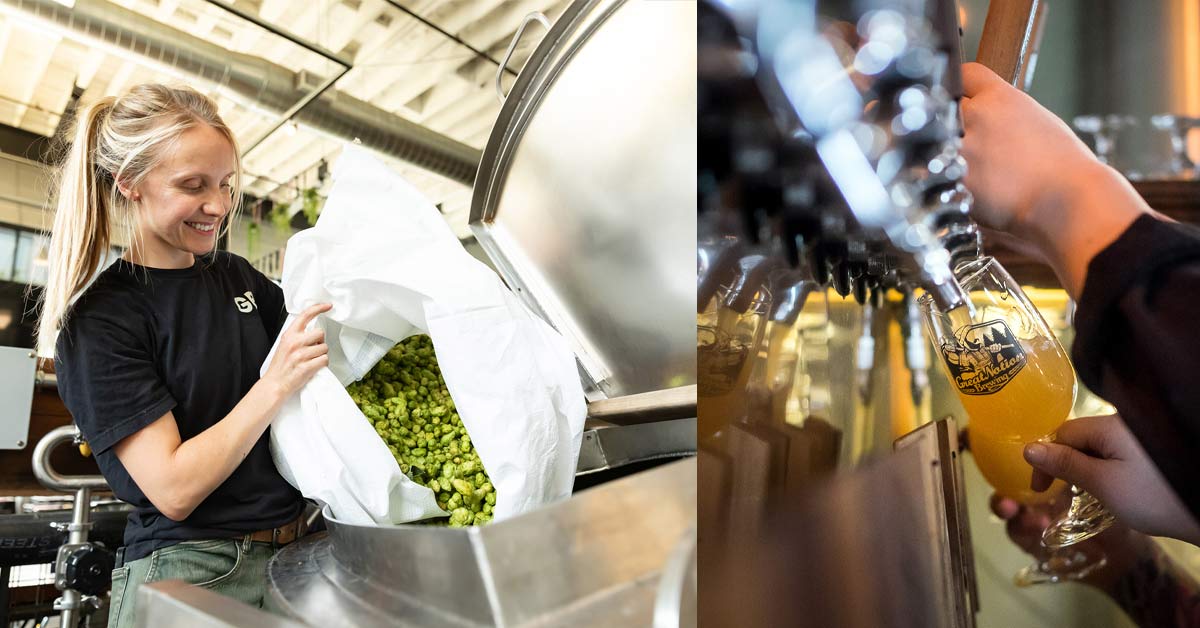
The 2010s marked a decade of extreme experimentation. As the palate of the average Portlander matured, brewers moved beyond ambers and pale ales into barrel-aging programs, pastry sours, and wild fermentations. This period also saw the "growler phenomenon," where gas stations and grocery stores across the city installed draft towers, providing unprecedented market access for small-scale producers. This infrastructure solidified the notion that in Portland, craft beer was not a specialty product but simply the default "beer" for the general population.
Supporting Data and Economic Impact
The significance of the brewing industry to the Oregon economy is substantial. According to data from the Brewers Association and the Oregon Beverage Alliance, the state consistently ranks among the top in the nation for breweries per capita. As of late 2023, Oregon was home to over 300 breweries, contributing more than $2.4 billion to the state’s economy and supporting approximately 30,000 jobs.
In Portland specifically, the density of breweries remains among the highest in the world. However, the marketplace is reaching a stage of maturity that economists often refer to as "market saturation." While the number of barrels produced has seen fluctuations due to the pandemic, the focus has shifted toward on-premises consumption and direct-to-consumer sales. This is a response to the "slippery marketplace" where national distribution has become increasingly competitive and expensive.
The following table outlines the shifting priorities in the Portland beer market over the last three decades:
| Era | Primary Focus | Key Styles | Distribution Model |
|---|---|---|---|
| 1990s | Establishing Identity | Hefeweizen, Amber Ale | Local Brewpubs |
| 2000s | Defining the NW IPA | Bitter, Piney IPAs | Regional Bottling |
| 2010s | Experimentation | Hazy IPAs, Wild Ales, Sours | Growler Stations / Specialized Bars |
| 2020s | Experience & Refinement | Lagers, NA Beer, Food Pairings | On-Premise / Supper Clubs |
Official Responses and Industry Perspectives
Industry leaders emphasize that the current challenges—including skyrocketing real estate prices and shifting consumer preferences—are being met with a spirit of collaboration rather than cutthroat competition. Ben Edmunds, brewmaster at Breakside Brewing, notes that the "brewing family tree" in Portland has become more complex. In previous decades, brewers tended to stay with one flagship company for their entire careers. Today, a new generation of experienced brewers is branching off to start their own boutique operations.
"These places like Grand Fir, Great Notion, Ruse, and Living Häus are being opened by people who are experienced and have well-regarded pedigrees," Edmunds stated. This influx of "new blood" is credited with keeping the scene vibrant even as older, larger breweries face the pressures of scaling in a volatile economy.
Van Havig of Gigantic Brewing points out that the term "craft beer" is rarely used by locals because the independent market has effectively "won" the region. "Here, it’s just beer," Havig said, highlighting that the cultural integration of independent brewing is so complete that it has become an invisible part of the city’s social fabric. This cultural entrenchment provides a buffer against the national trend of declining beer interest, as Portlanders view supporting local breweries as a matter of civic identity.
Broader Impact and Future Implications
The transition toward "elevated" brewpubs like Grand Fir has implications for the broader hospitality industry. As consumers become more selective about where they spend their discretionary income, the traditional "dark and dingy" taproom is being replaced by spaces that offer comfort, high-quality food, and a sense of "place."
Furthermore, the industry is seeing a significant investment in non-alcoholic (NA) offerings. National stalwarts like Deschutes Brewery have recently invested in meticulous NA versions of their core brands, such as Black Butte Porter and Fresh Squeezed IPA. This move acknowledges the "sober-curious" movement and ensures that breweries remain relevant as social hubs even for those who are reducing their alcohol intake.
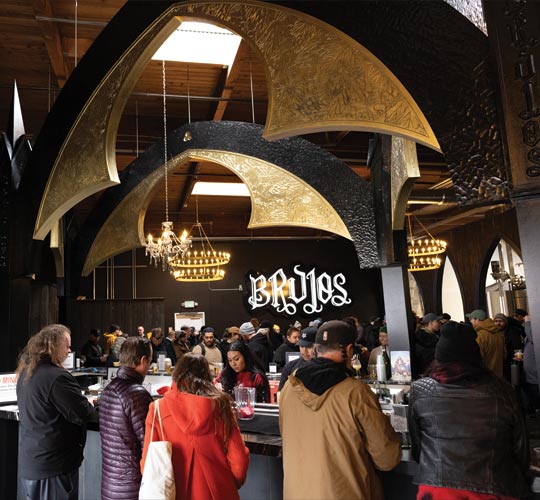
The future of Beervana likely lies in this duality: maintaining the rigorous technical standards that made the city famous while embracing a more inclusive and diverse range of flavors and experiences. Whether it is through a $135 supper club or a meticulously crafted cold IPA at a metal-themed brewery like Brujos, the Portland scene is proving that resilience is built on a foundation of quality and community. As Whitney Adams concludes, the shared love for the craft among both brewers and a savvy customer base is what holds the ecosystem together, ensuring that Portland remains a global benchmark for what a successful beer culture looks like in the 21st century.