admin
admin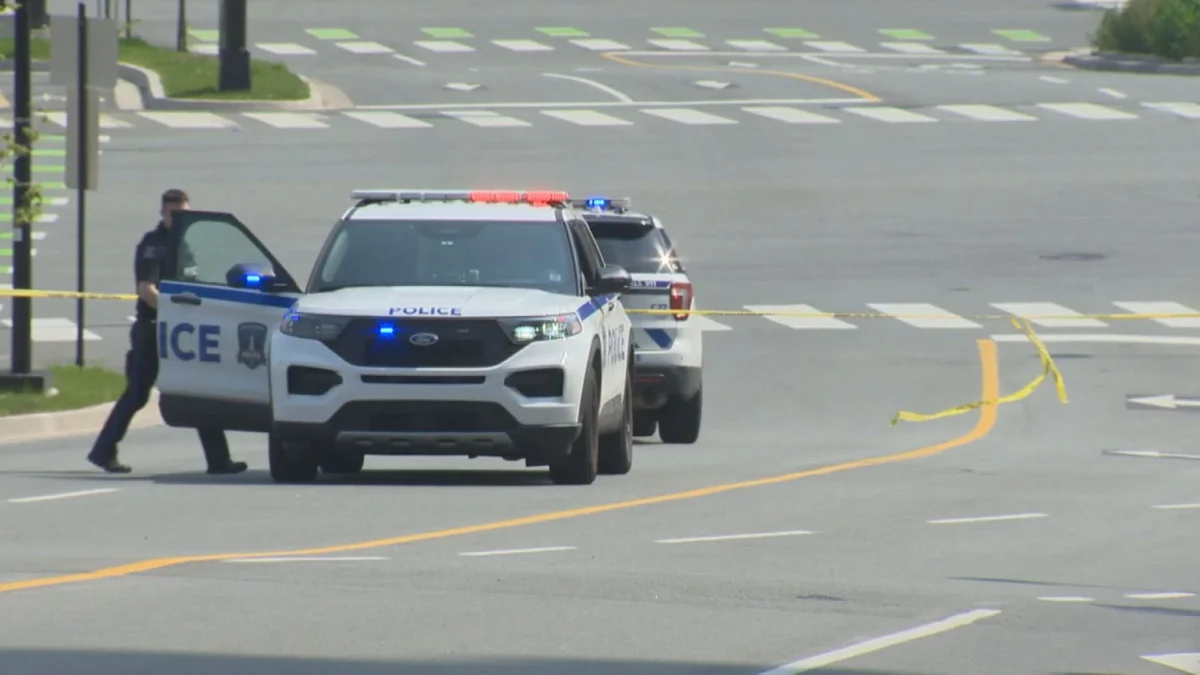
A 54-year-old man, Ali Assakereh, arrested in connection with a bomb threat targeting the U.S. Consulate in Halifax, is now facing a terrorism charge, a legal development that could potentially lead to a life sentence. Federal Crown prosecutor Lee-Ann Conrod formally issued notice under Section 83.27 of the Criminal Code of Canada, signifying that the charge of threatening an internationally protected person can be designated as a terrorism offence. This escalation underscores the severe view taken by Canadian authorities regarding threats against diplomatic missions and their personnel, elevating the incident from a routine criminal matter to one with significant national security implications.
The initial incident, which unfolded over two tense days in early August, prompted a widespread evacuation and lockdown of downtown Halifax, drawing considerable public attention and resources from local law enforcement and specialized units. Assakereh, who was initially charged with uttering threats and public mischief, now confronts a significantly more serious legal battle following the Crown’s decision to pursue the terrorism designation. This move by the Public Prosecution Service of Canada (PPSC), which has taken over the file from the provincial Crown, signals the profound gravity and potential long-term consequences of the alleged actions.
A Detailed Account of the Incident: From Threat to Arrest
The chain of events that led to Assakereh’s arrest and the subsequent laying of charges began on the evening of Tuesday, August 9. At approximately 6:15 p.m. AT, Halifax Regional Police were alerted to a credible threat made against the U.S. Consulate, strategically located within Purdy’s Wharf, a prominent commercial complex on Upper Water Street in downtown Halifax. The nature of the threat immediately triggered a high-priority response from law enforcement, given the sensitivity surrounding diplomatic facilities.
Investigators worked through the night, and by the following morning, Wednesday, August 10, significant progress had been made. At around 8:10 a.m., police successfully identified a suspect and located a vehicle believed to be connected to the threat. The vehicle was found parked in the parkade of Purdy’s Wharf, directly beneath the consulate offices. A visual inspection of the vehicle’s interior revealed alarming contents: a propane tank and several containers suspected to hold flammable liquid. These items immediately raised concerns about the potential for a dangerous explosion or fire, prompting an urgent and expansive emergency response.
The discovery of these materials necessitated immediate and decisive action to ensure public safety. Authorities swiftly initiated a shutdown of the surrounding downtown area, including several key streets, to create a secure perimeter. Businesses within Purdy’s Wharf and nearby buildings were evacuated, and pedestrians were redirected away from the zone of concern. The Halifax Regional Police’s bomb disposal unit, specially trained to handle explosive devices and hazardous materials, was dispatched to assess and neutralize the potential threat. In addition to the vehicle, a suspicious bag was also discovered nearby, adding another layer of complexity to the unfolding situation.
While emergency crews meticulously worked to secure the area and render the vehicle’s contents safe, the search for the suspect intensified. Just minutes after the vehicle was located, at approximately 8:35 a.m., Ali Assakereh was apprehended by police. He was found approximately 10 kilometers away from Purdy’s Wharf, near the Canada Games Centre on Thomas Raddall Drive. Assakereh was taken into custody without incident and transported for questioning. The comprehensive response ensured that by 2:00 p.m. that same day, the evacuation order was lifted, and downtown Halifax began to return to normal, albeit with a heightened sense of vigilance.

The Escalation of Charges: A Deep Dive into Legal Frameworks
The legal proceedings against Ali Assakereh have seen a rapid and significant escalation since his initial arrest. Initially, on August 11, he was formally charged with two offences: uttering threats and public mischief. These charges, while serious, typically carry maximum penalties that are considerably less severe than those now being contemplated. However, the legal landscape shifted dramatically on August 19, when a new and far more grave charge was laid against him: threatening an internationally protected person, specifically under Section 424 of the Criminal Code of Canada.
This particular charge immediately flagged the case for the attention of federal prosecutors, given its implications for international relations and Canada’s obligations under international law. Federal Crown prosecutor Lee-Ann Conrod confirmed on Wednesday that notice had been given under Section 83.27 of the Criminal Code of Canada. This crucial section allows the Crown to seek an increased maximum penalty, up to life imprisonment, if an offence is deemed to be a "terrorism offence." Conrod explicitly stated that the new charge "is defined as a terrorism offence under Section 2 of the Criminal Code," which provides the legal basis for invoking Section 83.27.
Section 2 of the Criminal Code broadly defines "terrorist activity" as an act or omission, in or outside Canada, that is committed in whole or in part for a political, religious or ideological purpose, objective or cause, and that intentionally carries out an act or omission that causes death or serious bodily harm, endangers a person’s life, causes a serious risk to the health or safety of the public, causes substantial property damage, or causes serious interference with or disruption of an essential service, facility or system. While the Crown has given notice of the potential for life imprisonment, Conrod clarified that at this stage, they do not anticipate asking for the maximum penalty, but the option remains open.
The decision to lay the terrorism charge also impacts how the other charges are handled. Conrod stated that the Crown is proceeding by indictment on both the uttering threats and public mischief charges, rather than as summary convictions. Proceeding by indictment significantly increases the potential penalties for these charges, each carrying a maximum sentence of up to five years imprisonment. This strategic decision underscores the comprehensive and serious approach the prosecution is taking in this case. Furthermore, the delegation of the entire file from the provincial Crown to the Public Prosecution Service of Canada (PPSC) signifies the federal government’s direct involvement, reflecting the national and international implications of a threat against a foreign consulate. The PPSC is responsible for prosecuting criminal offences under federal law, and its involvement here highlights the national security dimension of the case.
The Significance of Targeting Diplomatic Missions
Threats against diplomatic missions, such as the U.S. Consulate in Halifax, are treated with extreme gravity by both domestic and international legal frameworks. Diplomatic premises and personnel are afforded special protections under international law, primarily through the Vienna Convention on Diplomatic Relations (1961) and the Vienna Convention on Consular Relations (1963), to which Canada is a signatory. These conventions ensure the inviolability of diplomatic and consular premises, protecting them from search, requisition, attachment, or execution, and guarantee the safety and security of diplomatic agents and consular officers.
The U.S. Consulate in Halifax plays a vital role in fostering economic, cultural, and political ties between the United States and Atlantic Canada. It facilitates visa services, assists U.S. citizens abroad, and promotes bilateral trade and investment. Any threat to such an institution is not merely a localized criminal act; it can be interpreted as a direct challenge to the sovereignty and security of both the host nation (Canada) and the represented nation (the United States). Such incidents can strain diplomatic relations, prompt formal inquiries, and lead to heightened security alerts for other diplomatic facilities across the country.
From a national security perspective, a threat against a foreign consulate on Canadian soil is viewed as an act that could potentially undermine Canada’s international standing and its ability to uphold its commitments under international treaties. It necessitates a robust response to demonstrate Canada’s capability and resolve in protecting foreign missions and preventing acts that could be perceived as terrorism. The seriousness with which these threats are handled reflects a broader commitment to global stability and the rule of law.

Police and Emergency Services Response: Ensuring Public Safety
The response from Halifax Regional Police (HRP) and supporting emergency services during the August 9-10 incident was both swift and comprehensive, prioritizing public safety above all else. Upon receiving the initial threat, HRP immediately activated protocols for dealing with high-risk situations involving diplomatic facilities. The identification and location of the suspect’s vehicle within Purdy’s Wharf parkade, containing a propane tank and what appeared to be flammable liquids, triggered an immediate escalation of the response.
The HRP’s bomb disposal unit, a highly specialized team trained to manage and neutralize explosive devices and hazardous materials, was deployed to the scene. Their meticulous work was crucial in safely assessing the vehicle’s contents and determining the level of threat without causing further harm. Simultaneously, other police units, including patrol officers and traffic control, implemented a wide-ranging shutdown of downtown streets. This created a secure perimeter, preventing public access to the immediate vicinity of the threat and ensuring the safety of residents, workers, and visitors.
The evacuation of Purdy’s Wharf and surrounding buildings, though disruptive, was a necessary precaution. It involved coordinated efforts to clear potentially affected areas, providing clear instructions to occupants and ensuring an orderly process. The discovery of an additional suspicious bag nearby further complicated the situation, requiring additional assessment and clearance. The successful resolution of the incident by 2 p.m. on August 10, when the evacuation order was lifted, showcased the effective coordination and professionalism of all emergency services involved, including potentially the RCMP, who often assist in national security-related incidents, though their direct involvement wasn’t specified in the initial report. The disruption to businesses and daily life, while significant, was mitigated by the rapid and decisive action taken by authorities.
The Bail Hearing and the Path Forward
The legal proceedings have been further complicated by the ongoing bail hearing for Ali Assakereh. His appearance in court on Wednesday for a bail decision hearing was adjourned until Friday, marking yet another delay in the process. This follows previous adjournments from earlier in the week, highlighting the complexities and challenges inherent in such a high-stakes case.
The Crown remains steadfastly opposed to Assakereh’s release on bail. Federal Crown prosecutor Lee-Ann Conrod indicated that the prosecution believes Assakereh poses a significant risk if released, although specific reasons for this opposition were not detailed publicly. For Assakereh to be granted bail, his legal aid lawyer, Lonny Queripal, would need to present compelling evidence demonstrating why his client should be released from custody. This typically involves satisfying the court that the accused would not pose a flight risk, a danger to public safety, or interfere with the administration of justice.
Conrod explained that simply a defence counsel’s suggestion is insufficient; concrete evidence is required. She speculated that the defence might propose a surety—an individual who pledges money or property to the court as a guarantee that the accused will abide by bail conditions. The surety would also typically supervise the accused. The ongoing police investigation has reportedly complicated Queripal’s efforts to secure bail, as access to certain information or a complete understanding of the case might still be evolving.
The legal process for bail in cases involving serious charges, especially those with national security implications, is rigorous. The court must balance the presumption of innocence and the right to liberty with the need to protect the public and ensure the integrity of the judicial process. It remains uncertain whether a decision on Assakereh’s bail will be rendered on Friday or if further adjournments will be necessary, given the gravity of the charges and the detailed considerations involved.

Family’s Reaction and Personal Context
Amidst the complex legal and security dimensions of the case, the personal impact on Ali Assakereh’s family remains a poignant element. In a conversation with Global News last week, family members expressed profound shock and disbelief, stating they could not comprehend why Assakereh would allegedly threaten the U.S. Consulate. The family, originally from Iran, had only recently moved to Halifax two years prior, having previously resided in Malaysia. Their relocation to Canada’s East Coast represented a new chapter, which has now been overshadowed by these severe allegations.
The incident also directly affected the family’s home life. They reported being unable to access their residence for approximately 12 hours while police conducted a search, a common procedure in investigations of this nature. This experience added to their distress and bewilderment. The family member, whose identity was not disclosed for privacy reasons, reiterated their shock, underscoring the sudden and unexpected nature of the events from their perspective. This human element serves as a reminder of the broader ripple effects of such incidents, extending beyond the legal arena to impact the lives of those connected to the accused.
Broader Implications for National Security and Law Enforcement
The decision by the Public Prosecution Service of Canada to designate the charge of threatening an internationally protected person as a "terrorism offence" carries significant broader implications for national security and law enforcement in Canada. Such designations are not made lightly and signify a profound commitment by the state to respond forcefully to perceived threats that undermine national security, international relations, or public safety in a manner consistent with the definition of terrorism.
While actual acts of terrorism are rare in Canada, the legal framework is designed to address a spectrum of activities, including threats, that could destabilize society or target specific groups for ideological, political, or religious reasons. The application of Section 83.27 in this context sends a clear message that threats against diplomatic missions, even if not resulting in physical harm, will be scrutinized through a national security lens, potentially leading to the most severe penalties under Canadian law. This could serve as a deterrent for others contemplating similar actions.
This case may also prompt a review or reinforcement of security protocols surrounding diplomatic missions across Canada. While consulates and embassies typically have robust security measures in place, incidents like this highlight the persistent vulnerability to various forms of threats. Law enforcement agencies, in conjunction with Global Affairs Canada and other security partners, continuously assess and adapt security strategies to protect foreign diplomatic personnel and premises.
Furthermore, the prosecution of terrorism-related charges in Canada involves a high burden of proof. The Crown must demonstrate that the alleged actions were undertaken with a specific intent linked to a political, religious, or ideological purpose, beyond just the act of threatening. This makes such cases legally complex and often lengthy. The Public Prosecution Service of Canada’s expertise in handling these intricate legal battles will be crucial as the case progresses. This incident underscores the evolving nature of threats in a globalized world, where even localized actions can have international repercussions and demand a coordinated, multi-faceted response from legal and security apparatuses. The outcome of Ali Assakereh’s trial will undoubtedly set a precedent and provide further clarity on how Canada’s legal system addresses threats against internationally protected persons and the application of its anti-terrorism legislation.