admin
admin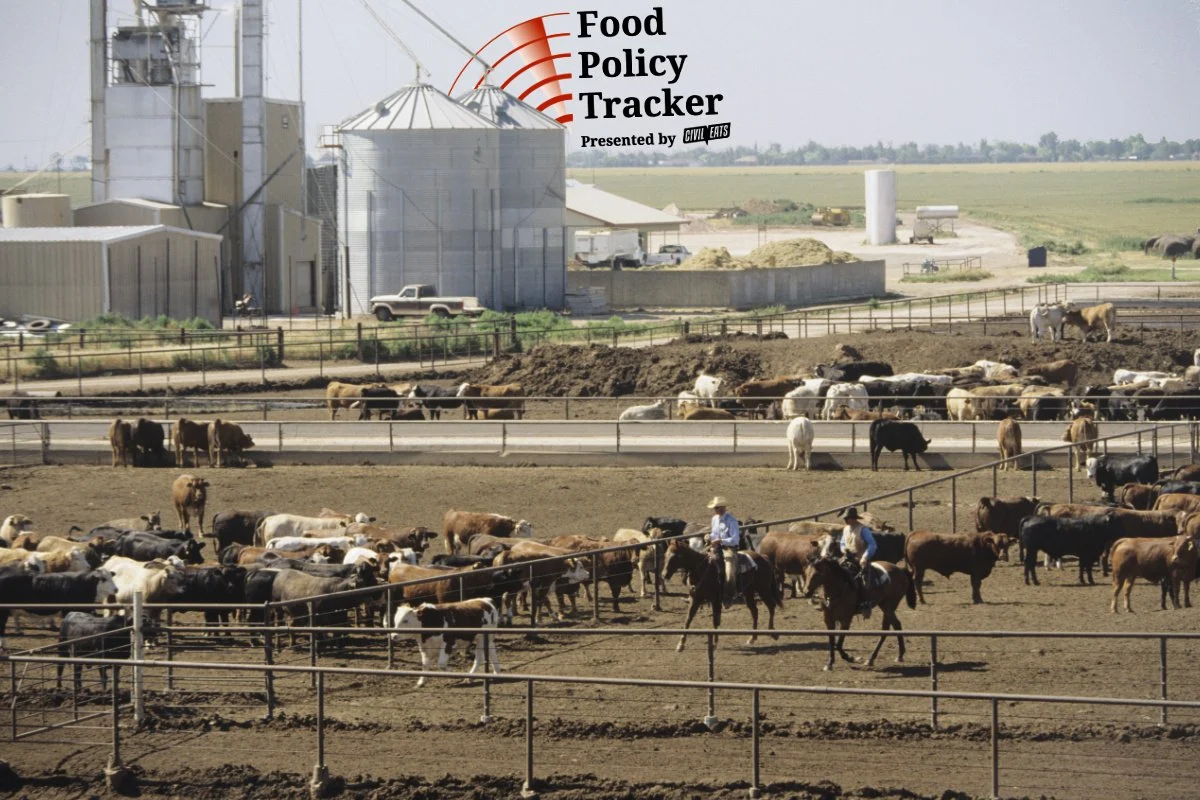
The United States has initiated a phased reopening of its southern border to cattle imports, marking a significant step back from stringent measures implemented over a year ago to combat the spread of New World screwworm (NWS). This development, announced by Agriculture Secretary Brooke Rollins, comes concurrently with the Trump administration’s controversial decision to temporarily lift tariffs on a substantial volume of imported ground beef, a move aimed at alleviating persistently high consumer prices but drawing sharp criticism from domestic cattle ranchers and some political figures.
The Resurgence and Containment of New World Screwworm
For over a year, U.S. ports along the border with Mexico had been closed to live cattle trade, a critical preventative measure against the potential ingress of the New World screwworm, Cochliomyia hominivorax. This parasitic fly, notorious for its larvae feeding on the living tissue of warm-blooded animals, including livestock and humans, poses a severe threat to animal health and agricultural economies. The U.S. had successfully eradicated NWS from its domestic territory by 1966, primarily through the innovative use of the sterile insect technique (SIT), which involves releasing sterilized male screwworm flies to disrupt the reproductive cycle of wild populations. This monumental achievement established a sterile insect barrier zone in southern Mexico and Central America to prevent reinfestation.
However, the delicate balance of this containment strategy faced renewed pressure as NWS cases began to escalate in Mexico, particularly in regions bordering the U.S. The proximity of these outbreaks prompted the U.S. Department of Agriculture (USDA) to implement immediate and comprehensive border closures for cattle, disrupting established trade routes and raising concerns among both U.S. and Mexican agricultural sectors. The closures, affecting key entry points in states like Arizona, New Mexico, and Texas, were deemed essential to safeguard the integrity of the American livestock industry, which could face devastating economic losses if NWS were to re-establish itself domestically.
Secretary Rollins confirmed on Monday, August 24, 2026, that the port in Douglas, Arizona, has now resumed cattle imports, signaling the first tangible easing of these restrictions. She elaborated that more ports in New Mexico are slated for reopening in the coming months, reflecting a cautious, data-driven approach. Notably, ports in Texas, a state with a vast cattle industry and significant border activity, are not scheduled to reopen "anytime soon," indicating a more conservative stance for areas potentially at higher risk or where surveillance may require further consolidation.

The USDA’s decision to commence phased reopenings is underpinned by what Secretary Rollins described as robust scientific data and effective containment efforts. Since June of the previous year, the U.S. has detected a total of 46 cases of NWS in animals, a figure that underscores the severity of the threat and the vigilance required. However, through intensive surveillance, eradication programs, and the maintenance of the sterile insect barrier, the USDA now reports only two active cases remaining. "We feel and believe, based on science and data, that we have taken every step to protect the American herd and the American consumer, and so now we can slowly begin to reopen the ports," Rollins affirmed during her press conference.
Economic Pressures and the Tariff Controversy
The decision to reopen ports for live cattle imports is not an isolated policy move. It intersects with broader economic challenges facing the U.S. beef industry and consumers, most notably the persistently high price of beef. This context provides a backdrop for the Trump administration’s recent announcement to temporarily lift tariffs on 300,000 tons of imported ground beef, a policy unveiled just days prior, on Friday, August 21, 2026. This measure aims to increase the supply of beef in the U.S. market, thereby potentially lowering retail prices for consumers who have been grappling with rising food costs.
The U.S. cattle herd is currently at a 75-year low, a critical factor contributing to supply constraints and elevated beef prices. This historic decline is the result of a confluence of factors, including prolonged drought conditions in key cattle-producing regions that have driven up feed costs and forced ranchers to cull herds. Additionally, market consolidation within the meatpacking industry has been cited by some as contributing to an imbalance between live cattle prices paid to producers and the retail price of beef. The USDA has been pursuing various initiatives to address these systemic issues, including opening more public land to grazing and investing in regional meat processing facilities, aiming to bolster domestic production and enhance market competitiveness.
Secretary Rollins highlighted these ongoing efforts as part of a comprehensive strategy to rebuild the U.S. cattle herd, even as she defended the tariff waiver. She emphasized that the imports could "potentially really solve a lot of Americans’ challenges" in affording beef, signaling the administration’s focus on consumer relief.
Divided Reactions from Industry and Politics
While consumers might welcome the prospect of lower beef prices, the administration’s dual policies have elicited mixed reactions, particularly from the domestic cattle industry.

Concerns over Screwworm Re-infestation:
The independent U.S. cattle ranchers group R-CALF USA, which had previously voiced strong opposition to the phased reopening plan, reiterated its concerns last month regarding the ongoing NWS threat from Mexico. R-CALF’s stance reflects a broader apprehension among some producers about the potential for re-infestation, arguing that even a small number of active cases near the border poses an unacceptable risk. A resurgence of NWS could devastate herds, impose significant veterinary costs, and lead to further trade disruptions, impacting the livelihoods of ranchers who are already navigating a challenging economic landscape. The group’s statement last month highlighted the need for absolute certainty in eradication before any border reopening, fearing that premature action could jeopardize decades of successful containment efforts.
Backlash Against Beef Tariff Waivers:
The decision to lift tariffs on imported ground beef has ignited a more immediate and vocal backlash. Nebraska Governor Jim Pillen, a former hog producer and a prominent advocate for agricultural interests in his state, expressed his "very disappointed" reaction during Monday’s press conference. Governor Pillen, whose state is a major beef producer, indicated his intent to directly engage with President Trump on the matter, signaling the depth of opposition within the agricultural community. Ranchers and their political allies argue that increased imports, even if temporary, undermine domestic producers by potentially depressing market prices for U.S.-raised beef. This, they contend, runs counter to the administration’s stated goal of rebuilding the U.S. cattle herd and could disincentivize domestic investment and expansion.
Several Republican lawmakers have also joined the chorus of criticism, echoing concerns about the impact on American ranchers and food security. Senator Tim Sheehy of Montana, for example, publicly questioned the wisdom of importing beef when domestic producers are struggling, advocating for policies that prioritize and strengthen the U.S. agricultural sector. Critics argue that while the immediate aim might be to lower consumer prices, the long-term effect could be to weaken the domestic supply chain, making the U.S. more reliant on foreign imports and potentially exposing it to future price volatility or supply shocks.
The debate highlights a fundamental tension in agricultural policy: balancing the interests of consumers seeking affordable food with the need to support domestic producers and ensure the long-term viability of the national food supply. For ranchers, the influx of foreign beef represents a direct challenge to their economic stability, especially at a time when they are already facing high input costs and a reduced national herd.
Broader Implications and the Path Forward
The dual policy initiatives—the cautious reopening of cattle trade and the controversial tariff waivers—collectively underscore the complex challenges facing the U.S. food system in 2026. The NWS containment efforts represent a scientific triumph, demonstrating the USDA’s capacity to manage significant biological threats. However, the phased reopening signals an ongoing need for vigilance and robust surveillance, particularly as global trade and environmental changes continue to influence disease vectors. The success of this reopening will hinge on the USDA’s ability to maintain its containment protocols and respond swiftly to any new outbreaks.

On the economic front, the tariff waiver on ground beef reflects an administration grappling with inflationary pressures and the political imperative to provide consumer relief. While it may offer a temporary reprieve for household budgets, its long-term implications for the domestic beef industry are a subject of intense debate. Analysts suggest that while 300,000 tons is a significant volume, its impact on overall beef prices might be moderate, given the vast scale of U.S. beef consumption, which typically exceeds 12 million tons annually. However, for domestic ranchers, any increase in foreign competition, particularly during a period of herd rebuilding, is perceived as a setback.
The interplay of these policies also raises questions about the consistency of agricultural strategy. On one hand, the administration supports initiatives to rebuild the domestic herd and invest in regional processing. On the other, it introduces measures that could potentially undercut the market for these very producers. This delicate balancing act will likely define future policy discussions as the U.S. navigates its economic recovery and addresses the structural challenges within its food supply chain. The coming months will be crucial in observing the real-world impacts of these decisions, both on the health of the American herd and the wallets of American consumers. The political discourse surrounding these policies is expected to intensify, particularly as the agricultural community continues to advocate for its interests in Washington.