admin
admin
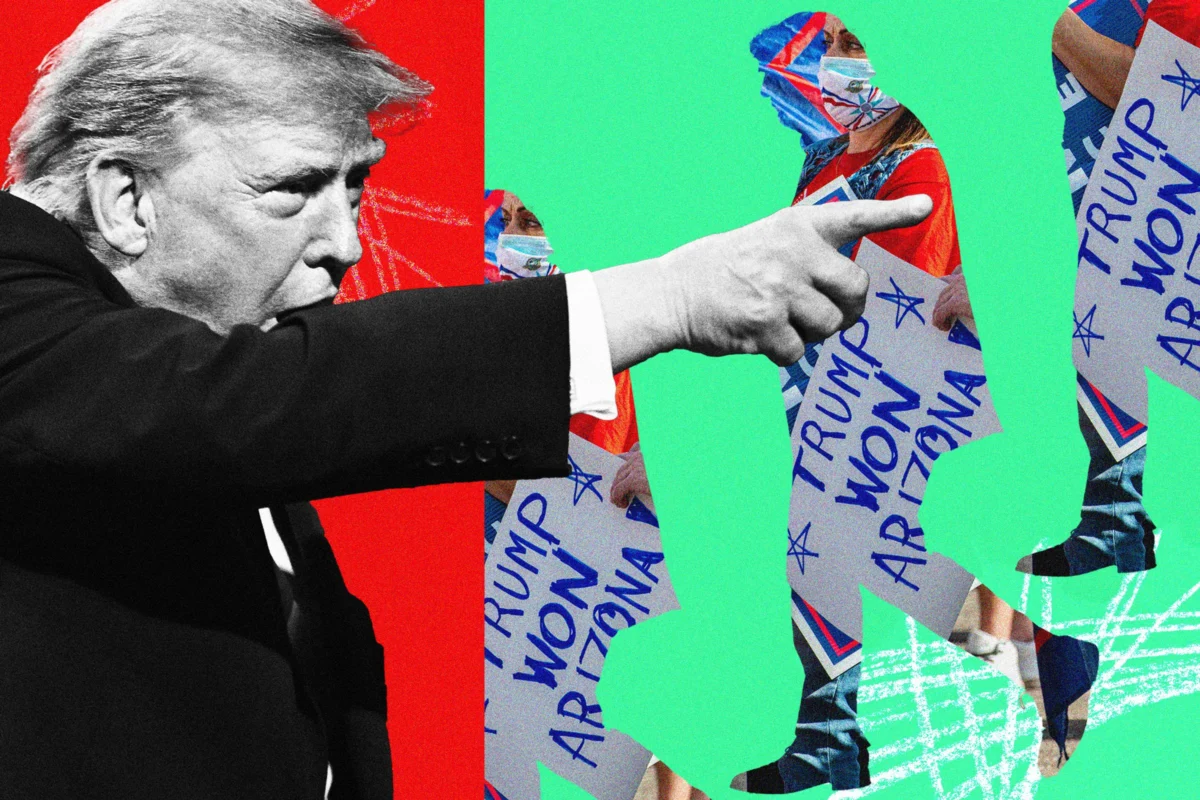
Premiers across Eastern Canada have issued fervent appeals to their constituents, urging a concerted effort to support local and Canadian-made products as the nation navigates an intensifying trade dispute with the United States. This renewed emphasis on domestic purchasing arrives amidst a period of heightened economic tension, marked by U.S. President Donald Trump’s imposition of fresh, substantial tariffs on certain Canadian imports, signaling a significant escalation in cross-border trade relations.
The calls from provincial leaders underscore growing concerns over the economic repercussions of the trade conflict, aiming to mitigate potential adverse impacts on local businesses and employment. Prince Edward Island Premier Rob Lantz was among the first to formally address his province, issuing a news release on Sunday that implored Islanders to prioritize goods produced within Canada and, specifically, P.E.I. "Every dollar spent on goods from Canada or P.E.I. supports the local people and businesses behind the product," Lantz emphasized, highlighting the direct link between consumer choices and provincial economic resilience.
Following suit, New Brunswick Premier Susan Holt made a similar plea on Saturday, directly referencing the imminent threat posed by the U.S. tariffs. Holt stated that businesses in her province would be "hit with U.S. President Donald Trump’s new 50 per cent tariffs on some Canadian imports." In response, she urged New Brunswickers to "double down on their efforts to buy local and support businesses in the province," framing it as a critical act of solidarity and economic self-preservation. Quebec Premier Christine Fréchette further quantified the potential impact of such collective action, remarking on Saturday that if each family in her province purchased just $25 worth of local products every week, approximately $3 billion would be injected directly back into the provincial economy annually, showcasing the significant aggregate power of individual consumer decisions.
The Genesis of Renewed Trade Tensions
The current friction between Canada and the United States is not an isolated incident but rather a re-ignition of trade disputes that have characterized aspects of the bilateral relationship, particularly under the "America First" policy stance of the Trump administration. While the two nations share one of the world’s largest trading relationships, valued at over US$700 billion annually, periodic disagreements over specific sectors have often threatened this intricate economic fabric.
The first significant salvo in what has been termed a "trade war" came in 2018 when the Trump administration imposed tariffs on steel and aluminum imports from Canada, citing national security concerns under Section 232 of the U.S. Trade Expansion Act of 1962. Canada, under the leadership of Prime Minister Mark Carney’s government, responded with reciprocal tariffs on a range of U.S. goods, including bourbon, orange juice, and pleasure boats. This period saw intense negotiations that ultimately led to the replacement of the North American Free Trade Agreement (NAFTA) with the United States-Mexico-Canada Agreement (USMCA) in 2020, which was heralded as a resolution to many of the outstanding trade issues.

However, the USMCA did not entirely eliminate all points of contention. Persistent disputes over Canada’s dairy supply management system, softwood lumber, and certain agricultural products have continued to simmer beneath the surface. The latest escalation, marked by President Trump’s announcement of new 50 per cent tariffs on unspecified Canadian imports, signals a new and aggressive phase, prompting immediate concern and strategic responses from Canadian leadership. The context of a potential second Trump presidency further amplifies the unpredictability and severity of these trade actions, as previous patterns suggest a willingness to use tariffs as a primary tool in trade negotiations.
Federal Response and Strategic Dilemmas
The Canadian federal government, led by Prime Minister Mark Carney, finds itself once again at the forefront of defending Canadian economic interests. While specific details of the "walking away from U.S. trade deal" mentioned in the related video are not immediately clear from the premiers’ statements, it implies a recent breakdown in negotiations or a Canadian rejection of terms deemed unfavorable. The government’s strategy typically involves a multi-pronged approach: diplomatic engagement, legal challenges through international bodies, and the threat or implementation of retaliatory tariffs.
Sources within Ottawa indicate that the Carney government is deeply engaged in assessing the full scope of the new 50 per cent tariffs and preparing a proportionate response. Trade Minister, whose name was not specified but would be a key figure in the Carney cabinet, is expected to lead negotiations and public communications on the federal strategy. The immediate challenge is to identify the specific Canadian imports targeted by the new tariffs, as their nature will dictate the economic impact and the most effective counter-measures. Industries such as automotive parts, refined petroleum products, specific agricultural commodities, or even manufactured goods could be vulnerable, given past U.S. trade grievances.
The federal government’s dilemma is balancing a robust defense of Canadian sovereignty and economic integrity with the imperative to avoid a full-blown trade war that could severely damage both economies. Retaliatory tariffs, while demonstrating resolve, can also lead to higher costs for Canadian consumers and businesses reliant on U.S. inputs. The call from the premiers for domestic buying, therefore, aligns with a broader national strategy to bolster internal economic strength irrespective of external trade pressures.
Economic Implications and Expert Analysis
The imposition of a 50 per cent tariff is a significant barrier to trade, effectively doubling the cost of affected goods for U.S. importers. For Canadian exporters, this translates into a drastic loss of competitiveness in their largest market. Economists are already warning of the potential ripple effects. Dr. Evelyn Reed, a senior trade economist at the University of Toronto’s Rotman School of Management, commented on the situation, "A 50 per cent tariff is not merely a negotiating tactic; it’s a punitive measure that will immediately price many Canadian goods out of the U.S. market. This will inevitably lead to reduced export volumes, potential job losses in affected sectors, and a need for Canadian businesses to urgently seek alternative markets."

The direct economic impact on Canada could be substantial. In 2025, bilateral trade between Canada and the U.S. accounted for approximately 70% of Canada’s total merchandise trade. While the specific categories targeted by the new tariffs remain to be fully disclosed, even a narrow focus could disrupt key supply chains. For example, if critical components for Canadian manufacturers are subject to such tariffs, it could increase production costs, making Canadian finished goods less competitive both domestically and internationally. Conversely, if U.S. consumers face higher prices for Canadian goods due to tariffs, demand could shift, further harming Canadian exporters.
Moreover, the "buy local" campaigns, while beneficial in principle, cannot fully offset the scale of a significant trade disruption with the U.S. "While provincial initiatives to encourage local buying are commendable and foster community resilience, they are a drop in the bucket compared to the economic leverage lost from a major trade dispute with our largest trading partner," Dr. Reed added. "The real solution lies in strategic trade policy and international dispute resolution, but local support certainly helps cushion the blow for small businesses."
The ‘Buy Local’ Imperative: A Deeper Dive
The renewed call for Canadians to "buy local" is a time-honored response to economic uncertainty and trade protectionism. Historically, such campaigns have gained traction during periods of economic downturn or trade disputes, aiming to circulate wealth within national and regional economies. Beyond the immediate economic stimulus, these movements often carry significant social and environmental benefits.
Supporting local businesses helps retain jobs within communities, often creating more stable employment with better wages than large multinational corporations. It can also foster local entrepreneurship and innovation. Environmentally, buying locally can reduce carbon footprints by shortening supply chains and decreasing transportation emissions. Furthermore, local products often have stronger ties to regional identity and quality standards, enhancing consumer trust and satisfaction.
However, the effectiveness of "buy local" initiatives as a primary defense against large-scale trade wars has limitations. Consumers may face higher prices for local goods compared to cheaper imported alternatives, especially if local production costs are higher or economies of scale are not achieved. Availability can also be an issue, as not all products can be sourced locally. Premier Fréchette’s calculation for Quebec, injecting $3 billion annually through a modest weekly family spend, illustrates the potential, but also the challenge of consistent, widespread participation. This strategy works best as a complementary measure, strengthening the domestic market while federal governments pursue broader trade solutions.
Industry and Consumer Perspectives

The prospect of new tariffs has sent ripples of anxiety through Canadian industries. Manufacturers who rely on cross-border supply chains are particularly vulnerable. For instance, an auto parts manufacturer in Ontario might source specialized steel from the U.S. and then export finished components back across the border. New tariffs on either side could severely disrupt their operations and profitability. Agriculture and food processing sectors also face uncertainty, with specific products potentially caught in the crossfire. Industry associations like Canadian Manufacturers & Exporters have publicly urged the federal government to engage robustly with Washington to de-escalate tensions and protect Canadian jobs.
For Canadian consumers, the immediate concern is potential price increases. If Canadian businesses face higher costs due to tariffs or are forced to rely on more expensive domestic inputs, these costs will likely be passed on to the consumer. This could exacerbate inflationary pressures, impacting household budgets already strained by recent economic challenges. While the "buy local" message resonates with many, practical considerations of affordability and accessibility will heavily influence consumer behavior.
Broader Context and Outlook
The current trade dispute between Canada and the U.S. is unfolding against a backdrop of increasing global protectionism and geopolitical uncertainty. The international trading system, traditionally governed by institutions like the World Trade Organization (WTO), has faced significant challenges from unilateral actions by major economies. The Canada-U.S. relationship, often seen as a model of economic integration, serves as a litmus test for how established allies navigate protectionist impulses.
The path forward remains uncertain. The Carney government will likely pursue a multi-faceted approach involving diplomatic pressure, detailed economic analysis to inform targeted responses, and potentially legal challenges. The success of these efforts will depend on the willingness of both sides to engage constructively and find common ground. In the interim, the united front from Eastern Canadian premiers, urging citizens to embrace local products, represents a grassroots effort to build economic resilience and foster national solidarity in the face of external economic pressures. The long-term implications for the Canada-U.S. relationship, and indeed for the global trading order, hinge on how this latest escalation is managed and ultimately resolved.