admin
admin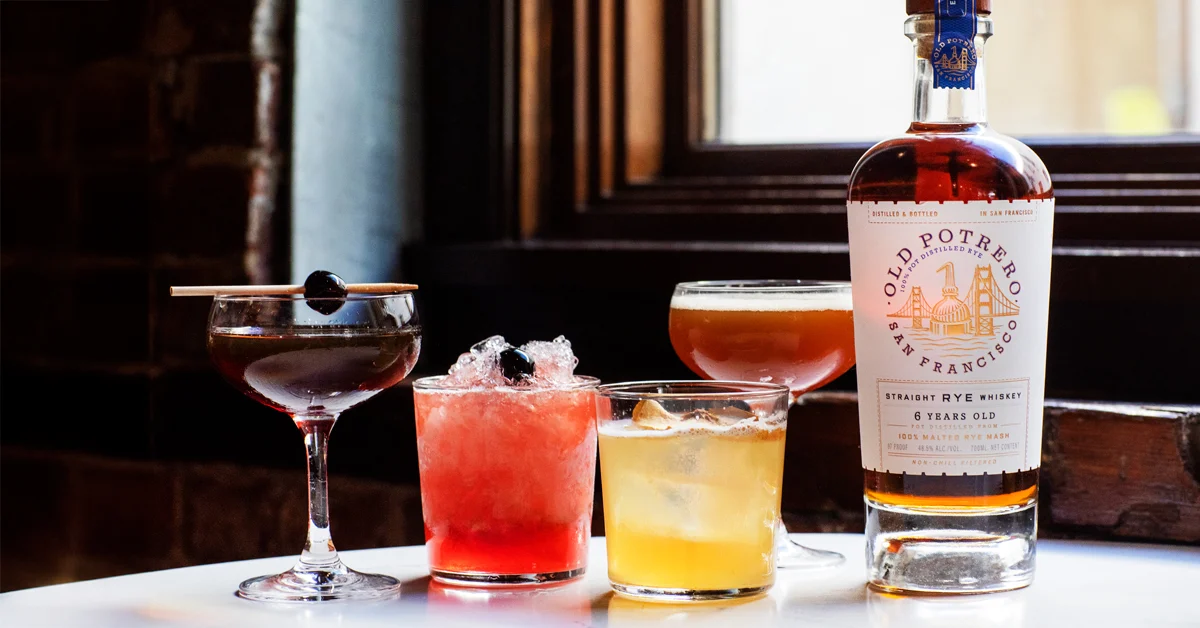
The era of the "whale hunter"—the dedicated beer enthusiast willing to wait in multi-hour queues for a limited allotment of canned India Pale Ales—is rapidly receding into the annals of beverage history. Driven by a combination of post-pandemic consumer shifts, evolving generational preferences, and a saturated marketplace, the American craft beer industry is undergoing its most significant transformation since the microbrewing revolution of the 1980s. Data from the Brewers Association indicates that 2024 was a year of reckoning for the sector, with 399 brewery closures and a 2% decline in overall production. As Gen Z consumers increasingly pivot toward non-alcoholic options, cannabis-infused beverages, and ready-to-drink (RTD) cocktails, long-established craft breweries are being forced to rethink their business models. For many, the path to survival and renewed growth lies not in a new hop variety, but in the copper stills of the distillery.
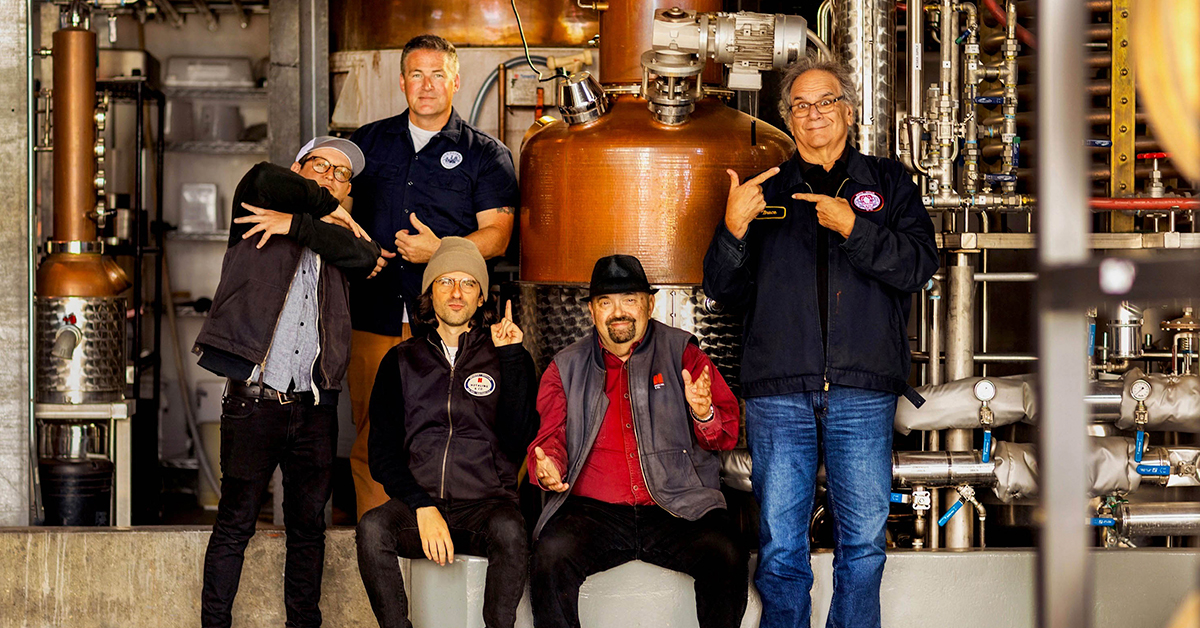
The transition from brewing to distilling is a logical progression rooted in the fundamental chemistry of fermentation. JC Tetreault, co-founder of the Boston-based Trillium Brewing, noted that the realization came early in the company’s history. Established in 2013 during the nascent days of the "hazy IPA" craze, Trillium quickly became a cornerstone of the New England craft scene. However, Tetreault observed that the infrastructure required for brewing is approximately 90% of what is needed to produce whiskey. To create whiskey, a producer must first create a "mash"—essentially a beer without the addition of hops. Once this base liquid is distilled and aged in wooden casks, it becomes whiskey. This technical synergy allows breweries to leverage their existing grain-handling equipment and fermentation tanks to enter the spirits market with relatively lower capital expenditure than a start-up distillery.
A Historical Chronology of the Brewery-Distillery Hybrid
While the current surge in brewery-led distilling feels like a reactive trend to modern market pressures, the "brewstillery" model has roots that stretch back several decades. This timeline illustrates that while the pace has accelerated, the industry’s leaders have long viewed spirits as a natural extension of the craft ethos.
In 1993, Anchor Brewing—widely considered America’s first modern craft brewery—pioneered this movement with the establishment of Anchor Distilling. Under the guidance of industry veterans like Bruce Joseph, the company released Old Potrero, a single malt rye whiskey that predated the modern cocktail revival. Joseph, who spent 45 years at the company, noted that the transition was driven by a desire for creative expansion rather than financial desperation. The skills acquired in the brewhouse provided a solid foundation for distillation, with the physical still being the only major piece of missing equipment.
Following Anchor’s lead, Oregon’s Rogue Ales established its distilling arm in 2003. Rogue took the vertical integration model a step further by coopering its own barrels, a rarity in the American spirits industry. In 2005, Michigan’s New Holland Brewing added distilling to its portfolio, eventually creating a national presence with its Dragon’s Milk brand. By 2006, California’s Ballast Point opened San Diego’s first post-Prohibition distillery, which would later spin off into Cutwater Spirits. The financial viability of this model was validated in 2019 when Anheuser-Busch acquired Cutwater, recognizing the immense growth potential of the canned cocktail market.
Technical Synergies and Regulatory Hurdles
Despite the shared foundation of grain and water, the move into spirits is not without significant operational and legal challenges. In many states, including Massachusetts, the regulatory environment requires a strict separation of beer and spirit production. For Trillium, despite operating four locations and a farm, the company had to secure a completely separate distilling license and dedicate a specific physical space for the still.
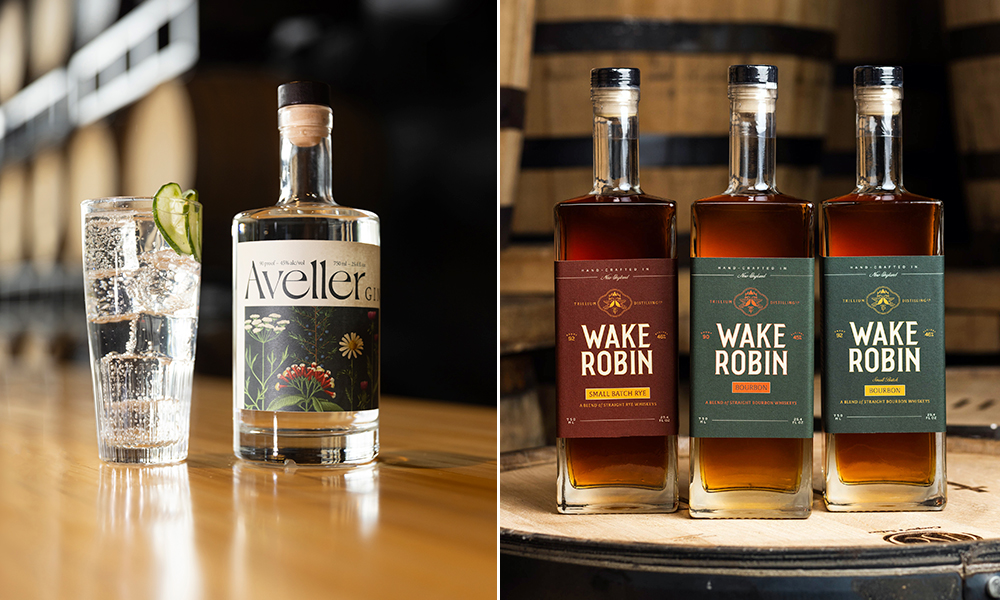
Technically, the recipes for whiskey mashes often diverge from standard beer recipes. While a brewery focuses on the nuances of malted barley and hop profiles, whiskey production frequently utilizes a higher percentage of unmalted grains and different yeast strains optimized for high-alcohol environments. Tetreault emphasizes that Trillium does not simply distill its existing beer recipes; rather, they treat distillation as a distinct discipline that requires a unique approach to raw materials.
The ability to produce spirits also provides a strategic advantage in states with restrictive pouring laws. In Massachusetts, for example, a brewery taproom license often limits the establishment to serving only the products they manufacture on-site. By producing their own gin, vodka, rum, and liqueurs, breweries like Trillium can offer a full cocktail menu, effectively transforming a niche beer bar into a comprehensive hospitality venue capable of competing with traditional cocktail lounges.
The Tree House Model: Scaling Artistry in Spirits
An hour west of Boston, in Charlton, Tree House Brewing Company has followed a similar trajectory. Founded in 2011, Tree House achieved legendary status for its IPAs like Julius and Green, which commanded long lines and a cult-like following. However, the company has spent the last several years aggressively diversifying. Since 2021, Tree House has focused on a "grain to glass" distilling program led by John Britton, who brought experience from prestigious operations like St. George Spirits and Ann Arbor Distilling.
Tree House’s approach to spirits is characterized by the same scale and attention to detail that defined its beer. The distillery produces Old Growth Bourbon and Rye, using exclusively New England-sourced grains. Their portfolio has expanded to include rum, fruit brandies, nocino, absinthe, and shochu—a rice-based distillate. Chris Conroy, Tree House’s spirits category sales manager, explains that the goal is to create artful spirits at a scale that mirrors their brewing operations.
Crucially, Tree House has utilized its existing canning infrastructure to enter the RTD market. By canning cocktails such as the Tom Collins and Paloma (using their house-distilled agave spirit, Casa de Árbol), they have created a bridge for consumers who may be deterred by the high ABV or flavor profile of craft beer. This "aisle jumping" is essential for capturing a younger demographic that views spirits as more sophisticated or versatile than ale.
Market Analysis and Demographic Shifts
The shift toward spirits is backed by compelling economic data. According to the Distilled Spirits Council of the United States (DISCUS), spirits have gained market share against beer for over a decade. In 2022, for the first time in history, spirits overtook beer in total revenue share in the U.S. market. For craft breweries, whose growth has largely plateaued, spirits offer a higher-margin product with a longer shelf life.
The demographic shift is equally telling. Gen Z and younger Millennials are increasingly "sober-curious" or prefer spirits-based drinks over the heavy, calorie-dense profiles of traditional craft beer. Furthermore, the aging "beer geek" population is moving into a different phase of life where they may prefer a single high-quality cocktail over a flight of four-ounce beer pours.
The success of New York’s Finback Brewing and its Halftone Spirits label, or Indiana’s 3 Floyds and its metal-themed spirits like Bubblegumhead, suggests that the "brewstillery" is not just a survival tactic but a brand-strengthening move. These companies are leveraging their existing brand equity to sell spirits to a loyal audience while simultaneously reaching new customers who had no prior relationship with the brewery.
Implications for the Future of the Hospitality Industry
The rise of the brewery-distillery hybrid is fundamentally changing the nature of the taproom. Trillium’s Fort Point location now features the Headroom Hi-Fi Cocktail Lounge, a space designed to attract a late-night, post-dinner crowd that might otherwise avoid a traditional brewery. Tetreault notes that many patrons of the lounge are entirely unaware of Trillium’s reputation as an IPA powerhouse; they are there for the ambiance and the quality of the cocktails.
This evolution suggests that the "craft brewery" of the future may actually be a "craft beverage house." By diversifying into spirits, RTDs, and even non-alcoholic distillates, these companies are insulating themselves against the volatility of the beer market. The ability to serve a group of four friends where one wants a hazy IPA, one wants a gin and tonic, one wants a glass of rum, and one wants a non-alcoholic cocktail is the key to long-term viability in a competitive hospitality landscape.
As the industry moves into 2025 and beyond, the distinction between "brewer" and "distiller" will likely continue to blur. While the 2% dip in beer production and the closure of nearly 400 breweries signal a period of contraction, the expansion into spirits represents a new frontier of growth. For the craft pioneers who once defined themselves by their hops, the future is increasingly defined by the complexity of the spirit.