admin
admin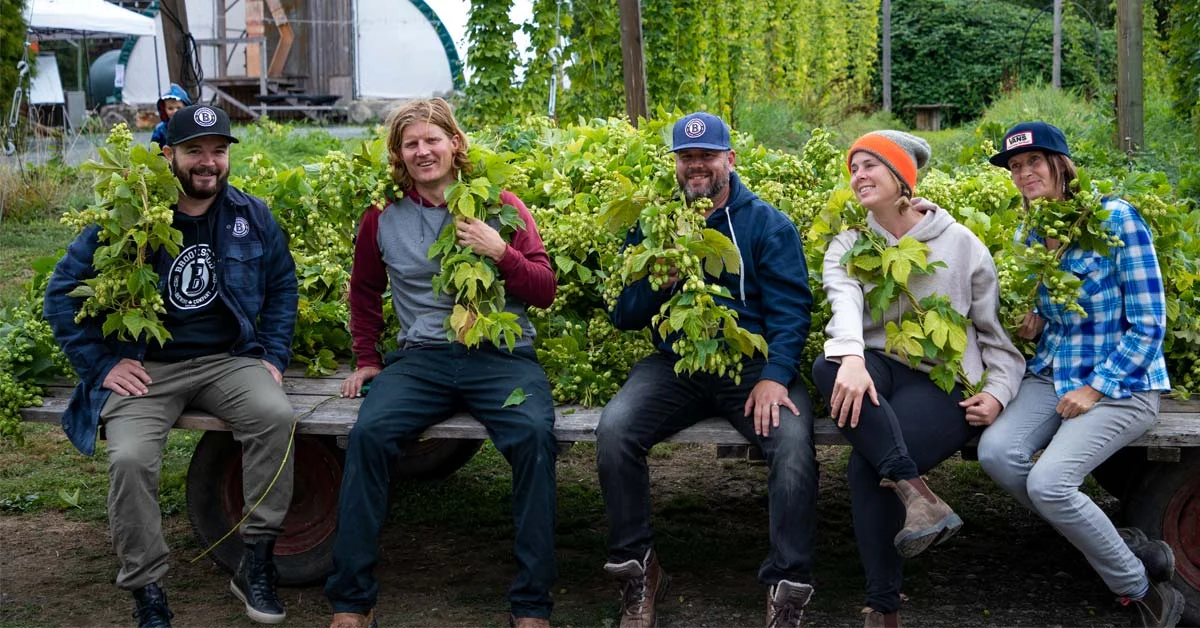
The Canadian craft beer landscape is undergoing a period of profound reflection as Indigenous brewers, entrepreneurs, and artists navigate a history defined by legislative exclusion and generational trauma. While the industry has long been a bastion of Eurocentric traditions, a growing movement of Indigenous-led breweries is reclaiming space within the market, challenging long-standing stereotypes and asserting economic sovereignty. This evolution, however, is not without internal friction, as the community grapples with the duality of alcohol as both a tool of colonial oppression and a modern vehicle for cultural expression and entrepreneurship.
The Catalyst of Controversy: The Celebrating Sisters Campaign
In March 2021, the Indigenous Brew Crew (IBC), a collective of three Indigenous brewers, launched the "Celebrating Sisters" campaign. The initiative was designed as a nationwide craft beer project to raise awareness and funds for Indigenous women’s causes. While the campaign was initially met with enthusiasm, it quickly became a flashpoint for a deeper debate regarding the presence of Indigenous branding on alcohol products.
Central to the controversy was a label designed by Anishinaabe artist Chief Lady Bird. The artwork—a blackbird with outstretched wings against a woodland backdrop—was praised for its beauty but criticized by some community members who viewed the association of Indigenous art with alcohol as insensitive to the history of substance abuse in First Nations communities. The backlash highlighted a significant divide: while some saw the project as a form of empowerment and visibility, others viewed it as a betrayal of those still suffering from the legacy of colonial-induced dependency.
The IBC and Chief Lady Bird engaged openly with these criticisms, acknowledging the difficulty of reconciling the industry with Canada’s history of exploitation. However, the intensity of the debate and the lack of an easy resolution contributed to the eventual dissolution of the IBC months later. Despite the collective’s end, the conversation it ignited remains a pivotal moment in the history of Canadian brewing, forcing a public reckoning with the industry’s relationship to Indigenous peoples.
A Chronology of Exclusion: The Indian Act and Prohibition
To understand the current tension, one must look at the legislative framework that governed Indigenous lives for over a century. The Indian Act of 1876 was the cornerstone of a colonial policy designed to eliminate Indigenous identity through "cultural genocide," as later defined by the 2015 Truth and Reconciliation Commission.
Under the Indian Act and subsequent amendments, Indigenous people were legally barred from purchasing, possessing, or consuming alcohol. These laws also excluded them from the economic benefits of the alcohol industry. During this era, non-alcoholic beer was often disparagingly referred to as "Indian Beer" because it was the only fermented beverage legally available to them.
Simultaneously, settlers and colonial officials frequently used alcohol as a tool to destabilize Indigenous trading systems and social structures. The trauma of the residential school system and the "Sixties Scoop"—wherein Indigenous children were forcibly removed from their families—created a cycle of psychological distress. For many, alcohol became a coping mechanism for the deep-seated wounds of fractured families and systemic abuse.

It was not until the mid-20th century that legislative shifts began to occur. Between the 1950s and 1980s, provincial and federal laws were slowly amended to grant Indigenous people the same access to alcohol as other Canadians. However, the repeal of prohibition did not erase the decades of damage, leaving a legacy of caution and a divide between those who advocate for total prohibition as harm reduction and those who view the industry as a frontier for self-determination.
The Rise of Indigenous Entrepreneurship and Ownership
Despite the historical barriers, the number of Indigenous-owned breweries in Canada is rising. These businesses are not merely commercial ventures; they are often statements of cultural pride and economic independence.
Locality Brewing and the Métis Identity
Melanie MacInnes, a Métis woman and co-owner of Locality Brewing in Langley, British Columbia, represents a new wave of owners who are integrating their heritage into their business models. MacInnes initially hesitated to define her brewery as an "Indigenous business," citing the weight of responsibility that comes with such a label. Her decision to embrace this identity led to Locality Brewing being named the Best Indigenous-Led Business at the 2022 BC Food & Beverage Awards. MacInnes emphasizes that the ethical use of land and the creation of gathering spaces are central to her vision, aligning with Indigenous values of stewardship.
Kahnawake Brewing: Sovereignty on Indigenous Land
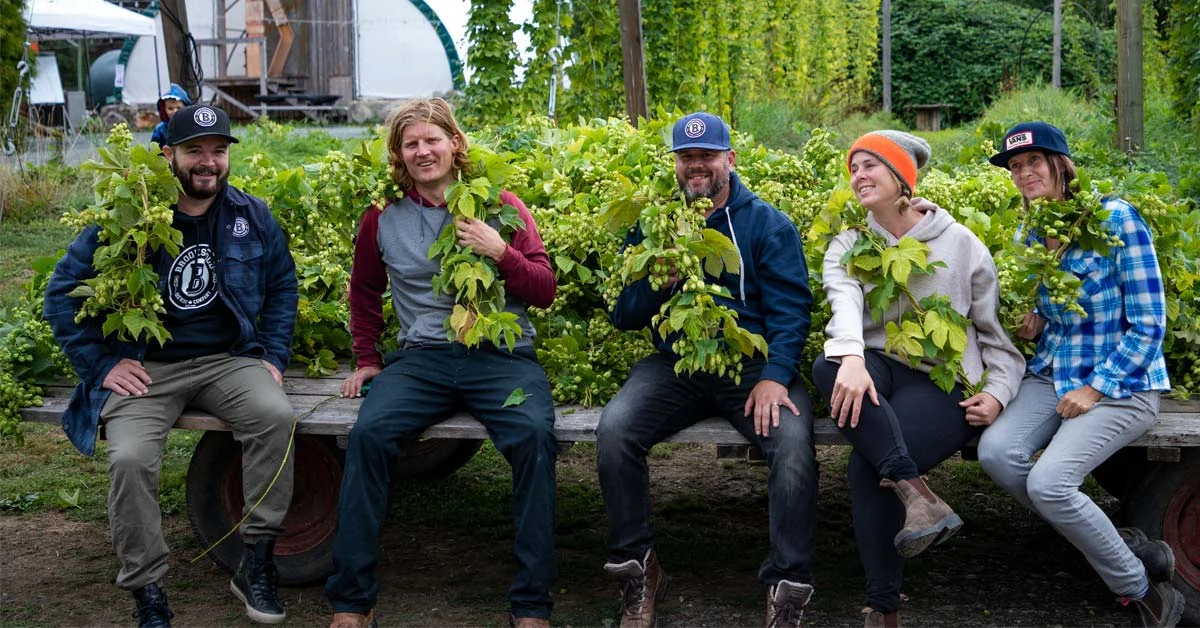
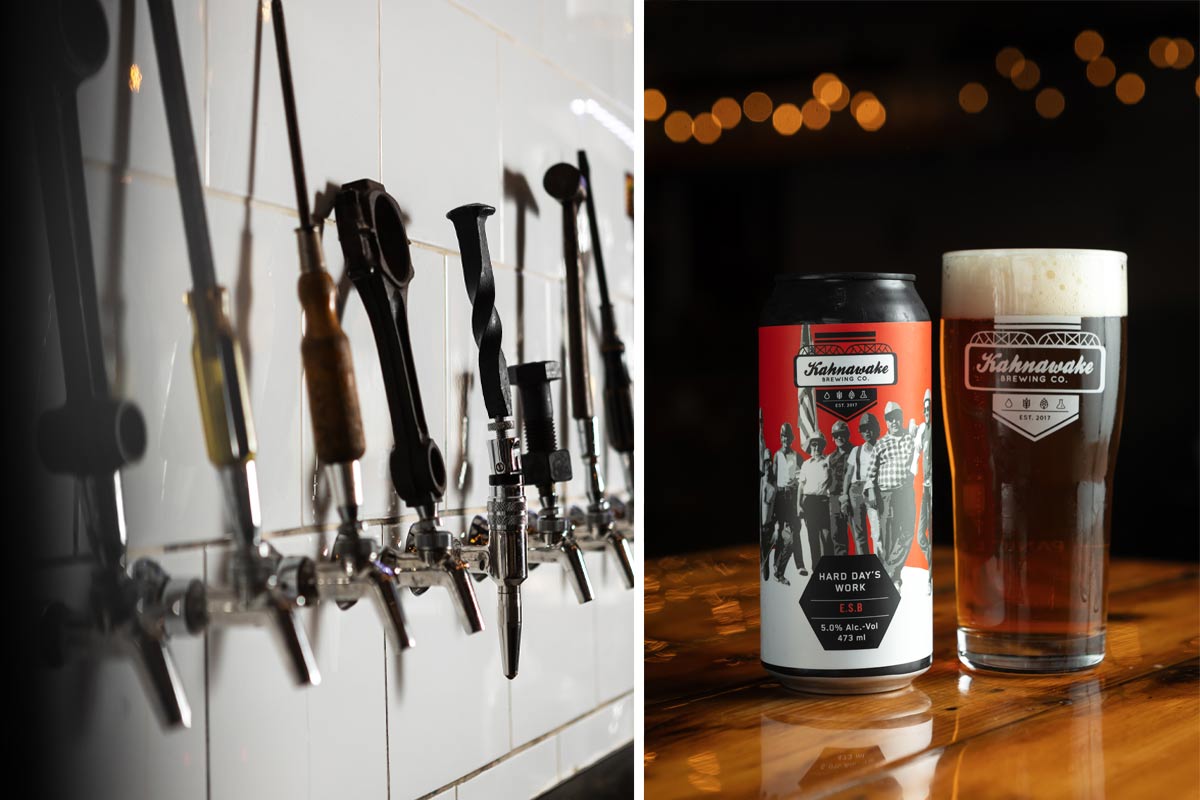
In Quebec, the Kahnawake Brewing Company & Black Bridge Taproom holds the distinction of being the first openly Indigenous-owned craft brewery located on Indigenous land. Co-owner Fred Leblanc, a former ironworker, draws on the history of the Mohawk ironworkers who helped build the Saint-Laurent Railway Bridge in 1900. The brewery has achieved significant critical success, earning multiple medals at the Canada Beer Cup in 2024 and 2025. Leblanc’s mission is to create a "Native brewery" that serves both the local community and the broader public, demonstrating that Indigenous businesses can compete and excel on a national stage.

Red Tape Brewery and Bespoke Brewing
In Toronto, Inuit brewer Sarabeth Holden, co-owner of Red Tape Brewery, uses her platform to celebrate her heritage through unique ingredients. Her "Paunnat" (dwarf fireweed) Saison and ales brewed with orange pekoe tea—a staple in Northern hunting and fishing camps—serve as liquid narratives of her experience. While Holden has noted instances of being overlooked in the male-dominated, Eurocentric industry, she reports overwhelming support from her family and community, including those who do not consume alcohol themselves.
Economic Data and the Broader Impact
The growth of Indigenous breweries occurs within a Canadian craft beer market that contributes over $1.2 billion annually to the national GDP. However, Indigenous representation in the supply chain remains disproportionately low.
According to data from various Indigenous economic development corporations, Indigenous-led businesses are growing at five times the rate of non-Indigenous businesses in Canada. Organizations like the Manitoba Métis Federation and Farm Credit Canada have begun providing specific financial infrastructure to support Indigenous entrepreneurs in the agriculture and beverage sectors.
Experts like Darnell Stager of Indigenous Tourism BC argue that supporting these entrepreneurs is a vital component of "Indigenous sovereignty." Stager points out that the label "Ward of the State," which still appears on many Indian Status cards, underscores the necessity of self-determination. For many, the ability to operate in any industry—including alcohol—is a prerequisite for true economic and social independence.

Defining the "Indigenous Beer"
The question of what constitutes an "Indigenous beer" is a subject of ongoing discussion. For some, it is defined by the identity of the owner or the brewer. For others, it is about the sourcing of ingredients and the involvement of the local community.
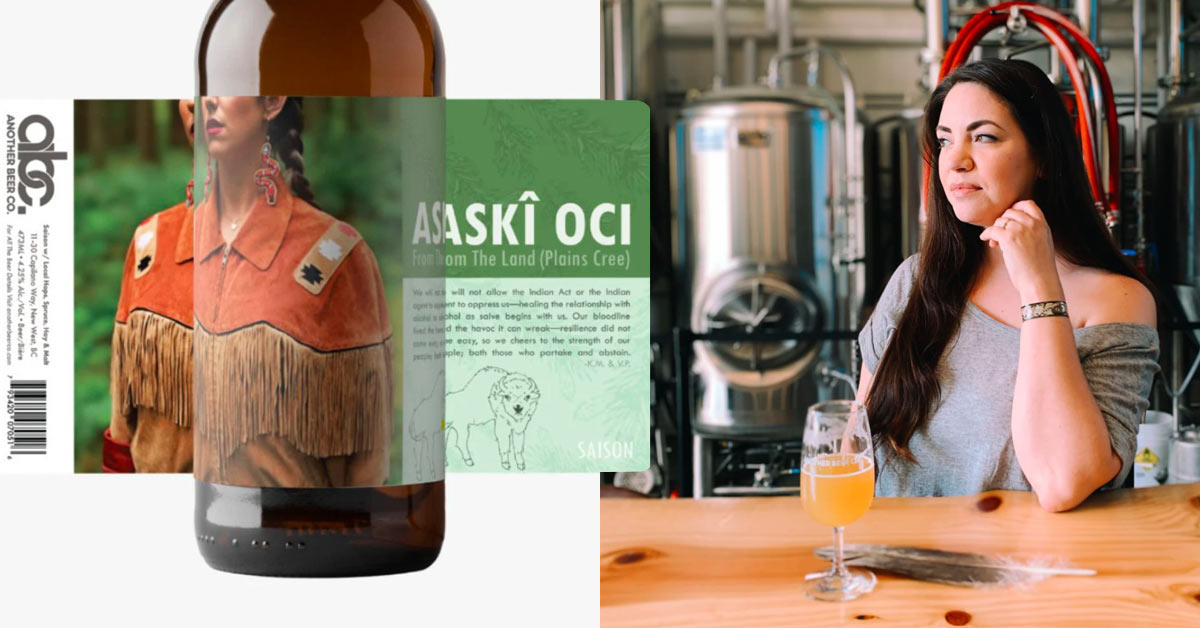
Nadine Jopson, a Cree Nation member and founder of Heartberry Soda, previously co-founded Another Beer Co., where she developed the "Aski Oci" saison. Brewed with alfalfa and spruce tips, the beer featured a label that directly addressed the Indian Act, stating that the healing of the relationship with alcohol must begin within the community. This approach frames beer as a "salve" or a medium for conversation rather than just a commodity.
Similarly, Matthew Sabourin of Nonsuch Brewing Co. in Winnipeg uses his brewery to facilitate cultural education. The "Beer Bannock" experience allows customers to learn about Indigenous history and the significance of Louis Riel while engaging with the product in a controlled, respectful environment. This model shifts the focus from high-volume consumption to "celebrating moments and experiences."
Industry Implications and the Path Toward Reconciliation
For the broader Canadian craft beer industry, the inclusion of Indigenous voices is increasingly viewed as an essential part of reconciliation. However, industry leaders suggest that inclusion must go beyond tokenism.
Key recommendations for non-Indigenous breweries seeking to support reconciliation include:
- Direct Engagement: Establishing relationships with local Tribal Nations through personal introductions rather than purely corporate outreach.
- Supply Chain Diversity: Increasing Indigenous representation in malt warehouses, hop farms, and distribution networks.
- Space for Difficult Conversations: Acknowledging the harm caused by alcohol while supporting the right of Indigenous people to participate in the industry.
Professor Niigaan Sinclair, an Anishinaabe scholar, suggests that the relationship with alcohol must be navigated through the Anishinaabe teaching of finding a relationship with all things. He notes that while alcohol has been a "violent intrusion," it is derived from natural elements and can be reclaimed through a lens of responsibility and sovereignty.
Conclusion: Sovereignty and Responsibility
The emergence of Indigenous people in the Canadian craft beer industry is a complex narrative of resilience. It is a movement that requires balancing the pursuit of economic sovereignty with a profound responsibility to mitigate the historical harms of substance abuse.
As Indigenous brewers continue to win awards and expand their reach, they are redefining the "fabric of the country" within the beverage sector. The path forward, as identified by those within the movement, is defined by transparency, respect for the land, and the prioritization of people over profits. By breaking the silence and addressing the difficult history of the Indian Act, the industry is slowly moving toward a model where Indigenous participation is not just an exception, but a vital component of the national identity.