admin
admin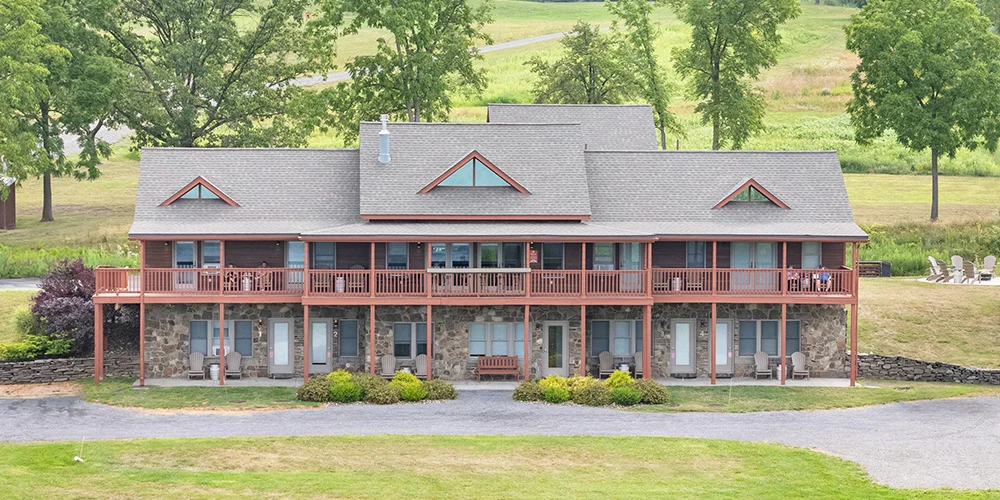
The landscape of American craft beer is undergoing a structural evolution, moving beyond the traditional taproom model to embrace a comprehensive hospitality strategy known as the "beercation." Across the United States, independent brewers are increasingly diversifying their portfolios by transforming historic buildings, rustic barns, and scenic bungalows into boutique accommodations. This shift represents a strategic pivot in the industry, where the objective is no longer just the sale of a pint, but the cultivation of an immersive brand ecosystem. These destinations, ranging from high-end alpine lodges in Vermont to thematic industrial hotels in North Dakota, offer enthusiasts a way to integrate their travel preferences with their affinity for craft beverages.
The Economic Drivers of Beer Tourism and Hospitality
The rise of brewery-centric lodging is not merely a trend in interior design; it is a response to shifting market dynamics within the $28 billion U.S. craft beer industry. According to data from the Brewers Association, while the number of operating craft breweries has surpassed 9,800, the market has reached a state of maturity that requires brands to find new ways to differentiate themselves. Traditional distribution channels, such as grocery store shelves, have become increasingly crowded and competitive. Consequently, breweries are looking toward direct-to-consumer (DTC) models to capture higher margins and build deeper customer loyalty.
Industry analysts suggest that the integration of lodging allows breweries to capture a larger share of the "experience economy." Travelers, particularly within the Millennial and Gen X demographics, are prioritizing "slow travel"—trips that emphasize local connection, authenticity, and high-quality artisanal products. By providing overnight stays, breweries extend the customer lifecycle from a 45-minute tasting flight to a 48-hour brand immersion. This model not only increases revenue through room rates but also significantly boosts on-site taproom sales and merchandise turnover.
Chronology of the Craft Beer Hospitality Movement
The concept of the brewery-inn is rooted in European traditions, particularly the public houses of the United Kingdom and the monastery breweries of Belgium and Germany. However, the American iteration has followed a specific timeline of professionalization:
- The Brewpub Era (1980s–1990s): Following the legalization of brewpubs in various states, pioneers like McMenamins in the Pacific Northwest began the practice of adaptive reuse, turning historic schools and hotels into multi-use facilities where beer was a central, but not the only, component.
- The Destination Taproom (2000s–2010s): Large-scale regional breweries began building "destination" campuses—such as Sierra Nevada’s Mills River facility—which focused on tours and dining but lacked integrated lodging.
- The Boutique Lodging Pivot (2018–Present): A new wave of smaller, independent breweries began launching dedicated boutique hotels and cabin rentals, prioritizing high-thread-count luxury and curated aesthetics to compete with standard hospitality brands.
Case Study: PNW Cabin Culture at Backwoods Brewing Company
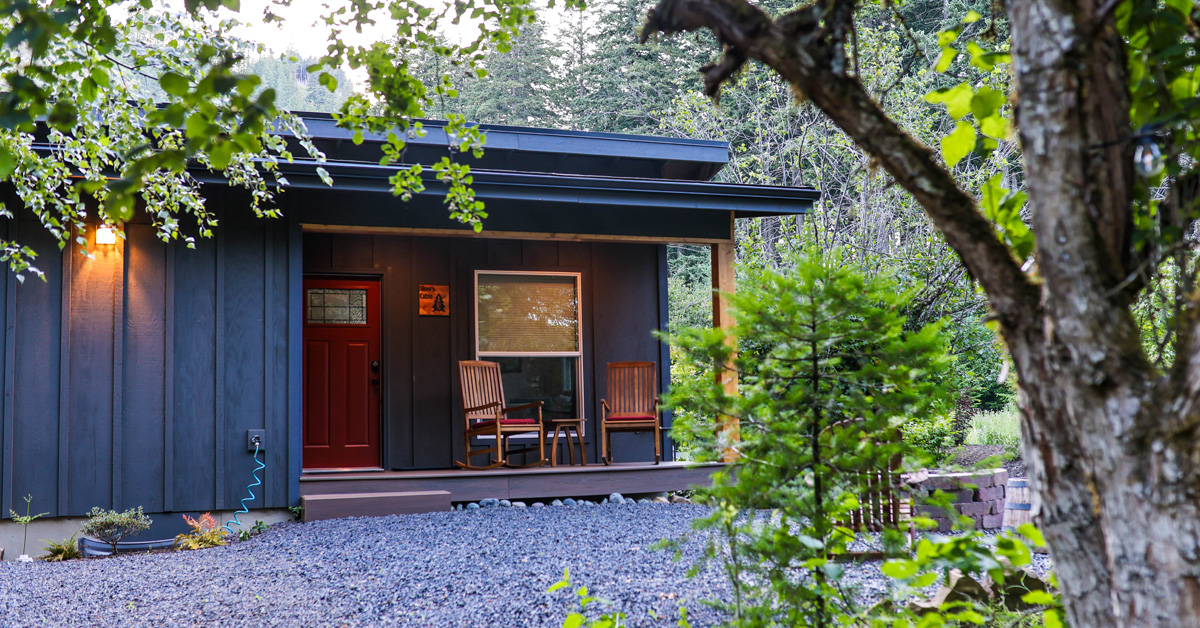
In Carson, Washington, the Backwoods Brewing Company exemplifies the transition from a regional favorite to a destination resort. Located in the Columbia River Gorge, approximately one hour from Portland, Oregon, the brewery was founded by the Waters family. Recognizing that the scenic vistas of the Gorge already attracted outdoor enthusiasts, the family expanded their operations to include Backwoods Cabins.
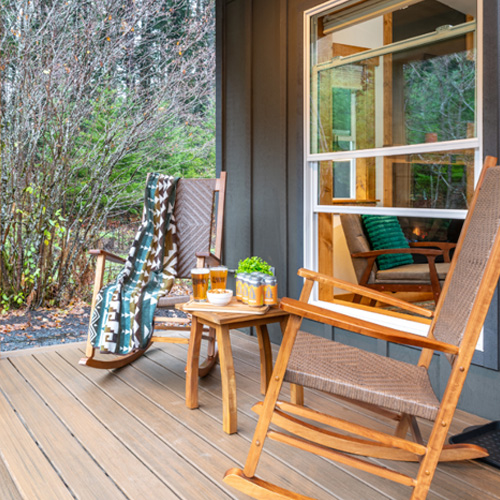
The strategic intent behind the cabins was to create a "frictionless" experience for the visitor. Steve Waters, CEO of Backwoods, notes that the goal was to provide a space where the brand’s ethos of relaxation and accessibility could be felt physically. The eight luxury cabins are themed—Hiker’s, Kayaker’s, and Stargazer’s—to align with the regional activities that draw tourists to the area. From a business perspective, the cabins serve as a storytelling platform. Amenities such as hops-scented soaps and the ability to pre-order "brewer’s choice" beer packages for the room ensure that the brewery remains the focal point of the stay. The integration of local flavors, such as the Ridge Run Oatmeal Stout and the Party Acres Hazy IPA, into the guest experience reinforces the connection between the geography and the glass.
Alpine Tradition and Modern Brewing at von Trapp Family Lodge
While some breweries are adding lodging to existing taprooms, the von Trapp Family Lodge in Stowe, Vermont, represents a legacy hospitality brand that successfully integrated a world-class brewing operation. Founded by the family that inspired The Sound of Music, the 2,600-acre resort was established with a focus on European-style hospitality.
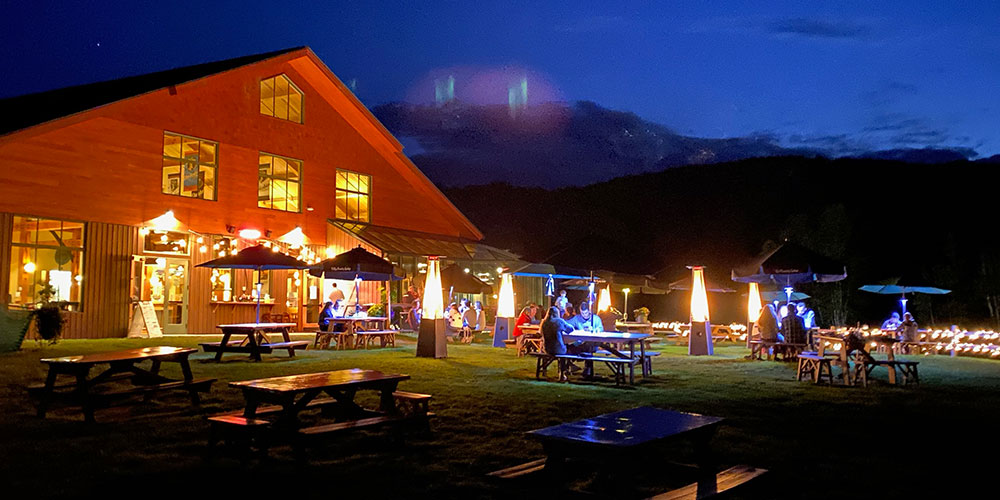
The addition of von Trapp Brewing was a move toward vertical integration. Johannes von Trapp sought to recreate the crisp, clean lagers of his heritage, utilizing the natural spring water located on the property. Today, the brewery is a cornerstone of the resort’s identity. Emily Provost, the brewery’s marketing manager, emphasizes that the "Bierhall" experience—featuring Austrian cuisine like schnitzel and bratwurst—complements the alpine environment. This model demonstrates how a brewery can enhance a pre-existing luxury destination by providing an authentic, estate-grown product that serves both hotel guests and day-trip tourists.
Strategic Design: The Lodge at Grist Iron Brewing
In the Finger Lakes region of New York, Grist Iron Brewing reversed the typical expansion model. The property was originally acquired with existing lodging, which the owners then renovated to align with the brewery’s "rustic-modern" brand. This "lodging first" approach allowed the brewery to build its taproom around an established base of overnight guests.
The Lodge at Grist Iron is notable for its tactical use of "micro-branding." Every room features a built-in shower ledge specifically designed to hold a "shower beer," a nod to a popular subculture within the craft beer community. According to marketing coordinator Emily Knowlden, these small, beer-centric design choices foster a deep emotional connection with the guest. The property also features "Beer Mountain," which includes a disc golf course and a dog park with a "Woof Top" bar, further expanding the brewery’s footprint into the realm of a full-scale recreational resort.
Broader Industry Implications and the Future of Beer Tourism
The professionalization of brewery lodging suggests several long-term implications for the hospitality and beverage sectors:
1. Professionalization of Staff: As breweries enter the lodging space, the required skill sets of their employees are shifting. Management must now navigate hotel regulations, housekeeping logistics, and concierge services, leading to a more diverse workforce within the brewing industry.
2. Regional Economic Development: Brewery stays often act as anchors for rural or deindustrialized areas. By offering overnight accommodations, breweries encourage visitors to spend more time and money in the surrounding community, benefiting local bakeries, gear shops, and transport services.
3. The Adaptive Reuse Trend: Companies like McMenamins continue to lead the way in preserving historic architecture. By converting defunct public buildings into vibrant hospitality hubs, breweries are playing a key role in urban and rural revitalization efforts.
4. Thematic Differentiation: In Fargo, North Dakota, Drekker Brewing’s "Brewhalla Crash Pad" shows the future of hyper-branding. By designing hotel rooms that mirror the psychedelic labels of their "Mind Bullets" sour IPA or "Ectogasm" hazy IPA, breweries are treating their physical spaces as an extension of their packaging and marketing.
Notable Destinations in the National Brewery-Lodging Network
Beyond the major resorts, several other properties are defining the "beercation" landscape:
- Calistoga Inn & Napa Valley Brewing Co. (CA): This establishment bridges the gap between the wine and beer worlds, offering a sophisticated beer garden experience in the heart of wine country.
- Commerce Street Brewery Hotel (WI): Located in the historic district of Mineral Point, this inn focuses on European-style brewing and small-town charm, catering to the "heritage traveler."
- McMenamins (OR & WA): With dozens of locations, this company remains the gold standard for integrated hospitality, combining breweries, hotels, cinemas, and spas within repurposed historic structures.
As the craft beer market continues to mature, the transition toward integrated hospitality appears to be a permanent fixture of the industry. For the consumer, this means the "beercation" has evolved from a niche hobby into a sophisticated travel category. For the brewer, it represents the ultimate expression of brand loyalty—providing a space where the customer does not just drink the beer, but lives within the world the brewery has created. This convergence of the beverage and hospitality industries ensures that the story of American craft beer will continue to be told not just in pints, but in the memories of travelers who seek a more profound connection to the source of their favorite pour.