admin
admin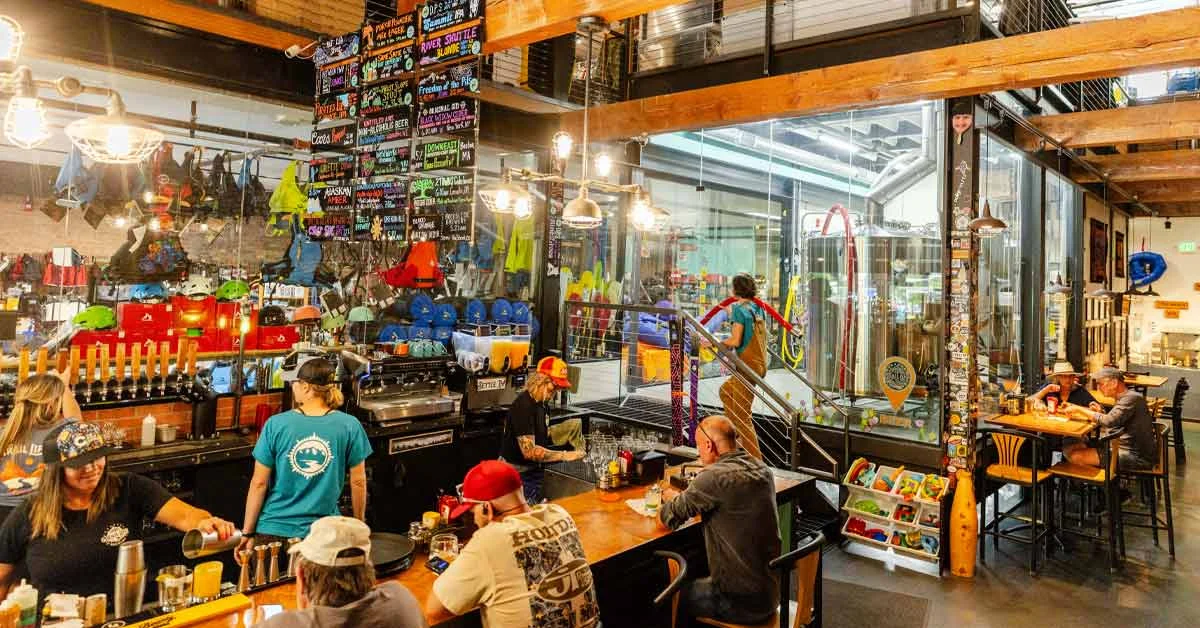
Grand Junction, Colorado, situated at the confluence of the Colorado and Gunnison Rivers, is currently undergoing a significant transformation as it establishes itself as a primary alternative to the state’s more saturated tourist corridors. While the Front Range cities of Denver and Fort Collins have long dominated the Colorado craft beer narrative, and national parks such as the Grand Canyon or Zion attract millions of annual visitors, Grand Junction offers a unique combination of geological grandeur and a sophisticated brewing industry that remains largely uncrowded. Industry analysts and local business leaders suggest that this "underrated" status is precisely what makes the region a burgeoning hub for travelers seeking an authentic, adventure-based experience without the logistical hurdles of high-density tourism.
The geographical appeal of the region is anchored by the Colorado National Monument, a sprawling landscape of red rock canyons and towering monoliths that provides a visual experience comparable to the major national parks of the Southwest. Despite its aesthetic appeal, the monument remains a serene environment, lacking the heavy vehicular traffic and trail congestion found elsewhere. This tranquility extends to the city’s urban core, where a specialized beer scene has developed around a community of outdoor enthusiasts, mountain bikers, and hikers.
Geographical and Historical Context of the Grand Valley
To understand the current trajectory of Grand Junction, one must look at the historical and geological significance of the Grand Valley. The city’s name is derived from the "Grand River"—the former name of the upper Colorado River—and its junction with the Gunnison River. This convergence has created a unique microclimate and a variety of natural landscapes that are unrivaled in their diversity.
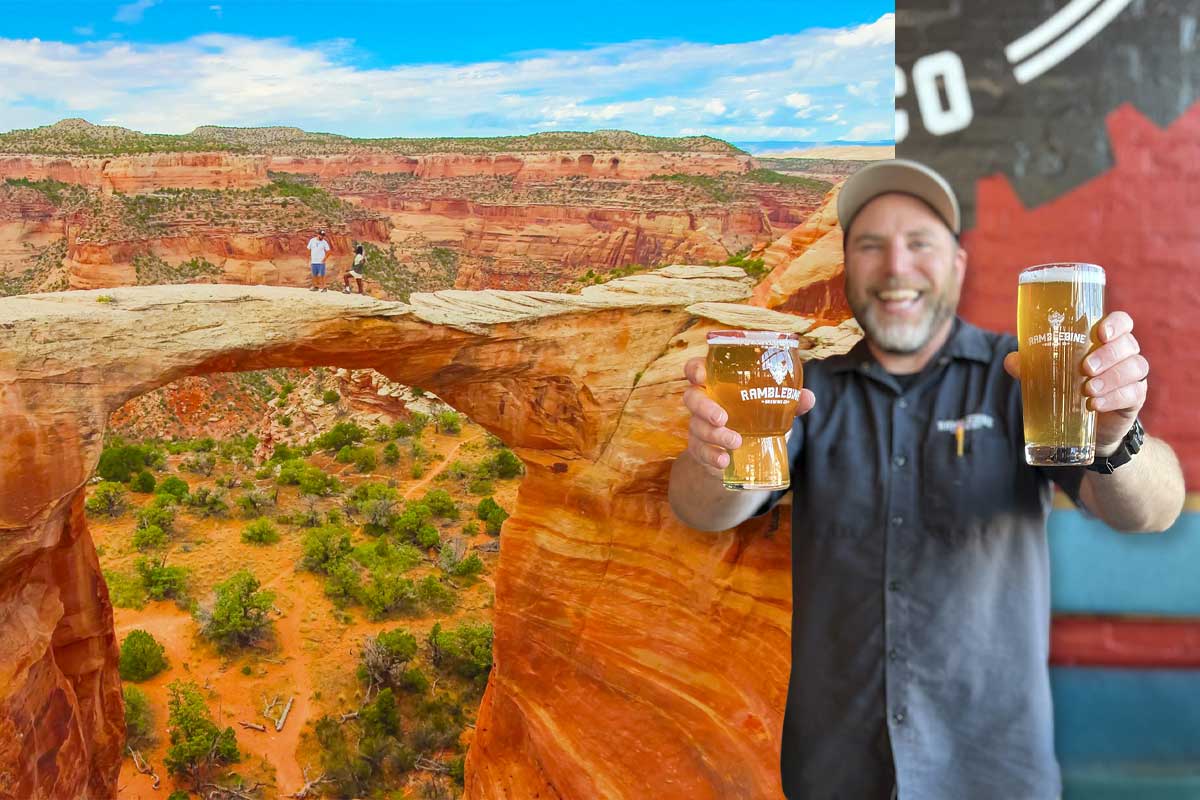
The region is home to three distinct geological landmarks: the Colorado National Monument’s canyons, the Grand Mesa, and Rattlesnake Arches. The Grand Mesa stands as the largest flat-top mountain in the world, providing a high-altitude alpine environment that contrasts sharply with the desert floor. To the west, the McInnis Canyons National Conservation Area houses Rattlesnake Arches, which features one of the highest concentrations of natural arches outside of Arches National Park in Utah. These landmarks provide a constant influx of "adventure tourists" who serve as the primary consumer base for the local craft beer industry.
The Evolution of the Grand Junction Brewing Industry
The chronology of the local beer scene reflects a broader national trend of craft beer maturation, moving from the traditional brewpub models of the 1990s to the highly specialized, community-focused taprooms of the 2020s.
The foundational era began in 1994 with the opening of The Rockslide Brew Pub. As the "original" craft brewery in the city, Rockslide established the viability of the market, focusing on classic ales and lagers served in a convivial, downtown setting. For over two decades, the scene remained stable but small. However, the last five years have seen an acceleration in growth, characterized by a shift toward experimental styles and deep integration with the outdoor lifestyle.
In 2020, despite the global challenges facing the hospitality industry, Ramblebine Brewing opened its doors, signaling a new era of brewing in Grand Junction. Founded by Eli Gerson and Rob James, the brewery introduced a level of stylistic diversity previously unseen in the region. Their portfolio includes everything from Norwegian kveik-fermented red ales to barrel-aged stouts and tart fruit sours. The success of Ramblebine demonstrated that the local market had an appetite for "nuanced and expertly crafted" beers that moved beyond standard IPAs.
Synergy Between Outdoor Recreation and Craft Beer
A defining characteristic of the Grand Junction beer scene is its symbiotic relationship with the outdoor recreation industry. This is most visibly demonstrated by Trail Life Brewing, an establishment that is physically attached to a mountain bike shop. This business model recognizes the "bike and brew" culture that is prevalent across the American West.
Adam Kinsey, a prominent figure in the local scene and owner of Handlebar Tap House and WestCo Brewing, notes that the population of Grand Junction is almost entirely composed of individuals involved in outdoor activities. "I don’t think anyone lives in Grand Junction who isn’t actively involved in at least one outdoor activity," Kinsey observed. This cultural alignment has led to breweries becoming de facto community centers for post-adventure debriefs.
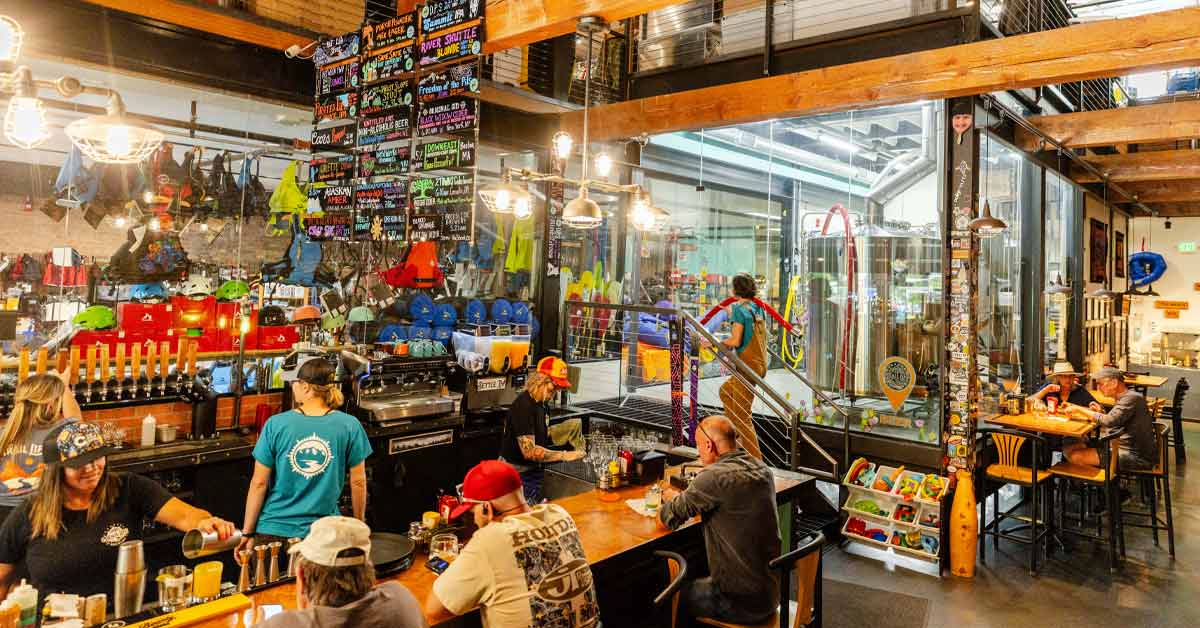
At Handlebar Tap House, which is also situated adjacent to a cycling shop, the focus is on a rotating selection of 24 taps that highlight the best of regional Colorado brewing. This "curatorial" approach allows visitors to sample the breadth of the Western Slope’s beer production in a single location, further cementing the city’s status as a regional beer hub.
The New Wave: WestCo Brewing and Urban Development
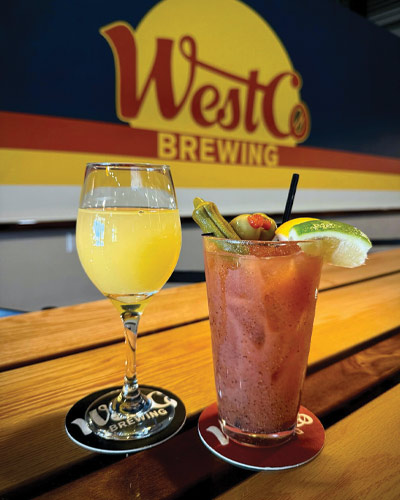
The latest addition to the landscape is WestCo Brewing, a project led by Kinsey and veteran head brewer Danny Wilson. The opening of WestCo is significant not just for its beer, but for its location. Situated next to the Amphitheater at Las Colonias Park, the brewery is part of a larger urban redevelopment effort that utilizes the riverfront for public recreation and entertainment.
WestCo’s strategy involves "flavor-forward but easy-drinking" styles, such as Japanese-style rice lagers and Mexican-style lagers, catering to a demographic that may be coming directly from a concert or a long day on the trails. The inclusion of a sophisticated kitchen—serving items like Colorado elk sloppy joes, katsu fried chicken, and Japanese curry poutine—elevates the taproom experience to a culinary destination. This trend of "elevated brewpub fare" is a hallmark of the modern craft beer movement, where the quality of the food is expected to match the quality of the fermentation.
Supporting Data and Economic Impact
The growth of the beer scene in Grand Junction is supported by broader economic data regarding Colorado’s craft brewing industry. According to the Brewers Association, Colorado consistently ranks in the top five states for the number of breweries per capita and total economic impact. In 2022, the craft brewing industry contributed over $2.4 billion to the Colorado economy.
While much of this wealth is concentrated in the Front Range, the "Western Slope" (the area west of the Continental Divide) is seeing a higher percentage of growth in tourism spending. The Colorado Office of Economic Development and International Trade has highlighted "outdoor recreation" as a key economic driver, and Grand Junction is the primary beneficiary of this focus. By diversifying its offerings—moving from a transit point for travelers heading to Utah to a destination in its own right—Grand Junction is capturing a larger share of the $9.6 billion outdoor recreation economy in Colorado.
Industry Analysis: Implications for Tourism Dispersion
The rise of Grand Junction serves as a case study in "tourism dispersion." As major national parks like Arches and Zion implement reservation systems and struggle with environmental degradation due to overcrowding, secondary markets like the Colorado National Monument offer a sustainable alternative.
The presence of a high-quality "after-hours" infrastructure—namely the breweries and taprooms—is essential for this transition. Travelers are more likely to choose a destination if they perceive it as having a mature hospitality scene. The presence of specialized outlets like Base Camp Beer Works, which offers creative infusions like pineapple and pistachio cream ale, or Gemini Beer Company, which focuses on high-quality IPAs, provides the variety necessary to sustain a multi-day tourism visit.
Future Outlook for the Grand Valley Beer Scene
Looking forward, the Grand Junction beer scene appears poised for continued expansion. The city’s ability to maintain a "laid-back and welcoming" atmosphere while producing world-class beer is a competitive advantage. Furthermore, the integration of breweries into the city’s social fabric—serving as venues for live music, community gatherings, and family outings—ensures a stable domestic customer base that complements the seasonal tourist influx.
As more beer enthusiasts and travelers seek to avoid the "steady flow of tourists" found in more famous destinations, the "embarrassment of riches" found in Grand Junction is unlikely to remain a secret for long. The convergence of natural beauty, adventurous culture, and technical brewing excellence has created a unique ecosystem that represents the best of the modern American West. For the craft beer enthusiast, the message is clear: the Western Slope is no longer just a stop on the way to somewhere else; it is the destination.