admin
admin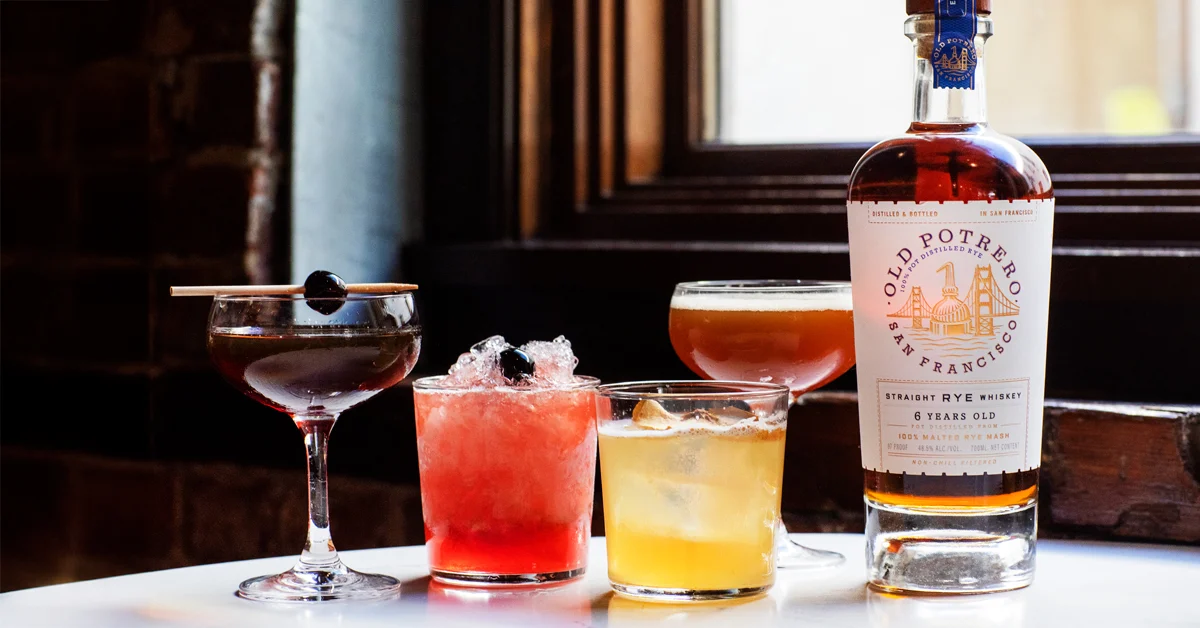
The landscape of the American craft beer industry is undergoing a fundamental transformation, moving away from the era of "freshie" hunts and block-long queues for limited-edition cans. For over a decade, the industry was defined by a cult-like devotion to hazy IPAs and high-gravity stouts, but recent market data suggests that the "golden age" of explosive growth has reached a plateau. According to the Brewers Association’s 2024 year-end report, the industry saw 399 brewery closures, while overall production volume dipped by 2%. This cooling period, exacerbated by shifting consumer preferences among younger demographics and the lingering economic effects of the COVID-19 pandemic, has forced established players to rethink their long-term viability.
For many veteran craft brewers, the solution to stagnant growth lies not in a new hop variety, but in the distillation of spirits. The transition from brewing to distilling is increasingly viewed as a logical evolution rather than a desperate pivot. As JC Tetreault, co-founder of Boston’s Trillium Brewing, observed during the early years of his company’s operation, the technical requirements for both industries overlap significantly. "I think it was probably about a year-and-a-half, maybe two years into Trillium, that I turned to Esther and said, ‘Boy, we’re about 90% of the way to being a whiskey distiller,’" Tetreault recalls. This realization highlights a growing trend where the production of high-end spirits serves as a strategic hedge against a maturing beer market.
The Technical Synergy Between Brewing and Distilling
The foundational process of making whiskey is essentially the first half of the brewing process. To produce a spirit, a distiller must first create a "mash"—a mixture of grains and water that is heated to convert starches into fermentable sugars. In brewing, this liquid (known as wort) is boiled with hops to create beer. In distilling, the unhopped "distiller’s beer" is fermented and then processed through a still to concentrate the alcohol.
While the mechanical similarities are striking, the nuances of grain selection differ. Whiskey mashes frequently utilize a higher percentage of unmalted grains, such as corn or rye, compared to the malt-heavy recipes favored by craft brewers. However, the existing infrastructure of a high-end brewery—including grain silos, milling equipment, mash tuns, and fermentation vessels—provides a substantial head start for any brewery looking to enter the spirits sector. This synergy allows breweries to leverage their existing expertise in fermentation science to produce high-quality base spirits that rival traditional distilleries.
A Chronology of the Craft Hybrid Model
The movement toward "brewstilleries" is not entirely new, but the pace of adoption has accelerated. Examining the timeline of brewery-led distilling reveals a steady progression from experimental side projects to core business strategies:
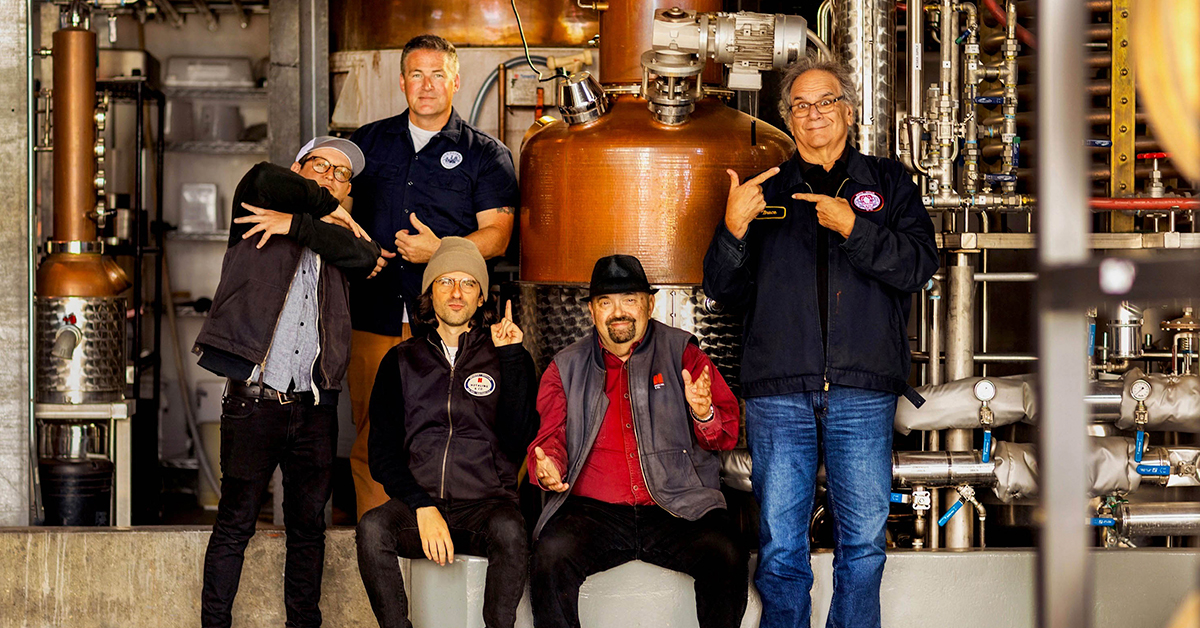
- 1993: Anchor Brewing, often cited as the progenitor of the modern craft movement, established Anchor Distilling. Their release of Old Potrero, a single malt rye whiskey, proved that a craft beer audience would follow a brand into the spirits category.
- 2003: Rogue Ales in Oregon launched Rogue Spirits, eventually becoming one of the few operations in the United States to copper their own barrels, emphasizing a "farm-to-bottle" philosophy.
- 2005: Michigan’s New Holland Brewing added distilling to its portfolio, successfully integrating spirits into their distribution networks.
- 2006: Ballast Point Brewing opened San Diego’s first post-Prohibition distillery. The spirits arm, later rebranded as Cutwater Spirits, became so successful that it was a key asset in the company’s eventual $1 billion sale to Constellation Brands, and its subsequent acquisition by Anheuser-Busch in 2019.
- 2017–2021: A new wave of "hype" breweries, including 3 Floyds, Tree House, and Trillium, launched sophisticated distilling programs to diversify their offerings as the IPA market became increasingly saturated.
Case Study: The New England Expansion
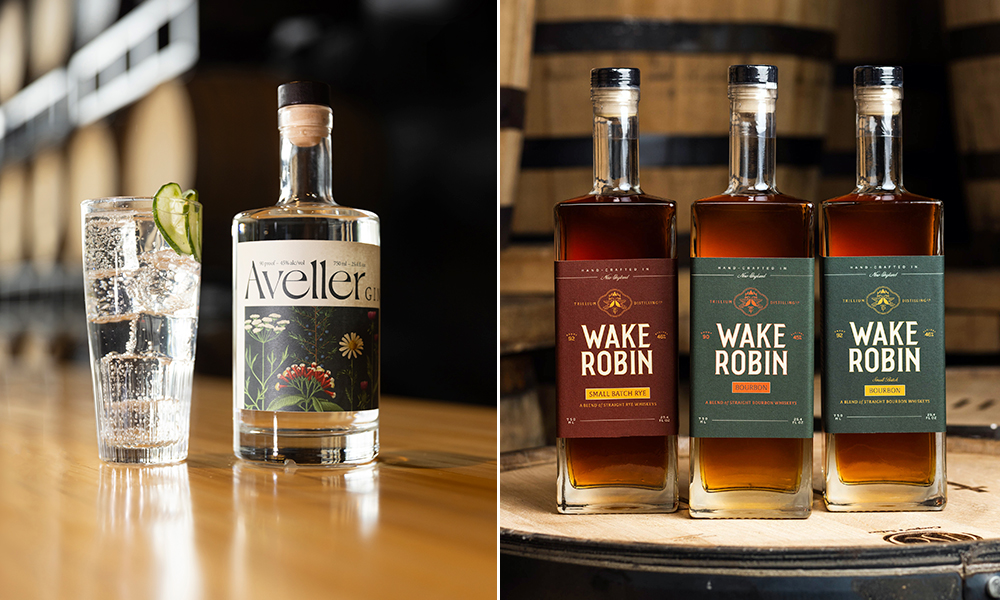
In Massachusetts, two of the most influential names in craft beer—Trillium and Tree House Brewing Company—have invested heavily in spirits to maintain their market dominance. Tree House, founded in 2011 and known for its iconic "Julius" IPA, has expanded its reach across multiple satellite locations and a 100-acre farm. Since 2021, the company has focused on "grain-to-glass" spirits, such as their Old Growth Bourbon and Rye, which are distilled exclusively from New England-sourced grains.
John Britton, who leads Tree House’s distilling program after tenures at St. George Spirits and Ann Arbor Distilling, notes that the transition is about maintaining quality at scale. "[We] built out our facility with the same goal in mind as we did the brewery—to be able to create artful spirits at scale," says Chris Conroy, Tree House’s spirits category sales manager. By utilizing their existing canning lines, Tree House has also moved aggressively into the Ready-to-Drink (RTD) cocktail market, producing canned versions of classics like the Tom Collins and Paloma.
Similarly, Trillium has utilized distilling to navigate complex state liquor laws. In Massachusetts, a "farmer-brewery" license often restricts the types of alcohol a taproom can serve. By securing a separate distilling license and producing their own gin, vodka, rum, and liqueurs, Trillium gained the ability to offer a full cocktail menu. This led to the creation of the Headroom Hi-Fi Cocktail Lounge in Boston’s Fort Point, a space designed to attract a more mature or spirits-focused demographic that might otherwise bypass a traditional brewery taproom.
Navigating Regulatory and Market Hurdles
Despite the operational advantages, the path to becoming a distiller is fraught with regulatory complexity. Distilling is governed by a different set of federal and state laws than brewing, requiring separate bonds, permits from the Alcohol and Tobacco Tax and Trade Bureau (TTB), and often entirely separate production spaces. In many jurisdictions, spirits are taxed at a significantly higher rate per gallon than beer, and the "tied-house" laws that govern the relationship between producers, wholesalers, and retailers can vary wildly between the two product categories.
Furthermore, the marketing challenge is significant. A brand that has spent a decade building an identity around "hoppy" profiles must convince consumers of its competence in the world of aged brown spirits or botanical gins. Trillium’s Tetreault admits that producing each individual spirit is a "different discipline" that requires a steep learning curve. However, the effort pays off by capturing "the aisle jumpers"—consumers who may enjoy the atmosphere of a brewery but prefer a gin and tonic over a double IPA.
Data-Driven Analysis of the Shift
The pivot toward spirits is supported by broader economic trends in the beverage industry. While craft beer production has seen a slight contraction, the American craft spirits market has continued to grow. According to the American Craft Spirits Association (ACSA), the number of active craft distillers in the U.S. grew by over 17% in recent years, with retail sales reaching nearly $8 billion.
The rise of Gen Z as a primary consumer block has also influenced this shift. Industry analysts note that younger drinkers are less loyal to specific categories, often alternating between non-alcoholic options, THC-infused beverages, and high-quality cocktails. By offering spirits and RTDs, breweries can provide a "one-stop shop" experience that appeals to diverse groups of friends with varying tastes.
Broader Implications for the Industry
The integration of distilling into the craft brewery model suggests a future where the distinction between "brewery" and "distillery" continues to blur. This diversification provides a safety net against the volatility of the beer market. When hop prices spike or CO2 shortages threaten beer production, a robust spirits program—which relies on different supply chains and offers products with much longer shelf lives—can provide essential financial stability.
Moreover, the "halo effect" of a successful spirits line can reinvigorate a brewery’s beer sales. When a customer visits a taproom for a high-end cocktail and discovers the brand’s beer portfolio, it creates a cross-promotional opportunity that traditional advertising cannot replicate. As the industry moves into 2025 and beyond, the breweries that thrive will likely be those that view themselves not just as makers of beer, but as comprehensive beverage companies capable of meeting the evolving demands of the modern palate.
For pioneers like Anchor and newcomers like Finback and 3 Floyds, the move into spirits is an admission that the market has changed, but it is also a celebration of the creative possibilities within the glass. As Tetreault notes, the most rewarding aspect is seeing new faces in the taproom who were previously unaware of the brewery’s existence. By "jumping the aisle," craft breweries are ensuring that they remain relevant in a world where the only constant is change.