admin
admin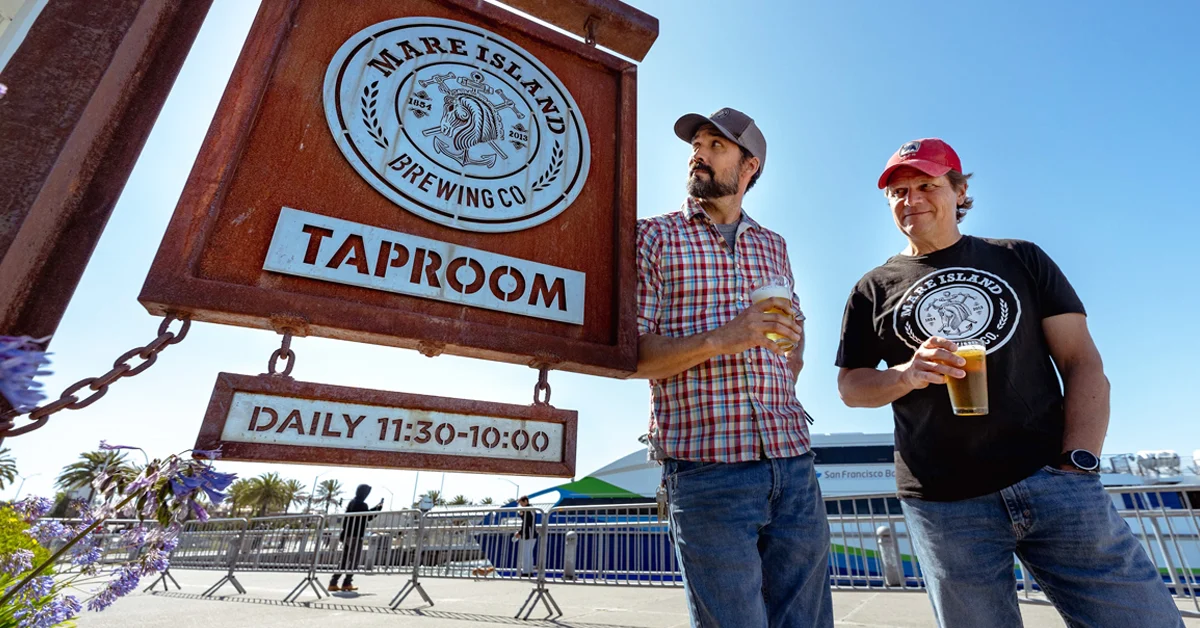
The adage that it takes a lot of beer to make good wine has long circulated within the cellars of California’s premier viticultural regions, but for a growing cohort of artisans, the boundary between the brewery and the winery is becoming increasingly porous. In California, the nation’s leading producer of both craft beer and wine, a unique class of "crossover" producers is leveraging the technical discipline of brewing and the artistic nuance of winemaking to redefine the state’s fermentation landscape. This movement is not merely a matter of personal preference or palate cleansing; it represents a sophisticated blending of two distinct industries that share a common foundation in microbiology, chemistry, and agricultural stewardship.
The Dual Heritage of California Fermentation
California’s dominance in the American beverage industry is supported by staggering economic data. According to the Wine Institute and the Brewers Association, California is home to more than 4,800 wineries and over 1,100 craft breweries. The state produces approximately 80% of all United States wine and maintains the highest number of craft breweries of any state in the union. This density of production has created a fertile environment for professional cross-pollination.
The technical requirements for both fields are rigorous. Winemaking often demands an understanding of soil science, viticulture, and the unpredictable nature of annual harvests, while brewing requires precision in temperature control, water chemistry, and the management of complex carbohydrate breakdowns. Despite these differences, the core of both crafts remains the management of yeast and the optimization of fermentation environments. For many professionals, the transition from one to the other is a logical progression of their expertise.
The Brewmaster’s Transition: The Case of Sherman Thacher
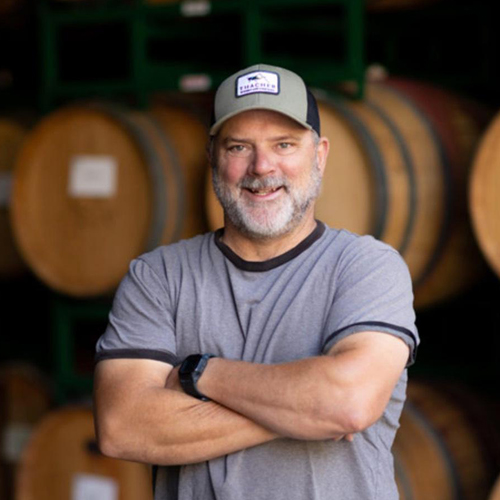
Sherman Thacher, the founder and winemaker of Thacher Winery in Paso Robles, represents the transition from the structured world of professional brewing to the seasonal art of winemaking. Before establishing himself as a prominent figure on California’s Central Coast, Thacher spent over a decade as a brewmaster. From 1992 to 2006, he led operations at the Los Gatos Brewing Company, where he specialized in German-style lagers and ales.
Thacher’s background in brewing provided a foundation of technical discipline that is often absent in those who enter the wine industry through purely agricultural or aesthetic routes. He notes that the attention to detail required in a brewery—where consistency is the primary metric of success—has been an invaluable asset in his winemaking career. While wine is often considered more "resilient" due to its lower pH levels and higher alcohol content, Thacher maintains that the hygiene and process-oriented habits of a brewer ensure a higher level of quality control in the cellar. Today, although his primary focus is on the Rhone and Zinfandel varieties that thrive in Paso Robles, his palate remains tethered to the refreshing, low-acid profile of a well-crafted beer, which he utilizes as a palate cleanser during the grueling tasting sessions of the harvest season.
From Crush Pad to Kettle: The Mare Island Evolution
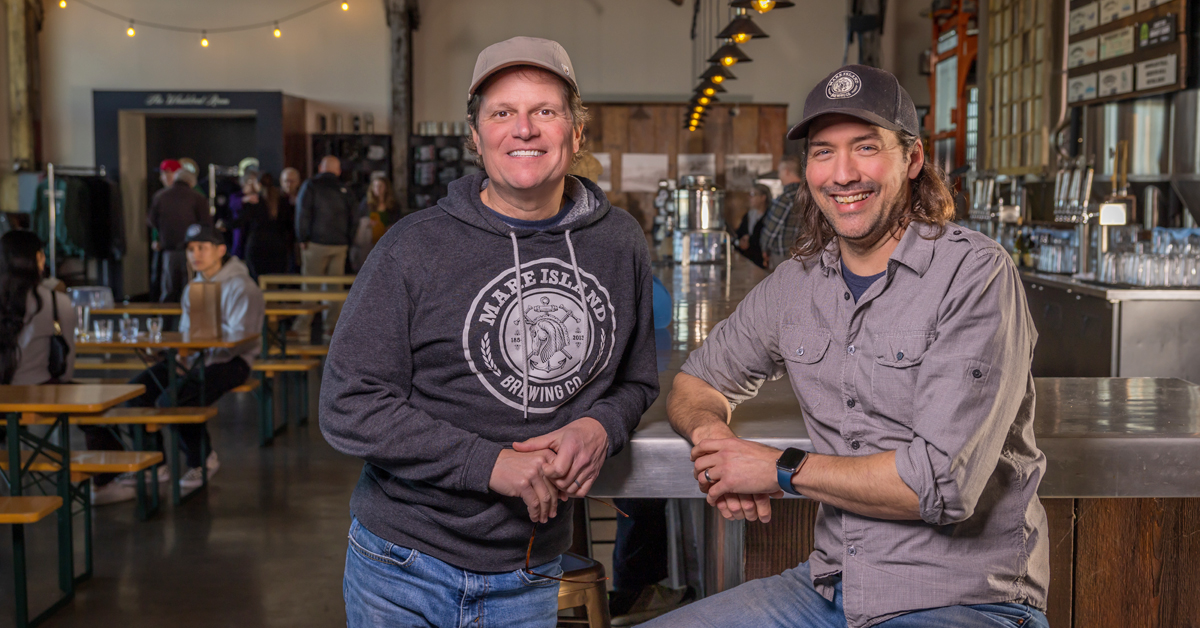
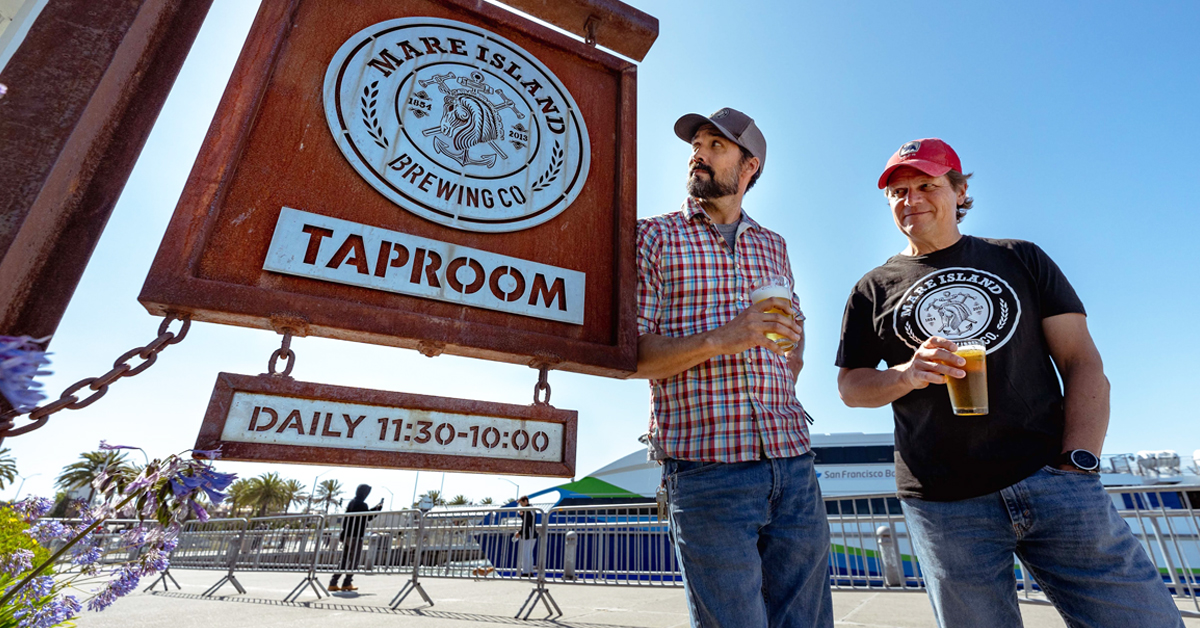
The narrative of crossover artisans is not a one-way street. Kent Fortner and Ryan Gibbons, the co-founders of Mare Island Brewing Co., illustrate the reverse trajectory. Both men were trained as winemakers and first met while working on a crush pad in the Napa Valley. Their shared history in the wine industry informs every aspect of their brewing operation, which they launched in 2013 with the release of their Saginaw Golden Ale.
The choice of location for their brewery was as much a tribute to California history as it was a strategic business move. Mare Island, established in 1854 as the first U.S. naval shipyard on the West Coast, serves as the thematic anchor for their brand. Since decommissioning in 1996, the island has seen a slow resurgence of artisanal activity. Fortner and Gibbons have expanded their footprint to include the Ferry Taproom in Vallejo, the Coal Shed Brewery on the Mare Island waterfront, and the First Street Taproom in Benicia.
Despite their success in the beer market, the duo has not abandoned their viticultural roots. Fortner continues to operate Road 31 Wine Co., a project he started over two decades ago that focuses on a single Napa Valley (Carneros) Pinot Noir. This dual-track approach allows Mare Island to offer a unique experience in their taprooms, where they pour both their craft beers and their estate wines. Gibbons notes that the "winemaking lens" is particularly evident in their marketing. Unlike many craft breweries that rely on "cheeky" or "crass" branding to gain attention in a crowded market, Mare Island adopts a more restrained, elegant aesthetic reminiscent of high-end wine labels.
Education and Technical Mastery at UC Davis
A significant driver of this crossover trend is the presence of world-class educational institutions within California. The University of California, Davis (UC Davis) is globally recognized for its Department of Viticulture and Enology, as well as its Master Brewers Program. These programs often share resources and faculty, fostering an environment where students are encouraged to understand the broader science of fermentation.
Remy Martin, co-founder of Fogbelt Brewing in Sonoma County, is a product of this academic rigor. Despite being the son of the late Dennis Martin, a legendary winemaker who spent 30 years at Fetzer Vineyards, the younger Martin found himself drawn to the "creative flexibility" of brewing. After developing recipes in a garage alongside co-founder Paul Hawley during a harvest stint in New Zealand, Martin committed to the craft by completing the Master Brewers Program at UC Davis.
Martin’s perspective highlights a key philosophical difference between the two industries: the role of the vintage. In wine, the variation between crop years is celebrated as an expression of terroir. In beer, however, the consumer expects absolute consistency. Martin asserts that while winemaking concepts like anaerobic fermentation and barrel-topping are useful in the brewery, the constant production cycle of beer requires a different kind of mental stamina. At Fogbelt, the focus is on maintaining that consistency year-round, a stark contrast to the "one shot a year" nature of the wine harvest.
Technical Comparisons: The Science of the Switch
The transition between brewing and winemaking involves a complex recalibration of technical priorities. Industry analysts point to several key areas where the two disciplines overlap and diverge:
- Microbiology: Both industries rely on Saccharomyces cerevisiae, but the stressors placed on the yeast differ. Wine fermentations often deal with much higher sugar concentrations (Brix) and potential alcohol levels, whereas beer fermentations must manage complex maltose sugars and hop oils.
- pH and Stability: Wine typically sits at a lower pH (3.0 to 3.8) than beer (4.0 to 4.5). This makes wine naturally more resistant to certain spoilage bacteria, whereas brewers must be fanatical about sanitation because their product is more vulnerable to infection.
- Oxygen Management: In both fields, oxygen is the enemy of the finished product. The "topping" of barrels—a standard wine practice to minimize headspace—has been adopted by crossover brewers to improve the quality of their barrel-aged stouts and sour ales.
- Enzymatic Activity: Brewers must master the enzymatic conversion of starches to sugars during the mashing process, a step that is entirely absent in winemaking, where the sugars are readily available in the grape juice.
Economic and Market Implications
The rise of the crossover artisan reflects broader shifts in consumer behavior. The modern "omni-bibulous" consumer does not strictly identify as a "wine person" or a "beer person." According to market research from groups like IWSR, younger demographics are increasingly likely to rotate between categories based on the occasion.
By operating in both spaces, producers like Thacher, Mare Island, and Fogbelt are able to capture a wider share of the "fermentation tourism" market. In regions like Sonoma and Paso Robles, where wine tourism is the primary economic driver, the presence of high-quality craft breweries provides a necessary "change of pace" for visitors. This has led to a symbiotic relationship where breweries and wineries often collaborate on "grape-ale" hybrids or share barrel resources, further blurring the lines between the two crafts.
The Future of the Grapes and Grains Hybrid
As the California beverage industry continues to evolve, the influence of winemaking on brewing—and vice-versa—is expected to deepen. The "low and no" alcohol movement is also playing a role, as brewers like Ryan Gibbons note that the lower alcohol content of beer makes it a more sustainable daily choice for professionals who spend their lives surrounded by high-alcohol wines.
The success of these crossover figures suggests that the future of California fermentation lies not in silos, but in a shared community of practice. Whether it is the precision of a German-style lager or the elegance of a Carneros Pinot Noir, the fundamental goal remains the same: the transformation of raw agricultural products into something that reflects the history, science, and spirit of the Golden State. For the artisans bridging this gap, the end of a long day in the cellar or the brewhouse will always call for the same thing: a cold, refreshing glass that honors the best of both worlds.