admin
admin
A year has passed since the Republican-led Congress enacted its landmark budget bill, officially known as H.R. 1, or colloquially, the “One Big Beautiful Bill” (OBBB), on July 4, 2025. This legislation, signed into law by President Donald Trump, has fundamentally reshaped the landscape of federal food assistance, particularly the Supplemental Nutrition Assistance Program (SNAP), creating unprecedented challenges for millions of Americans and sending shockwaves throughout the nation’s food system. The initial promise of fiscal responsibility and workforce participation has, in practice, translated into a dramatic reduction in aid, increased administrative burdens, and a burgeoning crisis for the most vulnerable populations.
The Human Cost: Stories from the Frontlines
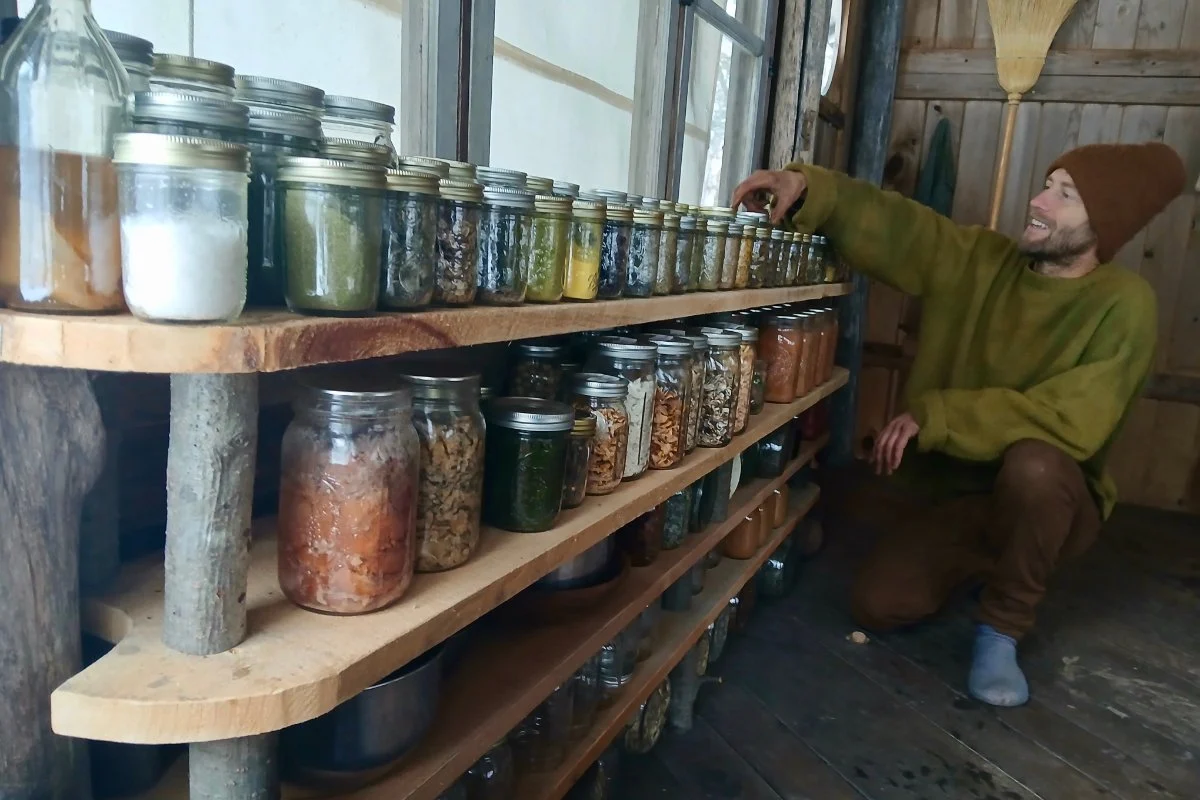
The impact of these sweeping changes is most acutely felt by individuals like Helen Swire Comer, a 62-year-old West Virginian who, just two and a half years ago, left her career as a bank manager to provide full-time care for her aging parents. Having worked diligently since age 15, Comer had envisioned continued employment into her seventies. However, the relentless demands of round-the-clock care made external work impossible, leading her to rely on nearly $400 a month in SNAP benefits. These funds, combined with produce from her vibrant garden, sustained her and allowed small joys, like her father picking fresh cherry tomatoes from the vine. The tragic loss of both parents within five months left Comer exhausted and grieving, only to be compounded by the news that her SNAP benefits would be slashed to a mere $24 monthly, then eliminated entirely after three months. At 62, she no longer met the new, stricter work requirements imposed by the OBBB, which raised the exemption age from 54 to 64. While Comer eventually qualified for early retirement and resorted to selling personal items to cover utilities, her pantry, once well-stocked from years of gardening, now faces depletion. She acknowledges her relative fortune, noting, "I’m so blessed, but I think I’m an exception to the rule. There’s people out there, they’re in a more dire situation."

Similar struggles are echoed across the country. Krysten Xanthis, a 36-year-old home healthcare worker in Scranton, Pennsylvania, has been rendered ineligible for SNAP due to her $13-an-hour income. "My shelves are very empty," she lamented in a May interview, describing agonizing choices between basic necessities like eggs or milk, and considering fruits like bananas or strawberries an unaffordable "treat." Her experience is representative of the more than 4 million people who have been removed from food assistance in the nine months following the OBBB’s passage, a figure exceeding even the Congressional Budget Office’s (CBO) initial estimates.
Meanwhile, Theresa Majors, a 58-year-old from Tennessee, exemplifies the challenges posed by the OBBB’s tightened work requirements. After her part-time gas station job of 15 years ended, Majors relied on her custom T-shirt design business and her deep community involvement, including extensive volunteering at her church, where she cleans, cooks, and aids in Meals on Wheels distributions. Previously exempt from "able-bodied adults without dependents" (ABAWD) work requirements due to her age, the OBBB’s shift to a 64-year-old exemption threshold now mandates Majors to document 20 hours of work or volunteering weekly. This requirement, demanding signatures from supervisors and detailed logs of her T-shirt design work, feels like "work release" and is deeply embarrassing, hindering her ability to access the benefits she needs while actively seeking new employment. The removal of exemptions for veterans and people experiencing homelessness further underscores the bill’s broad impact.
The OBBB’s Core Provisions and Their Immediate Fallout
The "One Big Beautiful Bill" (H.R. 1) introduced several historic and contentious changes to SNAP:

- Work Requirements Expansion: The bill significantly tightened work requirements for ABAWDs, raising the age for exemption from 54 to 64. It also removed previous exemptions for veterans and individuals experiencing homelessness, while making it more difficult for states with high unemployment rates to obtain waivers.
- State Cost-Sharing for Administration: For the first time in SNAP’s history, states are now required to front 75 percent of all administrative costs, including staff salaries and computer systems, starting October [2026]. This represents a multi-million dollar new burden for state budgets, particularly challenging in the 10 states where county governments administer the program.
- State Cost-Sharing for Benefits: The OBBB mandates that states cover a portion of SNAP benefits based on their payment error rates – a measure of administrative over- or under-payments, not fraud. States with an error rate above 6 percent will pay between 5 to 15 percent of benefit costs, potentially amounting to $9 billion nationally. While most states face this in October 2027, those with error rates above 13.33 percent receive a temporary reprieve.
- Non-Citizen Eligibility Changes: The bill altered food assistance eligibility for non-citizens, removing exemptions for refugees, asylum seekers, and certain special visa holders. This, coupled with demands for additional data from USDA, has created a "chilling effect" on mixed-status households, where eligible individuals may forgo benefits due to privacy concerns and fear of immigration enforcement.
- Administrative Barriers and Misinformation: Beyond legislative changes, the Trump administration has enacted other regulatory changes, approved waivers for food restrictions in the program, and promoted a narrative that SNAP is rife with "waste, fraud, and abuse" – a claim often unsupported by data, as payment errors are predominantly administrative oversights. The USDA also canceled a key food insecurity survey, further obscuring the true extent of the problem.
Elaine Waxman, a senior fellow at the Urban Institute, observes, "We’re experiencing a structural change that’s clearly intended to significantly reduce the resources that are available for people, regardless of how many food insecure people we have." This systemic shift, rather than an improving economy, is the primary driver behind the massive decline in SNAP enrollment.
States Grapple with Unprecedented Burdens
The implementation of the OBBB has plunged state administrative agencies into disarray. Chloe Green, former assistant policy director at the American Public Human Services Association (APHSA), which supports state agencies, called the changes "some of the most significant that have happened to SNAP since it was incepted."
States face a perfect storm of challenges:

- Staffing Shortages: Many state agencies have not recovered from post-COVID staffing losses, as employees retired early or left due to return-to-office mandates. Now, they must do more work with fewer personnel.
- Delayed Guidance: Guidance from the U.S. Department of Agriculture (USDA) has been delayed, leaving states to interpret complex new rules without clear direction.
- Payment Error Rate Pressure: The new requirement for states to pay for benefit errors has forced a re-prioritization. A survey by the Urban Institute and APHSA found that 58 percent of states reported making at least one operational tradeoff to prioritize payment accuracy, often at the expense of modernizing systems or ensuring benefit timeliness. Forty percent said they were less focused on processing applications promptly.
- Increased Documentation: States like Nevada now require applicants to verify "everything" – proof of housing, medical, and childcare expenses – a significant burden for the state’s large gig and seasonal workforce, previously not required.
- Rapid Declines in Participation: Arizona stands out with a staggering 53 percent drop in SNAP participation since July of last year. This is attributed to the state’s aggressive and swift implementation of federal rules and stricter vetting procedures. In Louisiana, 82 percent of the decline in SNAP participation is linked to procedural reasons, such as technical issues, more frequent re-verification, or additional paperwork, according to analyst Tiandra Fields of Invest in Louisiana.
These administrative hurdles lead to unanswered calls, unprocessed documentation, and unsent letters, causing eligible individuals to lose benefits through no fault of their own. "We penalize the very people who are trying to comply often, because they’re not able to engage with the system in the way that they need to," notes Elaine Waxman.
Ripple Effects Across the Food System and Beyond
The erosion of SNAP benefits extends far beyond individual households and state agencies, creating profound ripple effects throughout the national food system and other critical social safety nets.
-
Local Retailers and Farmers: Small businesses, particularly those in low-income communities, are experiencing a significant downturn. Pickford Market, a neighborhood grocery in Los Angeles, has seen its EBT sales plummet by 18 to 25 percent between January and May of this year. Owner Mandeep Singh expresses sorrow for his struggling customers: "It’s just sad to see that they’re not able to get the basics. They’re working hard and trying to do everything the right way, but still that help that they had before has been either taken away or has been reduced tremendously." This decline in SNAP dollars directly impacts the "ecosystem" of wholesalers, small vendors, and local producers.

Adding to the burden, new USDA requirements for what retailers must stock to accept SNAP benefits, while ostensibly aimed at promoting healthier options, pose a logistical nightmare for smaller grocers. These stores, often critical access points in food deserts, typically have limited stock and space. Alba Velasquez, executive director at the LA Food Policy Council (LAFPC), calls the requirements "unrealistic," citing the expectation for small markets to carry "seven types of cheeses." Margaret Mannion of the National Association of Convenience Stores (NACS) reports that only 60 percent of her members believe they can comply. The consequence, as some experts predict, will be fewer SNAP-accepting retailers, increasing travel costs and time for beneficiaries and making the program less accessible. This directly harms local farmers, especially in rural areas, who rely on these grocers as outlets for their produce. Gary Wertish, president of the Minnesota Farmers Union, warns, "Right now with the economic crisis in agriculture, it couldn’t come at a worse time."
-
Intertwined Nutrition Programs: SNAP serves as a foundational pillar for other federal nutrition initiatives. The Community Eligibility Program (CEP), which allows schools in low-income areas to automatically provide free breakfast and lunch, bases its reimbursement formula on SNAP and TANF participation rates. A decline in SNAP enrollment directly threatens CEP eligibility and reimbursement rates, jeopardizing free meals for countless students. Similarly, the Special Supplemental Nutrition Assistance Program for Women, Infants and Children (WIC) simplifies eligibility for Medicaid and SNAP participants; fewer people on SNAP will mean more burdensome application processes for WIC, potentially leading to reduced access for mothers and young children.
-
Emergency Food Systems Overwhelmed: Food banks and pantries, designed as supplementary support, are now operating in "crisis mode" as the primary safety net erodes. In Washington, D.C., the Capital Area Food Bank (CAFB) experienced a 30 percent increase over its projections, distributing 65 million meals worth of food in the past year. They anticipate distributing 70 million meals in the coming year, nearing the peak levels seen during the pandemic. Radha Muthiah, CEO of CAFB, states, "We were never built to address this magnitude of need across the country. Our network was supposed to be there as a supplementary form of nutrition and not… the primary form of food assistance and support." Projections indicate that 50,000 households in the D.C. region alone are expected to lose an average of $187 a month in SNAP benefits due to the OBBB.
The Broader Policy Landscape and Future Concerns

The changes under the OBBB are part of a broader shift in federal policy and rhetoric surrounding social safety nets. The Trump administration’s emphasis on reducing federal spending, promoting self-sufficiency through work requirements, and a persistent narrative of SNAP program "integrity" (often equating administrative errors with fraud) has set a tone that de-emphasizes food assistance.
The USDA’s Food and Nutrition Administration (FNA), formerly the Food and Nutrition Service, has undergone a significant reorganization and has seen a 30 percent reduction in staff due to federal cutbacks. Internal documents, cited in a court filing by the American Federation of Government Employees (AFGE), reveal plans to "deemphasize the food stamp program" in line with the president’s priorities and not to backfill roles of employees who leave during the reorganization. The FNA has also been demoted from a USDA mission area, now led by a politically appointed administrator rather than a Senate-confirmed undersecretary, raising concerns about its capacity to provide critical technical support to states navigating complex new rules. The 2025 government shutdown served as a stark preview of the chaos that ensues when federal staff are unavailable to assist states, leading to increased payment error rates and directly harming applicants.
Looking ahead, experts fear even more drastic changes. Democrats in the Senate have attempted to push back, advocating for a delay in the cost-shift provision for states within farm bill talks, though a draft released in June 2026 did not include this delay. The release of FY25 SNAP payment error rates further underscored the impending financial burden for states, with Emily Weikert Bryant, executive director at Feeding Indiana’s Hungry, stating, "The reality is states aren’t prepared for this. It feels as though folks are being set up for failure."
Other federal actions loom:

- Categorical Eligibility Reform: A USDA proposed rule to reform categorical eligibility is under review. A similar proposal by the first Trump administration estimated it could remove 6 million people from SNAP by limiting broad-based categorical eligibility (BBCE) options for states.
- "Eligible Food" Definition: Another proposed rule aims to amend the definition of "eligible food" for SNAP purchases, prioritizing nutritious foods and aligning with the "MAHA agenda." This follows federal court rollbacks of state laws restricting purchases of items like soda and candy.
Perhaps the most significant concern among advocates is the possibility of states simply being unable to meet the new financial and administrative costs associated with SNAP. An APHSA survey revealed that 11 percent of states consider leaving SNAP entirely a possibility, while over a quarter said narrowing eligibility policies is an option, making it even harder for individuals to access crucial food assistance.
"That would be catastrophic," warns Elaine Waxman. "I think part of the challenge for people to take this all in is that it’s happening in bits and pieces… It will take some time for people to understand just how dramatic the change is." A year after its passage, the "One Big Beautiful Bill" has begun to reveal its profound and escalating consequences, fundamentally altering the fabric of food security in America. The path forward remains uncertain, but the immediate reality for millions is one of heightened struggle and diminishing support.