admin
admin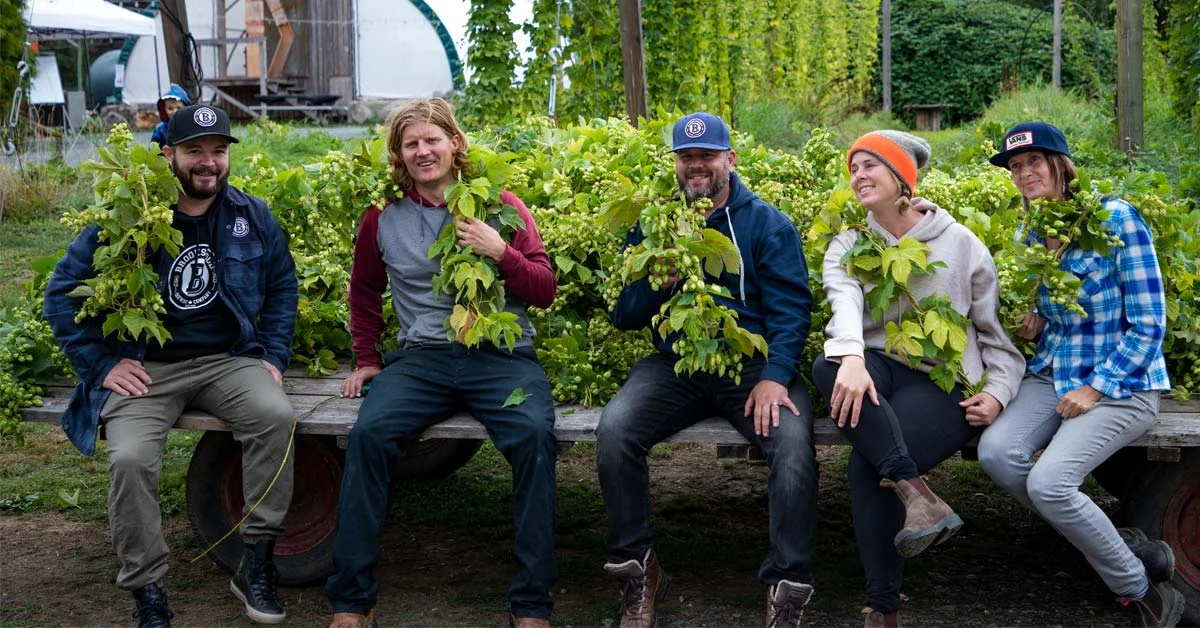
The Canadian craft beer landscape is currently undergoing a profound period of introspection as Indigenous entrepreneurs and brewers navigate a history marked by systemic exclusion, colonial trauma, and a burgeoning movement toward economic self-determination. While the industry has traditionally been dominated by non-Indigenous perspectives, a growing cohort of First Nations, Métis, and Inuit makers are reclaiming space, asserting that their participation in the alcohol industry is a matter of sovereignty and cultural expression. This shift has not been without significant controversy, highlighting the deep-seated tensions between the commercial success of craft brewing and the painful legacy of alcohol as a tool of colonial oppression.
The Catalyst of 2021: The Celebrating Sisters Campaign
In March 2021, the Indigenous Brew Crew (IBC), a collective of three Indigenous brewers, launched the "Celebrating Sisters" campaign. This nationwide initiative aimed to support Indigenous women through the sale of craft beer, featuring artwork by prominent Anishinaabe artist Chief Lady Bird. The label, depicting a blackbird against a woodland backdrop, became a lightning rod for a complex national conversation.
While the campaign received widespread praise for its visibility and charitable goals, it also triggered a wave of criticism from Indigenous community members and activists. Opponents argued that associating Indigenous identity and art with alcohol was inherently harmful, citing the generational devastation alcohol has caused within many communities. The backlash underscored a fundamental divide: some viewed the project as a form of empowerment and visibility, while others saw it as a betrayal of those still suffering from the effects of colonial-induced dependency.
By the end of 2021, the IBC dissolved under the weight of these irreconcilable perspectives. This event served as a turning point, forcing the Canadian craft beer industry to acknowledge that Indigenous participation cannot be viewed through a purely commercial lens; it is inextricably tied to a history of legislation and trauma.
A Century of Exclusion: The Indian Act and Alcohol Prohibition
To understand the current tension, one must look at the legislative framework that governed Indigenous lives for over a century. The Indian Act of 1876, along with subsequent amendments, served as a primary mechanism for "cultural genocide," as defined by the 2015 Truth and Reconciliation Commission (TRC). Central to this legislation was the strict control of alcohol.
Under the Indian Act, Indigenous people were legally prohibited from purchasing, consuming, or possessing alcohol. Section 94 of the Act made it a criminal offense for an "Indian" to be intoxicated or to have intoxicants in their possession, both on and off-reserve. This prohibition lasted in various forms until the mid-20th century. Paradoxically, while Indigenous people were barred from the legal alcohol market, colonial traders often used low-quality spirits as a coercive tool to disrupt traditional Indigenous trading systems and secure favorable land deals.
The exclusion extended to the industry itself. Indigenous people were barred from holding liquor licenses or voting on liquor-related referendums. This created a vacuum where alcohol was something imposed upon communities from the outside rather than a product they could regulate or produce. The legacy of the Residential School system and the "Sixties Scoop"—which saw Indigenous children forcibly removed from their families—further exacerbated the issue. Alcohol often became a coping mechanism for the profound psychological wounds and fractured identities resulting from these state-sanctioned programs.

The Economic Context: Indigenous Entrepreneurship and Sovereignty
Despite this dark history, the contemporary era is defined by a push for "reconcili-action"—the practical application of the TRC’s 94 Calls to Action. According to data from the National Aboriginal Economic Development Board, Indigenous businesses contribute over $30 billion annually to Canada’s GDP, a figure projected to rise significantly as more communities exercise their right to economic self-determination.
For many Indigenous brewers, the decision to enter the craft beer market is an act of sovereignty. Darnell Stager of Indigenous Tourism BC characterizes the historical antagonism toward Indigenous brewers as a form of "economic gatekeeping." He notes that the term "Ward of the State," still present in some administrative contexts, reflects a paternalism that Indigenous entrepreneurs are now actively dismantling.
Financial infrastructure is also evolving to support this growth. Organizations such as Farm Credit Canada and the Manitoba Métis Federation have begun providing targeted support for Indigenous entrepreneurs in the agriculture and beverage sectors. This institutional support acknowledges that Indigenous people have a right to participate in all sectors of the economy, including those historically used to oppress them.
Profiles in Resilience: Indigenous-Led Breweries Across Canada
The current landscape features several trailblazing businesses that are redefining what it means to be an Indigenous brewer.
Kahnawake Brewing Company (Quebec)
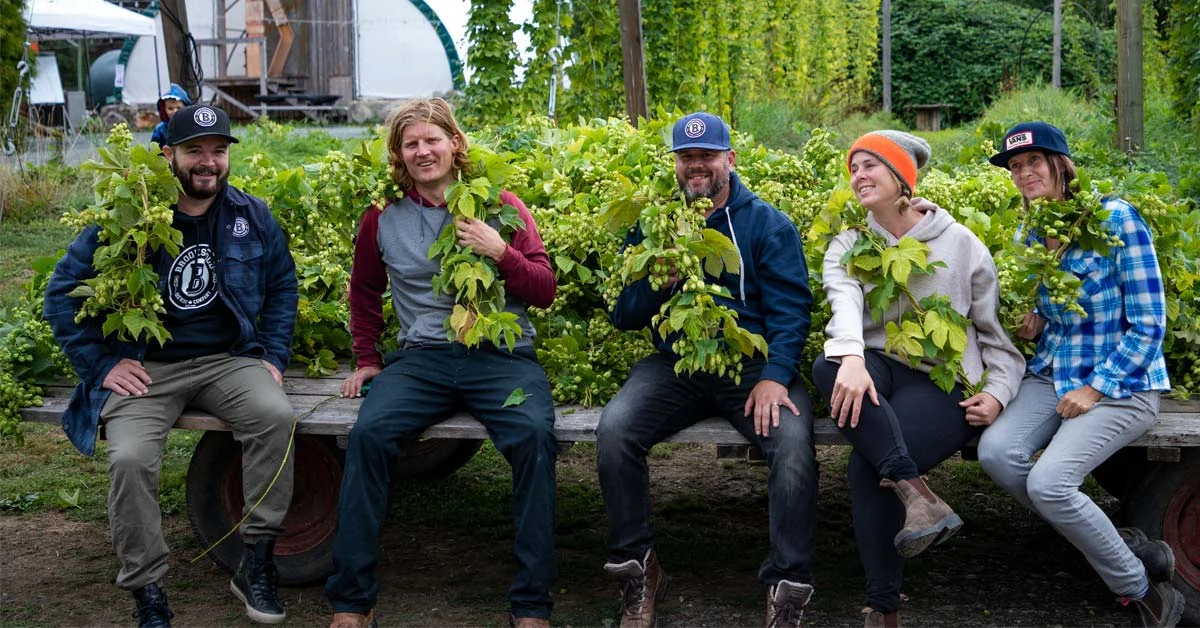
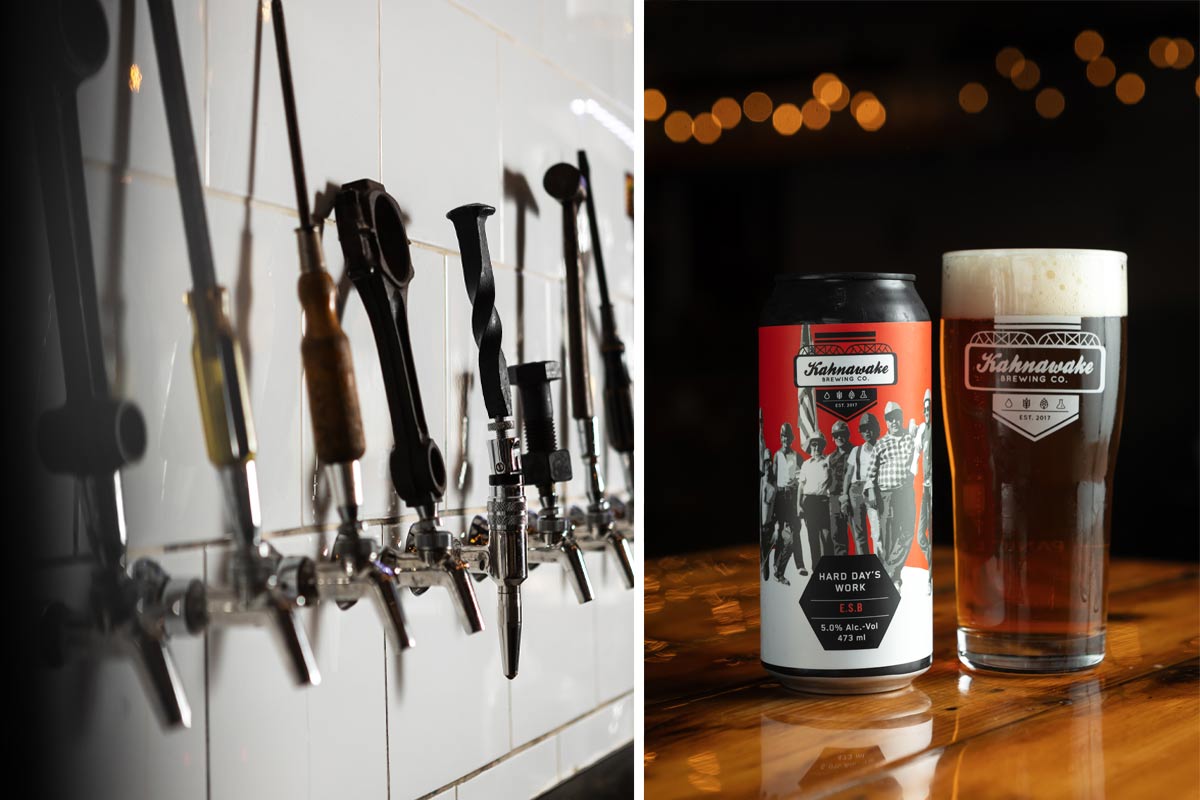
Located on Mohawk territory, Kahnawake Brewing is recognized as Canada’s first openly Indigenous-owned craft brewery on Indigenous land. Co-owner Fred Leblanc, a former ironworker, has integrated local history into the brand. The "Black Bridge" in the brewery’s name refers to the Saint-Laurent Railway Bridge, a structure built by Mohawk ironworkers in 1900. In 2024 and 2025, the brewery achieved national acclaim, winning multiple medals at the Canada Beer Cup, proving that Indigenous-led brands can compete at the highest levels of quality.
Locality Brewing (British Columbia)
Melanie MacInnes, a Métis woman and co-owner of Locality Brewing in Langley, exemplifies the personal struggle many feel regarding visibility. After winning the Best Indigenous-Led Business award at the 2022 BC Food & Beverage Awards, MacInnes spoke about the "visceral response" and sense of responsibility that comes with identifying a business as Indigenous. Her brewery focuses on the "farm-to-glass" model, emphasizing a deep connection to the land—a core Indigenous value.
Red Tape Brewery (Ontario)
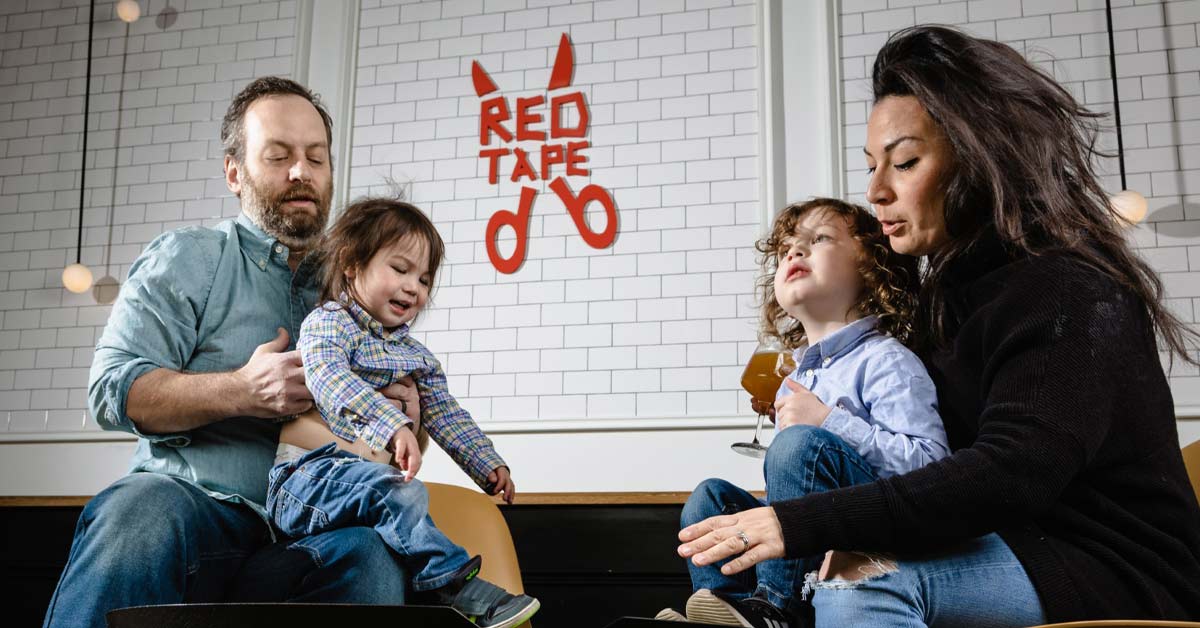
Inuit brewer Sarabeth Holden, co-owner of Red Tape Brewery in Toronto, utilizes her platform to incorporate traditional ingredients. Her beers often feature elements like orange pekoe tea—a staple in Northern hunting and fishing trips—and dwarf fireweed (Paunnat). Holden’s experience highlights the intersectional challenges of being an Indigenous woman in a male-dominated industry, where she is occasionally dismissed by tradespeople or feels out of place in retail environments.
La Brasserie Nonsuch Brewing Co. (Manitoba)
In Winnipeg, Matthew Sabourin of Nonsuch Brewing has focused on creating "moments and experiences" rather than promoting high-volume consumption. The brewery hosts events like the "Beer Bannock" experience, where patrons learn about Indigenous history and the significance of Louis Riel while pairing traditional food with craft ales.

Defining the "Indigenous" in Craft Beer
A central question facing the industry is what constitutes an "Indigenous beer." For the current generation of makers, the answer is multifaceted:
- Sourcing and Production: Prioritizing Indigenous suppliers for hops, malt, and other raw materials.
- Cultural Symbolism: Using traditional ingredients like spruce tips, alfalfa, or wild berries that carry ancestral significance.
- Land Stewardship: Implementing brewing practices that respect the environment and acknowledge the specific Indigenous territories on which the breweries operate.
- Ethical Marketing: Avoiding stereotypes and ensuring that branding is a source of pride rather than a caricature.
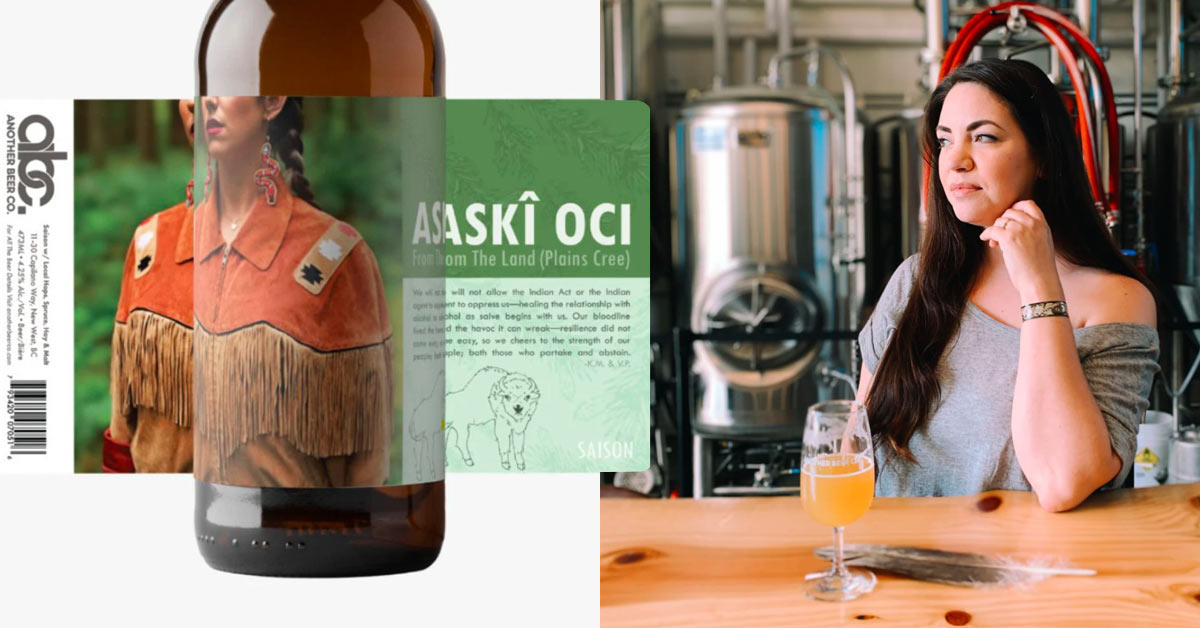
Nadine Jopson, a member of the Cree Nation and founder of Heartberry Soda, previously developed the Askî Oci saison for Another Beer Co. The beer’s label explicitly addressed the Indian Act, stating that "healing the relationship with alcohol as salve begins with us." This sentiment reflects a broader movement toward "reclaiming the medicine" and transforming a source of trauma into a source of community strength.
Broader Impact and the Path Toward Reconciliation
The integration of Indigenous voices into the craft beer industry is not merely a matter of diversity and inclusion; it is a complex negotiation of historical accountability. Niigaan Sinclair, an Anishinaabe professor, argues that Indigenous people must "figure out a relationship with all things," including alcohol. He emphasizes that sovereignty does not mean doing whatever one wants, but rather taking responsibility to avoid causing harm to others.
For non-Indigenous brewery owners, the path forward involves active engagement rather than passive observation. Inez Cook, co-founder of Vancouver’s Salmon n’ Bannock restaurant and a member of the Nuxalk Nation, suggests that breweries should physically visit local tribal nations to introduce themselves. "Indigenous people do business with people, not with businesses," Cook notes, adding that an apology for past exclusion is often a necessary first step toward a fresh start.
The dissolution of the Indigenous Brew Crew in 2021 was a moment of silence, but that silence has been replaced by a more nuanced, distributed, and resilient movement. As more Indigenous people occupy roles throughout the supply chain—from maltsters and hop growers to head brewers and owners—the industry is being forced to evolve. The future of Canadian craft beer may depend on its ability to listen to these voices, respect the sovereignty of Indigenous nations, and acknowledge that the pint glass is never just a vessel for beer—it is a vessel for history, identity, and the ongoing pursuit of justice.