admin
admin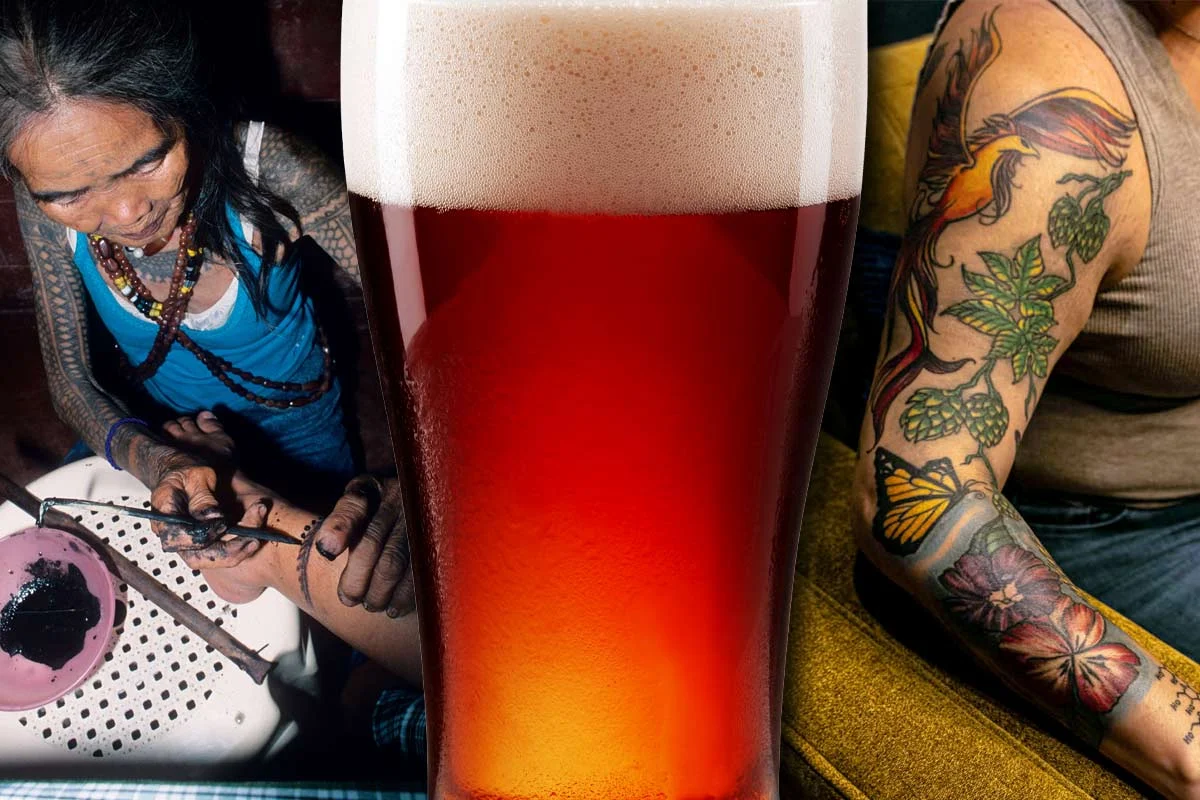
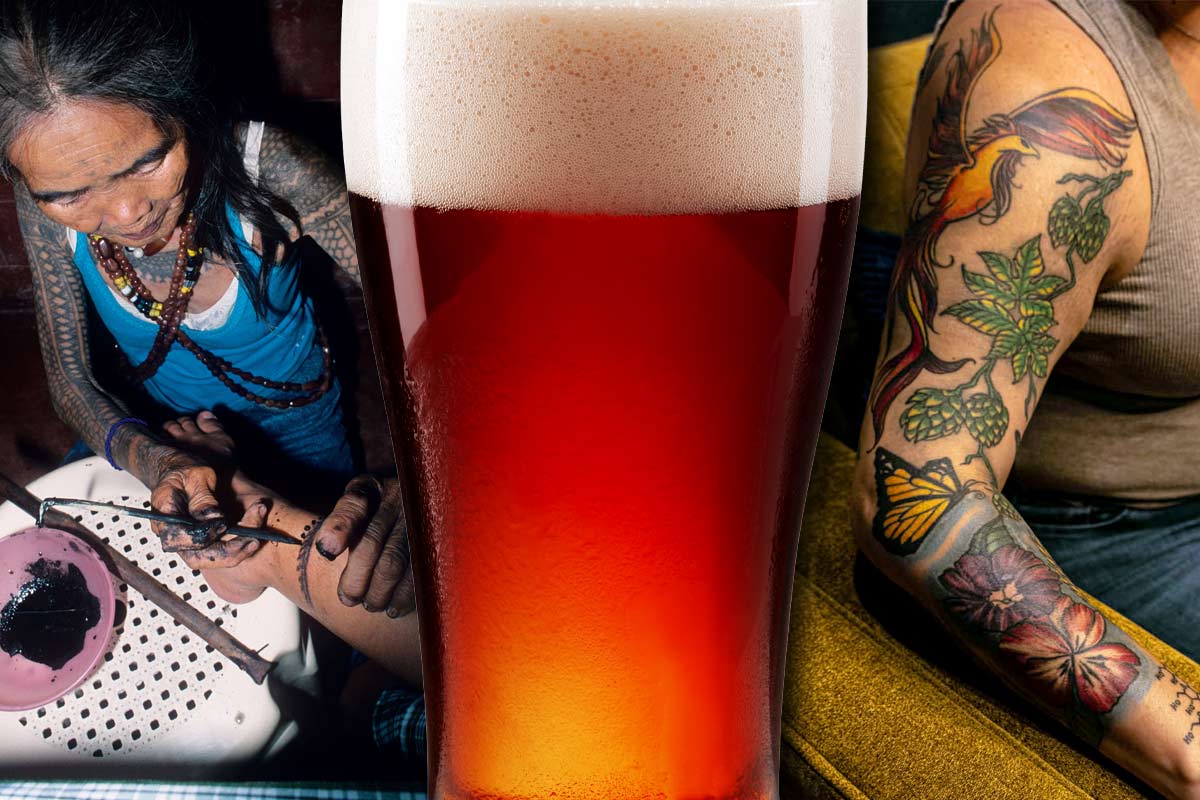
The practices of tattooing and fermentation, while seemingly disparate in the modern industrial world, share a profound historical and ritualistic lineage as transformative crafts. Across diverse global cultures, these two traditions function as technologies of continuity, reshaping raw materials—skin and organic matter—into vessels of identity, ancestry, and communal nourishment. From the hearths of northern Japan to the savannas of Guyana, the intersection of ink and drink reveals a shared grammar of transformation that serves to bind communities to their land and their ancestors. This relationship is not merely coincidental but is rooted in indigenous epistemologies that view the body and the substances it consumes as interconnected sites of spiritual and social negotiation.
Historical Suppression and the Chronology of Cultural Reclamation
The history of tattooing and fermentation in many indigenous contexts is one of survival against external pressures. During the late 19th and early 20th centuries, colonial policies and missionary influences systematically targeted these practices as part of broader assimilation efforts. In Japan, the Meiji government banned Ainu tattooing in 1871, viewing it as "primitive" and an obstacle to modernization. Similarly, in the Philippines and South America, colonial authorities often discouraged traditional brewing and tattooing, associating them with paganism or lack of civility.
The chronology of these practices reflects a three-stage evolution:
- Ancestral Integration: Prior to the 19th century, tattooing and fermentation were central to daily life, ritual, and gender roles.
- Colonial Suppression: Between 1870 and 1970, many of these traditions were driven underground or declined significantly due to legal bans and social stigma.
- Modern Renaissance: From the 1990s to the present, there has been a global resurgence in both indigenous tattooing (such as the Kalinga batok) and craft fermentation, as communities reclaim their heritage as a form of decolonization.
Today, these practices have transitioned from being markers of "otherness" in the eyes of colonizers to being symbols of resilience and sovereign identity.
The Ainu of Northern Japan: The Sacred Hearth and Domestic Ritual
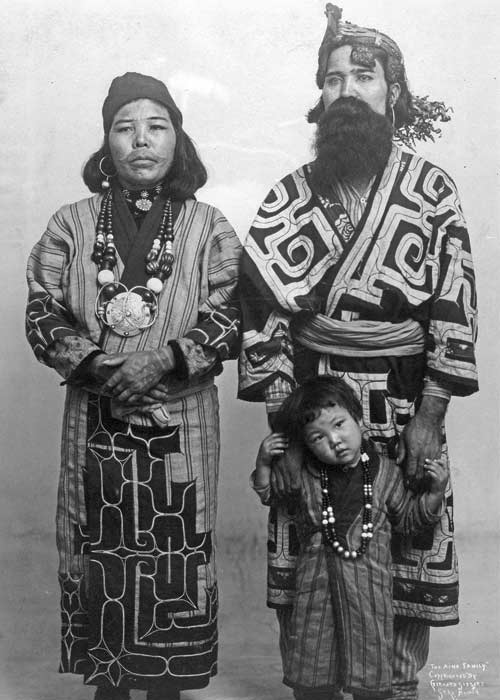
For the Ainu people, the indigenous inhabitants of Hokkaido, Sakhalin, and the Kuril Islands, the hearth serves as the physical and cosmological center of the universe. It is the domain of Kamuy Fuchi, the hearth goddess, who oversees the essential transformations that occur within the home. In Ainu culture, tattooing and fermentation are inextricably linked through this domestic fire.
Historically, Ainu women were the primary practitioners of both crafts. Tattooing pigment was derived directly from the hearth, created by collecting soot from the underside of earthenware pots used for brewing and cooking. This soot was mixed with water and steeped with ash tree bark. The resulting ink was then rubbed into patterned incisions made with a makiri (tattooing knife). These markings, particularly the distinctive lip tattoos, were believed to offer protection from malevolent spirits and were required for a woman to enter the afterlife.
Parallel to this, the production of tonoto, a fermented rice-and-millet beer, was a sacred responsibility held by women. The brewing process was conducted under the watchful eye of Kamuy Fuchi. The beer was not for casual consumption but served as a vital offering to the kamuy (divine beings) during ceremonies. The use of hearth soot for ink literally inscribed the essence of the brewing fire onto the bodies of Ainu women, creating a physical manifestation of their role as the keepers of life-sustaining rituals.
The Kalinga of the Philippines: Fermented Ink and the Marks of Bravery
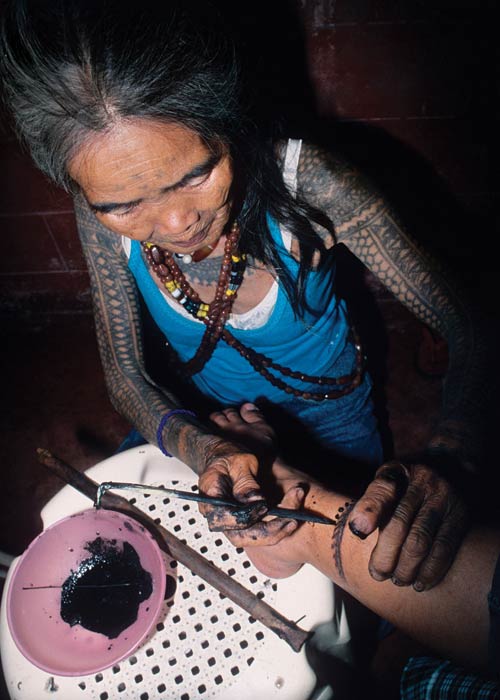
In the rugged Cordillera mountains of Luzon, the Kalinga people have maintained the tradition of batok, or hand-tapped tattooing, for centuries. While the practice is widely known today through the fame of master tattooist Apo Whang-od Oggay, its historical roots are deeply embedded in the social fabric of Kalinga warrior culture and aesthetic beauty.
The technical intersection of fermentation and tattooing in Kalinga culture is found in the composition of the ink. Traditional mambatok (tattoo artists) utilized soot mixed with water or plant-based liquids. In several regions, sugarcane juice was employed as a carrier. When sugarcane juice is mixed with soot and allowed to sit, it undergoes a natural fermentation process, turning into a mild alcohol. While the fermentation does not fundamentally alter the mechanical delivery of the pigment, it reflects a cultural logic where the materials of the land are "cured" or transformed before being accepted by the body.
For Kalinga men, tattoos were historically earned through acts of bravery in warfare, serving as a permanent record of their contributions to the community’s safety. For women, tattoos were viewed as "jewelry" that enhanced beauty and signaled readiness for marriage. Today, as the practice shifts from a rite of passage to a celebrated cultural art form, the social ritual of sharing fermented beverages like tapuy (rice wine) continues to accompany the tattooing process, reinforcing the communal bond between the artist, the recipient, and the spectators.
The Makushi of Guyana: Brewing Charms and the Concept of the Sting
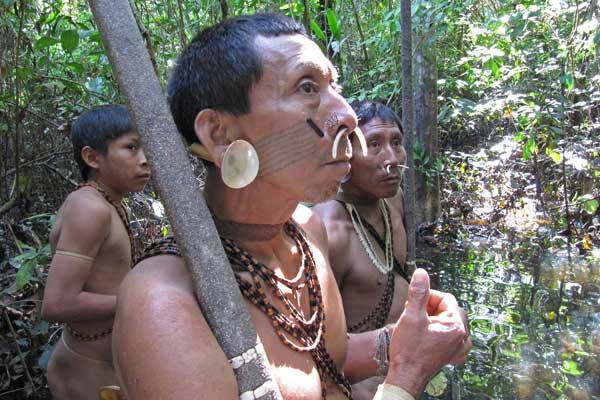
In the Guiana Shield region of South America, the Makushi people provide one of the most explicit examples of how tattooing is believed to influence the quality of fermented products. The Makushi rely on cassava as a staple crop, which is processed into parakari, a complex beer involving dual fermentation with mold and yeast.
Anthropological research, including work by Dr. Lars Krutak, highlights the use of kansku markings—tattoos specifically designed as brewing and cooking charms. These tattoos often featured motifs of stinging or sweet insects, such as bees or scorpions. The purpose was to "gift" the brewer with the ability to control the flavor profile of the ferment. A "sting" (yekî) in the drink referred to its potency or alcoholic "kick." Interestingly, the Makushi word yekî also translates to being intoxicated, further blurring the line between the physical sensation of the tattoo and the physiological effect of the drink.
In Makushi tradition, a woman’s ability to produce high-quality parakari was seen as a reflection of her spiritual and bodily preparation. Historical accounts suggest that a woman could only pass a drink to a man if her arms were properly tattooed, as the markings were thought to ensure the beverage was prepared under the correct cosmological conditions. This demonstrates a belief system where the tattoo is not merely decorative but is an active participant in the chemical and social success of fermentation.
Indigenous Epistemologies: The Body as a Living Record
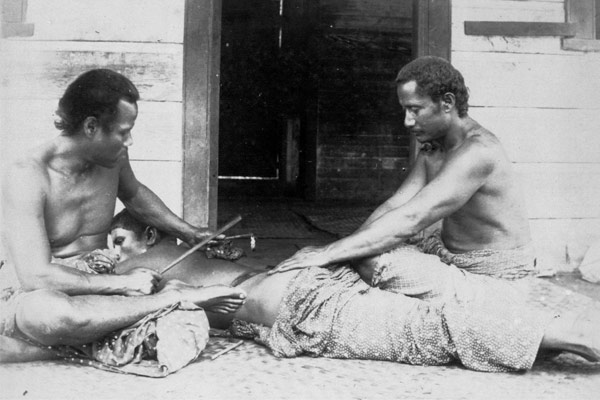
The common thread among these diverse cultures is a specific way of knowing—an epistemology—that views transformation as a relational act. In Hawaii, this is expressed through the relationship between kākau (tattooing) and poi (fermented taro).
Dr. Lindsay Malu Kido, a scholar of indigenous body sovereignty, notes that kalo (the taro plant) is regarded as Hāloa, the elder sibling of the Hawaiian people. Therefore, the process of fermenting kalo into poi is an act of caring for an ancestor. Similarly, kākau is the practice of inscribing one’s genealogy onto the skin. Both acts are methods of maintaining a living connection to lineage.
Comparative Data: Traditional Ink and Ferment Components
| Culture | Fermented Substance | Tattoo Pigment Base | Ritual Connection |
|---|---|---|---|
| Ainu | Tonoto (Millet/Rice) | Hearth Soot | Goddess Kamuy Fuchi |
| Kalinga | Tapuy (Rice Wine) | Soot & Sugarcane Juice | Bravery & Social Status |
| Makushi | Parakari (Cassava) | Plant/Soot Charms | Flavor Control (The "Sting") |
| Hawaiian | Poi (Taro) | Kukui Nut Soot | Ancestral Lineage (Hāloa) |
Contemporary Implications: The Modern Craft Brewing Subculture
In the modern era, the link between ink and drink has moved into the professional sphere of craft brewing. While the ancestral protocols have changed, the underlying logic of using tattoos to express a relationship with craft remains potent. According to industry data, the craft beer sector is one of the most highly tattooed professional demographics in the United States, with many brewers using body art to mark significant career milestones or personal transformations.
For individuals like Sandra Murphy, owner of Murphy’s Law Brewery, tattoos serve as a medium for processing grief and reclaiming identity. Following the loss of her daughter, Murphy began a sleeve that integrates the chemical formula for yeast cell walls with birth flowers and hop vines. This "living record" on her skin parallels her work in the brewhouse, where she manages the life cycles of yeast to create something new.
Similarly, Rachael Engel of Sound2Summit Brewery describes her "hop sleeve" as a marker of her journey through gender transition. For Engel, the tattoo and the craft of brewing both represent a process of "becoming"—a sentiment echoed by many in the industry who view their bodies and their brews as reflections of their authentic selves.
Analysis of Broader Impact
The intersection of tattooing and fermentation carries significant implications for cultural preservation and economic sovereignty. In the Philippines, the revival of batok has spurred a localized tourism economy in the Cordillera region, though it also raises questions about cultural appropriation and the commodification of sacred symbols. In Japan, the Ainu’s efforts to reclaim tattooing rights are part of a broader movement for indigenous recognition, which saw a major milestone with the 2019 Ainu Policy Promotion Act.
From a scientific perspective, the study of traditional inks and fermentation processes offers insights into ethnobotany and microbiology. The use of fermented carriers in ink, for instance, suggests an early understanding of how acidity and alcohol can affect the stability and sterilization of pigments.
Ultimately, tattooing and fermentation remain two of humanity’s oldest methods for navigating change. They require patience, a respect for the raw material, and an understanding that the most meaningful transformations take place over time. Whether it is the slow bubbling of a fermentation crock or the rhythmic tap of a tattoo needle, both practices leave indelible marks on the human experience, reminding us that our identities are not static, but are constantly being brewed and inscribed.