admin
admin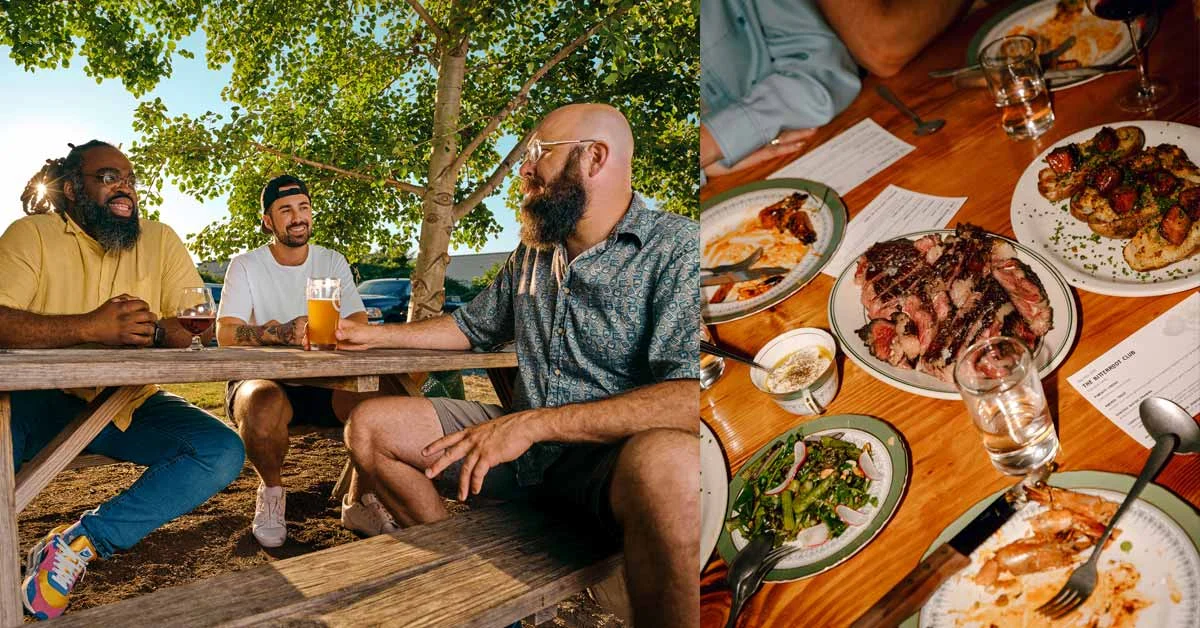
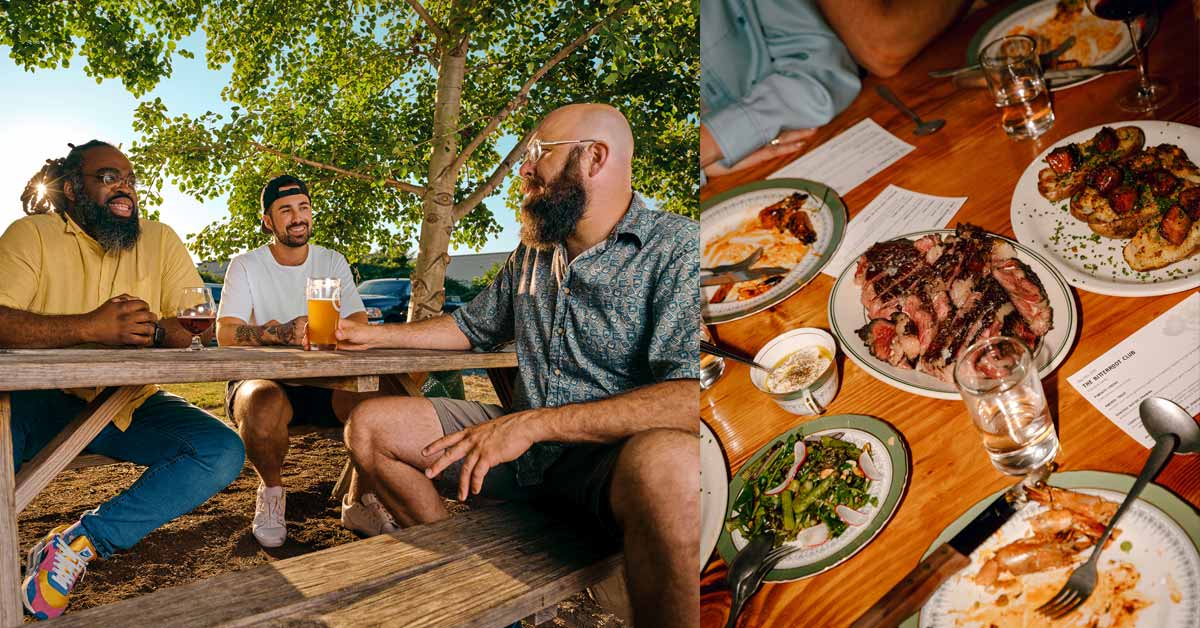
In the heart of Southeast Portland’s Buckman neighborhood, a nondescript door at the rear of an industrial building leads to a windowless room styled like a secluded hunting lodge. This space, illuminated by candlelight and decorated with taxidermy and rustic wood, serves as the setting for The Bitterroot Club—a weekly supper club hosted by Grand Fir Brewing. Here, the traditional boundaries of the American brewpub are being redrawn. The club is a showcase for co-owner Doug Adams, a Top Chef finalist and James Beard Award semifinalist, whose culinary expertise is paired with the technical precision of co-owner and brewmaster Whitney Adams. As the craft beer industry faces a tightening marketplace and shifting consumer habits, Grand Fir’s "elevated" approach represents a broader strategic pivot within a city long known as "Beervana."
The Bitterroot Club’s prix fixe menu, priced at $135 per person, reflects a growing trend toward premiumization in the craft sector. On a typical Tuesday night, guests may find a bready Tamarack Festbier paired with Columbia king salmon accented by lemon, fig, and basil. This is followed by charcoal-grilled pork chops served alongside a crisp Bandit Run Mosaic American IPA, and a citrusy Fresh Hop Strata paired with lemon buttermilk pie. While the price point is high for a brewery setting, Whitney Adams notes that this level of integration between food and beverage is no longer a luxury but a necessity for survival. According to her analysis, opening a traditional brewery without a unique, high-quality "angle" is increasingly unfeasible in the current economic climate.
The Historical Foundations of the Portland Beer Scene
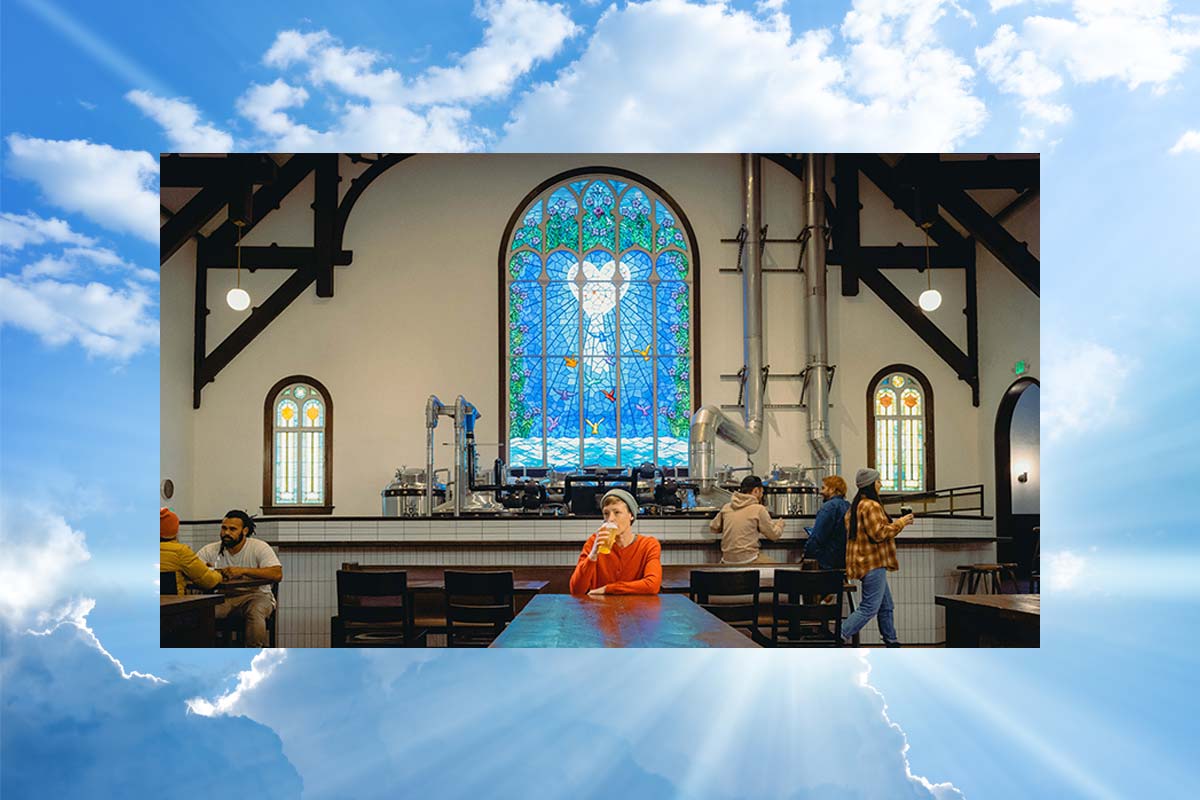
Portland’s status as a global hub for independent brewing is not an accidental development but the result of specific geographic and cultural factors that date back to the late 20th century. The term "Beervana" was first popularized in 1994 by the local alternative weekly Willamette Week, at a time when the city was already decades ahead of the national craft movement.
A primary driver of this early success was geographic isolation. Van Havig, master brewer and co-founder of Gigantic Brewing, observes that during the formative years of the microbrewery movement, national conglomerates like Miller and Anheuser-Busch had a relatively minor presence in the Pacific Northwest. This allowed local distributors and brewpubs to establish a dominant market share. By the early 2000s, Portland had become the most developed craft market in the United States. In this environment, the distinction between "craft beer" and "beer" effectively vanished; for the local population, independent, high-quality brewing became the default standard.
The city’s proximity to the Willamette Valley also provided a critical logistical advantage. As the second-largest hop-growing region in the country, the valley provides local brewers with immediate access to some of the world’s most coveted hop varieties. This proximity fostered the development of the "Northwest-style IPA," a high-bitterness, aromatic beer style that would eventually define American craft beer globally.
A Chronology of Innovation and Expansion
The evolution of Portland’s beer scene can be categorized into three distinct waves:
- The Pioneers (1980s – 1990s): This era saw the rise of foundational pillars such as Widmer Brothers, BridgePort Brewing, and Deschutes. These breweries established the "standard" styles—hefeweizens, ambers, and the early IPAs—that would populate the taps of every local dive bar.
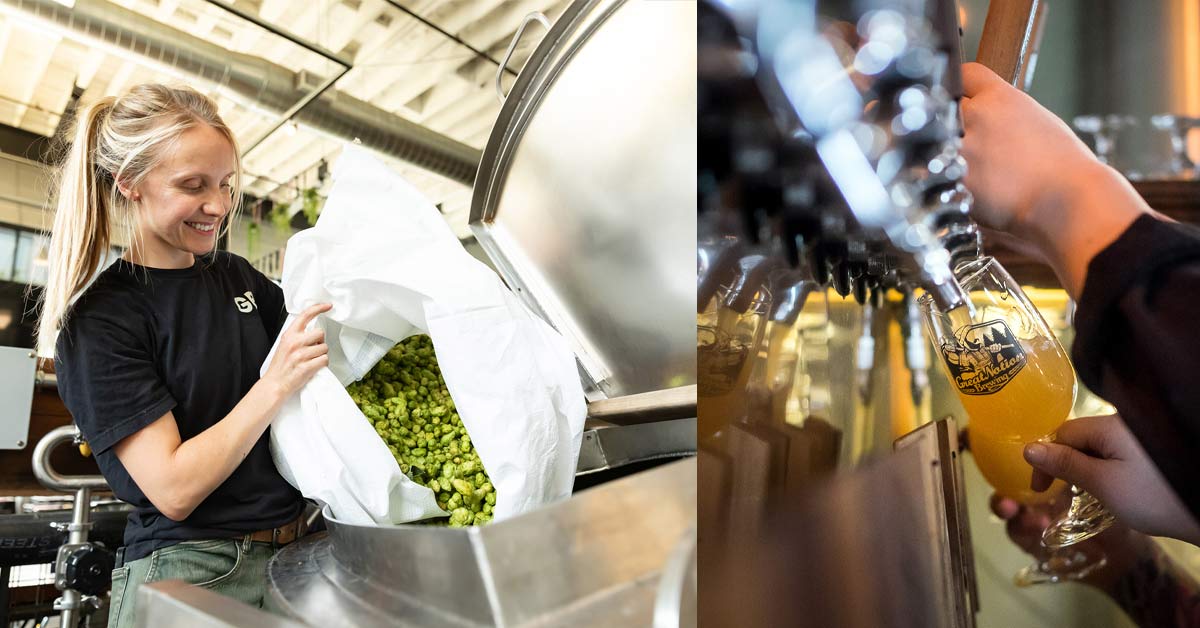
- The Specialized Boom (2010 – 2019): This decade was defined by a shift toward hyper-specialization and the "growler phenomenon." Breweries like Breakside Brewing, Gigantic Brewing, and Great Notion began pushing the boundaries of flavor, introducing barrel-aging programs, pastry sours, and experimental lagers. During this time, draft towers appeared in unconventional locations, including gas stations and grocery stores, vastly expanding the "draft real estate" available to small producers.
- The Post-Pandemic Pivot (2020 – Present): Following the disruptions of the COVID-19 pandemic and the subsequent rise in real estate and labor costs, the industry has entered a phase of consolidation and diversification. While some national markets have seen breweries install dog parks or pickleball courts to maintain foot traffic, Portland’s response has been characterized by "elevated" culinary experiences and a focus on discerning consumer tastes.
Economic Data and Market Pressures
The current landscape for Oregon brewing is one of significant economic impact tempered by modern challenges. According to data from the Oregon Brewers Guild and the Brewers Association, the brewing industry contributes approximately $6.6 billion to the state’s economy and supports over 50,000 jobs. Oregon consistently ranks among the top states in the U.S. for breweries per capita, with Portland serving as the epicenter of this activity.
However, the "Beervana" model is under pressure. Nationally, craft beer volume growth has slowed to nearly flat levels, and the cost of raw materials—including malt and aluminum—has risen significantly since 2021. In Portland specifically, the industry is grappling with a commercial real estate market that remains expensive despite broader economic shifts.
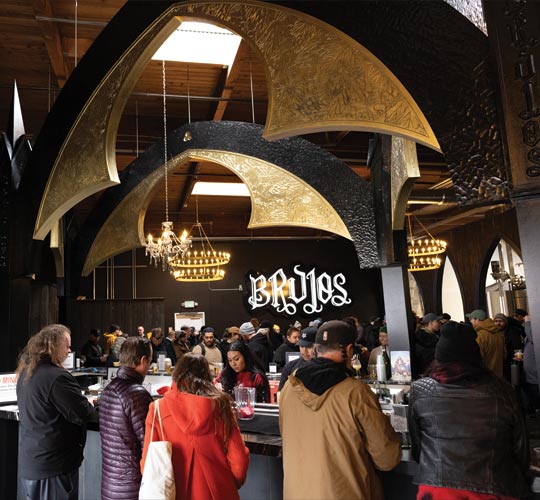
The strategy employed by Grand Fir Brewing—integrating a high-end "supper club" within a brewery—is a direct response to these pressures. By diversifying revenue streams and targeting a higher-spending demographic, the brewery is able to maintain its footprint in a competitive neighborhood. Furthermore, the rise of non-alcoholic (NA) options, led by stalwarts like Deschutes, indicates a move to capture the "sober-curious" market, ensuring that breweries remains a social destination regardless of alcohol consumption habits.
The Discerning Consumer and the "Brewing Family Tree"
One of the most unique aspects of the Portland market is the sophistication of its consumer base. Ben Edmunds, brewmaster at Breakside Brewing, argues that the relationship between brewers and drinkers in Oregon is distinct. "There are consumer expectations," Edmunds notes. "People feel like they can find good beer everywhere here."
This high "beer IQ" among patrons has forced a higher standard of quality across the board. In many other American cities, a brewery might survive on atmosphere alone; in Portland, the liquid must be world-class. This environment has been sustained by a robust "brewing family tree." In previous decades, brewers tended to stay at established firms for long tenures. Today, a new generation of experienced professionals—like Whitney Adams, who spent years at Upright Brewing and 10 Barrel—are branching out to start their own ventures. This influx of "pedigreed" new blood ensures that even new establishments enter the market with a high level of technical proficiency.
Broader Impact and Industry Implications
The shifts occurring in Portland serve as a bellwether for the national craft beer industry. The success of Grand Fir’s "elevated" model suggests that the future of the brewpub may lie in its ability to function as a full-scale culinary destination rather than just a production facility with a tasting room.
Furthermore, the resilience of the Portland scene highlights the importance of cultural integration. In Beervana, beer is not a specialty product; it is an ingrained part of the social fabric. As Van Havig points out, the "win" for craft beer in Portland is its normalization. When a resident suggests "getting a beer," the assumption is that the beer will be locally produced, independently owned, and of high quality.
As the industry looks toward the mid-2020s, the challenges of inflation and changing consumer preferences will likely lead to further evolution. However, the foundational elements of Portland’s success—proximity to raw materials, a highly educated consumer base, and a willingness to experiment—provide a level of stability that few other markets can claim. The Bitterroot Club is more than just a dinner series; it is a manifestation of the adaptability required to sustain a "Beervana" in a changing economic world. The city remains a testament to the idea that while the marketplace may shrink, the demand for excellence and authenticity remains constant.