admin
admin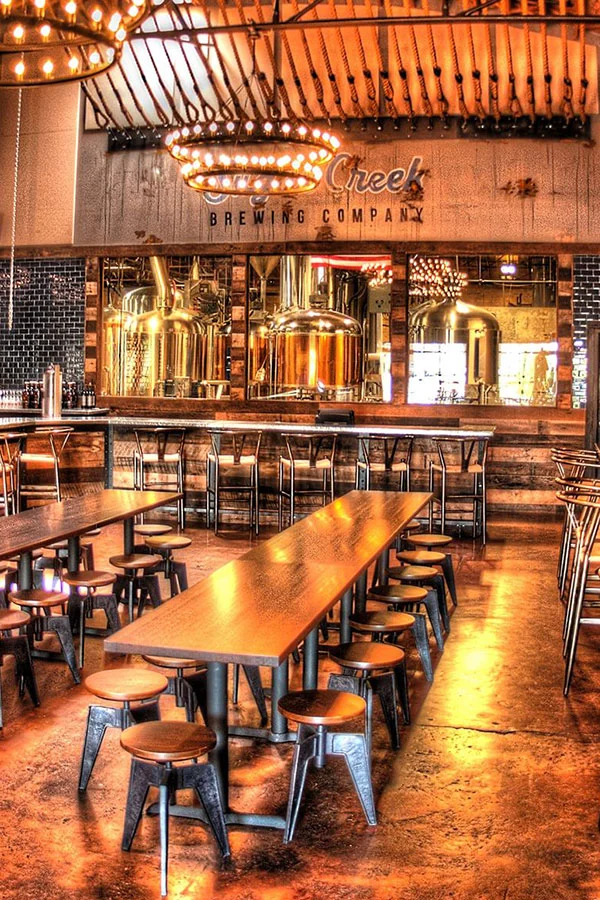
The craft brewing industry, long defined by its "handmade" ethos and artisanal traditions, is undergoing a profound digital transformation as artificial intelligence (AI) moves from the realm of science fiction into the brewhouse. While AI has already reshaped sectors ranging from autonomous transportation to military intelligence, its integration into the world of hops and barley represents a significant shift in how beverage professionals approach both quality control and creative development. Across the United States, a growing number of independent breweries are leveraging large language models (LLMs), machine learning algorithms, and neural networks to optimize production cycles and push the boundaries of flavor profiles.
This technological evolution comes at a critical juncture for the craft beer market. Following a decade of explosive growth, the industry has faced recent headwinds, including rising ingredient costs, shifting consumer preferences toward spirits and non-alcoholic options, and a saturated retail landscape. In this environment, efficiency and innovation are no longer just advantages; they are necessities for survival. From the humid taprooms of Charlotte, North Carolina, to the tech-forward breweries of Boston and Detroit, the "digital pint" is becoming a reality, signaling a new era where data-driven insights meet the brewer’s intuition.
The Evolution of Automation and the Rise of the AI Brewer
The integration of technology in brewing is not entirely new. Large-scale macro-breweries have utilized automated systems for decades to ensure consistency across millions of barrels. However, the current wave of AI adoption among small and independent craft brewers is distinct. It focuses less on mass-market uniformity and more on specialized problem-solving and radical experimentation.
The timeline of this shift accelerated significantly in late 2022 and early 2023 with the public release of advanced generative AI tools like OpenAI’s ChatGPT. While initial experiments were often viewed as marketing gimmicks—such as breweries asking AI to name a beer or design a label—the application quickly deepened. By mid-2023, brewers began utilizing AI for complex chemical calculations, water profile adjustments, and even the creation of entirely new recipes that defy traditional stylistic guidelines.
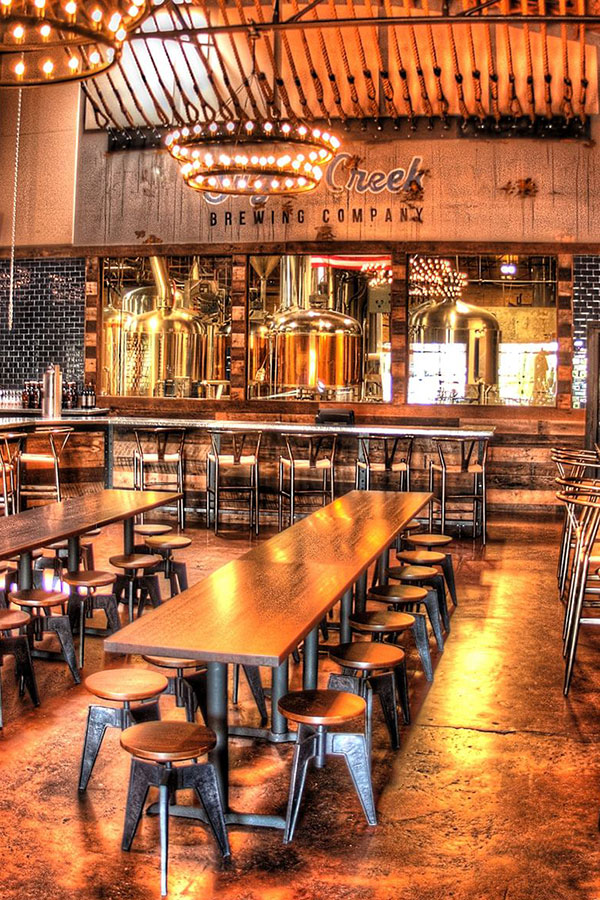
In Charlotte, North Carolina, Sugar Creek Brewing Company has emerged as a pioneer in the operational application of AI. By employing a network of sensors and AI-driven monitoring systems, the brewery tracks variables that were previously difficult to manage with precision in real-time. This includes monitoring the "break" of the beer, foam levels during the packaging process, and precise fill levels in bottles and cans. For a craft brewery, reducing "shrinkage"—the loss of product during the brewing and packaging stages—can result in tens of thousands of dollars in annual savings. By using AI to identify exactly where foam-overs or under-fills occur, Sugar Creek has optimized its output, ensuring that every drop produced is viable for sale.
Case Studies in Digital Fermentation: Night Shift and Asbury Park
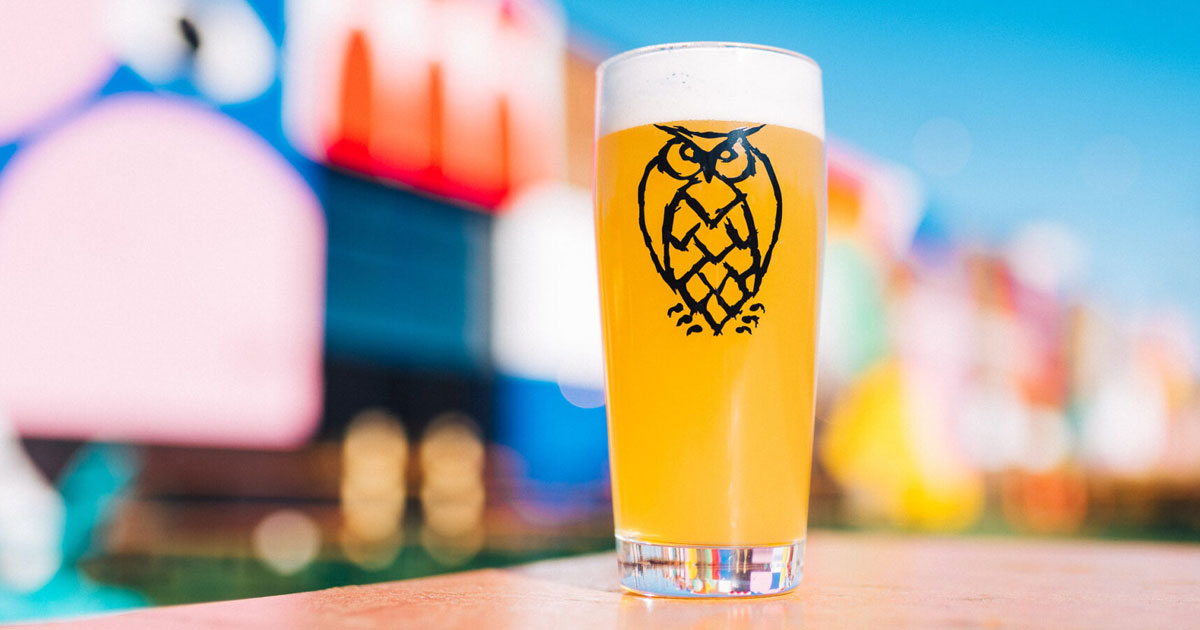
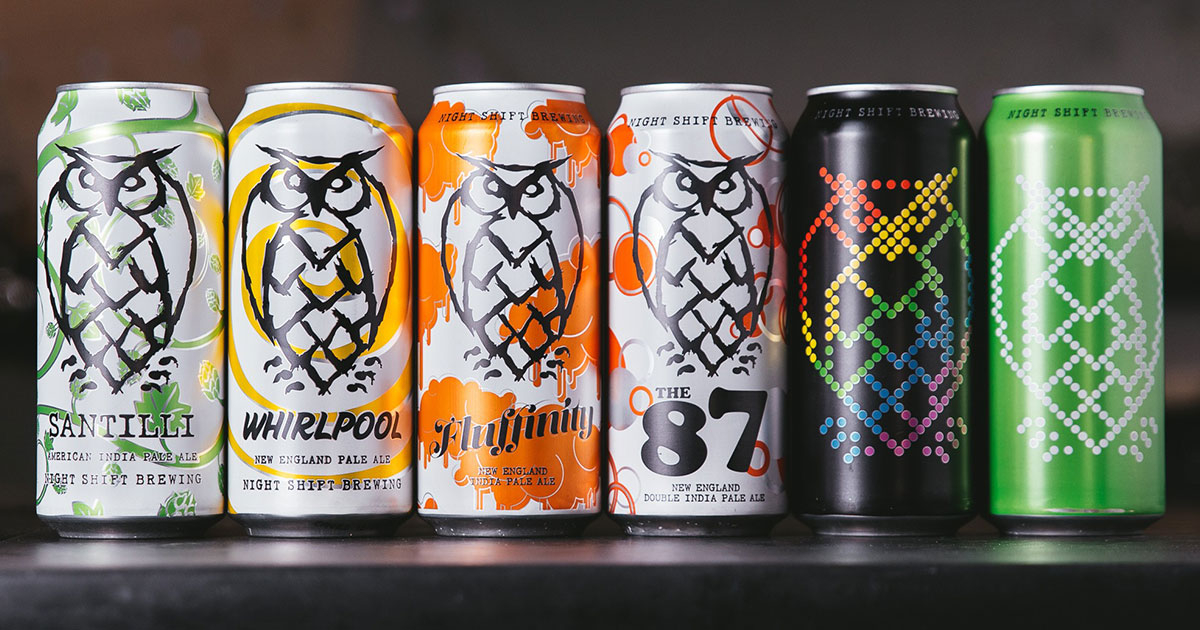
Beyond the logistics of the production line, AI is increasingly being used as a collaborative partner in recipe development. Michael Oxton, co-founder of Night Shift Brewing in Boston, recently experimented with ChatGPT to develop a "hazy" India Pale Ale (IPA). The goal was to see if the model could handle the nuanced chemistry required to produce a commercially viable beer.
According to Oxton, the AI was capable of generating a comprehensive recipe, including a specific water profile, grain bill, and hop schedule. One of the most significant advantages noted by the Night Shift team was the speed of calculation. Designing a water profile—adjusting the mineral content of water to mimic specific geographic regions or to enhance certain hop characteristics—typically requires weeks of research, trial batches, and lab testing. The AI model provided a viable profile in minutes. The resulting beer, dubbed "AI-PA," featured a complex flavor profile of mango, watermelon, and citrus. While the AI provided the foundation, Oxton emphasized that human intervention remained necessary to adjust the recipe for ingredient availability and to refine the final balance.
Night Shift is not alone in this endeavor. In New Jersey, Asbury Park Brewery released its own version of an AI-generated IPA, while Atwater Brewing in Detroit and Urban Forest Craft Brewing in Illinois have also entered the fray. Urban Forest’s "Put the AI in sAIson" highlighted the technology’s ability to interpret historical styles—in this case, the traditional Belgian farmhouse ale—and suggest modern ingredient pairings that a human brewer might overlook.
Technical Deep Dive: The Species X Beer Project
While many breweries use off-the-shelf LLMs, the now-closed Species X Beer Project in Columbus, Ohio, represented the high-water mark for specialized AI application in the industry. Founded by Beau Warren, who possesses a background in both microbiology and data analytics, Species X functioned as a laboratory for machine learning. Warren did not rely on ChatGPT; instead, he programmed seven distinct AI models using regression analysis and neural networks.
These models were categorized into two "species": Carbon Species (human-designed) and Silicon Species (AI-designed). Warren trained his Silicon models on proprietary data, including historical recipe performance, chemical analysis of successful beers, and internal sensory reviews. This allowed the AI to understand the "parameters" of a high-quality beer while remaining unburdened by the "unwritten rules" of brewing tradition.
The results were often radical. One AI-generated recipe called for an amber lager brewed with 100% Maris Otter malt—a choice almost any human brewer would reject, as that malt is traditionally reserved for heavy British ales like porters and stouts. Despite the unconventional approach, the resulting beer was well-balanced and popular with consumers. Another model, named "Beh3moth," designed an imperial pastry Baltic porter that utilized 12 types of malt, marshmallows, lactose, coffee, vanilla, and three types of fruit, before dry-hopping it in the style of a New England IPA. Warren noted that the complexity and balance of the beer were "unlike anything" he had encountered in his career, suggesting that AI can identify flavor synergies that human cognitive biases might prevent brewers from seeing.
Microbiology and the "Yeast Buddy" Assistant
The impact of AI extends beyond the brewhouse and into the laboratories that supply the industry’s raw materials. Yeast, the living organism responsible for fermentation, is perhaps the most complex variable in brewing. There are hundreds of commercially available yeast strains, each producing different esters, phenols, and alcohol levels depending on the temperature and sugar content of the wort.
Propagate Lab, a yeast propagation facility based in Colorado, introduced an AI chatbot named "Yeast Buddy" to help brewers navigate this complexity. By indexing a database of over 120 yeast strains, the AI allows brewers to input their desired end-result—such as "a dry finish with notes of clove and banana"—and receive a curated recommendation. Matthew Peetz, founder of Propagate Lab, likens the tool to a sophisticated library catalog. It prevents brewers from defaulting to the same "standard" strains they have used for years, encouraging diversity in the marketplace. This data-driven approach to microbiology ensures that small brewers can achieve the same level of precision as large-scale laboratories without the need for an in-house team of scientists.
Economic Implications and Industry Reactions
The integration of AI into craft beer is not without controversy. Within the brewing community, reactions range from enthusiastic adoption to skepticism. Critics argue that the "soul" of craft beer lies in human error and the "happy accidents" that occur during manual production. There are also concerns regarding job security; if an AI can design a perfect recipe and a robot can monitor the tanks, the role of the traditional head brewer may be diminished.
However, industry data suggests that AI is currently acting as a force multiplier rather than a replacement. The closure of Species X Beer Project shortly after its launch serves as a reminder that even the most advanced technology cannot fully insulate a business from broader economic pressures, such as rising rents and shifting consumer spending habits. AI can optimize a recipe, but it cannot manage a balance sheet or build a community around a taproom.
Industry analysts point out that AI’s primary value lies in "democratizing" expertise. For a startup brewery with limited capital, an AI assistant can provide the technical guidance that would otherwise require a high-salaried consultant. This could theoretically lower the barrier to entry for new brewers and foster a more competitive and innovative market.
The Human Guardrail: Why the Brewer Remains Essential
A recurring theme among all brewers using AI is the necessity of the "human in the loop." AI models, particularly those trained on general internet data, are prone to "hallucinations"—generating information that is factually incorrect or physically impossible. In a brewing context, an unvetted AI recipe could suggest a grain-to-water ratio that would seize up expensive machinery or a fermentation temperature that would kill the yeast.
As Beau Warren and Michael Oxton both noted, the AI requires "guardrails." The brewer must act as a filter, vetting the AI’s suggestions against the laws of physics and the realities of the supply chain. Matthew Peetz of Propagate Lab compares AI to a calculator: it is an incredibly powerful tool for processing numbers, but if the user inputs the wrong data, the output will be flawed.
Furthermore, the sensory aspect of brewing—the tasting, smelling, and feeling of the ingredients—remains a uniquely human capability. While AI can analyze the chemical composition of a hop’s essential oils, it cannot "experience" the bitterness or the aroma in the way a consumer does. The final "go/no-go" decision on a batch of beer still rests with the human palate.
Future Outlook: A Hybrid Brewing Model
As the craft beer industry moves forward, the "hybrid" model appears to be the most likely path. We are moving toward a future where AI handles the "heavy lifting" of data analysis, water chemistry, and logistical monitoring, freeing the human brewer to focus on the more artistic and social aspects of the craft.
The potential for AI to help brewers "knock down creative barriers," as Warren described it, suggests that the next decade of craft beer may be even more experimental than the last. By using machine learning to explore the "white space" of flavor combinations that have never been tried in the 5,000-year history of brewing, the industry can continue to surprise and delight a consumer base that is always searching for the next unique experience.
While the "taproom takeover" by robots is not imminent, the digital influence on the liquid in the glass is undeniable. AI is becoming the "brewing assistant" that never sleeps, helping the smallest independent operations compete in an increasingly complex global market. As long as humans remain at the helm to provide the vision and the final taste test, the union of artificial intelligence and traditional brewing promises to keep the craft beer revolution alive and evolving.