admin
admin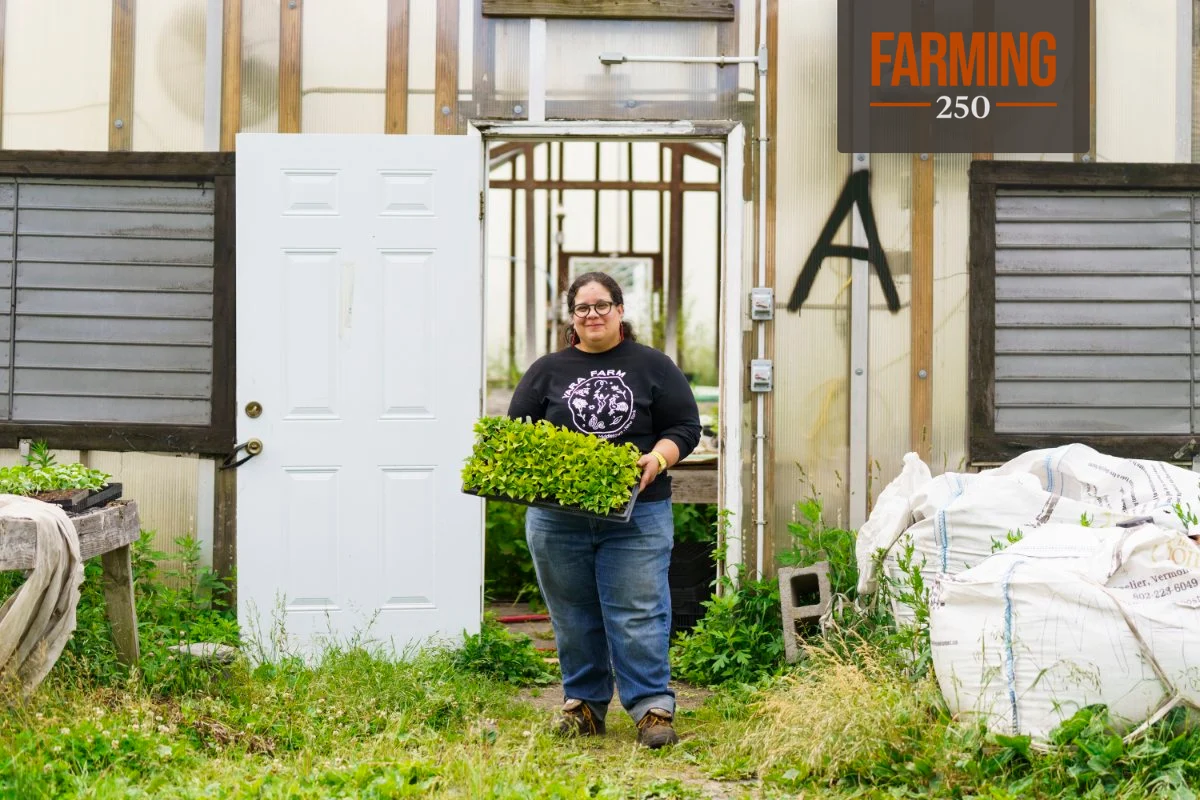
In a transformative effort to redefine the landscape of American agriculture, the BIPOC Queer Expressway (BQE) has emerged as a pivotal initiative, championing the visibility, empowerment, and economic viability of Black, Indigenous, and People of Color (BIPOC) queer farmers. Co-founded by renowned farmer and food justice activist Karen “Mama K” Washington and expertly steered by Director of Operations Gabriela Pereyra, who also co-owns Yara Farm, the BQE operates in close partnership with the Chester Agricultural Center, aggregating high-quality produce to nourish communities across New York. This pioneering venture addresses deeply entrenched systemic inequities within the food system, challenging conventional perceptions of who a farmer is and who deserves access to nutritious, locally grown food.
The Genesis of a Movement: Challenging Agricultural Norms
The inspiration behind the BQE stems from a fundamental disparity: the prevalent image of a farmer as a white male, a stereotype that often renders the contributions of diverse agriculturalists invisible. Karen “Mama K” Washington, a venerable figure in the food justice movement and co-owner of Rise & Root Farm, articulated this core motivation: "When people think of farmers, they think of a white male, and a lot of the food that goes into communities of color—they don’t have our faces." The BQE was conceived as a direct response to this lack of authentic representation, creating a platform where BIPOC and queer identities are not only acknowledged but celebrated as integral to the agricultural tapestry.
The name itself, a deliberate subversion of the iconic Brooklyn Queens Expressway, symbolically reclaims urban space for a rural-urban connection centered on identity and purpose. Each letter in BQE stands for an identity category—BIPOC and Queer—encompassing a broad spectrum of experiences, including Black, Asian, Latina, straight, and queer individuals. This intentional inclusivity fosters a network where farmers can find solidarity and strength in their shared identities and challenges. By ensuring that the faces behind the food reflect the communities they serve, the BQE builds trust, fosters cultural connection, and actively dismantles barriers that have historically marginalized these groups within the food system.
Gabriela Pereyra’s Journey: From Venezuelan Fields to New York Farmlands
The operational backbone of the BQE at the Chester Agricultural Center is Gabriela Pereyra, whose diverse background and unwavering commitment to equitable food systems have been instrumental in the initiative’s success. Pereyra’s agricultural journey began in her native Venezuela, where her undergraduate studies immersed her in the realities of small-scale farming, working with cocoa, rice, and white corn cultivators. This foundational experience instilled in her a profound understanding of agricultural practices and the socio-economic dynamics of food production. Driven by a desire for deeper knowledge and impact, she pursued advanced education, securing a scholarship to study agricultural systems in Germany for her Ph.D.

It was during her doctoral studies that a serendipitous personal connection altered her trajectory. Seeking to improve her English proficiency, Pereyra began conversing with a New Yorker. Thirteen years later, that conversational partner became her wife and farming collaborator. This personal connection eventually led her to the United States, where her expertise in agricultural systems found new purpose.
The couple’s foray into farming together began four years ago. Pereyra’s wife, a native of Queens, New York, grew up in a starkly different environment—a redlined urban neighborhood devoid of agricultural exposure, where food primarily came from markets and was often accessed via food stamps. This background highlights the profound disconnect many urban communities, particularly those shaped by historical discriminatory practices like redlining, have with food production. The COVID-19 pandemic served as a catalyst for a significant life change for the couple. Confined to a small apartment in Queens during the height of the pandemic, and with Pereyra having previously traveled extensively across the Northeast assisting BIPOC farmers with land, capital, and market access, the idea of owning their own land took root. Pereyra successfully convinced her wife to seek out farmland, a bold step for someone with no prior agricultural background.
Their search led them to an extraordinary opportunity: 27 acres of raw land that had been unfarmed for an estimated 30 to 40 years. This acquisition was tinged with poignancy, as the previous owner’s husband had passed away during the pandemic, making it too painful for her to continue farming. Yet, she held a powerful desire for the land to remain productive, to honor the dream she and her late husband once shared. This narrative underscores the personal stories and community spirit often intertwined with land stewardship, transforming a challenging circumstance into a new beginning for Yara Farm, co-owned by Pereyra and her wife, and ultimately benefiting the broader BQE network.
The Chester Agricultural Center: A Nexus for Aggregation and Community Nourishment
Established in 2024, the BQE swiftly moved to leverage strategic partnerships to fulfill its mission. A crucial component of its early growth was the Nourish New York program. This state-funded initiative, designed to connect surplus farm products with food-insecure populations through community-based organizations, provided the initial financial impetus for BQE’s operational model. The funding allowed community-based organizations (CBOs) to purchase produce directly from BQE, establishing a direct pipeline from diverse farms to underserved communities.
As demand from CBO partners escalated in 2024, the BQE recognized the need to scale its operations beyond the output of its founding farms. This led to the expansion of its aggregation efforts through the Chester Agricultural Center. The center serves as a vital hub, collecting produce from a network of BIPOC and queer farmers, ensuring a consistent and diverse supply for its community partners. This aggregation model not only streamlines logistics but also provides a guaranteed market for smaller, marginalized farms, often reducing the financial precarity associated with independent farming. The Chester Agricultural Center, by centralizing distribution, empowers individual farmers to focus on cultivation while ensuring their produce reaches those who need it most.
Addressing Systemic Disparities: Food Deserts and "Elitist" Organic Food

The work of the BQE is deeply rooted in addressing the systemic inequities that have long plagued the food system, particularly in communities of color. Gabriela Pereyra’s wife’s upbringing in a redlined neighborhood in Queens is a stark reminder of how historical discriminatory housing policies have created lasting socio-economic disadvantages, including limited access to fresh, healthy food. These areas, often termed "food deserts" or "food swamps," are characterized by a scarcity of grocery stores offering fresh produce and an abundance of fast-food outlets and convenience stores selling processed, unhealthy options.
Karen Washington, drawing from her own experiences growing up in the Bronx, critically examines the perception of "organic" food within these communities. "Especially in communities of color—because I came from the Bronx—when you say ‘organic,’ it has an elitist tag to it. In people’s mind, it’s elitist, it’s white people food, it’s expensive food." This perception is not unfounded; historically, organic produce has often been priced at a premium and marketed to affluent consumers, further alienating low-income communities. The BQE actively challenges this narrative by making certified organic and sustainably grown food accessible and affordable.
By inviting community members to visit farms like Rise & Root Farm, which is certified organic, the BQE fosters transparency and builds trust. Seeing farmers who "look like us" cultivating high-quality, nutritious food breaks down the psychological barriers associated with organic labels. It transforms the question from "Can we afford this elitist food?" to "Wait a second, you mean to tell me that there are farmers that look like us that are growing organic food that is nourishing, and it’s not expensive, and we can eat that? It’s not the fast food, the processed food, the junk food that we have been so used to, and have been dumped in our neighborhoods?" This direct engagement and visual evidence are powerful tools for shifting perceptions and reclaiming healthy eating as a right, not a luxury.
Supporting Data and Broader Context: The Landscape of Agricultural Inequity
The BQE’s mission is underscored by a sobering reality of agricultural disparities in the United States. According to the USDA, farmers of color operate less than 5% of the nation’s farms and account for only 1.4% of total agricultural sales, despite representing a significant portion of the agricultural labor force historically. These disparities are not accidental but are the result of centuries of systemic discrimination, including land theft, denial of loans and subsidies, and exclusionary practices by federal agencies like the USDA. A 2020 report by the Government Accountability Office (GAO) found that the USDA’s civil rights enforcement regarding discrimination complaints from minority farmers was "ineffective."
Furthermore, food insecurity disproportionately affects BIPOC communities. Data from Feeding America consistently shows that Black, Hispanic, and Indigenous households experience food insecurity at rates significantly higher than white households. For instance, in 2022, 18.5% of Black individuals and 14.5% of Hispanic individuals were food insecure, compared to 7.3% of white individuals. This stark contrast highlights the urgent need for initiatives like the BQE that not only provide food but also empower communities to regain control over their food systems.
The rise of food justice movements and urban agriculture in recent decades reflects a growing awareness of these issues. Organizations and activists have been advocating for equitable access to healthy food, land sovereignty, and community-led food initiatives. The COVID-19 pandemic further exposed the fragilities of global supply chains and underscored the critical importance of local and regional food systems. Programs like Nourish New York, launched in response to the pandemic’s impact on both farmers and food-insecure populations, exemplify a growing recognition by state governments of the need to support local agriculture while addressing food access challenges. In its first two years, Nourish New York distributed over $85 million in funding, purchasing more than 60 million pounds of agricultural products from New York farms and delivering it to food banks and other emergency food providers across the state. This funding mechanism proved essential in enabling organizations to buy directly from farmers like those in the BQE network, creating a sustainable market for diverse producers.

Empowerment and Safety: Beyond Visibility
Karen Washington’s profound statement, "It isn’t only about who gets seen. It’s about who gets to feel safe being seen," encapsulates a critical dimension of the BQE’s mission. Farming spaces, like many sectors, have not always been welcoming or safe for queer individuals, and especially for queer people of color. The agricultural industry has historically been dominated by traditional, often conservative, norms, creating environments where non-conforming identities can face judgment, discrimination, or outright hostility. This lack of psychological safety can deter individuals from pursuing agricultural careers, inhibit their ability to thrive, and prevent them from bringing their authentic selves to their work.
The BQE actively counters this by cultivating an environment of acceptance, solidarity, and mutual support. It creates a community where intersectional identities – race, ethnicity, sexual orientation, gender identity – are not merely tolerated but are foundational to the collective strength and unique perspective of the network. By building something like the BQE, the founders are sending a powerful message to younger generations of farmers: "There’s already a place for them." This proactive creation of safe, inclusive spaces is vital for nurturing future talent and ensuring that the agricultural sector truly reflects the diversity of society. It fosters a sense of belonging and empowers individuals to pursue their passion for farming without fear of marginalization, thereby enriching the entire food system with diverse perspectives and innovative practices.
Implications and Future Outlook
The BIPOC Queer Expressway represents more than just a food aggregation and distribution network; it is a movement with far-reaching implications for food sovereignty, economic empowerment, and social justice. Its model demonstrates how intentional inclusivity can create resilient, equitable food systems.
- Food Sovereignty and Community Health: By connecting culturally relevant, healthy, and often organic food directly to communities of color, the BQE enhances food sovereignty—the right of peoples to healthy and culturally appropriate food produced through sustainable methods. This direct access improves community health outcomes by mitigating the effects of diet-related diseases prevalent in food-insecure areas.
- Economic Empowerment: The BQE provides a stable market and fair prices for BIPOC queer farmers, many of whom have faced historical economic disadvantages. This economic stability allows them to invest in their farms, grow their businesses, and build generational wealth, breaking cycles of poverty and marginalization.
- Shifting Perceptions and Challenging Stereotypes: By actively showcasing diverse farmers, the BQE is gradually dismantling deeply ingrained stereotypes about who farmers are. This visibility is crucial for inspiring future generations and for fostering a broader societal understanding and appreciation for the diverse people who feed our nation.
- Environmental Stewardship: Many farmers within the BQE network, including those with certified organic practices, employ sustainable and regenerative agricultural methods. This focus contributes to healthier soils, cleaner water, and reduced environmental impact, aligning economic empowerment with ecological responsibility.
- Replicable Model: The success of the BQE, particularly its strategic use of programs like Nourish New York and its robust aggregation model through the Chester Agricultural Center, offers a powerful blueprint for other regions seeking to build more inclusive and equitable food systems.
The vision articulated by Karen Washington and Gabriela Pereyra is one where agriculture is not just about growing food, but about growing community, fostering dignity, and cultivating a future where everyone has the opportunity to thrive, both as producers and consumers. The BIPOC Queer Expressway is not merely a path for food; it is a transformative route towards a more just, inclusive, and sustainable agricultural future for all.