admin
admin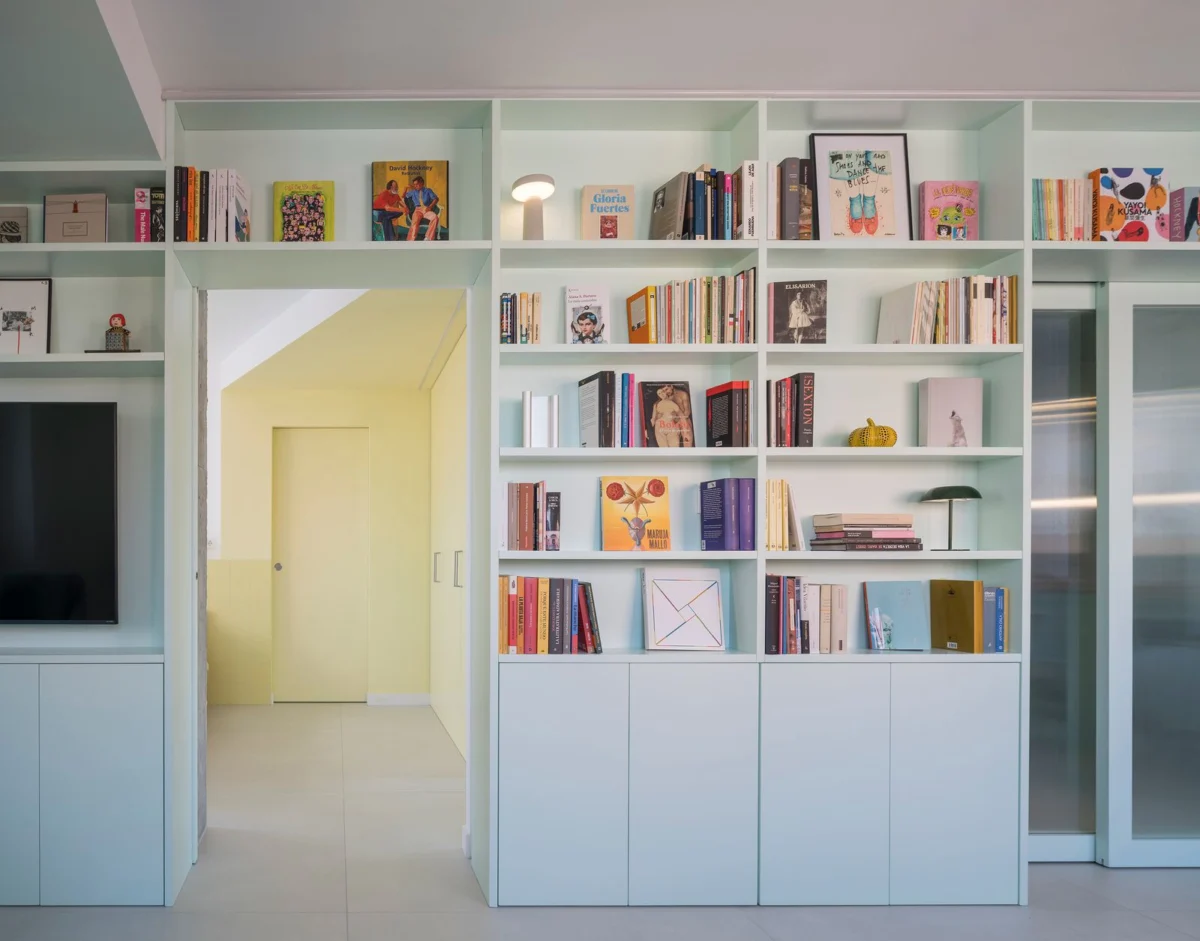
After two decades of shared memories and countless gatherings within the walls of their two-bedroom apartment in Madrid, Santiago Sánchez and Ángel Herrera have announced plans to undertake a significant renovation of their beloved urban dwelling. The decision, born from a growing recognition that their home, though well-maintained and cherished, no longer adequately served their evolving lifestyle, marks a pivotal moment for the couple as they seek to adapt their living space to contemporary needs. The apartment, situated in a vibrant district of the Spanish capital, has long been the backdrop for their social life, enduring years of lively parties and quiet evenings alike. However, a traditional layout and an increasing demand for more efficient storage solutions ultimately prompted the couple to seek a comprehensive transformation. "It just got to the point where we said, We want to renovate," Santiago Sánchez articulated, encapsulating a sentiment shared by many long-term urban residents facing similar spatial constraints.
The Genesis of a Lifestyle Shift
For twenty years, the apartment has performed admirably, a testament to its initial quality and the couple’s care. Its sturdy construction and classic Madrid charm provided a comfortable and inviting atmosphere for both residents and guests. Yet, the demands of modern living, often characterized by a greater need for dedicated workspaces, integrated living areas, and smarter storage, began to highlight the limitations of its original design. What once felt spacious and functional gradually began to feel confined. Ángel Herrera noted, reflecting on their journey, "We’ve loved this apartment deeply, it holds so many of our memories. But as our lives changed, our home needed to change with us. We found ourselves constantly reorganizing, or simply wishing for more light and a more fluid connection between rooms."
The couple’s experience is not isolated. Across major European cities, a growing number of residents are opting for extensive renovations rather than relocating, driven by factors such as rising property values, emotional attachment to their neighborhoods, and a desire to customize their existing spaces. For Sánchez and Herrera, the feeling of "outgrowing" their home was a gradual realization, a culmination of small inconveniences that collectively pointed towards a need for significant change. The lack of integrated storage became particularly pronounced, as personal collections and everyday necessities began to vie for limited space, leading to a sense of clutter that undermined the apartment’s overall tranquility. Furthermore, the traditional compartmentalization of rooms, common in buildings of a certain age in Madrid, increasingly felt restrictive, hindering the open flow and natural light that contemporary design prioritizes.
Two Decades of Madrid Living: A Chronology of Home
Santiago Sánchez and Ángel Herrera acquired their two-bedroom apartment in Madrid approximately two decades ago, a period marked by optimism and the establishment of their shared life in the bustling Spanish capital. The apartment, likely constructed in the mid-20th century, represented a typical urban dwelling for its time, featuring distinct rooms for kitchen, dining, living, and bedrooms, a design philosophy that prioritized privacy and clear functional separation.
- Early 2000s: Sánchez and Herrera move into the apartment. It quickly becomes a hub for social gatherings, reflecting their active lifestyle and the apartment’s suitability for entertaining. The layout, while traditional, serves their needs effectively.
- Mid-2000s to Late 2010s: The apartment continues to be their primary residence, adapting to various phases of their lives. It experiences wear and tear consistent with two decades of continuous occupation but remains structurally sound and aesthetically pleasing due to regular maintenance. The couple likely performs minor cosmetic updates during this period, such as repainting or furniture replacement, but no major structural changes.
- Late 2010s: Subtle signs of the apartment feeling "small" begin to emerge. This coincides with evolving lifestyle needs, potentially including the increasing prevalence of remote work, new hobbies requiring dedicated space, or a general shift towards appreciating more open, integrated living environments. Storage becomes a more significant concern.
- Early 2020s: The desire for a major renovation solidifies. The couple actively discusses their spatial frustrations and begins to research potential design solutions and professional assistance. Santiago Sánchez’s decisive statement, "It just got to the point where we said, We want to renovate," captures this period of concrete decision-making.
- Present Day (as reported): Sánchez and Herrera are in the initial stages of planning their renovation project, likely engaging with architects, interior designers, and contractors to translate their vision into actionable plans.
This chronology underscores a common trajectory for urban homeowners: an initial period of suitability, followed by a gradual divergence between the home’s original design and the occupants’ evolving requirements, ultimately leading to a strategic decision for modernization.
Madrid’s Evolving Urban Landscape and Housing Trends
The decision by Santiago Sánchez and Ángel Herrera to renovate their Madrid apartment resonates with broader trends observed in the city’s dynamic real estate market and urban development. Madrid, like many historic European capitals, grapples with a finite supply of centrally located housing and an increasing demand for modern, efficient living spaces.
According to data from Spain’s National Institute of Statistics (INE) and various real estate consultancies, the average age of residential buildings in Madrid is significant, with a substantial proportion constructed before 1980. This often means traditional layouts, smaller windows, and less efficient energy systems compared to contemporary builds. The average size of a two-bedroom apartment in Madrid can vary widely depending on the district and era of construction, but many older units fall within the 70-90 square meter range, which, while adequate, can feel constrained without intelligent design.
A report by the General Council of Architects of Spain indicated a consistent rise in renovation activity across the country, with Madrid being a major hub. In 2023, the volume of renovation projects in the Comunidad de Madrid saw an increase of approximately 8% compared to the previous year, highlighting a sustained trend. The average cost of a comprehensive renovation in Madrid, depending on the extent of structural changes and material choices, can range from €800 to €1,500 per square meter, making it a substantial investment. For a 90-square-meter apartment, this could easily translate to a project costing between €72,000 and €135,000, underscoring the commitment involved.
The impetus for renovation often stems from several key factors:
- High Property Values: With the average price per square meter in desirable Madrid districts often exceeding €5,000, and in some prime areas reaching €7,000 or more, acquiring a larger, newly constructed apartment in a preferred location can be prohibitively expensive. Renovation presents a more cost-effective pathway to an upgraded lifestyle.
- Emotional and Social Roots: Long-term residents like Sánchez and Herrera often have deep social connections within their neighborhoods. Moving means severing these ties, changing daily routines, and potentially disrupting established community networks. Renovating allows them to retain their address while revitalizing their home.
- Desire for Customization: New builds often come with standardized finishes and layouts. Renovation offers the unparalleled opportunity to tailor every aspect of a home to personal tastes, functional needs, and aesthetic preferences, creating a truly bespoke living environment.
- Sustainability: From an environmental perspective, renovating an existing structure can be more sustainable than demolishing and rebuilding, or constructing a new home on undeveloped land. It reduces construction waste and leverages existing infrastructure.
Design Philosophy and Modern Solutions for Urban Living
The challenges faced by Sánchez and Herrera—a traditional layout and insufficient storage—are common in older urban apartments. Modern design principles offer a wealth of solutions tailored to these issues, transforming confined spaces into airy, multifunctional environments.
A key trend is the move towards open-plan living. By demolishing non-load-bearing walls between the kitchen, dining area, and living room, designers can create a single, expansive space that feels significantly larger and benefits from increased natural light. This not only enhances the sense of openness but also promotes social interaction, making it ideal for couples who enjoy entertaining, as Sánchez and Herrera do. An architect specializing in Madrid apartment renovations, who preferred not to be named due to client confidentiality, commented, "Our clients in Madrid consistently ask for open-plan solutions. It’s about breaking down barriers, both physical and metaphorical, to create a more connected and contemporary living experience. The challenge is often balancing this openness with the need for distinct functional zones."
Integrated and smart storage solutions are another cornerstone of modern urban design. This goes beyond simple cabinets and involves:
- Built-in wardrobes and shelving: Maximizing vertical space and integrating storage seamlessly into walls.
- Under-bed and bench storage: Utilizing often-overlooked areas for discreet storage.
- Multifunctional furniture: Pieces that serve dual purposes, such as an ottoman with storage or a dining table that extends.
- Hidden storage: Panels or false walls that conceal utilities or less frequently used items.
For a two-bedroom apartment, optimizing storage is crucial to prevent clutter and maintain a minimalist aesthetic, contributing to a sense of calm and order. Ángel Herrera likely envisions a space where his possessions have a designated, discreet home, rather than spilling into living areas.
Furthermore, optimizing natural light will be a critical aspect of their renovation. This can involve enlarging windows (where building regulations and structural integrity permit), using lighter color palettes, incorporating reflective surfaces, and strategically placing mirrors to amplify light. The goal is to create a brighter, more inviting atmosphere that reduces reliance on artificial lighting during the day.
Navigating the Renovation Process: Challenges and Expert Collaboration
Undertaking a comprehensive renovation in a historic city like Madrid presents a unique set of challenges that extend beyond mere aesthetic considerations. Sánchez and Herrera will need to navigate a complex process involving multiple stakeholders and regulatory requirements.
- Permitting and Regulations: Renovations in Madrid, particularly those involving structural changes or alterations to the building’s exterior, require municipal permits (licencias de obra). These processes can be lengthy and demand detailed plans from qualified architects. For buildings in protected historical zones, additional approvals from cultural heritage departments may be necessary.
- Structural Considerations: Older buildings can have unique structural characteristics, such as load-bearing walls that cannot be easily removed, or specific floor compositions that impact soundproofing and weight distribution. A structural engineer’s assessment is often indispensable.
- Building Community (Comunidad de Propietarios): As residents in a multi-unit building, Sánchez and Herrera must adhere to the rules of their homeowners’ association (comunidad de propietarios). This includes notifying neighbors of disruptive work, adhering to specific work hours, and potentially seeking approval for changes that affect common elements or the building’s facade.
- Logistics and Access: Moving materials, managing construction waste, and ensuring worker access in dense urban environments can be logistically challenging. Limited street parking, narrow stairwells, and the need to minimize disruption to neighbors all factor into the project’s complexity.
To successfully navigate these complexities, Sánchez and Herrera will undoubtedly rely on a team of professionals. An architect will be central to the project, translating their vision into technical drawings, managing permits, and overseeing the construction. An interior designer can refine aesthetic choices and material selections, while a reputable general contractor will be responsible for executing the build, coordinating trades, and managing the budget and timeline. "Working with experienced professionals who understand the nuances of renovating in Madrid is paramount," an industry insider advised. "They can anticipate problems, ensure compliance, and ultimately deliver a result that meets both the client’s dreams and the city’s regulations."
Economic and Lifestyle Implications
The renovation of Sánchez and Herrera’s apartment carries implications on both a micro-economic and a broader societal level. For the couple, the investment is expected to yield significant returns in terms of quality of life and functionality. A custom-designed home tailored to their current needs will enhance their daily comfort, reduce stress associated with spatial limitations, and provide a renewed sense of pride in their living environment. Furthermore, a well-executed renovation typically increases the property’s market value, making it a sound financial decision in the long term, should they ever choose to sell.
From a broader perspective, such renovations contribute to the revitalization of Madrid’s urban fabric. By upgrading existing housing stock, they support local construction and design industries, creating jobs and stimulating economic activity. This trend also reinforces the concept of "aging in place," allowing residents to remain in their established communities rather than being compelled to move to the suburbs or newer developments simply because their homes no longer fit their needs. It reflects a growing appreciation for the character and convenience of central urban living, adapted for contemporary lifestyles. The emphasis on open plans and efficient storage also mirrors a global shift towards more mindful consumption and a desire for spaces that promote well-being and flexibility.
Looking Ahead: A Revitalized Future
As Santiago Sánchez and Ángel Herrera embark on this transformative journey, their decision to renovate their Madrid apartment underscores a universal desire to harmonize one’s living space with one’s life. The project is more than just a structural overhaul; it is an investment in their future comfort, an affirmation of their attachment to their home and city, and a testament to the enduring appeal of personalized urban living. While the renovation process will undoubtedly present its challenges, the anticipated outcome—a modern, functional, and aesthetically refreshed home—promises to serve them well for decades to come, ensuring their beloved apartment continues to be a cherished backdrop for new memories, rather than just a repository of old ones. Their story is a microcosm of a larger trend, where urban dwellers are actively shaping their environments to better reflect their evolving lives in an ever-changing world.