admin
admin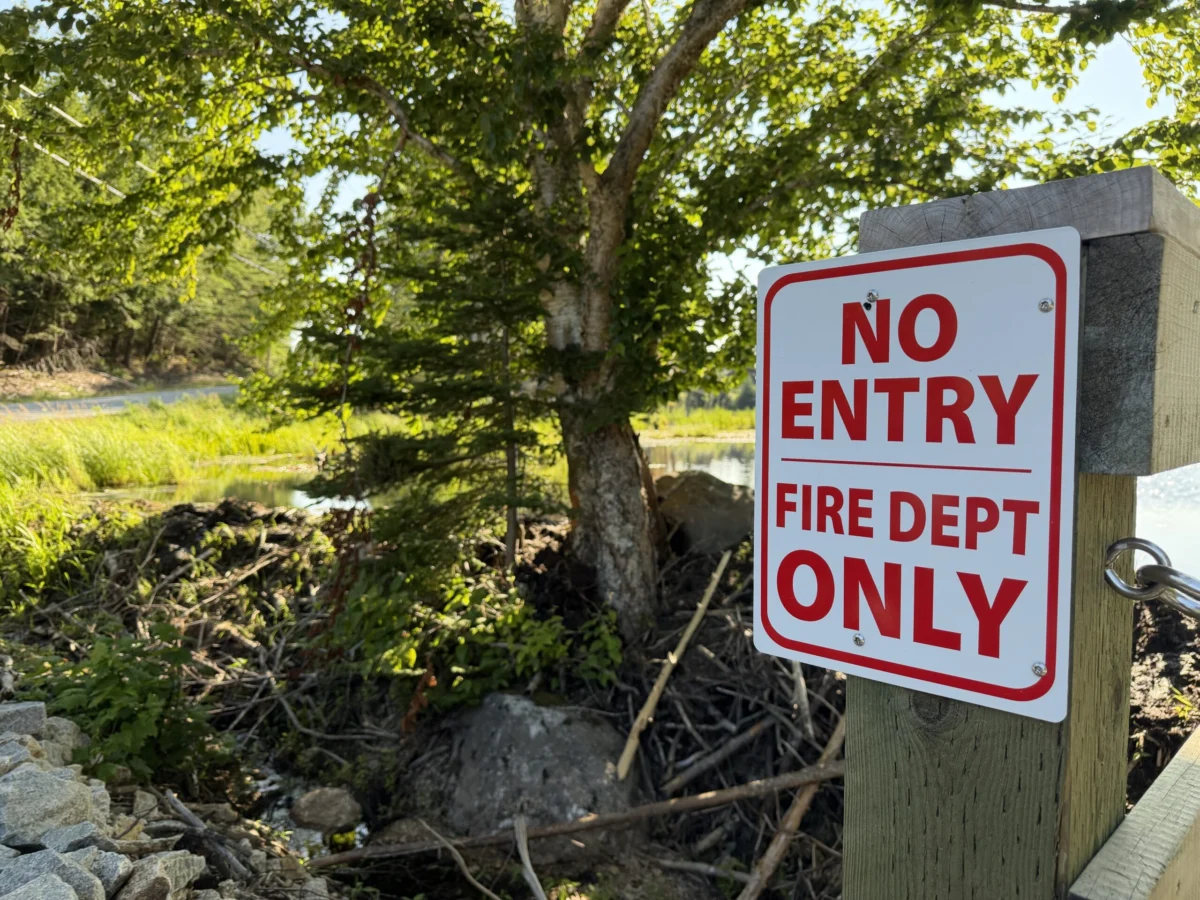
In a remarkable testament to innovation, community collaboration, and an unexpected alliance with nature, the Indian Point Volunteer Fire Department in rural Nova Scotia has successfully installed a critically needed dry hydrant, all thanks to the industrious efforts of a local beaver colony. This groundbreaking project, completed last fall, addresses a long-standing challenge for the department and offers a unique blueprint for rural fire safety in areas where traditional municipal water infrastructure is non-existent.
The Urgent Need for Rural Fire Preparedness
For decades, the Indian Point Volunteer Fire Department, founded in 1955, has sought to establish a reliable water source for firefighting in their community off Oakland Road. Rural areas like Indian Point, characterized by their dense forests and dispersed populations, face distinct challenges in fire suppression. Without access to municipal water mains and conventional fire hydrants, volunteer departments often rely on tanker shuttle operations – a time-consuming and resource-intensive method where water must be trucked in from distant sources. This delay can be critical in controlling rapidly spreading fires, particularly in Nova Scotia’s susceptible forested landscapes.
The urgency of this need was starkly underscored by a series of severe wildfire seasons that have plagued the province in recent years. Chief Tom Lockwood of the Indian Point department vividly recalled the catalyst for action: "A couple of years ago we had a series of very bad fires in various parts of the province. And I thought, you know, we’ve got to get a dry hydrant in here. We just have to." The memory of these devastating blazes, which consumed thousands of acres and displaced countless residents, solidified the department’s resolve to find a solution. In 2023 alone, Nova Scotia experienced its worst wildfire season on record, with over 25,000 hectares burned and thousands evacuated, highlighting the ever-present threat and the paramount importance of swift, efficient fire response capabilities.
A dry hydrant, in contrast to its conventional counterpart, is a non-pressurized pipe system permanently installed in a natural water source such as a pond, lake, or stream. It allows fire trucks to draft water directly using their onboard pumps, significantly reducing the time it takes to get water on a fire. For departments operating in remote, water-rich but infrastructure-poor environments, dry hydrants are indispensable tools for protecting lives and property. However, the installation process often involves significant civil engineering, including excavation and the laying of extensive piping, which can be costly and environmentally disruptive.
An Unlikely Partnership: Embracing Nature’s Engineers
The solution for Indian Point came from an unexpected quarter: a family of beavers residing in a nearby marsh. For over a quarter-century, these natural engineers have meticulously constructed and maintained an impressive dam, transforming the marsh into a substantial and consistent freshwater reservoir. This natural impoundment, a testament to the beaver’s innate ability to reshape landscapes, presented an ideal, pre-existing water source.
"We thought, why don’t we get in cahoots with the beavers and see what we can do?" Chief Lockwood recounted, detailing the unconventional approach. The idea was not to dismantle or bypass the beavers’ work, but to integrate with it. This philosophy aligns with a growing global recognition of ecological engineering, where human infrastructure and natural processes are designed to complement each other. Sherrill Harrison, who owns the land where the beaver dam is located, underscored the precarious situation facing many communities: "The situation here in the province is really quite dire because so many of our small communities, which are in the forested areas, are where the fires are." She recognized the beavers’ critical role: "They’re the ones who have really preserved it and prevented, through their dams, the water draining out."
The challenge then became how to tap into this natural reservoir without disturbing the vital dam structure, which was not only providing the water but also serving as the beavers’ home and habitat. A traditional dry hydrant installation would typically involve drilling through the dam or constructing a bypass, both of which would be detrimental to the beaver colony and the ecological integrity of the wetland. This necessitated a novel design, one that respected the natural environment while serving a critical human need.
Ingenuity and Philanthropy: The Design and Fabrication

With the concept in mind, the Indian Point Volunteer Fire Department reached out to RPS Composites, a local company specializing in the manufacture of composite pipe systems. Their expertise in durable, lightweight, and custom-engineered piping solutions made them an ideal partner for this unique project. Representatives from RPS Composites met with the fire department to discuss the requirements and brainstorm potential designs.
Chief Lockwood described the initial meeting: "They spent about an hour making various drawings." The department presented their specific needs: a system that could access the beaver-created reservoir, be easily deployed during an emergency, and, crucially, leave the beaver dam undisturbed. The engineers at RPS Composites quickly grasped the complexities and the innovative spirit behind the request.
However, a significant hurdle remained: funding. As a volunteer organization, the Indian Point Fire Department operates on a lean budget, largely dependent on community fundraising and grants. "However, we’re a volunteer fire department. We don’t have any money," Lockwood stated plainly. This is a common reality for many of Canada’s approximately 3,500 volunteer fire departments, which form the backbone of emergency services in rural and remote communities. Despite the financial constraints, the urgency of the project and its ingenious concept resonated deeply with RPS Composites.
In a remarkable act of corporate social responsibility and community support, RPS Composites offered to fabricate the specialized pipe system entirely free of charge. Their only request? "They went away and they came back and they said, if you buy $100 worth of Tim Hortons coffee for our staff, we’ll make this thing for you for free, and they were true to their word." This gesture not only highlights the generosity of local businesses but also underscores the profound sense of community spirit prevalent in Nova Scotia. The value of their contribution, encompassing engineering design, materials, and skilled labor, far exceeded the symbolic cost of coffee, representing a significant investment in local safety.
The "See-Saw" Hydrant: A Model of Sustainable Engineering
The resulting design is an elegantly simple yet highly effective system. The composite pipe acts like a "see-saw," featuring a suspended end that can be dipped into the water when needed. This innovative mechanism allows any fire department to easily attach their pumper truck to the exposed end of the pipe and draw water from the reservoir during emergencies. When not in use, the pipe can be raised, ensuring it remains clear of debris and does not interfere with the natural flow or the beavers’ activities.
Crucially, the system requires no permanent alteration to the beaver dam itself. The pipe is positioned adjacent to the dam, utilizing the water body it creates, rather than penetrating its structure. This design ensures that the beavers’ habitat remains intact, allowing them to continue their ecological work without disruption. The lightweight yet durable composite material chosen by RPS Composites also ensures longevity and minimal maintenance in the rugged outdoor environment.
A Collaborative Triumph: Installation and Community Synergy
The installation of this unique dry hydrant took place last fall, marking the culmination of years of aspiration and months of planning and design. This project was not merely the work of the fire department and a single company; it was a broad collaboration involving multiple stakeholders, demonstrating the power of collective action in rural communities.
Key partners in the installation included:
- The Indian Point Volunteer Fire Department: Providing the vision, local knowledge, and manpower for the installation.
- RPS Composites: Designing and fabricating the specialized "see-saw" pipe system.
- Nova Scotia Power: Potentially offering support related to site access, safety assessments, or minor infrastructure adjustments given their broad operational footprint across the province.
- The Provincial Highway Department: Assisting with access to the site, ensuring safety around public roads, and potentially facilitating any necessary minor land modifications for equipment.
- The Harrison Family: As the landowners, their generous permission and cooperation were fundamental to the project’s success, embodying the spirit of community partnership.
- Local Companies: Beyond RPS Composites, it is highly probable that other local businesses contributed through donations of equipment, materials, or services, as is common for volunteer-led community projects.
This multi-faceted collaboration transformed a long-held dream into a tangible reality. It highlights how vital volunteer organizations are in rural Canada, often acting as catalysts for local development and safety initiatives, bridging gaps where government resources might be stretched thin.

Broader Implications: A Blueprint for Coexistence and Resilience
The Indian Point dry hydrant project offers far-reaching implications, extending beyond the immediate benefit to the local community.
1. A Model for Rural Fire Safety: This innovative approach provides a scalable and environmentally sensitive blueprint for other rural communities grappling with similar challenges of water access for fire suppression. Many forested regions across Canada and globally face increasing wildfire risks due to climate change, making accessible water sources paramount. The "beaver-assisted" model demonstrates that solutions can be found by working with, rather than against, natural systems. The cost-effectiveness of this approach, especially when coupled with corporate philanthropy, makes it particularly attractive for cash-strapped volunteer departments.
2. Ecological Engineering and Coexistence: The project exemplifies successful ecological engineering and highlights the potential for positive human-wildlife coexistence. Beavers, often seen as pests due to their dam-building activities causing localized flooding, are here recognized as invaluable allies. Their natural tendency to create and maintain wetlands provides crucial ecological services, including water retention, which directly benefits human safety in this context. This narrative can shift public perception towards appreciating the ecological roles of wildlife.
3. Strengthening Community Resilience: The collaboration between a volunteer fire department, local businesses, landowners, and provincial entities underscores the robust community spirit and resilience prevalent in Nova Scotia. Such projects foster a sense of shared responsibility and collective problem-solving, which are essential attributes for communities facing increasing environmental challenges.
4. Volunteerism’s Vital Role: The story is a powerful reminder of the indispensable role of volunteer firefighters. These dedicated individuals often work with limited resources, relying on ingenuity and community support to protect their neighbours. Their commitment to finding creative solutions, even partnering with beavers, showcases their dedication.
5. Adapting to Climate Change: As climate change intensifies wildfire seasons and alters hydrological patterns, innovative water management solutions like the Indian Point dry hydrant become increasingly critical. This project demonstrates proactive adaptation, turning a natural feature into a strategic asset for climate resilience.
A Symbiotic Relationship: Nature and Community in Harmony
Looking at the installed system, Chief Lockwood expresses immense satisfaction, calling it a "symbiotic relationship with the beavers." He marvels at the outcome: "I think it’s marvelous. They don’t bother us. We don’t bother them. They’re happy as can be and so are we." Sherrill Harrison echoes this sentiment, emphasizing the beavers’ fundamental role: "They’re the ones who have really preserved it and prevented, through their dams, the water draining out."
The Indian Point dry hydrant stands as more than just a piece of firefighting infrastructure; it is a symbol of ingenious problem-solving, community solidarity, and a harmonious partnership with the natural world. In an era where human development often conflicts with environmental preservation, this project offers a refreshing narrative of collaboration, demonstrating that with creativity and respect, humans and wildlife can indeed thrive together, especially when the stakes are as high as community safety. The industrious beavers of Indian Point, unknowingly, have become silent heroes in the ongoing battle against wildfires in Nova Scotia.