admin
admin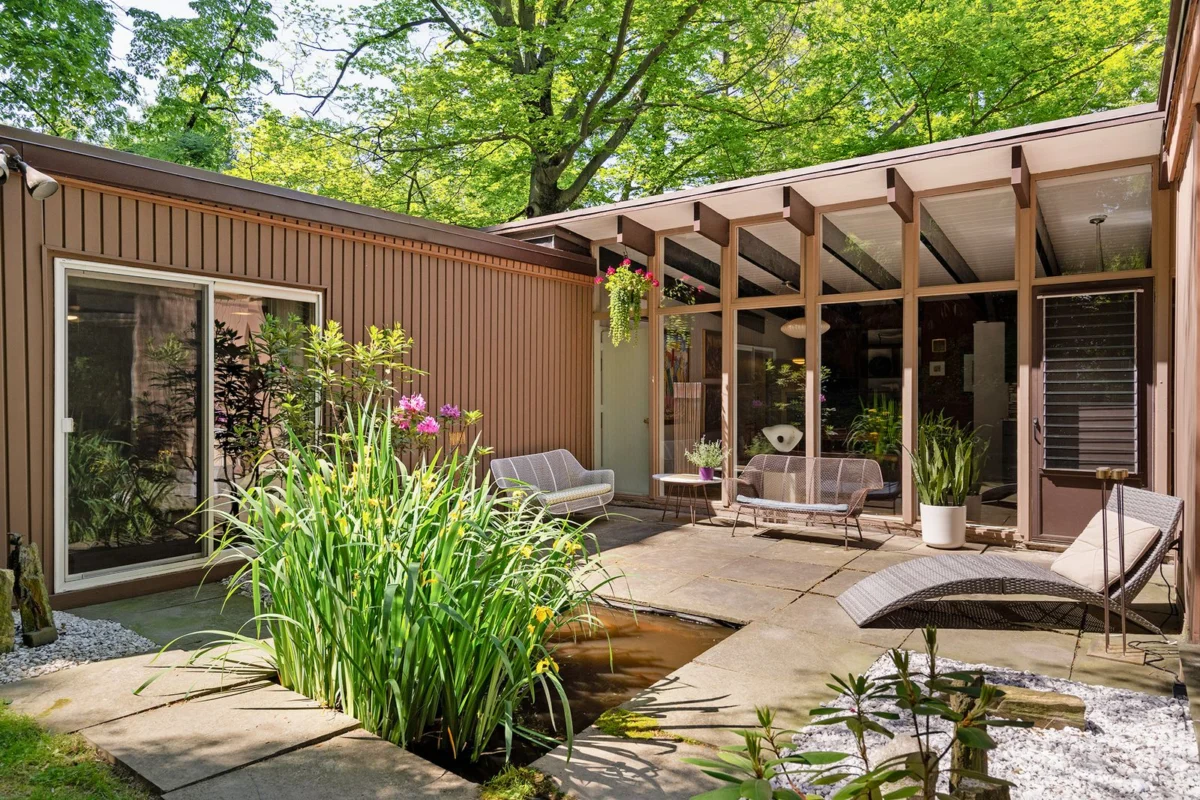
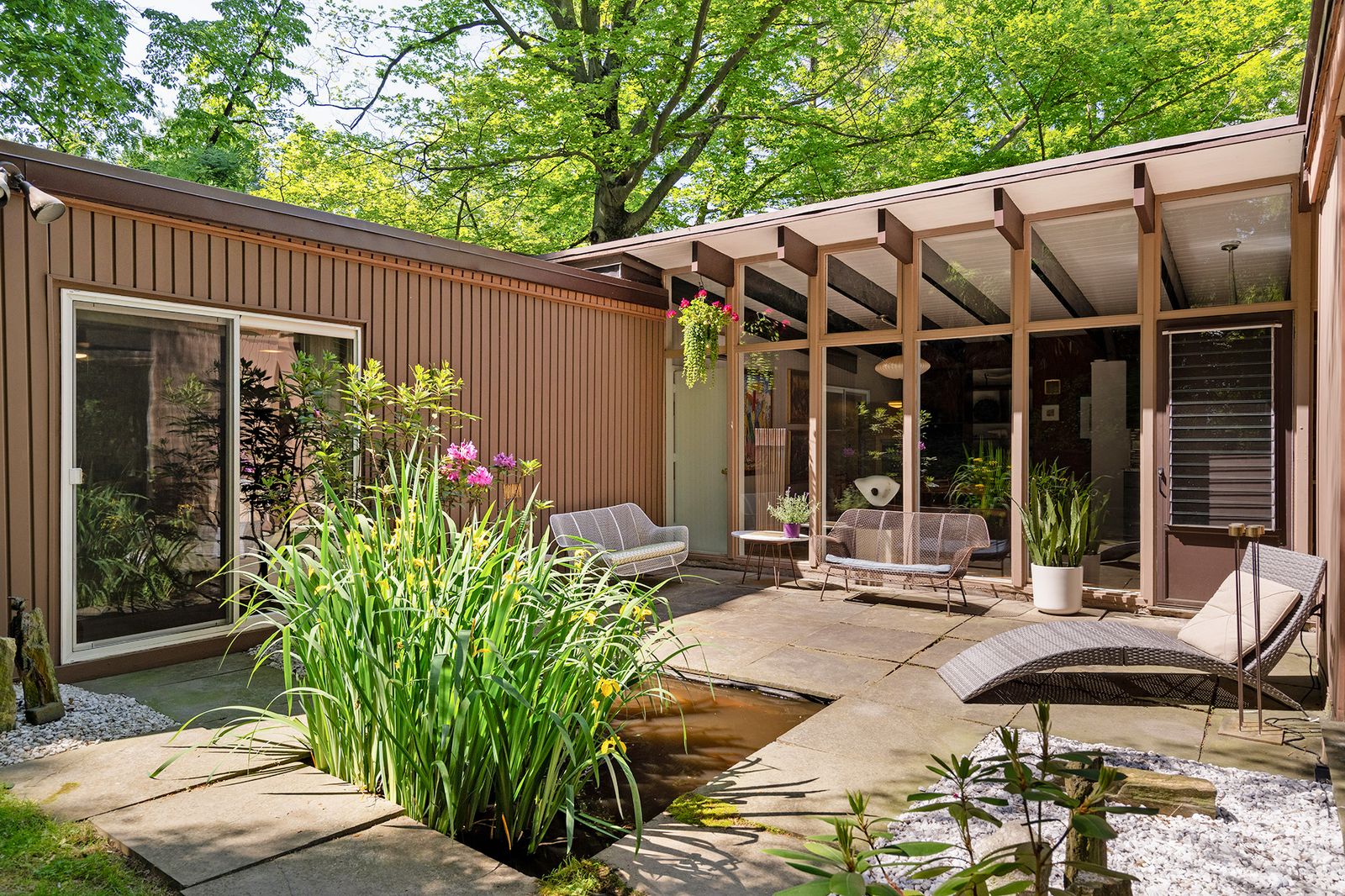
The Rhode Residence, a remarkably preserved single-story midcentury-modern architectural gem located at 1220 Susquehanna Road in Rydal, Pennsylvania, is currently on the market for $1,056,000. This iconic property, designed and built in 1957 by the esteemed Cuban-born architect Carlos Joseph Alvaré, is being offered for sale for only the second time in its nearly seven-decade history, presenting a rare opportunity for discerning buyers to acquire a significant piece of postwar residential architecture. Situated in Abington Township, just outside Philadelphia, the home stands as a testament to Alvaré’s distinctive vision, deeply influenced by his formative years working under the legendary Louis Kahn.
Architectural Pedigree: Carlos Joseph Alvaré and His Influential Mentors
Carlos Joseph Alvaré (1924–2017) was a pivotal figure in the regional modernist movement, a fact underscored by his impressive educational and professional background. Alvaré’s architectural journey began with a Bachelor’s degree from Yale University, where he had the rare privilege of having his senior thesis advised by none other than the Brazilian modernist icon, Oscar Niemeyer. His education continued at the University of Pennsylvania, a hotbed of architectural innovation, further solidifying his connections within the global modernist elite. During his time at Yale, his final project was even judged by the Swiss-French titan of modern architecture, Le Corbusier. These extraordinary experiences placed Alvaré at the nexus of some of the 20th century’s most profound architectural thought, imbuing his early career with a rich tapestry of international influence.
Crucially, from 1947 to 1951, Alvaré honed his craft under the direct mentorship of Louis Kahn, one of America’s most influential architects. Kahn’s philosophy, emphasizing the interplay of light, monumental forms, and the inherent character of materials, profoundly shaped Alvaré’s approach to design. While Alvaré developed his own unique aesthetic, the disciplined spatial arrangements, thoughtful consideration of natural light, and a deep respect for structural honesty characteristic of Kahn’s work are discernible in the Rhode Residence and his other award-winning projects. This direct lineage from Kahn makes any of Alvaré’s surviving homes particularly significant, positioning them as vital links in the chain of Philadelphia’s rich modernist tradition. The scarcity of such intact properties by Kahn’s protégés only amplifies the historical and architectural value of the Rhode Residence.
The Rhode Residence: A Harmony of Modernism and Nature
Commissioned by Meyer and Rhea Rhode, prominent patrons of Philadelphia’s vibrant arts community, the Rhode Residence was conceived not merely as a dwelling but as a carefully curated living experience. The original owners’ appreciation for art and design undoubtedly fostered an environment where Alvaré could fully express his modernist principles. The residence occupies a private, professionally landscaped 0.72-acre lot, meticulously designed to complement the home’s architecture. Alvaré’s work consistently emphasized thoughtful siting and Japanese-inspired landscape design, principles clearly evident in the Rhode Residence. The home’s connection to its natural surroundings is paramount, blurring the lines between indoor and outdoor living.
The exterior of the single-story, 2,244-square-foot home is characterized by striking facades of Pennsylvania fieldstone, a material choice that grounds the modernist structure in its regional context and provides a tactile, earthy contrast to the expansive glass elements. A custom stone landscape wall, reputedly crafted by the same landscape architect responsible for portions of the Philadelphia Museum of Art’s walls, adds another layer of artistic and historical prestige to the property. Surrounding the residence, a series of bluestone patios, courtyards, and terraces create multiple inviting outdoor sitting areas, each offering a distinct vantage point of the meticulously maintained grounds. The landscaping features Pennsylvania fieldstone walkways, a serene koi pond that adds a touch of tranquil elegance, and a pergola-topped deck, perfect for outdoor entertaining or quiet contemplation.
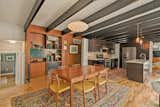
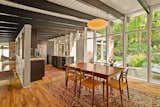
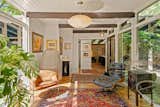
Inside, the Rhode Residence exemplifies Alvaré’s signature style. The open-flowing layouts create a sense of spaciousness and connectivity, while exposed structural elements, such as original Douglas fir beams and tongue-and-groove ceilings, run throughout the main living spaces, celebrating the integrity of the building’s construction. Custom millwork, a hallmark of high-quality midcentury design, is evident in various details, adding warmth and refinement. The home features three bedrooms and two full bathrooms, along with a versatile living room and a flexible family room that can easily function as an office. A detached two-car garage with a custom glass door further enhances the property’s aesthetic appeal and functionality.
Seamless Integration of Interior and Exterior Spaces
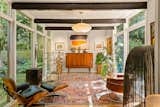
One of the most defining characteristics of Alvaré’s design, and particularly prominent in the Rhode Residence, is the dramatic integration of interior and exterior spaces. Expansive windows and ten-foot walls of glass are strategically placed to connect the interiors to the natural landscape, inviting abundant natural light and picturesque views into nearly every major room. This architectural choice not only floods the living spaces with daylight but also fosters a continuous dialogue between the carefully designed indoor environment and the surrounding gardens, terraces, and mature landscaping. For instance, the dining area benefits immensely from these soaring glass walls, creating an immersive experience that makes meals feel like an extension of the garden itself.
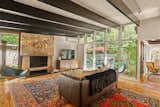
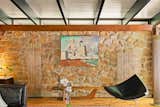
The living room, a central hub of the home, features one of the residence’s two wood-burning stone fireplaces. These fireplaces, crafted from the same Pennsylvania fieldstone as the exterior facades, serve as warm focal points, enhancing the midcentury aesthetic and providing comfort during cooler months. The consistent use of natural materials, from the stone and wood to the carefully chosen flooring and lighting, reinforces Alvaré’s commitment to organic modernism, creating a cohesive and harmonious environment.
Meticulous Preservation and Thoughtful Updates
The Rhode Residence’s status as a "remarkably preserved" example of midcentury-modern architecture is a significant draw. It speaks to the care taken by its previous owners to maintain its original architectural integrity. The fact that it is only the second time the property has been offered for sale since its inception in 1957 highlights its enduring appeal and the deep appreciation its custodians have held for its design. The current owner, a professional artist, has continued this tradition of meticulous preservation, ensuring that the home retains its historic charm while benefiting from necessary modern updates.
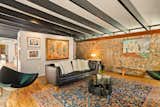
These updates have been thoughtfully executed to blend seamlessly with the original design rather than detract from it. The roof, mechanical systems, kitchen, bathrooms, electrical system, flooring, lighting, and landscaping have all received attention, ensuring the home meets contemporary standards of comfort and efficiency without compromising its historical character. For instance, while the kitchen and bathrooms have been modernized, it is highly probable that the renovations were carried out with sensitivity to the original midcentury aesthetic, utilizing materials and finishes that respect Alvaré’s vision. This balance of preservation and modernization makes the Rhode Residence not just a museum piece but a fully functional and comfortable contemporary home.
The Enduring Appeal of Midcentury Modernism in the Philadelphia Region
Midcentury Modern architecture, which flourished from the mid-1940s to the late 1960s, emerged as a response to the post-World War II housing boom and a desire for forward-thinking, functional design. Its core tenets — simplicity, integration with nature, open floor plans, and the use of natural and man-made materials — resonated deeply with a generation looking towards the future. In the Philadelphia region, this movement was particularly vibrant, influenced by institutions like the University of Pennsylvania and the presence of architectural giants like Louis Kahn. Architects trained in this environment often sought to adapt these international modernist principles to the local climate and material palette, creating a distinct regional style.
Today, largely intact midcentury-modern homes, especially those by architects connected to prominent figures like Kahn, are increasingly rare and highly sought after. Many such properties have either been significantly altered over the decades or demolished to make way for new constructions. The Rhode Residence stands as a valuable exception, offering a tangible link to a significant period in American architectural history. Its presence in Rydal, a tranquil suburban community within easy reach of Philadelphia, further enhances its appeal, providing a serene retreat that is nonetheless connected to urban amenities and cultural institutions.
The sale of the Rhode Residence is more than just a real estate transaction; it represents an opportunity to acquire a piece of living history. For architecture enthusiasts, art patrons, or anyone seeking a home that embodies thoughtful design and a deep connection to its environment, this property offers an unparalleled experience. It is a testament to Carlos Joseph Alvaré’s talent and a reminder of the enduring legacy of midcentury modernism in the Philadelphia area, a tradition that continues to inspire and captivate.