admin
admin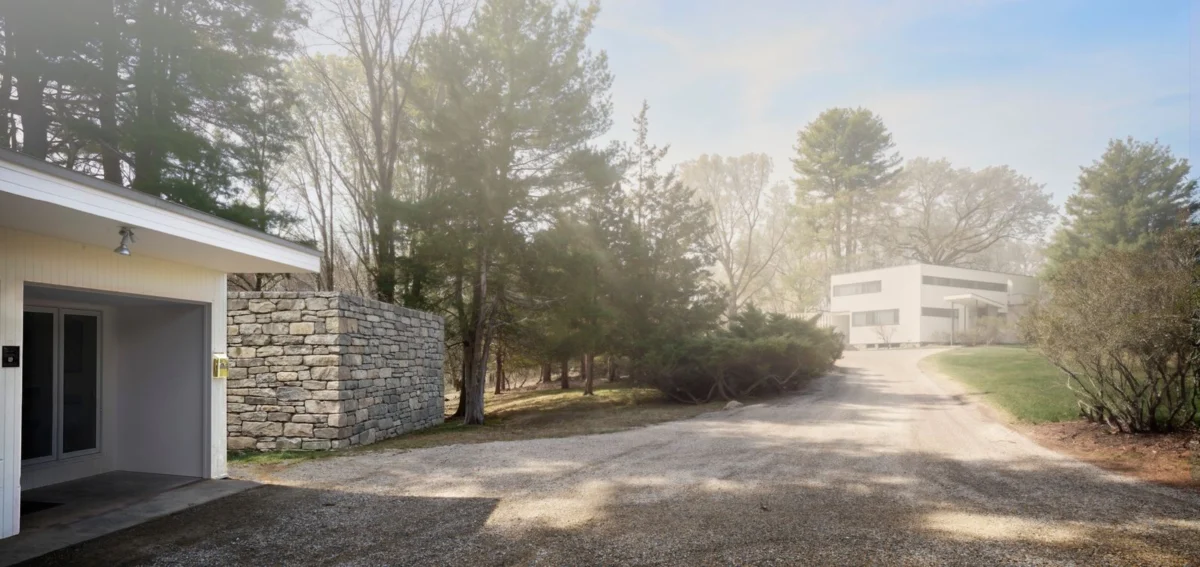
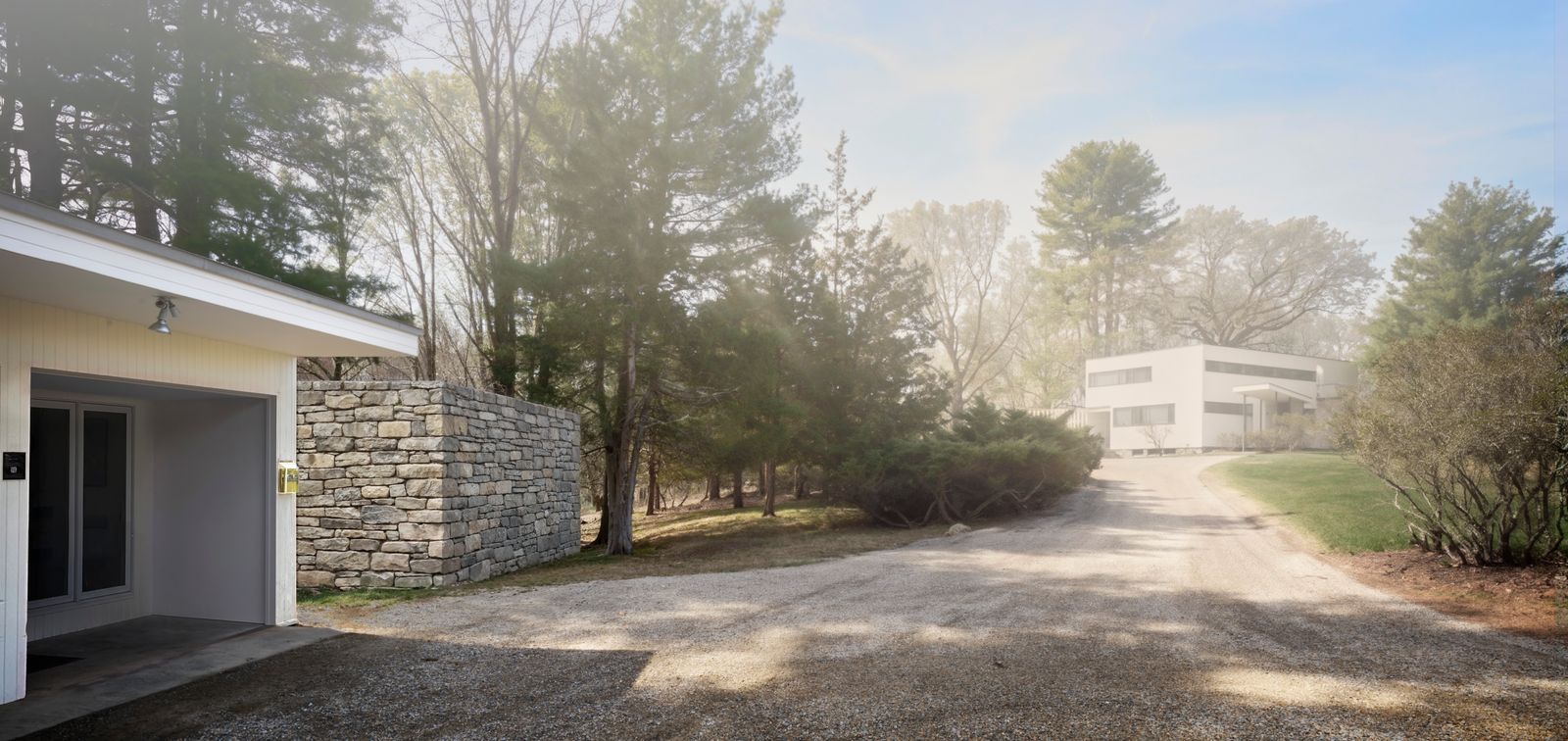
The iconic Walter Gropius House in Lincoln, Massachusetts, a testament to Bauhaus functionalism adapted to New England’s regional conditions, faces an intriguing contemporary challenge that encapsulates a broader shift in the world of historic house museums. Built in 1938, Gropius’s three-bedroom, 2,300-square-foot residence, characterized by its austere, box-like silhouette, flat roof, and unornamented facade, stands as one of America’s finest examples of modern architectural principles. Gropius, a visionary who believed in industry’s promise for affordability, famously sourced many of his home’s structural elements and interior finishes from catalogs. Crucially, he conceived the house as a living system, meticulously planned to harmonize with its natural surroundings. His wife, Ise Gropius, once recalled their evening ritual of wandering the property to plot window orientations, ensuring optimal light and views – a reflection of the conceptual unity central to Bauhaus ideology.
Today, this architectural marvel draws approximately 3,500 visitors annually, eager to delve into Gropius’s experiment in modern living. However, their initial impression is often marred by an unexpected anachronism: a seven-foot-tall, bright blue plastic port-a-potty stationed conspicuously next to the visitor’s center. "It’s one of the first things you see," laments Vin Cipolla, President and CEO of Historic New England, the preservation group managing the site. While acknowledging a certain "off-the-shelf" efficiency that might, ironically, resonate with some aspects of Bauhaus functionalism, Cipolla asserts, "But it subtracts from the experience." This seemingly minor detail highlights a significant operational and philosophical dilemma confronting house museums worldwide: how to reconcile the needs of a modern public with the imperative of preserving historical integrity.
Addressing the Gropius House Dilemma: A Modern Solution for a Modernist Icon
Fortunately, the days of the offending portable restroom at the Gropius House are numbered. Last year, Historic New England launched an international competition for a new, permanent restroom facility, signaling a commitment to a more thoughtful integration of visitor amenities. The winning entry, designed by architectural designer and Smith professor Isabel Strauss, promises a solution that is both deferential and impactful. Strauss’s design envisions a monolithic, fieldstone structure, mirroring the size and shape of the original garage (which now houses the visitor’s center with a small information booth and shop). This new facility will be subtly sited a few paces from the main visitor hub, designed to blend with the landscape rather than assert itself.
Strauss’s approach, as she articulated to The Architect’s Newspaper, was to create something "deferential yet monumental, and inexpensive to build." This philosophy directly echoes Gropius’s own pragmatic yet profound architectural principles, without resorting to mimicry. The aim is to provide a necessary modern convenience in a way that respects and even enhances the site’s historic significance. Cipolla emphasizes this delicate balance: "We’re solving a need without in any way disturbing the historic importance of the site and the experience of visiting the place as it would have been intended by Gropius himself." This new restroom, currently awaiting funding before construction can commence, is anticipated not just as a functional upgrade but as a new point of interest, potentially drawing further architectural discourse and even new visitors, a testament to the idea that thoughtful contemporary interventions can amplify historical appreciation.

The Evolving Landscape of House Museums: Beyond Voyeurism to Deeper Narratives
The Gropius House’s "port-a-potty dilemma" is a microcosm of a broader challenge facing the estimated 8,000 to 15,000 historic house museums across the United States. These institutions, once primarily dedicated to preserving physical structures, are increasingly grappling with how to transform private, domestic spaces into engaging public forums. Over the past two decades, there has been a notable shift towards upgrading visitor centers to attract diverse audiences and narrate richer, more comprehensive stories about the sites and the lives lived within them.
Historically, the inception of house museums in the late 19th century was often driven less by a critical engagement with history and more by a form of "voyeurism" and the practical need to fund maintenance. Monica Nelson, author of the forthcoming book These Long Shadows about women’s house museums in the American South, observes that early owners often opened their homes "for the opulence and for people to come look at this bygone era of wealth." Crucially, these narratives often omitted significant aspects of history, such as the lives of enslaved people. A stark example she cites is the conversion of a portion of slave quarters at Longwood, a mansion and plantation in Natchez, Mississippi, into restrooms, illustrating a past lack of historical sensitivity now being critically re-evaluated.

Today, the ethical framework guiding house museum directors and boards prioritizes engaging more critically with the past. "Everything in history is twenty-pronged," Nelson states, highlighting the complex questions of accountability, funding, and the narratives being served. This evolution reflects a growing societal demand for authenticity, inclusivity, and a deeper understanding of historical contexts, moving beyond mere architectural appreciation to a holistic human experience.
Case Studies in Transformation: Balancing Preservation and Public Engagement
Several prominent house museums exemplify this ongoing tension and the innovative solutions being implemented:

Philip Johnson’s Glass House: Purity vs. Context
In New Canaan, Connecticut, Philip Johnson’s iconic Glass House presents a unique challenge in balancing architectural preservation with public education. The site is meticulously maintained to reflect Johnson’s original vision, offering visitors a "pure experience" of his architectural genius. Kirsten Reoch, executive director at the Glass House, prioritizes this pristine preservation. Consequently, interpretation often relies heavily on tour guides, with minimal on-site plaques or labels. Johnson’s own angular red structure, Da Monsta, completed in 1995, was originally intended as a welcome center and now houses a restroom, a practical necessity.
However, due to strict zoning restrictions prohibiting commercial operations on the property, the Glass House established its primary visitor center off-site in downtown New Canaan. This center, located conveniently near the train station, includes a gift shop, a gallery providing basic information on Johnson, and staff offices. Reoch recognizes the need to expand this off-site center with more exhibition space to allow for broader contextualization, especially concerning New Canaan’s pivotal role in modernism and, implicitly, addressing Johnson’s complex and at times controversial reputation as an architect and public figure. This model demonstrates how off-site facilities can serve as crucial interpretative hubs, protecting the integrity of the main site while fostering deeper understanding.
Flannery O’Connor’s Andalusia: Unveiling Hidden Histories
The Georgia farm Andalusia, home to the celebrated novelist Flannery O’Connor, offers another compelling example of how visitor centers can enrich historical understanding. In 2023, a new interpretive center opened, providing dedicated space to exhibit recently discovered oil paintings by O’Connor herself. This addition allows visitors to connect more intimately with the artist’s multifaceted creativity and personal life, expanding the narrative beyond her literary output. By providing a dedicated space for exhibitions and context, the center deepens the visitor’s appreciation for O’Connor’s world and work, enhancing the experience of touring the house itself.

Frederic Church’s Olana: Landscape as Art
At Olana, the Hudson Valley estate of Hudson River School painter Frederic Church, a new visitor center designed by the architecture firm ARO, following an $18 million restoration of the cultural landscape by Nelson Byrd Woltz, dramatically recontextualizes the visitor experience. Previously, guests would drive directly to the 19th-century Persian-inspired mansion without understanding Church’s deliberate artistic vision for the entire property. The long, winding approach to the house, designed to slowly reveal itself, is integral to his artistic statement. The new center now serves as an essential orientation point, engaging guests with the greater significance of the cultural landscape, ensuring they appreciate the journey as much as the destination. This strategic intervention underscores how modern visitor facilities can unlock deeper layers of meaning in historical sites.
The Frick Collection: Restoring Domestic Intimacy
The Frick Collection in New York City, housed in the former Gilded Age mansion of industrialist Henry Clay Frick, undertook a monumental $330 million renovation spearheaded by architect Annabelle Selldorf. When the museum first opened in the 1930s, the mansion’s second-floor domestic spaces were converted into administrative offices out of necessity. The recent renovation not only added essential facilities like educational spaces, special exhibition galleries, an auditorium, and a gift shop but also meticulously restored the second floor, opening these intimate domestic spaces to the public for the very first time.
This restoration, alongside improved accessibility (including a new elevator and front-door access for wheelchairs), allows visitors to experience the museum in a profoundly new way. Seeing Frick’s favorite painting, George Romney’s portrait of Lady Hamilton, hanging precisely as it did in his bedroom, offers an intimate glimpse into his private world. Similarly, relocating French artist François Boucher’s paintings, originally made for Lady Frick’s boudoir, back to their original location (from what was once a butler’s pantry) profoundly shifts the understanding of the artwork’s relationship to the architecture. As Aimee Ng, the museum’s chief curator, notes, "You just get a different sense of the human experience of what it must have been like to live with these works of art, collect them, and be their kind of living custodians at that time." The Frick’s transformation demonstrates how significant investment in both new facilities and historical restoration can create a more authentic and enriching visitor experience.
International Innovation: Self-Sustaining Cultural Hubs
Beyond the US, Mexico City offers a compelling model for visitor engagement and financial sustainability. César Cervantes, founder of a popular taco chain and an art collector, understood the potential for synergy when he opened Tetetlán, a restaurant, gallery, shop, and cultural center adjacent to Luis Barragán’s Casa Pedregal. Completed in 1950, Casa Pedregal is a masterpiece by the Pritzker Prize-winning architect, known for its bold colors, minimalist forms, and harmonious integration with the volcanic landscape of the Pedregal neighborhood, which Barragán himself helped develop.
Tetetlán, ingeniously housed in what were originally Casa Pedregal’s horse stables (renovated over the years into commercial spaces), now draws a remarkable 175,000 visitors annually, dwarfing the 20,000 who tour the residence (tickets for which are limited as Cervantes still resides there). Cervantes and architect Jorge Covarrubias conceived the renovation as an adaptive reuse project, stripping back the architecture and installing glass floors that reveal the underlying lava rock topography – a direct nod to Barragán’s design philosophy and the site’s unique geology. Crucially, modern interventions were designed to be easily reversible.

Alejandro Alvarado, who directs visitor experience at Casa Pedregal, explains that "The restoration of Tetetlán was conceived as a way to protect, buffer, and complement Casa Pedregal." Rather than isolating the house as a static architectural masterpiece, Tetetlán introduces visitors to a "living environment" that reflects the values and creative expressions shaping modern Mexico and Barragán’s vision. Tetetlán thrives as a cultural hub, with reservations booking up for its restaurant (which emphasizes organic, sustainable agriculture), a constant stream of people for coffee and yoga classes, and a robust financial model that helps fund restoration work for Casa Pedregal.
"In this sense, Tetetlán serves not only as a preservation strategy for Casa Pedregal, but also as a living platform that fosters community engagement, cultural exchange, and creative exploration while keeping the spirit of Pedregal alive and relevant for contemporary audiences," Alvarado asserts. This successful formula is now being replicated at Casa Covarrubias, the former home of artists Miguel and Rosa Covarrubias, which Cervantes plans to open as a cultural center later this year. This model showcases how visitor centers can evolve beyond mere support structures to become vibrant, self-sustaining cultural destinations that enhance the appreciation and preservation of historic homes.
The Future of House Museums: Minimal Intervention, Maximum Engagement

Back in the US, Vin Cipolla of Historic New England underscores the principles guiding their efforts: "What’s paramount for us as a historic preservation and public history organization is to honor the history, honor the important structures that are there, and create minimal interventions." Beyond the Gropius House project, Historic New England has a track record of integrating public restrooms into existing barns, tool sheds, and gatehouses across its managed sites, with the Gropius House bathroom being only its second ground-up construction. This commitment reflects a careful negotiation between the necessity of modern amenities and the sanctity of historical authenticity.
"Historic integrity is what you’re leading with while accommodating necessary, accessible, and modern uses," Cipolla concludes. The evolving role of visitor centers, from simple reception areas to comprehensive interpretive hubs and even self-sustaining cultural destinations, is crucial for the continued relevance and financial health of house museums. These new additions are not just about convenience; they are about enriching the narrative, providing crucial context, improving accessibility, and creating dynamic platforms for community engagement. As institutions like Historic New England secure funding and implement these thoughtful designs, they are ensuring that these complex containers of lives lived continue to educate, inspire, and captivate audiences for generations to come, transforming a once private past into a vibrant public future.