admin
admin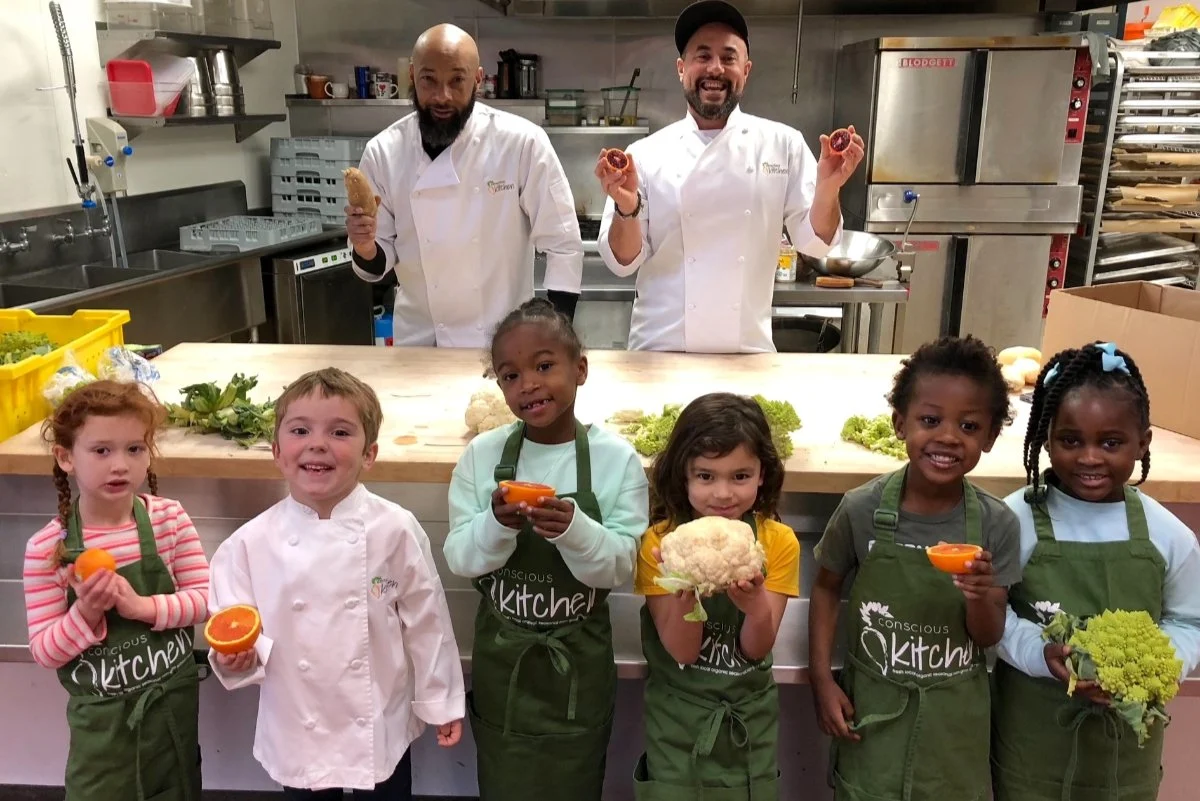
The Sausalito-based nonprofit, Conscious Kitchen, is driving a profound transformation within California’s school food supply chain, connecting school districts directly to local, organic farms and empowering schools with enhanced buying power to significantly reduce costs. With a bold new goal to nourish six million schoolchildren across California with locally sourced, organic meals, the organization is poised to establish a groundbreaking model for school districts nationwide, fundamentally altering the landscape of institutional food procurement. This ambitious undertaking, recognized globally with a nomination for the prestigious Food Planet Prize, validates Conscious Kitchen’s decade-long commitment to sustainable and healthy food systems.
A Decade of Cultivating Change: Conscious Kitchen’s Journey
Founded in 2013 by Judi Shils and her dedicated team, Conscious Kitchen embarked on its mission at Bayside Elementary in Marin City, California. This underserved community, where 95 percent of students qualified for free and reduced meals, became the crucible for the nonprofit’s vision: to transition from the prevalent ultra-processed, pre-packaged school meals to fresh, locally grown, organic food. The initial focus was not merely on food quality but on demonstrating the feasibility and scalability of such a shift, even in economically challenged environments.
Over the past decade, Conscious Kitchen has meticulously built an impressive network, now boasting partnerships with over 50 farms and more than 100 school districts across California. Their guiding conviction is simple yet profound: with the right infrastructure, strategic relationships, and collective action, organic food can become a central, economically viable component of the school food system. This conviction resonated strongly with the Food Planet Prize committee, which recognized Conscious Kitchen as one of four global finalists from over 1,000 applicants, citing its potential to create positive environmental change through food. While the ultimate award went to an agroecology movement in South India, the nomination itself brought a substantial $150,000 prize, providing critical financial impetus and validation for Conscious Kitchen’s expansive vision. Lina Engler, general manager of the Food Planet Prize, underscored this, noting, "Rather than solving one piece of the puzzle, CK works across the entire chain that spans farm to school."
The Pandemic as a Catalyst for Systemic Shift
The inherent fragility of globalized food supply chains, starkly exposed by the COVID-19 pandemic, inadvertently provided a pivotal opportunity for Conscious Kitchen to accelerate its mission. As widespread disruptions crippled conventional distribution networks, school districts found themselves in an unprecedented situation. Temporary federal reprieves from stringent government procurement standards and guaranteed reimbursement, even without adherence to previous guidelines, opened a window for innovation.

During this period, Conscious Kitchen’s work rapidly gained momentum. A critical partnership formed with Barbara Jellison, food service director for West Contra Costa Unified, a large district in San Francisco’s East Bay. Jellison, facing the challenge of feeding 23,000 students amidst collapsing supply lines, turned to Shils with a direct proposition: "If you build the supply chain, I’ll buy it." Conscious Kitchen rose to the challenge, demonstrating the resilience and responsiveness of localized food systems. Over nine months, the nonprofit facilitated the procurement of 10.7 million pounds of organic food from local farmers, distributing it into an astounding 18.7 million boxed to-go meals for West Contra Costa students. This amounted to $17 million in organic purchases, quickly expanding beyond produce to include organic dairy, protein, cereals, and grains. This period served as a powerful proof of concept, illustrating that direct farmer-to-school links were not just feasible but could be implemented at a massive scale, even under duress. Recognizing this momentum, Shils stated, "I knew that I couldn’t not keep blowing this up."
Deconstructing the Status Quo: A Multi-pronged Approach to Transformation
The traditional school food distribution system, characterized by its reliance on long supply chains, bulk ordering of often-processed foods, and a preference for convenience over fresh, scratch-cooked meals, presents numerous hurdles. Conscious Kitchen’s strategy is comprehensive, chipping away at every facet of this entrenched system. Their approach is unique in its diversity, addressing not only the supply of organic food but also the economic, logistical, and operational challenges faced by schools.
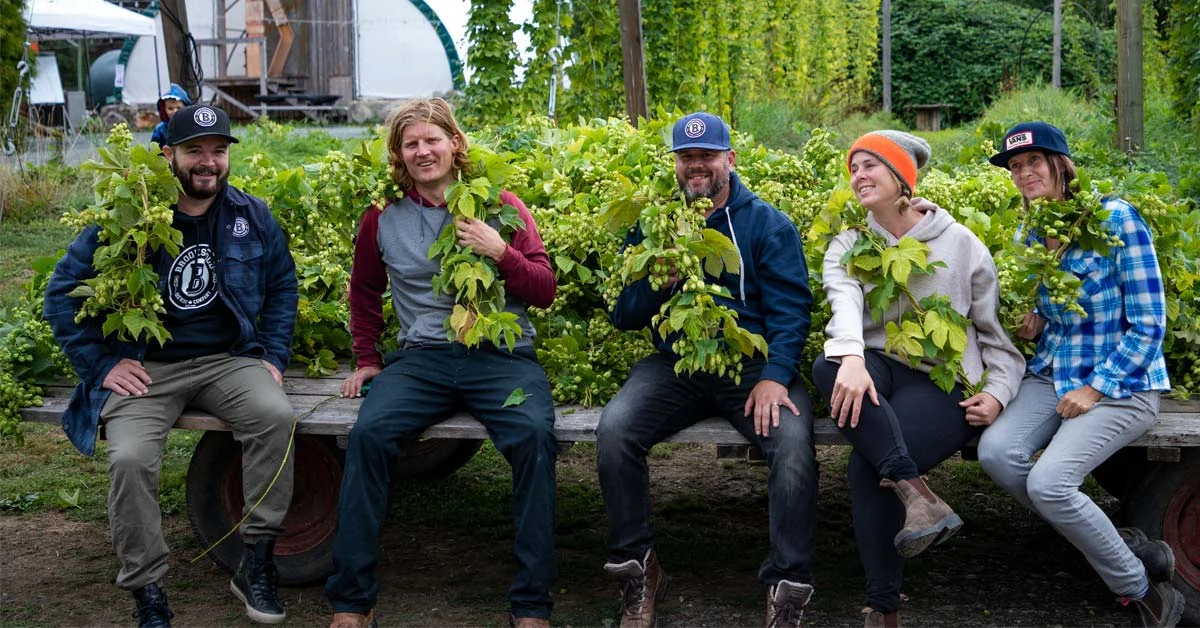
One of the primary challenges for Conscious Kitchen is simply initiating dialogue with school district food service leaders and small-to-midsize organic farmers. Farmers, despite often having the desire to expand their markets, frequently lack the resources or knowledge to navigate the complex institutional procurement landscape. To bridge this gap, Conscious Kitchen has actively facilitated direct connections. In 2025, they hosted 13 "farm-to-school workshops," providing invaluable platforms for farmers and school officials to meet, learn about Conscious Kitchen’s model, and forge direct relationships. These workshops have continued into 2026, fostering ongoing dialogue and collaboration.
This liaison has proven invaluable for growers like Frog Hollow Farm, a renowned organic stone fruit farm in Brentwood, California. Conscious Kitchen’s efforts have made California schools Frog Hollow Farm’s largest client in its 50-year history—an "unheard of" achievement in school-supported agriculture, as Shils noted. This success story highlights the potential for school systems to become a crucial economic lifeline for small and medium-sized farms, many of which are struggling nationwide. According to the U.S. Department of Agriculture, approximately 15,000 small farms closed or consolidated in 2025 alone, underscoring the urgent need for new market opportunities.
For school district leaders, the transition to organic foods raises several concerns: perceived higher costs, the complexity of ordering and meal planning in volume, limitations in kitchen infrastructure (many are equipped for heating, not scratch cooking), and the need for staff training in scratch-cooking techniques. Moreover, schools must navigate these challenges while adhering to strict government regulations. Kristin Hilleman, director of food and nutrition services at the Capistrano Unified School District, which produces around 25,000 meals daily, emphasized, "There’s a lot of strategy involved in all of this." Conscious Kitchen directly addresses these operational hurdles. They offer scratch-cooking training sessions for kitchen staff and are launching a comprehensive recipe database in August 2026, allowing districts to share and adapt organic, scratch-cooked meal plans.
Innovations in Procurement, Product Development, and Distribution

Conscious Kitchen’s most powerful levers for change lie in its innovations across purchasing, product development, and distribution.
A cornerstone of their strategy is the Conscious Kitchen Purchasing Cooperative. This initiative brings together multiple school districts to issue joint Requests for Proposals (RFPs) to organic producers. By aggregating demand, the cooperative leverages higher volume purchasing, which significantly increases schools’ negotiation power, driving down the unit cost of organic products. This makes organic and sustainable procurement not only more economically viable but also simpler for individual districts. The Mt. Diablo Unified School District, serving approximately 29,000 students and purchasing from 30 vendors, leads a pilot cooperative of 16 districts spearheaded by Conscious Kitchen. Alex Emmott, the district’s director of food and nutrition services, called this cooperative "pretty transformational," anticipating it will make organic procurement "easier, more accessible, and then hopefully helps to drive down costs." Kat Soltanmorad, director of food and nutrition services for Tahoe Truckee Unified School District, echoed this sentiment: "If I’m looking for organic string cheese, and now there’s 20-plus school districts ordering the same thing, I’m going to get a much better bid price compared to maybe even the conventional."
Beyond purchasing, Conscious Kitchen actively engages in product development and vendor collaboration. They work with organic food manufacturers to adapt their products to meet school needs, often by repackaging in bulk sizes (a 1-pound package of dry goods is impractical for a school kitchen) or reformulating to meet federal nutritional standards. For instance, in 2024, Conscious Kitchen collaborated with Nature’s Path to reformulate its organic cereal, ensuring the first two ingredients were whole grains, thus aligning with federal guidelines. Hilleman of Capistrano Unified praised Shils for convincing organic producers to sell items like refried beans in bulk, making them far more versatile and usable at scale.
In distribution, Conscious Kitchen has ingeniously tapped into existing large-scale systems. In 2024, they found a new pathway by integrating organic options into the Department of Defense (DoD) Fresh Fruit and Vegetable Program, which has been leveraging military procurement and delivery systems for schools since 1993. Districts receive an annual "entitlement" from the USDA based on student meal numbers, which can be used to buy fresh produce through DoD Fresh. Conscious Kitchen successfully convinced the program’s two California distributors that a significant demand existed for organic produce. Consequently, over 30 organic products from small to midsize farms are now available on the DoD Fresh buyer’s list, a development Soltanmorad described with incredulity and delight: "What universe are we in? I love it. Here I’m ordering thousands of pounds of peaches and nectarines—organic."
Broader Context: The Landscape of School Nutrition Reform
Conscious Kitchen’s efforts align with a broader national movement towards healthier school meals. A 2025 survey by the School Nutrition Association revealed that approximately three-fourths of districts were attempting to integrate local food into their menus, though cost and funding remained primary concerns. Conscious Kitchen’s holistic approach directly addresses these fundamental hurdles, demonstrating that systemic change is achievable.
California has emerged as a national leader in this transformation, largely due to its Universal Meals program, adopted in 2021. This landmark state investment ensures every schoolchild receives a free meal, regardless of family income. The impact has been profound: at Mt. Diablo Unified, meal participation has surged by 20 percent in the last three years, leading to increased reimbursement for the district. This augmented budget directly supports higher-quality, nutritious organic food procurement. Emmott noted, "With California Universal Meals, the funding structure just makes a lot more sense. It’s easier to do higher-quality procurement, essentially, because we’re feeding more kids." The increased funding also enables crucial investments in labor and equipment, such as blast chillers and vacuum sealers for central kitchens. Mt. Diablo has expanded its payroll by $2 million, increased employee hours, and added 20 new positions with full benefits, highlighting the positive economic ripple effect. Shils credits Universal Meals with "chang[ing] the conversation" around school food, emphasizing that at this scale, "every purchasing decision matters," influencing children’s health, agricultural practices, economic flows, and the future of regional food systems.

Beyond Universal Meals, other state-level initiatives have bolstered this transformation. Governor Gavin Newsom has supported significant investments in rebuilding school kitchens and retraining staff for scratch cooking. In 2024, California State Superintendent of Public Instruction Tony Thurmond partnered with Conscious Kitchen to launch "Mission Possible: Go Organic," an initiative encouraging districts to pledge increased organic food purchases. However, with both Newsom and Thurmond slated to leave office in early 2027, the continuity of such political support remains a factor.
At the federal level, policy has been less consistent. The Biden administration, in 2022-23, allocated $24 million to California under the Local Food for Schools program, part of a $660 million national investment to encourage local procurement. However, this program was halted shortly after President Donald Trump took office. While the Trump administration has expressed interest in healthier schoolchildren meals, the USDA has yet to release new school nutrition guidelines based on the latest Dietary Guidelines for Americans. Advocates warn that achieving higher nutritional standards will be impossible without robust funding. In response, a bipartisan proposal, the Local Foods for Healthy Schools Act, introduced in the U.S. House of Representatives in June, seeks to mandate an annual allocation of $200 million to the Local Food for Schools program.
Shils remains optimistic, believing that common ground can be found across political divides as long as the ultimate goal is healthier children. She observes that different administrations highlight different aspects of their work—whether school meal quality, climate impact, or children’s health—each providing an entry point for conversation and collaboration.
Replication and Future Prospects: "Growing" the Movement
Conscious Kitchen envisions its model as eminently replicable, preferring the term "grow" over "scale" to emphasize the organic development through relationships and belief in people. Shils highlights the importance of fostering genuine connections, where "school food-service directors…honor the farmers because they know them." The nonprofit dedicates considerable energy to bringing stakeholders together and building these vital relationships, as evidenced by Mt. Diablo’s connections to Conscious Kitchen’s farmer network since the 2023 school year. Emmott praises Conscious Kitchen as "just a really cool nonprofit, a small-but-mighty team who are really boots on the ground, and not afraid to get their hands dirty and kind of get in it with you and help you out."
The model’s durability and replicability stem from its design: the systems and relationships Conscious Kitchen helps build are intended to exist independently of the nonprofit itself. This structural resilience, coupled with growing interest from institutions and individuals in states beyond California, suggests a promising future for widespread adoption. Shils concludes, "There’s a will… And people aren’t saying, ‘What if’ or ‘but,’ but ‘Let’s just roll our sleeves up and try to make this work.’" Conscious Kitchen is not just transforming school lunchrooms; it is cultivating a healthier, more sustainable food future, one meal at a time.