admin
admin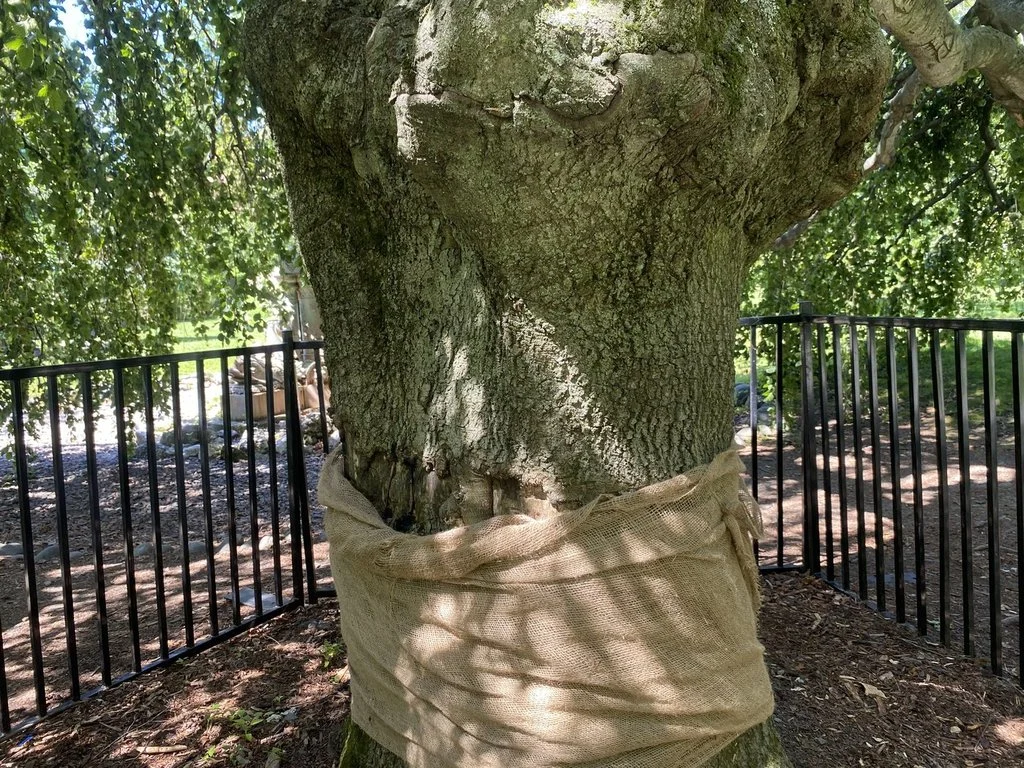
Halifax, N.S. – A cherished European Weeping Beech tree, a majestic sentinel of the Halifax Public Gardens for over two centuries, has once again fallen victim to a devastating act of vandalism, leaving both the community and municipal authorities grappling with profound sadness and urgent questions regarding the future of this irreplaceable living monument. The Halifax Regional Municipality (HRM) confirmed that the venerable tree, which bore the scars of a previous attack in July 2022, was significantly damaged for a second time last weekend, an incident that casts a long shadow over the ongoing efforts to preserve the historic garden’s arboreal treasures.
The recent assault on the over 200-year-old tree occurred sometime between Friday, July 24, and Sunday, July 26, 2026, prompting immediate concern from garden staff and local residents. While the precise nature of the latest damage has not been fully disclosed by authorities pending investigation, the HRM has stated that it is unable to predict how this new trauma will impact the tree’s long-term health and viability, suggesting the severity of the harm. This incident marks a distressing recurrence for a specific specimen that has already undergone extensive rehabilitation after being among approximately 30 trees subjected to a widespread girdling attack just four years prior.
A History of Horticultural Splendor and Previous Trauma
The Halifax Public Gardens, a designated National Historic Site of Canada since 1984, stands as a pristine example of a Victorian Garden, meticulously preserved since its formal opening in 1867. Its lush 16 acres house a remarkable collection of plants, including a diverse array of mature trees, some dating back to the garden’s earliest days. These trees are not merely botanical specimens; they are living testaments to Halifax’s history, providing ecological benefits, aesthetic beauty, and a cherished green space for generations of residents and tourists alike. The European Weeping Beech (Fagus sylvatica ‘Pendula’) is particularly iconic, known for its graceful, cascading branches and impressive longevity, making it a focal point within the gardens.
The initial vandalism incident in July 2022 sent shockwaves through the community. That widespread attack involved the deliberate girdling of around 30 trees, ranging in age from 50 to an astonishing 250 years old. Girdling, a malicious act involving the systematic removal of a strip of bark around the entire circumference of a tree’s trunk, effectively severs the phloem layer responsible for transporting sugars (food) from the leaves to the roots. If the xylem, which transports water and nutrients from the roots, is also compromised, the tree’s demise is hastened. This method is often employed with the explicit intent to kill a tree without the overt act of felling it, making it a particularly insidious form of arboreal destruction.
Following the 2022 incident, the HRM, in collaboration with the "Friends of the Public Gardens" society and a team of specialized arborists, launched an unprecedented conservation effort. Security measures were significantly enhanced, including increased patrols and the consideration of advanced surveillance technology. Arborists employed sophisticated techniques such as bark grafting, bridge grafting, and specialized wound care to try and reconnect the vascular tissues of the damaged trees. These interventions were not only complex but also costly, requiring sustained attention over months and even years. While many trees showed signs of recovery, some were too severely damaged to be saved, leading to their eventual removal – a painful loss for the garden and its admirers. The European Weeping Beech, despite its initial trauma, had been one of the success stories, demonstrating remarkable resilience under the dedicated care of horticulturalists.
The Second Strike: A Renewed Challenge to Resilience

The news of the second attack on the very same European Weeping Beech has reignited the outrage and sorrow that followed the 2022 events. For many, it feels like a targeted assault on a symbol of the garden’s enduring spirit and the community’s collective efforts to heal it. The HRM’s cautious statement regarding the tree’s long-term health underscores the gravity of the situation. A tree that has already undergone the immense stress and physiological struggle of recovering from extensive girdling is inherently more vulnerable. Subsequent damage, even if appearing less severe on the surface, can compound the existing trauma, compromise its healing mechanisms, and make it susceptible to disease, pests, or structural failure.
Arborists explain that while trees possess incredible natural healing abilities, repeated trauma, especially to the trunk, depletes their energy reserves and weakens their overall system. The intricate network of cambium, phloem, and xylem, once compromised, takes immense energy to repair. For a tree over two centuries old, its metabolic rate is slower, and its capacity for rapid regeneration is diminished compared to younger specimens. The previous girdling would have left scar tissue, potentially thinner bark, and areas of reduced vascular flow, making it a prime target for further damage or exacerbating any new injury.
Official Responses and Renewed Security Concerns
In the wake of this latest act, the Halifax Regional Municipality has reaffirmed its commitment to the Public Gardens and its precious collection. Mayor Mike Savage, in a statement released on Monday, July 27, condemned the vandalism as "a senseless act of destruction against a beloved community treasure." He emphasized the historical and ecological significance of the trees within the gardens and called upon the public for any information that could lead to the apprehension of those responsible. "Our Public Gardens are a sanctuary, a place of peace and beauty," Mayor Savage stated. "To see such a deliberate act of harm inflicted upon one of its most venerable residents is heartbreaking and an affront to our shared heritage."
Councillor Waye Mason, whose district includes the Public Gardens, echoed these sentiments, highlighting the ongoing challenges of securing such an expansive, publicly accessible space. "We invested significantly in security enhancements after the 2022 incident, including increased patrols and exploring advanced surveillance," Mason explained. "That this could happen again, especially to the same tree, forces us to re-evaluate our security protocols and consider even more robust measures. We will spare no effort in trying to protect these irreplaceable assets."
The Friends of the Public Gardens, a dedicated volunteer organization, expressed deep disappointment. "We are heartbroken to learn that this magnificent Weeping Beech has been targeted again," said Sarah Thompson, President of the Friends of the Public Gardens. "Our volunteers and arborists worked tirelessly to give this tree a second chance after the 2022 attack. This latest act not only threatens its survival but also demoralizes those who pour their hearts into preserving this national treasure. We urge the community to remain vigilant and report any suspicious activity." The organization has indicated it will be consulting with HRM on potential new fundraising initiatives to support further specialized tree care and enhanced security.
Public Outcry and the Value of Urban Green Spaces
The public reaction has been swift and emotional. Tom Boates, a long-time Haligonian who walks the gardens daily, articulated a common sentiment. "I was absolutely baffled and just profoundly saddened to hear about this," Boates shared, his voice tinged with dismay. "This tree, it’s like an old friend. To think someone would intentionally harm it, not once, but twice, it just makes you wonder about the mindset behind such an act."

Rob and Melinda Shilton, tourists visiting from Calgary, were equally perplexed. "We come here specifically to see these beautiful, old trees," Melinda remarked, gesturing towards the damaged beech. "It’s so peaceful and historic. Who would do this? What possible reason could there be to destroy something so inherently beautiful and valuable to a community?"
The emotional connection the public has to the Public Gardens and its trees underscores the broader impact of such vandalism. Urban trees, particularly mature specimens, contribute significantly to the quality of life in a city. They filter air pollution, mitigate urban heat island effects, manage stormwater, support biodiversity, and provide invaluable aesthetic and psychological benefits. The estimated monetary value of a mature tree can range from tens of thousands to hundreds of thousands of dollars when considering its ecological services, property value enhancement, and amenity benefits over its lifespan. Beyond monetary value, the historical and cultural significance of trees in a landmark like the Halifax Public Gardens is immeasurable. The loss of such a tree is not just a biological void but a tear in the fabric of the community’s heritage.
Broader Implications and a Call for Community Vigilance
This repeated act of vandalism raises serious questions about public space security and the protection of cultural heritage assets. While the Halifax Public Gardens are open to the public for enjoyment, the challenge lies in balancing accessibility with protection against malicious acts. Current security measures, which likely include a combination of staff patrols, public awareness campaigns, and potentially surveillance cameras, may need significant augmentation. Discussions might involve exploring advanced AI-powered surveillance systems capable of detecting unusual activity, increasing lighting in certain areas, or even implementing stricter access controls during off-hours, though the latter would be a contentious move for a beloved public park.
The motivation behind such vandalism remains elusive, making prevention a complex task. Is it random destruction, a targeted attack, or a symptom of broader societal issues? Without clear answers, the community is left to grapple with the inexplicable nature of harming a cherished natural and historical resource.
The incident serves as a stark reminder of the vulnerability of our shared green spaces and the continuous effort required to protect them. It is a call to action for the community to actively participate in the stewardship of the Public Gardens – to be extra eyes and ears, to report suspicious activities, and to foster a collective sense of ownership and responsibility. The survival of the European Weeping Beech, and indeed the overall health of the Halifax Public Gardens, now hinges not only on the expertise of arborists and the dedication of municipal staff but also on the unwavering vigilance and care of the entire community it serves. The coming months will be critical in determining whether this magnificent tree can once again defy the odds and continue its silent watch over Halifax’s enduring history.