admin
admin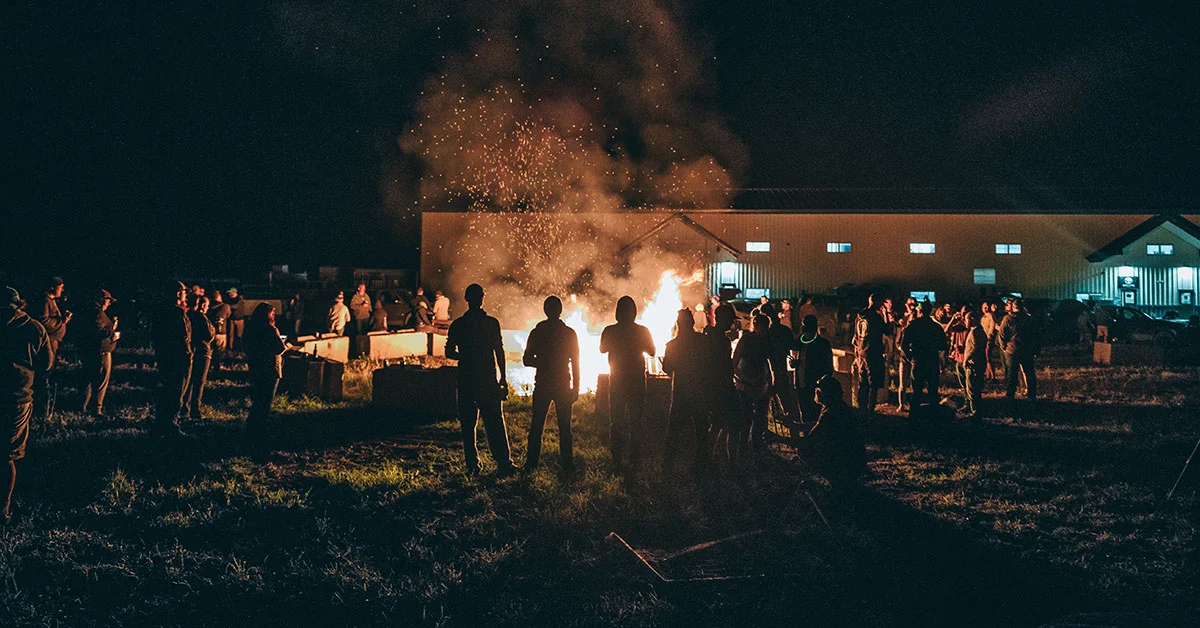
The landscape of the American craft beer industry is undergoing a significant spatial and economic transformation as brewery owners seek to maximize the utility of their physical properties. In Mount Olive, North Carolina, Ryan Roberts, the owner of R&R Brewing, represents a growing cohort of entrepreneurs who have identified a lucrative synergy between the hospitality sector and the outdoor recreation market. Since opening his doors in 2018, Roberts has navigated the complexities of land management, ultimately converting underutilized acreage into a revenue-generating asset through the integration of camping facilities. This strategic shift, catalyzed by the shifting consumer behaviors of the post-pandemic era, marks a departure from the traditional taproom model toward a more holistic, destination-based business strategy.
The evolution of R&R Brewing serves as a microcosm for a broader national trend. Initially, Roberts utilized his property to host food trucks and provide a fenced yard for patrons. However, he observed a recurring inefficiency: while many visitors enjoyed the outdoor space, a significant portion remained outside the brewery itself. Faced with the fixed costs of property taxes and maintenance, Roberts sought a way to increase the "value of the dirt." In late 2020, a partnership with Harvest Hosts—a membership program connecting self-contained RV travelers with private landowners—provided the solution. By investing a nominal $60 in signage and providing flat ground for parking, R&R Brewing tapped into a "captive audience" of travelers who, seeking alternatives to sterile parking lots, began spending an average of $80 per stay on pints and merchandise.
The Economic Context of Brewery Diversification
A decade ago, the craft beer market operated under a "build it and they will come" ethos. Local beer was a novel lure that guaranteed foot traffic. However, as the number of craft breweries in the United States has surged—surpassing 9,500 according to the Brewers Association—the novelty has faded, replaced by intense market saturation. To remain competitive, breweries are forced to innovate beyond the liquid in the glass. The integration of campgrounds represents a shift toward the "experiential economy," where the environment in which the product is consumed is as vital as the product itself.
The financial logic is grounded in the optimization of existing assets. For breweries located in rural or semi-rural areas, land is often the most abundant resource. By converting a portion of this land into a campsite, owners can generate secondary revenue streams without the overhead associated with traditional building expansions. This model leverages the "captive audience" effect: once a traveler parks their RV for the night, the brewery becomes their primary source for dinner, drinks, and entertainment, significantly increasing the average transaction value per customer.
The Pandemic Catalyst and the Camping Boom
The shift toward brewery-based camping was accelerated by the global health crisis of 2020. As indoor gatherings were restricted, the demand for outdoor recreation skyrocketed. Data from the camping platform The Dyrt indicates that the "camping boom" of the pandemic era has had a lasting impact on consumer habits. According to their surveys, 45 percent of campers report bringing beer on their trips, with 37 percent specifically favoring craft beer.
Simultaneously, the traditional camping infrastructure has struggled to keep pace with demand. Securing reservations at national parks and state-run campgrounds has become increasingly difficult, with sites often booking up months in advance. This scarcity has driven travelers toward private land-sharing platforms like Harvest Hosts, Hipcamp, and The Dyrt. Kevin Long, CEO of The Dyrt, notes that breweries are a primary draw in this ecosystem. The value proposition for the consumer is clear: the ability to enjoy high-quality craft beverages and then walk a short distance to their tent or RV eliminates the logistical and safety concerns of driving after consumption.
Case Studies in Geographic Adaptation
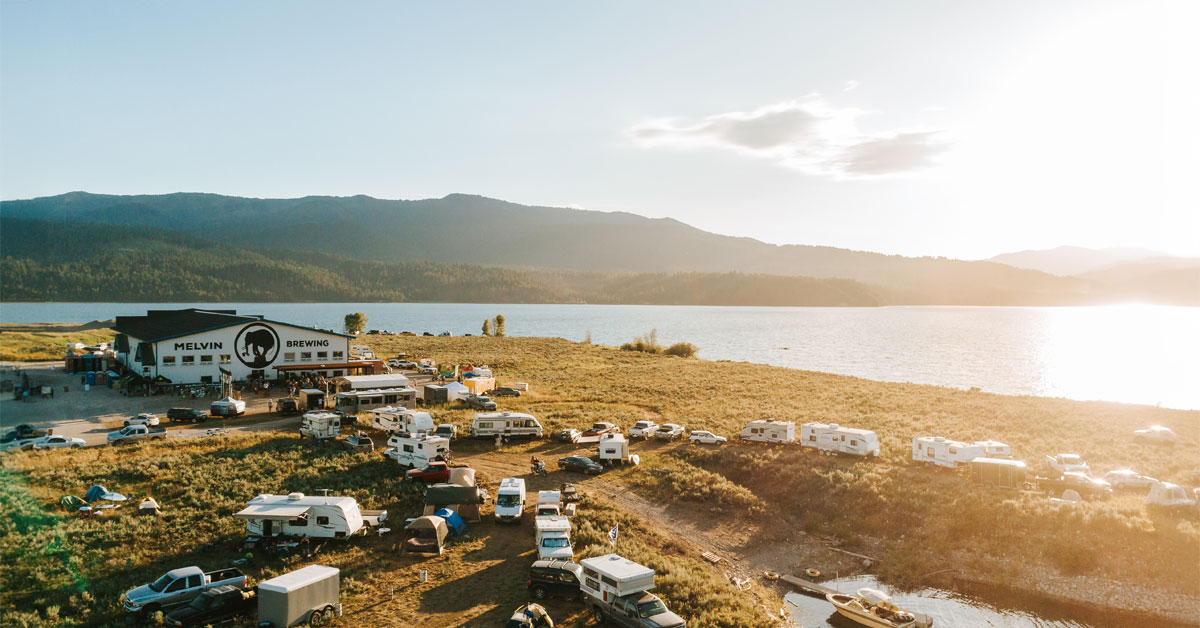
The implementation of the brewery-campground hybrid varies significantly based on geography and local regulations. In Alpine, Wyoming, Melvin Brewing utilizes its proximity to the Palisades Reservoir and Bureau of Land Management (BLM) property to offer a "wild" camping experience. Molly Reilly, vice president of marketing for parent company Pure Madness Group, describes the appeal as "out of bounds" and free. The brewery offers no-frills, dispersed campsites that allow visitors to experience the Wyoming wilderness while remaining within walking distance of the taproom.
In contrast, Golden Grove Farm & Brew in Piedmont, South Carolina, focuses on infrastructure and high-volume traffic. Located near Interstate 85, where an estimated 50,000 vehicles pass daily, the brewery sits on 100 acres. Co-founder Andrew Brown has recognized the potential for growth, currently offering three powered sites with plans to expand to 20. For Brown, the camping model is a hedge against fluctuating taproom traffic; even non-drinking campers contribute to the bottom line through merchandise sales and food purchases.
In Ohio, Doug Olsen has approached the trend from the opposite direction. Rather than adding a campground to a brewery, Olsen purchased the existing Indian Lake Adventures campground in 2023 and integrated Camp Brewing into the facility the following year. This "campground-first" model ensures a built-in customer base. Olsen’s expansion plans include a second location at Adventure Trails in Bellefontaine, where the brewery will use contract brewing to meet the high demand of both locals and transient campers.
Operational Challenges and Regulatory Hurdles
Despite the high return on investment, the integration of camping into a brewery’s business model is not without significant operational hurdles. A brewery and a campground are fundamentally different businesses, requiring distinct staffing expertise, insurance policies, and licensing.
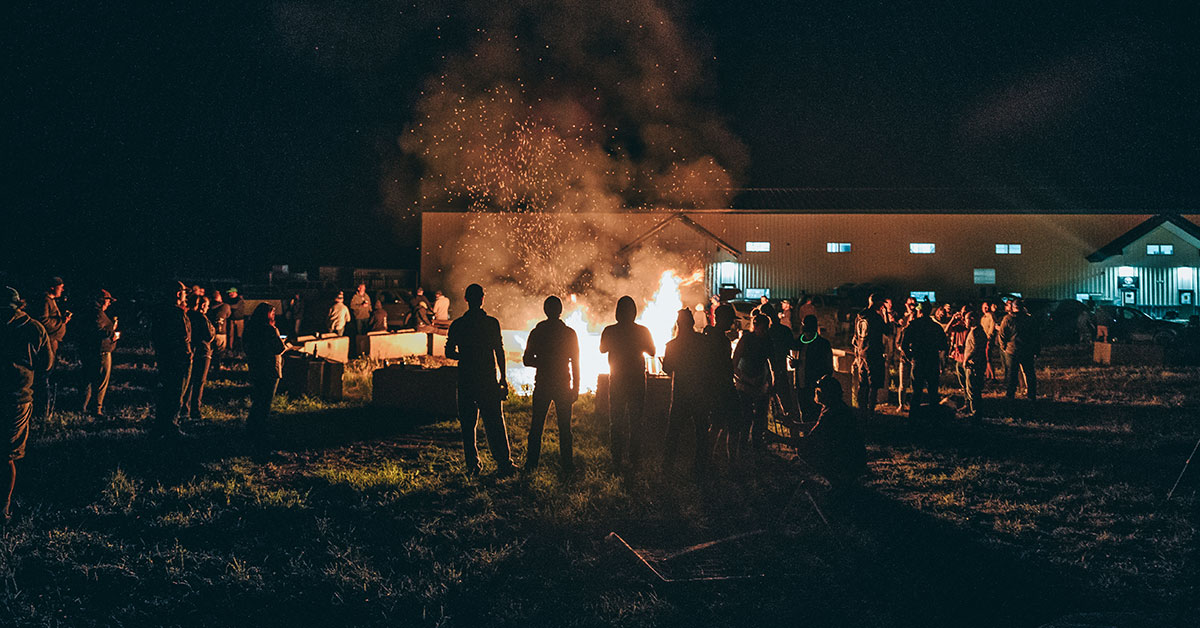
One of the primary challenges involves the navigation of alcohol laws. At Camp Brewing in Ohio, for instance, campers are permitted to bring their own beer to their individual campsites, but they are strictly prohibited from bringing outside beverages into the taproom. To bridge this gap, the brewery offers to-go options, such as growlers or cups of their "Pitch a Tent Pilsner" and "Into the Woods Wheat," which can be legally consumed on the campground property.
Furthermore, the transition from a simple parking area to a fully equipped RV park requires substantial capital investment. Win and Lori Mitchell of Boothbay Craft Brewery in Maine have spent two decades transforming their 10-acre property into a "boutique RV park." This involved tearing down aging cabins and installing 24 full-service RV hook-up sites. Their success is built on a high-end hospitality model that combines luxury camping with a sophisticated kitchen serving local oysters and smoked brisket.
The Role of Festivals and Educational Tourism
The synergy between beer and camping is perhaps most visible during regional beer festivals. Many of these events take place in rural locations with limited hotel capacity and no access to rideshare services. Camping provides a logistical solution that also enhances the "community" aspect of the event.
Brewery Ommegang in Cooperstown, New York, has historically used camping to host its "Belgium Comes to Cooperstown" festival, creating an immersive environment where "bottle shares happen and new friends are found." However, the volatility of this model was highlighted recently when Ommegang was forced to cancel its 2023 festival due to lower-than-projected ticket sales. This serves as a reminder that while the camping-brewery hybrid is a powerful tool, it remains susceptible to broader economic pressures and consumer spending shifts.
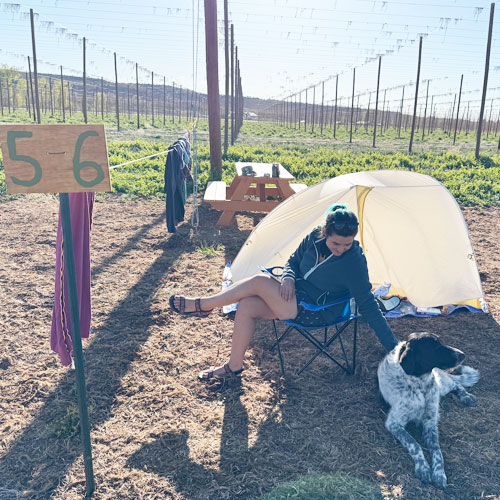
Other venues are using camping as a tool for agricultural education. Billy Goat Hop Farm in Montrose, Colorado, opened the "Down at the Hopyard" campground, allowing visitors to sleep adjacent to the towering trellises of hop bines. Audrey Gehlhausen, the farm’s president, views this as a vital educational opportunity, connecting consumers directly to the raw ingredients of their favorite beverages.
Strategic Implications for the Future
The rise of the "brewery campground" represents a sophisticated evolution of the craft beer industry’s business model. By diversifying into the outdoor recreation market, breweries are doing more than just selling beer; they are building resilient, multi-functional destinations that appeal to a wide demographic of travelers.
The implications for the industry are three-fold:
- Asset Optimization: Breweries are proving that land, when managed strategically, can be as profitable as the brewing equipment itself.
- Customer Loyalty: The "stay and play" model fosters a deeper connection between the brand and the consumer, turning a casual visitor into a long-term advocate.
- Market Resilience: By creating multiple revenue streams—parking fees, merchandise, food, and beer—breweries are better positioned to weather fluctuations in the traditional wholesale and retail markets.
As the lines between the hospitality, agriculture, and outdoor recreation sectors continue to blur, the breweries that successfully integrate these elements will likely lead the next era of craft beer growth. For owners like Ryan Roberts, the transformation of "dirt" into a valuable asset is not just about survival; it is about redefining the role of the local brewery in the modern American landscape.