admin
admin
A quiet revolution is unfolding within the often-turbulent landscape of the restaurant industry, where traditional models of low wages, high turnover, and limited benefits are being challenged by a growing number of forward-thinking establishments. Across the United States, pizzeria owners are demonstrating that investing in employee well-being, competitive compensation, and robust training programs is not merely an act of benevolence but a strategic imperative for long-term success and resilience. This paradigm shift, largely catalyzed by the seismic disruptions of the COVID-19 pandemic and the subsequent labor market recalibration, is reshaping the very definition of a desirable workplace in hospitality.
The Genesis of Change: A Post-Pandemic Imperative
For decades, the restaurant industry has been characterized by notoriously high employee turnover rates, often hovering around 75% annually even before the pandemic, according to industry reports. Factors contributing to this churn included demanding hours, often erratic schedules, limited opportunities for advancement, and a pervasive lack of comprehensive benefits. The onset of the COVID-19 pandemic in early 2020 exacerbated these underlying issues, forcing mass layoffs and unprecedented closures. As businesses slowly reopened, they encountered a dramatically altered labor market. The "Great Resignation" saw millions of workers re-evaluating their career paths and prioritizing better pay, improved benefits, and greater work-life balance. For the hospitality sector, this meant a severe labor shortage, compelling many operators to rethink their foundational employee strategies.
Marvin Kinney, owner of R Town Pizza in Reno, Nevada, represents this transformative spirit. Having spent three decades in kitchens without access to basic health insurance or a retirement savings account, Kinney’s personal experience fueled his resolve to "do things differently" when he launched R Town Pizza. "I didn’t have health insurance until I turned 44," Kinney recounted to Pizza Today, "And I had to build the damn company to do it." His journey underscores a critical point: many long-term industry professionals have endured significant personal sacrifices due to the traditional lack of employer-provided safety nets. Kinney’s commitment to change stems from a deep understanding of this vulnerability.
R Town Pizza: A Blueprint for Comprehensive Employee Benefits
At R Town Pizza, the commitment to employee welfare is evident in its comprehensive benefits package. Employees working more than 32 hours per week are eligible for employer-sponsored health, dental, and vision insurance. Furthermore, after a 90-day probationary period, staff are automatically enrolled in a 401(k) program, featuring immediate vesting and a 4% company match. Kinney strategically designed the 401(k) as an opt-in system, stating, "It’s an automatic opt-in, so you have to opt out of it." This approach subtly encourages participation, recognizing that many employees, particularly those new to formal retirement planning, might otherwise overlook such an opportunity.
This level of benefits is a substantial financial undertaking for a small business. Kinney acknowledges the rising costs, noting a 14% increase in insurance premiums last year and rumors of another 20% climb this year. Despite these pressures, his commitment remains unwavering. He weighed the option of offering substantial raises for employees to purchase their own insurance but concluded that the direct provision of benefits was essential for those with critical needs, including his own child working at the pizzeria. This decision highlights a broader understanding that a direct benefit package, especially health insurance, offers a level of security and peace of mind that a simple wage increase might not fully replicate, particularly for individuals with pre-existing conditions or dependents.
Beyond benefits, R Town Pizza has also set a new standard for compensation. While the minimum hourly wage in Reno is $12, Kinney starts all employees at a base of $15 per hour. Additionally, a transparent tip pool ensures that staff evenly divide tips, translating to an extra $7-$12 per hour. This combined wage structure often pushes total hourly earnings significantly above the local minimum, making R Town Pizza a highly attractive employer. Raises are merit-based, incentivizing performance and growth within the company. This model not only attracts talent but also fosters a sense of fairness and opportunity, directly counteracting the "culture of burnout and addiction" Kinney believes has plagued much of the restaurant industry. His recent expansion, Dough Cheese Sauce, a New York-style takeout pizzeria, further solidifies his vision, with a manager from R Town Pizza not only relocating to open the new venture but also investing in the business – a testament to the trust and belief in Kinney’s employee-centric philosophy.
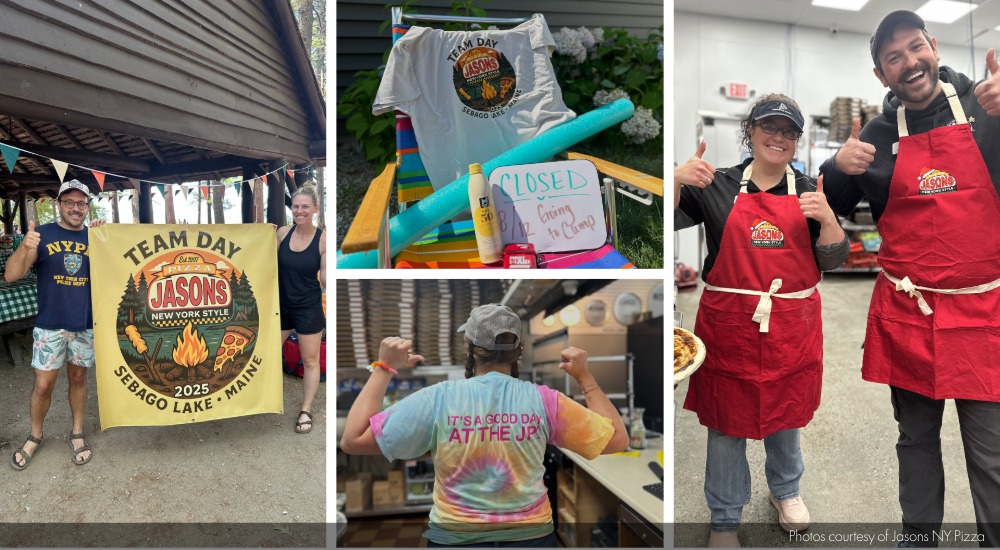
Jasons NY Pizza: Cultivating Loyalty Through Structure and Care
In Bangor, Maine, Jasons NY Pizza, a family-owned business operating since 1997 with five shops, underwent a profound period of introspection during the pandemic. Zachary Black, the Chief Experience Officer, described how the business, which had dwindled to just 10 employees across two stores by 2020, was forced to confront uncomfortable truths. "We always thought we were a good place to work, but were we? Because people could make more money [with COVID-era unemployment benefits] as opposed to staying with us and working," Black candidly admitted. This self-reflection led to a pivotal strategic shift: recognizing that their business was "completely dependent on our employees."
This realization spurred a commitment to "come back stronger" by investing significantly in their workforce. Their priorities aligned with the emerging demands of the post-pandemic labor market: competitive pay, clear paths for advancement, emphasis on work-life balance, consistent recognition, and comprehensive training. Maine’s minimum wage is $15.25 per hour, but Jasons NY Pizza boasts an average employee pay of nearly $21 per hour. Beyond the competitive base wage, the company implemented a transparent pay structure, allowing employees to understand precisely what kind of raises to expect, when they might occur, and the criteria for qualifying. Most raises range from 3% to 7%, providing a clear trajectory for financial growth. This transparency is crucial, as Black notes, "How do you look forward as an employee if you don’t know that you could make more at this job? … We need these people to be here for years."
Jasons NY Pizza also champions work-life balance, a rarity in the demanding restaurant sector. Managers are encouraged to cap their hours at 42 per week, a policy designed to prevent burnout and acknowledge their lives outside of work. "They’ve got families and things to do outside of work," Black emphasized. This policy, combined with competitive pay, has been instrumental in fostering a healthier, more sustainable work environment. Moreover, all employees, from part-time hourly staff to full-time managers, are eligible for paid vacation time, with accrual increasing with longevity. This inclusive approach to benefits sends a powerful message about valuing every team member’s contribution and personal well-being.
The Power of Recognition and Community
Employee recognition is another cornerstone of Jasons NY Pizza’s strategy for retention. Annually, all Jasons NY Pizza locations close completely for a company-wide party, an event designed to celebrate the team and acknowledge individual contributions. This year, the company hosted a lobster bake at a state park. Black reflected on past attempts where parties were held after work hours, noting, "People have been at work all day. They’re covered in pizza sauce and flour, and they want to go home and shower." The new policy of closing the stores completely has significantly boosted attendance and morale, allowing employees to fully relax and enjoy the recognition without the stress of work.
During these gatherings, store managers present employees who have been with the company for at least two years with customized clothing and pins commemorating their years of service. Last year, zip-up sweatshirts with embroidered names were gifted to long-tenured staff. Employees receive updated pins each year, proudly displaying their longevity. "It matters because it’s a conversation starter," Black explained. "People like recognition, they like being thanked. It goes a long way." This consistent, visible recognition fosters a strong sense of belonging, appreciation, and community, reinforcing the idea that employees are valued assets, not just cogs in a machine.
Red Top Pizza: Structuring Success Through Clear Expectations and Cross-Training
In Royersford, Pennsylvania, Red Top Pizza by Penny’s, owned by Jennifer Boehmer, focuses on building foundational skills and fostering responsibility, particularly for its younger workforce. Many teenagers gain their first professional experiences at this carry-out and delivery-only shop. Boehmer prioritizes a smooth transition into the workplace by meticulously outlining duties and expectations for every role. She implements "key result areas" – printed documents delivered to employees and posted around the pizzeria – that detail responsibilities. For instance, the counter position’s document specifies tasks related to customer interaction, order accuracy, quality control, and workspace maintenance. Crucially, it doesn’t just list tasks (e.g., "sanitize surfaces and equipment regularly") but also defines "what winning looks like" (e.g., "The counter area is always clean, stocked and organized, leaving a positive impression on customers and supporting smooth service").

This structured approach has earned Red Top Pizza a reputation in the community for developing responsible, well-trained workers who understand their roles, how to manage downtime, and how to operate as a cohesive team during peak hours. Boehmer notes the practical benefits: "If you see somebody’s busy and are not sure how to help, you can always grab their list." Her overarching goal is to "help develop them as a good, respectable employee, no matter where they go," equipping them with transferable skills that will serve them throughout their careers.
A cornerstone of Boehmer’s operational philosophy is comprehensive cross-training. Once new employees master their primary tasks, they are systematically trained on different roles within the pizzeria. This means a delivery driver might also know how to wash dishes, fold boxes, or sweep the floor. This not only enhances operational flexibility, ensuring smooth operations even during unexpected call-outs, but also empowers employees by broadening their skill sets. For example, counter employees trained in pizza-making can more effectively answer customer questions about ingredients or preparation. Boehmer’s preferred training method involves showing a task, then having the employee repeat it, acknowledging that "There are so many different ways people learn." The success of this system is exemplified by her full-time manager, who began working at the shop at age 14 and is now 30, a testament to the growth opportunities and stable environment Red Top Pizza provides. Even for long-time employees, checklists for opening and closing every station are mandatory, a policy Boehmer defended by stating, "Not everybody’s been here forever," ensuring consistency and ease of onboarding for new hires.
Broader Implications: A Shifting Industry Landscape
The innovative approaches adopted by R Town Pizza, Jasons NY Pizza, and Red Top Pizza are more than isolated success stories; they represent a burgeoning trend driven by economic necessity and evolving labor dynamics. Industry data consistently shows that businesses with lower turnover rates benefit from reduced recruitment and training costs, increased productivity, better customer service, and a stronger brand reputation. The investment in higher wages and comprehensive benefits, while seemingly a significant upfront cost, often yields substantial returns in employee loyalty and operational efficiency. For instance, studies by organizations like the Economic Policy Institute have linked higher minimum wages to lower employee turnover and increased worker morale, even in the competitive restaurant sector.
Moreover, these practices contribute to a more positive public image. Consumers are increasingly discerning, often preferring to support businesses that demonstrate ethical labor practices. This can translate into increased customer loyalty and patronage, creating a virtuous cycle where employee investment indirectly boosts revenue. The "industry admiration" Kinney receives from other local chefs seeking advice on his benefits model underscores the growing recognition that such practices are not just idealistic but pragmatic and, indeed, achievable.
The commitment to practical benefits, fair compensation, and structured career development, as championed by these pizzerias, is not merely about individual business success. It’s about laying the groundwork for a more sustainable and humane restaurant industry overall. Marvin Kinney’s hope that his employees will carry these improved standards to future jobs or even into their own businesses encapsulates the long-term vision: fostering a new generation of leaders who prioritize their people. This shift signals a departure from the historical model of viewing restaurant work as merely transitional employment towards recognizing it as a viable, respected, and rewarding career path, capable of supporting a decent livelihood and fostering professional growth. As the industry continues to navigate a complex economic and social landscape, these pioneering pizzerias offer compelling evidence that investing in people is the most potent ingredient for lasting success.
KATE LAVIN is Senior Editor at Pizza Today.