admin
admin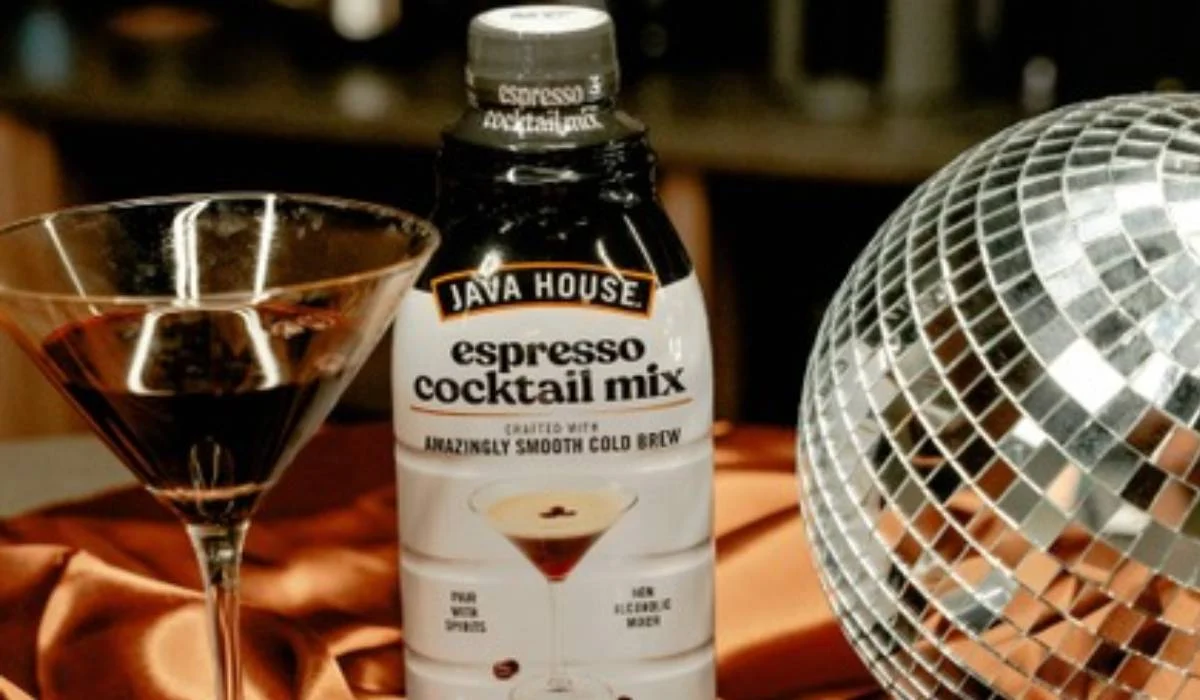
In a move designed to address the surging popularity of coffee-based cocktails while streamlining high-volume bar operations, Heartland Away From Home has officially announced the launch of the Java House Espresso Martini Mix. This new offering utilizes the brand’s signature cold brew coffee technology to provide a premium, ready-to-use base for the espresso martini, which has recently been identified as the fastest-growing cocktail in the United States. According to May 2026 data from industry analytics firm Datassential, the espresso martini continues to outpace other classic and contemporary cocktails in menu penetration and consumer interest, creating a significant opportunity for hospitality operators to capitalize on a high-margin beverage category.
The introduction of the Java House Espresso Martini Mix comes at a critical juncture for the food and beverage industry. As bars and restaurants face ongoing challenges related to labor costs and the need for operational efficiency, the demand for high-quality, pre-made solutions has intensified. The Java House product aims to bridge the gap between artisanal quality and speed of service, ensuring that bartenders can deliver a consistent, professional-grade cocktail without the time-consuming process of brewing fresh espresso for every order.
The Evolution of the Espresso Martini and Market Trends
The espresso martini has undergone a dramatic renaissance over the last several years. Originally created in London during the 1980s by bartender Dick Bradsell, the drink—a combination of vodka, espresso, coffee liqueur, and sugar—fell out of favor during the early 2000s before making a massive comeback in the post-pandemic era. By 2024 and 2025, it had become a staple of American nightlife, frequently cited as the "new Red Bull Vodka" but with a more sophisticated, culinary-focused appeal.
By May 2026, Datassential confirmed that the espresso martini was no longer just a trend but a dominant force in the spirits industry. The growth is attributed to a "perfect storm" of consumer preferences: a desire for caffeine-fueled social energy, a nostalgia for 90s culture, and an increasing appreciation for premium coffee profiles. However, for many establishments, the traditional method of preparation is a logistical hurdle. Pulling a fresh shot of espresso for a single cocktail takes time, requires expensive machinery that may not be located behind the bar, and often results in a drink that is too warm, diluting the ice and affecting the texture of the "crema" foam.
Java House’s solution utilizes cold brew coffee rather than traditional hot-brewed espresso. The cold brew process, which involves steeping coffee grounds in cool water for extended periods (typically 12 to 24 hours), results in a smoother, less acidic flavor profile. This natural sweetness and low bitterness make it an ideal companion for spirits like vodka and tequila, providing a balanced foundation that requires less added sugar.
Operational Impact and Economic Benefits for Operators
For restaurant and bar owners, the primary value proposition of the Java House Espresso Martini Mix lies in its impact on the bottom line. Efficiency in the "well"—the area where a bartender prepares drinks—is directly correlated with revenue during peak hours. A traditional espresso martini can take anywhere from three to five minutes to prepare, accounting for the time to grind beans, tamp, pull the shot, and then wait for the liquid to be cool enough to shake without melting the ice.
By contrast, the Java House mix allows for a "pour-and-shake" workflow. By eliminating the brewing step, service times can be reduced by as much as 75%. This speed allows establishments to turn over tables faster and serve more guests during happy hour and late-night rushes. Furthermore, the use of a pre-made mix ensures brand consistency across multiple locations and different shifts. Whether a drink is ordered at 5:00 PM on a Tuesday or 11:00 PM on a Saturday, the flavor profile remains identical, reducing the likelihood of drink sends-backs and wasted inventory.
Heartland Away From Home, the parent division responsible for the product’s distribution, has emphasized that the mix is crafted with "amazingly smooth cold brew coffee," highlighting a commitment to ingredient quality that mirrors the "premiumization" trend currently sweeping the beverage industry. In an era where consumers are increasingly discerning about the source and quality of their coffee, using a reputable brand like Java House provides an additional layer of trust and perceived value.

Chronology of Product Development and Launch
The path to the July 2026 launch of the Espresso Martini Mix began several years ago as Java House established itself as a leader in the cold brew space.
- 2019-2021: Java House expands its retail presence, introducing cold brew concentrates and ready-to-drink (RTD) bottles to the consumer market.
- 2022-2023: Recognizing the shift in the hospitality sector, Heartland Food Products Group (owners of Java House and Splenda) began investing heavily in the "Away From Home" channel, tailoring products specifically for foodservice environments.
- 2024-2025: The "Espresso Martini Summer" hits its peak. Heartland researchers begin developing a shelf-stable, high-concentration coffee base specifically formulated for mixology, focusing on maintaining the frothy head (crema) that consumers expect from the drink.
- Early 2026: Beta testing occurs in select high-volume venues in major markets like Chicago, New York, and Los Angeles. Feedback focuses on the balance of sweetness and the ability of the mix to stand up to various spirits.
- May 2026: Datassential releases its annual cocktail report, officially naming the espresso martini the fastest-growing cocktail in the U.S., providing the data-driven validation needed for a full-scale commercial launch.
- July 17, 2026: The official launch is announced, accompanied by a nationwide sampling program through the Heartland Away From Home portal.
Strategic Implications for the Hospitality Industry
The launch of this mix reflects a broader trend in the hospitality industry toward "speed-scratch" solutions. As seen in other recent industry developments—such as Red Gold’s launch of Spicy Jalapeño Ketchup packets or the expansion of specialized concepts like Rock N Roll Sushi—operators are looking for ways to offer "swicy" (sweet and spicy) or complex flavors without increasing back-of-house complexity.
The espresso martini’s growth is also driving innovation in other categories. For instance, the "Carajillo"—a Mexican cocktail made with Licor 43 and espresso—is following a similar growth trajectory. By providing a high-quality cold brew base, Java House is positioning itself to be the primary supplier for an entire family of coffee-based cocktails, not just the namesake martini.
Industry analysts suggest that the "premiumization" of mixers is a response to the rising cost of spirits. When consumers are paying $15 to $25 for a cocktail, their expectations for the non-alcoholic components are significantly higher. A generic coffee syrup is no longer sufficient; the modern consumer demands the nuanced notes of specialty coffee.
Official Responses and Sampling Opportunities
While Heartland has not released a formal transcript of executive remarks, the marketing strategy surrounding the launch focuses heavily on "less stress on bartenders." This human-centric approach acknowledges the current labor crisis in the hospitality sector, where finding and training skilled bartenders remains a significant challenge. By simplifying the most complex drink on the menu, Java House is positioning itself as a partner in operational wellness.
To facilitate adoption, Heartland Away From Home has initiated an aggressive sampling campaign. Foodservice operators, beverage directors, and restaurant owners are being encouraged to request free samples via the company’s dedicated portal. This "try-before-you-buy" model is intended to demonstrate the product’s quality in real-world bar environments, where the ability to create a thick, lasting foam through a simple shake is the ultimate test of an espresso martini mix.
Broader Impact and Future Outlook
The success of the Java House Espresso Martini Mix will likely trigger further innovation in the caffeinated cocktail space. As the boundaries between coffee shops and bars continue to blur—a trend often referred to as "day-to-night" hospitality—products that function well in both environments will become increasingly valuable.
Furthermore, the environmental impact of such products is worth noting. Traditional espresso machines are energy-intensive and produce significant organic waste. Cold brew concentrates, when managed correctly, can reduce the carbon footprint of a beverage program by minimizing the water and energy required for on-site brewing, while also reducing the amount of coffee grounds that end up in the trash.
As we look toward the remainder of 2026 and into 2027, the espresso martini shows no signs of slowing down. With the support of specialized products like the Java House Espresso Martini Mix, the drink is expected to move beyond high-end cocktail bars and into stadiums, airports, and casual dining chains—locations where the demand for quality is high but the logistical capacity for traditional espresso service is limited. This democratization of the premium cocktail experience represents the next phase of the American beverage revolution, driven by a combination of consumer taste, data-backed insights, and manufacturing innovation.