admin
admin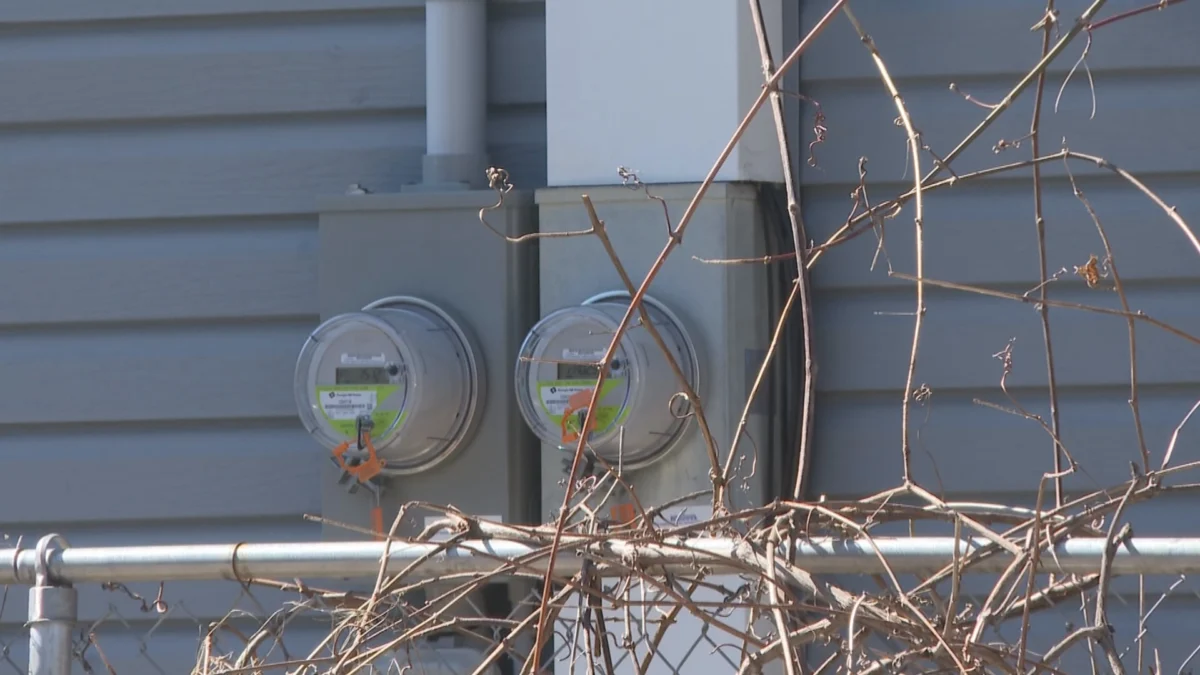
Nova Scotia Power (NSP) has announced its decision to resume charging late fees on outstanding balances starting October of this year, a policy change that marks a significant shift following a disruptive cyberattack in April 2025. This move comes after an extended period where late fees were suspended due to the widespread billing irregularities and customer data compromise caused by the sophisticated ransomware incident. The utility’s announcement has reignited public debate about consumer protection, energy affordability, and the long-term repercussions of the security breach that affected nearly 280,000 customers across the province.
The Shadow of the Cyberattack: A Detailed Retrospective
The ransomware attack in April 2025 plunged Nova Scotia Power into an unprecedented operational crisis, severely impacting its billing infrastructure and compromising a vast trove of sensitive customer information. The breach exposed personal data, including financial details and Social Insurance Numbers (SINs), for a significant portion of the utility’s customer base. The sheer scale of the compromise—affecting approximately 280,000 households and businesses, representing over half of NSP’s total customer base—triggered widespread alarm and immediate calls for robust security enhancements and accountability. Experts quickly pointed to the incident as a critical example of the growing vulnerability of essential infrastructure to cyber warfare and organized digital crime.
In the immediate aftermath, the utility grappled with profound disruptions to its smart meter connectivity and billing systems. Customers reported receiving inaccurate bills, delayed statements, or no bills at all, creating a chaotic environment where clarity on outstanding balances became elusive. The technical complexities of restoring secure data flows and verifying billing accuracy proved to be a formidable challenge. Recognizing the untenable situation and the immense stress placed on its customers, Nova Scotia Power made the decision to temporarily suspend late fees. This measure was intended to alleviate financial pressure on households already contending with the uncertainty surrounding their accounts and the broader implications of having their personal data exposed.
Chris Lanteigne, Nova Scotia Power’s customer care director, articulated the company’s rationale at the time, stating that waiving late fees on outstanding balances was deemed "the right thing to do" given the pervasive billing concerns. The utility acknowledged that its systems were not operating normally, making it unjust to penalize customers for payment delays that stemmed directly from the company’s compromised infrastructure. This period of suspended fees lasted for over a year, reflecting the protracted nature of the recovery efforts and the depth of the system’s compromise.
The timeline of recovery has been gradual and meticulously managed. According to Lanteigne, meters were progressively reconnected and re-verified, with the first standardized bills being issued as early as December following the attack. Over the subsequent four months, the utility claims to have observed a return to "normal operations," signaling a restoration of confidence in its billing accuracy and system integrity. This phased return to normalcy, culminating in a stable billing cycle over the past four months, forms the bedrock of NSP’s current decision to reintroduce late fees. The utility emphasizes that late fees will only apply to new outstanding balances incurred from October 1st onwards, ensuring that customers are not retroactively penalized for issues stemming from the cyberattack period or the subsequent billing disruptions. This distinction is crucial for maintaining a degree of fairness, according to NSP officials.
The incident also drew the immediate attention of provincial leadership, with Premier Tim Houston publicly calling for a comprehensive investigation into Nova Scotia Power’s handling of the cyberattack. This governmental scrutiny underscored the severity of the breach and the broader public interest in ensuring the reliability and security of essential services. The call for investigation highlighted concerns not only about the immediate impact on customers but also about the preparedness and resilience of critical infrastructure providers against increasingly sophisticated cyber threats. The Premier’s office indicated a strong interest in understanding the preventative measures in place, the speed of response, and the long-term strategies for safeguarding provincial utilities.

Nova Scotia Power’s Stance and Customer Support Initiatives
With the stated return to operational normalcy, Nova Scotia Power is now moving to re-establish its standard billing practices, including the application of late fees. Chris Lanteigne reiterated the utility’s confidence in its restored systems, asserting that billing accuracy is no longer a concern and that the smart meter network is functioning reliably. He emphasized the extensive work undertaken by NSP’s technical teams to fortify cybersecurity defenses and ensure the integrity of customer data moving forward.
However, the prolonged period of disruption has left a tangible mark on customer payment habits and financial standings. Currently, approximately nine percent of Nova Scotia Power customers are behind on their payments. This figure represents a significant increase, nearly double the pre-cyberattack delinquency rate, which typically hovered around 4.5 to 5 percent. This spike underscores the financial strain many households have experienced, exacerbated by the billing chaos and potentially compounded by broader economic pressures such as inflation and rising living costs. The utility acknowledges this challenge and has emphasized the availability of robust support mechanisms for those struggling to catch up.
Lanteigne stressed the importance of proactive communication from customers facing payment difficulties. "It is very important to acknowledge that if customers have been behind on their bills, there is support available," he stated. Nova Scotia Power is offering interest-free payment plans for outstanding balances, extending up to 24 months. This initiative aims to provide a structured pathway for customers to manage their arrears without incurring additional interest charges, serving as a crucial safety net for those most affected by the prolonged billing issues. The utility actively encourages customers to contact their customer care department to explore these options, rather than allowing balances to accumulate further. These plans are designed to be flexible, taking into account individual financial circumstances.
The reintroduction of late fees, despite the accompanying support programs, signifies a delicate balancing act for Nova Scotia Power. On one hand, the utility aims to restore financial discipline and ensure timely payments necessary for its operational stability and investment in infrastructure, including ongoing cybersecurity enhancements. Late fees, typically around 1.5% to 2% per month or a fixed charge, serve as an incentive for prompt payment and help recover administrative costs associated with overdue accounts. On the other hand, it must navigate a customer base that has endured a major data breach, billing confusion, and now faces renewed financial penalties in a challenging economic climate, all while attempting to rebuild trust.
Public Outcry and Concerns Over Affordability
The announcement regarding the resumption of late fees has been met with significant public backlash and frustration across Nova Scotia. Many residents view the decision as an additional burden on households already struggling with the rising cost of living and the lingering effects of the cyberattack. The sentiment on the ground reflects a deep-seated apprehension about the affordability of essential services and the timing of NSP’s policy shift.
Hannah Zilke, a local resident, articulated a common concern, stating, "This is just another unaffordable cost for a lot of households that unfortunately put a burden that’s maybe not affordable on people." Her comments highlight the perception that the utility is adding to the financial woes of its customers rather than offering continued relief or more innovative solutions. She further suggested that "there should be other ways to manage that cost," indicating a desire for alternative approaches to payment enforcement that do not involve punitive fees, especially in light of the utility’s recent operational failures.
Another resident, Nancy Smith, expressed even stronger disapproval, labeling Nova Scotia Power as "greedy." Her frustration encapsulates the broader public sentiment regarding the utility’s monopolistic position and its perceived lack of empathy for its customers’ financial struggles. "It’s just Nova Scotia Power being greedy, you know. And unfortunately, they’re the only game in town as far as power utilities," Smith remarked, underscoring the lack of consumer choice and the perceived unchecked power of the sole electricity provider in the province. This sentiment is particularly potent in a regulated monopoly environment where customers have no alternative providers to switch to, making them vulnerable to policy changes that impact their household budgets directly.

These reactions are not isolated incidents but reflect a broader pattern of public dissatisfaction with utility costs and policies in Nova Scotia. The provincial economy, like much of Canada, has faced persistent inflationary pressures in recent years, leading to increased expenses for housing, food, and other necessities. Average household disposable income has struggled to keep pace with these rising costs. Against this backdrop, any additional charge, no matter how small, is often perceived as an undue burden, especially when it comes from an essential service provider that recently experienced a major operational failure. Consumer advocacy groups have consistently highlighted the cumulative impact of various fees and charges on household budgets, particularly for those on fixed or low incomes.
Addressing Energy Poverty: A Systemic Challenge and New Initiatives
Beyond the immediate concerns about late fees, the discussion has broadened to the pervasive issue of energy poverty in Nova Scotia. The province holds the unenviable distinction of having the highest rate of energy poverty in Canada, a stark reality where a significant portion of household income (often exceeding 6-10%) is consumed by energy costs, leaving little for other essential needs such as food, healthcare, or housing. This makes any increase in utility expenses, including late fees, particularly impactful on vulnerable populations and underscores a systemic challenge that requires multi-faceted solutions.
In response to these systemic challenges and the current financial difficulties faced by customers, Nova Scotia Power announced the establishment of a new community energy fund. This fund, totaling half a million dollars, is designed to support organizations that assist customers in need, particularly those struggling with energy costs. The utility plans to implement a matching program, encouraging other organizations, non-profits, and government bodies to contribute, thereby amplifying the fund’s reach and impact. The goal is to create a collaborative approach to alleviating energy poverty at the community level.
Chris Benjamin, co-chair of the Affordable Energy Coalition, weighed in on this development. While acknowledging the community energy fund as a "good investment" and a step in the right direction, he expressed profound disappointment regarding the reintroduction of late fees. Benjamin’s perspective highlights the inherent tension between corporate financial recovery and social responsibility, particularly in the context of an essential service provider operating under a regulated profit model.
"So it will impact people. And that is my first thought. It’s unfortunate that we even have such a thing as late fees or that we punish people for situations that they really have no control over," Benjamin stated. His remarks point to a fundamental critique of a system that penalizes individuals for circumstances often beyond their control, such as low income, unexpected expenses, or, in this specific case, the fallout from a utility’s own operational failures. He further lamented the existence of such penalties, viewing them as a symptom of a flawed system where a corporation providing an essential service is guaranteed a certain profit rate. "I lament and I regret the fact that they even charge penalties… that’s an example of a corporation providing an essential service and where they have to make a certain a guaranteed profit rate. So that’s the flaw in that system." Benjamin argues that such a model prioritizes corporate earnings over the fundamental right to affordable essential services.
Benjamin’s analysis extends to a call for broader governmental intervention to address energy poverty comprehensively. He argues that while corporate initiatives like the energy fund are welcome, they are insufficient to tackle a problem of this magnitude. "Government action is really warranted here. Energy poverty is a persistent and crisis-level problem in this province, and government needs to act on that with investment and support for the people who really need it," he asserted. This perspective emphasizes that energy affordability is not merely a utility’s responsibility but a societal issue requiring legislative solutions, targeted investments in energy efficiency programs for low-income households, and robust social support programs to protect vulnerable citizens. He highlighted examples from other jurisdictions where policies like winter moratoriums on disconnections or energy bill caps for low-income households have been implemented.
Broader Implications: Trust, Regulation, and Future Resilience
The reintroduction of late fees by Nova Scotia Power carries broader implications beyond individual household budgets. It touches upon issues of customer trust, regulatory oversight, and the future resilience of critical infrastructure.

Erosion of Customer Trust: The cyberattack severely eroded public trust in NSP’s ability to protect sensitive data and provide reliable service. While the utility has worked diligently to restore its systems and enhance security, the quick return to charging late fees, particularly when a significant portion of customers remains in arrears due to the initial disruption, risks further alienating the public. This could lead to a deeper sense of mistrust and resentment, making future public engagement and acceptance of utility policies more challenging. Trust, once broken, is difficult to fully restore, and this decision could be perceived as prioritizing profit over people, especially given the context of a cyber-induced crisis.
Regulatory Scrutiny and Oversight: The Nova Scotia Utility and Review Board (NSUARB) is the provincial regulator responsible for overseeing utility rates and service standards. While the decision to waive or reinstate late fees may fall within NSP’s operational purview, the context of a major cyberattack and heightened customer delinquency could prompt closer scrutiny from the NSUARB. Questions might arise about the adequacy of NSP’s recovery efforts, the fairness of reintroducing fees given the circumstances, and the effectiveness of the proposed support programs. The Premier’s earlier call for an investigation suggests that regulatory bodies and government officials are already attuned to public concerns and may initiate reviews to ensure consumer interests are adequately protected. The NSUARB’s role is critical in balancing the financial health of the utility with the affordability for consumers.
Economic Context and Social Equity: Nova Scotia’s economic landscape, characterized by rising inflation, stagnant wage growth for many, and persistent cost-of-living challenges, amplifies the impact of such utility decisions. For many low-income households, seniors, and those on fixed incomes, even small penalties can create a cascading effect, leading to deeper debt, credit score damage, and increased financial instability. The debate around late fees intersects with broader discussions about social equity and the responsibility of essential service providers to consider the socio-economic context in which they operate. The utility’s guaranteed profit model, as highlighted by Chris Benjamin, often clashes with the imperative to ensure equitable access to basic services and prevent further marginalization of vulnerable populations.
Cybersecurity Preparedness and Investment: The April 2025 cyberattack served as a stark reminder of the vulnerabilities of critical infrastructure to digital threats. While NSP has reportedly restored its systems and invested in strengthening its defenses, the incident underscores the ongoing need for continuous, substantial investment in cybersecurity measures, robust incident response plans, and transparent communication with the public. Future utility policies, including financial ones, will likely be viewed through the lens of how well the company has learned from and mitigated the risks exposed by the breach. The cost of such security upgrades is often passed on to consumers, further complicating the affordability equation.
In conclusion, Nova Scotia Power’s decision to reinstate late fees marks a significant turning point in the aftermath of its April 2025 cyberattack. While the utility asserts a return to operational normalcy and offers payment support programs, the move has ignited widespread public frustration and deepened concerns about energy affordability in a province already grappling with high rates of energy poverty. The debate extends beyond mere late fees, touching upon fundamental questions of corporate responsibility, consumer protection, and the urgent need for government action to address systemic issues within the energy sector. The coming months will undoubtedly test Nova Scotia Power’s ability to balance its financial imperatives with its social obligations to a populace still recovering from the dual shocks of a data breach and persistent economic strain, all under the watchful eyes of regulators and an increasingly critical public.