admin
admin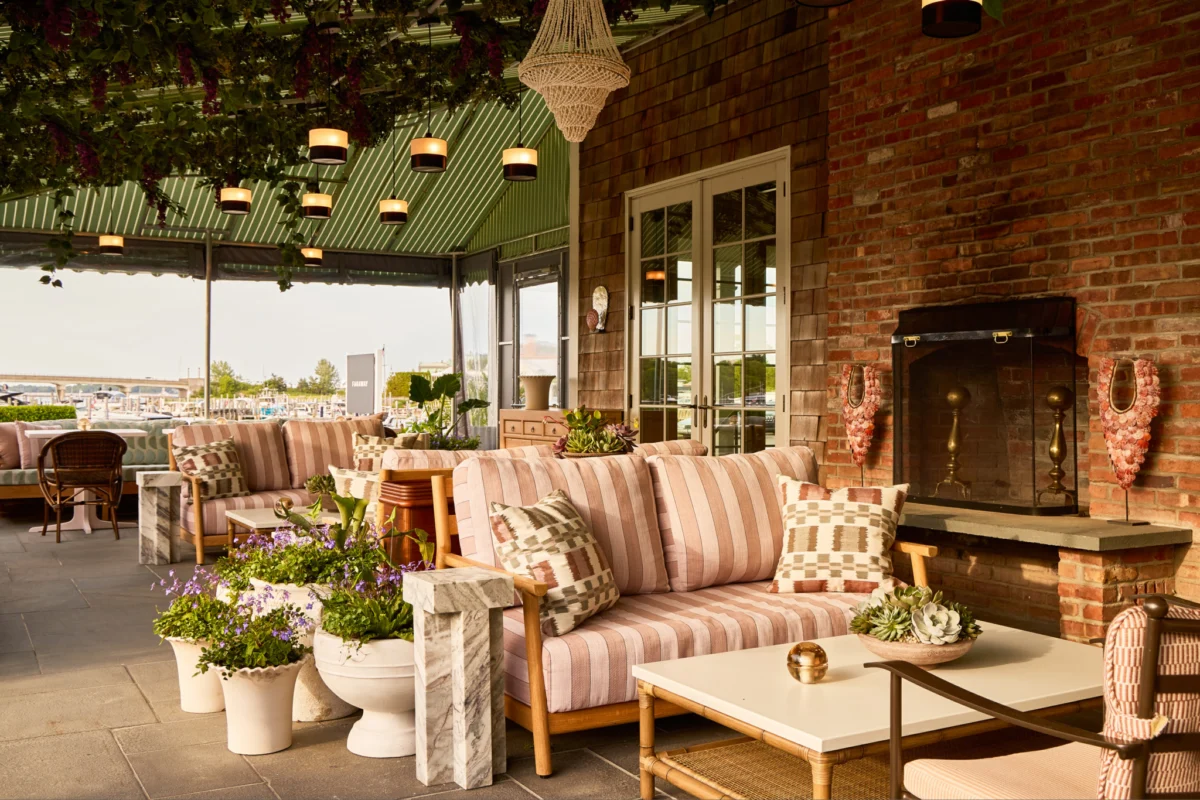
The village of Sag Harbor has officially welcomed its newest landmark in luxury hospitality with the opening of Faraway Sag Harbor, a 67-room boutique hotel that represents a significant transformation of the former Baron’s Cove property. Developed by Blue Flag, a real estate firm known for its curated approach to high-end hospitality, the hotel marks the first New York expansion for the Faraway brand, which has already established a notable presence in Nantucket and Martha’s Vineyard. This opening signals a strategic shift in the Hamptons lodging market, moving away from traditional, often predictable nautical themes toward a more nuanced and layered design philosophy referred to as “Oceanic Revival.”
The project is the result of a collaborative effort between Blue Flag and Jenny Bukovec Studio, a firm tasked with weaving the village’s rich whaling and maritime history into a contemporary guest experience. Situated directly on the waterfront, Faraway Sag Harbor aims to serve as a bridge between the village’s industrial past and its current status as a premier destination for global travelers seeking understated elegance. By repurposing an existing structure with deep roots in the community, the developers have managed to preserve the scale of the neighborhood while introducing a sophisticated aesthetic that challenges the conventional "shingle-style" tropes common in Eastern Long Island.
The Evolution of a Waterfront Landmark: From Baron’s Cove to Faraway
The site at West Water Street has long been a focal point of Sag Harbor’s social and economic life. Historically, the property operated as Baron’s Cove, a well-known destination that catered to the influx of seasonal visitors and local boating enthusiasts. When Blue Flag acquired the property, the objective was not merely to renovate but to completely redefine the identity of the space. The transition reflects a broader trend in the hospitality industry where travelers prioritize "sense of place" and historical depth over standardized luxury.
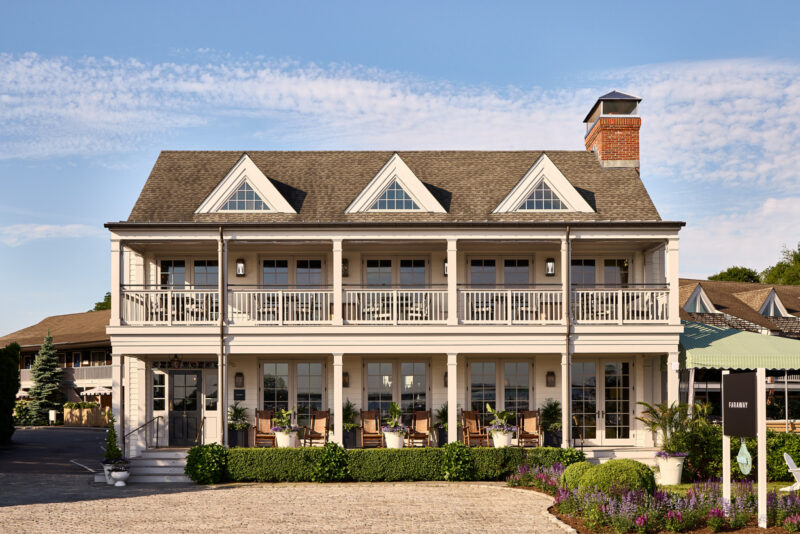
The acquisition and subsequent redevelopment took place during a period of intense interest in the Hamptons real estate market. As Sag Harbor continues to evolve from a quiet fishing village into a year-round cultural hub, the demand for sophisticated lodging has outpaced supply. Faraway Sag Harbor addresses this gap by offering a mix of guest rooms, lofts, and suites that accommodate both short-term weekenders and extended-stay guests. The renovation process involved a meticulous overhaul of the exterior facade and interior layouts to optimize harbor views and enhance the flow between indoor and outdoor common areas.
Design Philosophy: The Oceanic Revival Concept
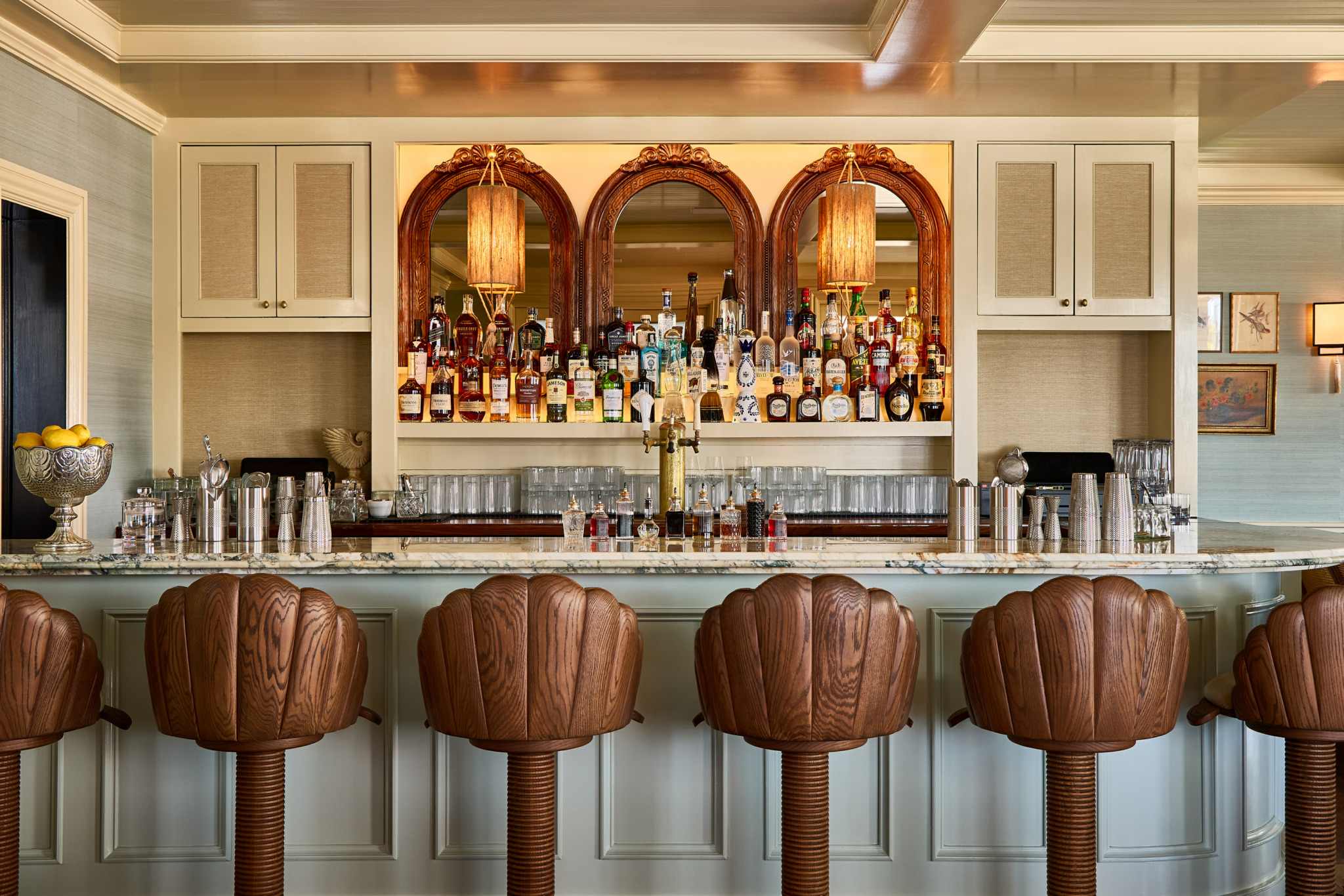
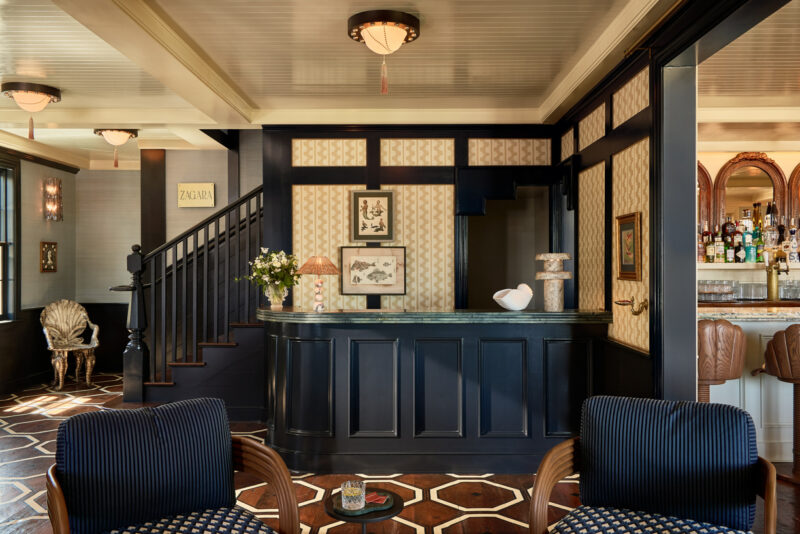
At the heart of the property’s transformation is the "Oceanic Revival" design concept developed by Jenny Bukovec. Rather than relying on literal maritime references—such as anchors, ropes, or navy-and-white stripes—the design team sought to evoke the essence of the harbor through texture, light, and materiality. The goal was to create an environment that feels "collected" over time, suggesting a residence rather than a commercial hotel.
The interiors utilize a palette of sea-toned colors, ranging from muted teals and soft ceruleans to pearlescent whites and sandy neutrals. Custom furnishings are paired with textured materials like rattan, reclaimed wood, and iridescent Venetian plaster. Throughout the property, subtle shell-inspired details and nautical artifacts serve as quiet nods to the village’s whaling heritage. This approach allows the design to remain grounded in local history while maintaining a sleek, modern sensibility.
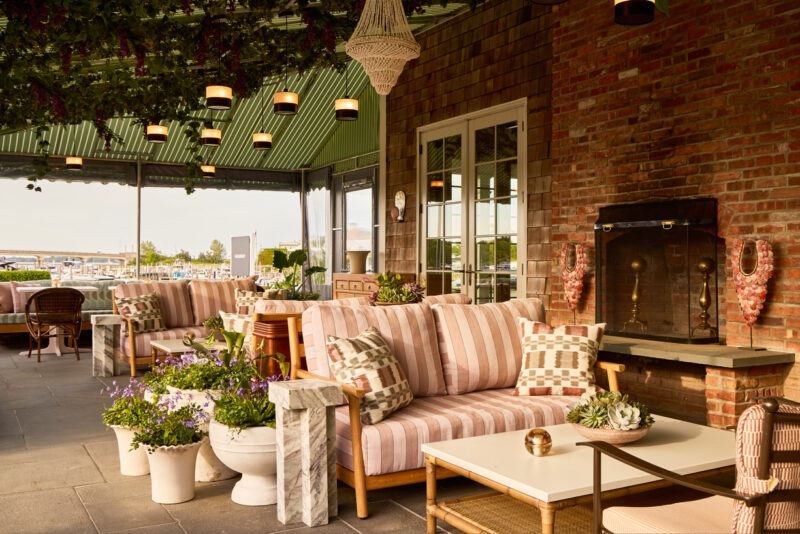
The common areas, including the lobby and the covered porch, are designed to encourage social interaction and "discovery," a core pillar of the Faraway brand. By incorporating diverse seating arrangements and curated decorative objects, the hotel creates a series of "micro-environments" that allow guests to find both community and privacy. The outdoor patio, featuring a brick fireplace and views of the marina, serves as a transition zone between the hotel’s refined interiors and the rugged beauty of the waterfront.
Culinary Integration: Zagara and the Mediterranean Influence
A central component of the Faraway Sag Harbor experience is its signature restaurant, Zagara. Led by Executive Chef Jarad McCarroll, Zagara draws inspiration from the Amalfi Coast, blending Mediterranean culinary traditions with locally sourced ingredients from the North and South Forks of Long Island. The decision to introduce an Italian-inspired concept in a historically American whaling village might seem counterintuitive, but it aligns with the hotel’s broader theme of "transportive" luxury.
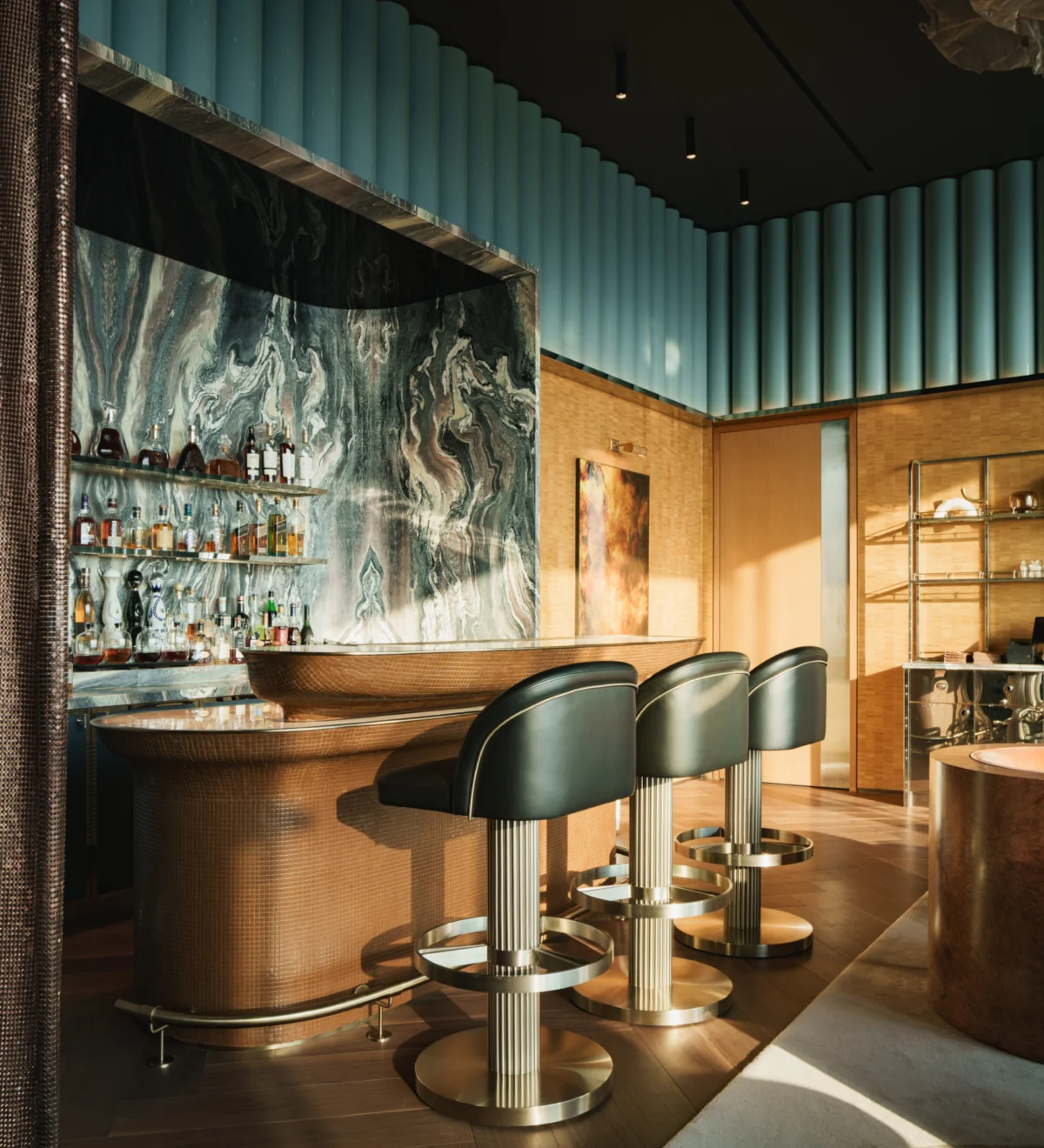
The restaurant’s design mirrors the hotel’s aesthetic but introduces specific elements that enhance the dining atmosphere. Pearlescent wood beams overhead and cerulean pinstriped walls create a light, airy environment during the day, which transforms into an intimate, glowy space by night, anchored by an iridescent Venetian plaster fireplace. Antique mirrors are strategically placed to reflect the movement of the water outside, ensuring that the harbor remains a constant presence for diners.
Chef McCarroll’s menu focuses on simplicity and quality, featuring fresh seafood, handmade pastas, and seasonal produce. This culinary direction caters to a sophisticated demographic that values authenticity and health-conscious options. By positioning Zagara as a destination for both hotel guests and local residents, Blue Flag aims to integrate the property into the year-round fabric of the Sag Harbor community.
Strategic Market Positioning and Economic Impact
The opening of Faraway Sag Harbor comes at a time when the Hamptons hospitality sector is undergoing a significant transformation. Traditionally dominated by small bed-and-breakfasts or large, legacy resorts, the region is seeing a surge in "design-forward" boutique hotels that target a younger, affluent demographic. Data from regional tourism boards indicates that modern travelers are increasingly seeking properties that offer high-level amenities—such as concierge services, high-end dining, and curated interiors—within a boutique setting.
The economic impact of the project extends beyond the hotel’s walls. By revitalizing a prime waterfront location, Faraway Sag Harbor contributes to the overall desirability of the village as a destination. The proximity of the hotel to Main Street—a historic corridor filled with independent boutiques, galleries, and theaters—ensures that guest spending is distributed throughout the local economy. Furthermore, the creation of jobs in hospitality, management, and culinary arts provides a boost to the local workforce.
Industry analysts suggest that the "Faraway" model—which focuses on historic coastal towns like Nantucket and Martha’s Vineyard—is particularly well-suited for Sag Harbor. These locations share a common DNA: they are former industrial ports that have transitioned into high-end summer retreats while maintaining a strong sense of community and architectural integrity.
Sag Harbor’s Historical Context as a Design Catalyst
To understand the significance of Faraway Sag Harbor, one must look at the history of the village itself. Settled in the early 18th century, Sag Harbor was once a major global port, second only to New York City in its importance to the American shipping industry. It was the first port of entry to the United States and became a center for the whaling industry in the mid-19th century. This history is reflected in the village’s diverse architecture, which includes Federal, Greek Revival, and Victorian styles.
The "Oceanic Revival" at Faraway pays homage to this period without being a museum piece. The use of maritime artifacts and shell motifs is a direct link to the "curiosity cabinets" that 19th-century sailors would bring back from their voyages. By blending these historical echoes with contemporary comfort, the hotel honors the spirit of Sag Harbor as a place of transit, commerce, and discovery. This narrative-driven approach to hospitality is a hallmark of the Blue Flag portfolio, which seeks to tell a story through every property it develops.
Broader Implications for Hamptons Hospitality
The successful launch of Faraway Sag Harbor is likely to influence future developments in the Hamptons. As the region grapples with issues of over-tourism and environmental preservation, the "reimagining" of existing properties like Baron’s Cove offers a sustainable path forward. Instead of new construction on undeveloped land, the revitalization of historic sites allows for modernization while respecting the existing urban and natural landscape.
Furthermore, the move toward "year-round" hospitality is a key trend highlighted by the hotel’s amenities. Features like the outdoor fireplace, the cozy lobby bar, and the indoor-outdoor dining at Zagara are designed to appeal to visitors during the "shoulder seasons" of autumn and spring, as well as the quiet winter months. This shift helps stabilize the local economy, which has traditionally been highly dependent on the three months between Memorial Day and Labor Day.
Conclusion
Faraway Sag Harbor stands as a testament to the evolving nature of luxury travel in the 21st century. It is a property that respects its past while firmly looking toward the future, offering a sophisticated alternative to the traditional Hamptons experience. Through the lens of "Oceanic Revival," Jenny Bukovec Studio and Blue Flag have created a space that is both a tribute to Sag Harbor’s maritime soul and a modern retreat for the discerning traveler. As the hotel begins its first full season of operation, it is poised to become a central pillar of the village’s cultural and social landscape, balancing local heritage with an international sense of style.