admin
admin
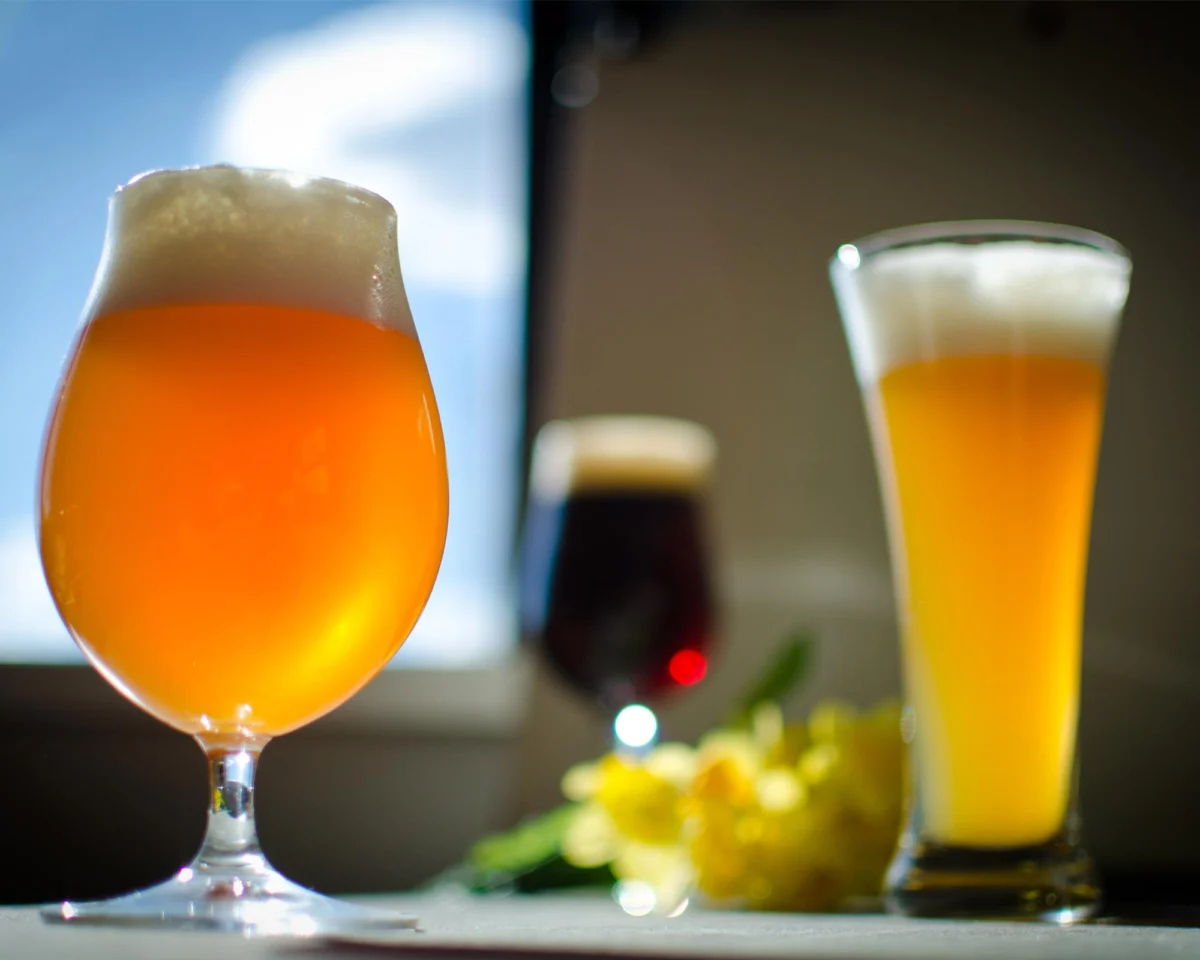
When DankHouse Brewing received an invitation to pour at the prestigious Juicy Brews IPA festival in early 2020, co-founder Josh Lange faced a logistical and creative crisis that would eventually become a legendary anecdote within the Ohio craft beer scene. The Newark-based brewery, which Lange opened in 2017 alongside his wife, Heather, had gained a following for "Banana Peel’d," a hazy IPA brewed with banana purée. However, as the festival date in Pittsburgh approached, the couple found the flavor profile of the latest batch lacking the necessary intensity.
The timeline for a solution was tight. Bulk aseptic banana purée, the industry standard for commercial brewing, could not be sourced and shipped in time for the event. The Langes experimented with blending store-bought bananas, but the fruit’s rapid oxidation resulted in an unappealing brown tint that compromised the beer’s visual integrity. Dried banana chips similarly failed to provide the concentrated aromatic punch required for a high-profile festival. The solution came from an unlikely source: a realization that the high-quality purées used by the industry shared a near-identical composition with Gerber banana baby food.
In the days leading up to the festival, the Langes visited nearly every grocery store in the Newark and Columbus areas, clearing shelves of baby food jars. This culminated in a "scooping party" at the brewery to fortify the IPA. At the festival, DankHouse found themselves positioned near The Alchemist, the Vermont brewery famous for Heady Topper, the definitive American Double IPA. The juxtaposition of a world-renowned classic being poured next to a "banana baby food IPA" highlighted the experimental, often irreverent nature of modern craft brewing, yet it also underscored a serious technical challenge: the pursuit of the perfect banana profile.
The Regulatory Shift: Bananas as a Traditional Ingredient
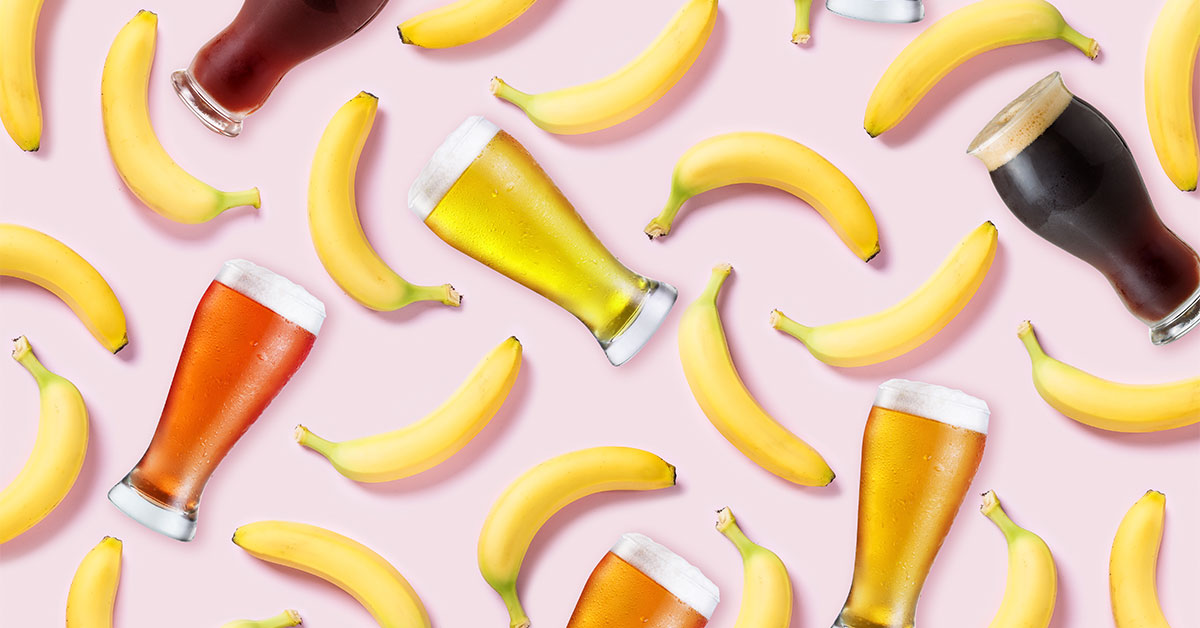
For years, the use of bananas in American brewing was hampered by federal bureaucracy. Until late 2023, the Alcohol and Tobacco Tax and Trade Bureau (TTB) did not classify bananas as a "traditional" brewing ingredient, unlike malted grains, hops, or water. This classification meant that any brewery wishing to use bananas was required to submit a formula exemption request—a process that involved paperwork, waiting periods, and administrative hurdles that could delay production schedules for months.
In a significant move for the industry, the TTB expanded its list of exempt ingredients in late 2023, finally recognizing bananas, along with several other fruits and spices, as standard brewing adjuncts. This regulatory easing arrived at a time when consumer demand for fruit-forward profiles—ranging from traditional German styles to "pastry stouts" that mimic desserts—had reached an all-time high. The shift allows brewers to pivot more quickly to market trends, fostering a new era of experimentation with a fruit that was once considered a niche or difficult additive.
The Science of Scent: Isoamyl Acetate and the Gros Michel Legacy
To understand why brewers are obsessed with banana flavors, one must look at the biochemistry of fermentation and the history of global fruit commerce. The primary compound responsible for banana flavor is isoamyl acetate, a fruity ester produced by yeast during fermentation. In the early 20th century, the dominant banana cultivar in the global market was the Gros Michel, or "Big Mike." This variety was rich in isoamyl acetate, providing a potent, creamy flavor that defined the public’s perception of what a banana should taste like.
However, in the 1950s, a fungal outbreak known as Panama disease decimated Gros Michel plantations, leading to the adoption of the Cavendish banana as the new global standard. The Cavendish is more resistant to disease but contains significantly lower levels of isoamyl acetate. This historical shift created a sensory disconnect: artificial banana flavorings, such as those found in Runts or Laffy Taffy candies, were modeled after the Gros Michel. Consequently, when modern consumers encounter a high-ester beer, they often describe it as tasting like "fake" banana, when in fact, it is closer to the original fruit profile that dominated the market a century ago.
Mastering the Hefeweizen: The Art of Yeast Stress
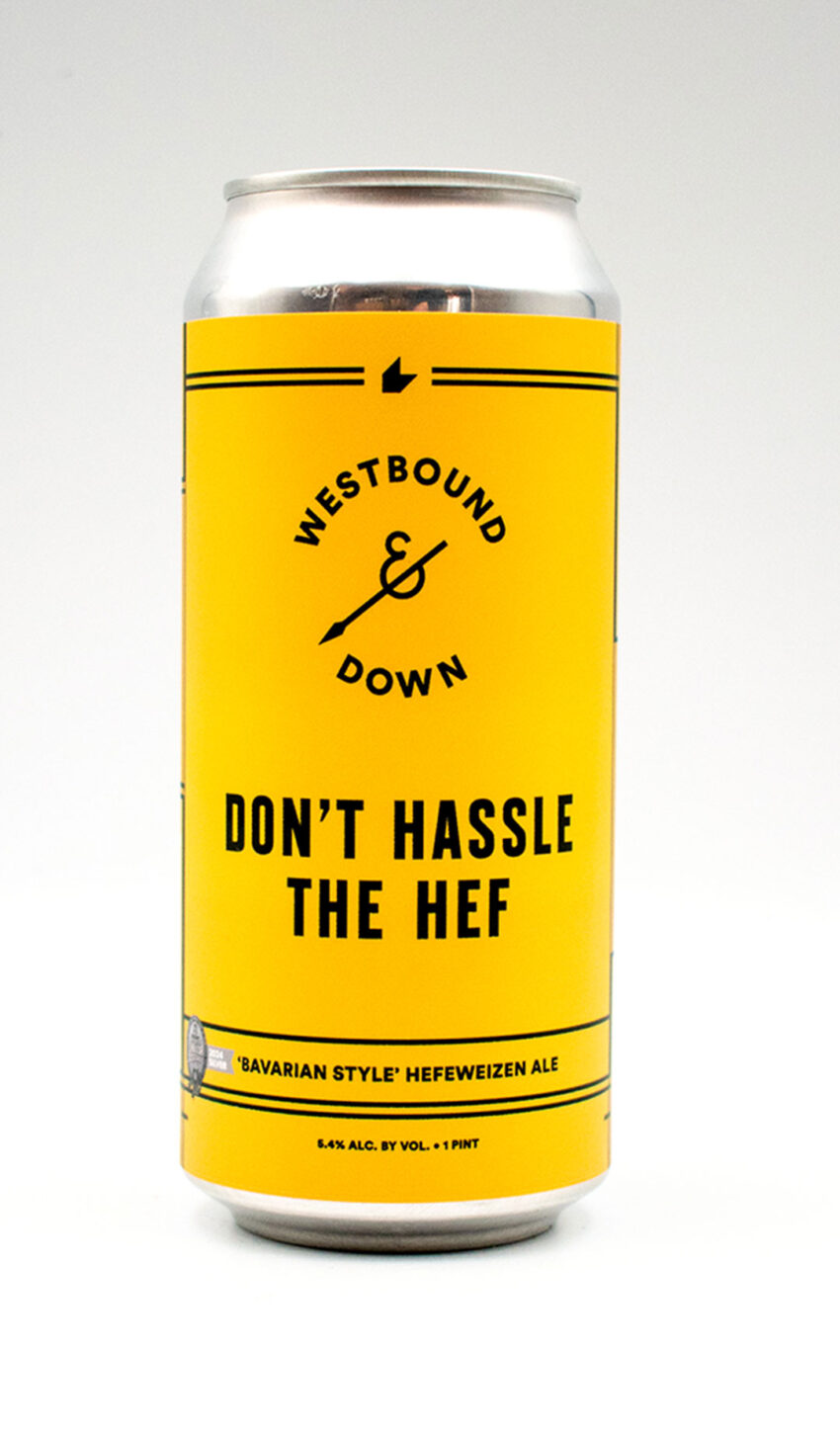
While many modern brewers add physical fruit to their beer, the most traditional expression of banana flavor comes entirely from yeast. The German hefeweizen is the gold standard for this approach. Derek Goodman, head brewer at Colorado’s Westbound & Down Brewing, notes that achieving the perfect balance in a hefeweizen is one of the most difficult tasks in professional brewing. His "Don’t Hassle the Hef," which secured a silver medal at the 2024 Great American Beer Festival, relies on sophisticated fermentation management rather than fruit additions.
To coax the yeast into producing high levels of isoamyl acetate, Goodman employs a technique known as "underpitching." By providing only about one-third of the recommended amount of yeast and minimizing oxygen levels in the wort, the brewer creates a high-stress environment. The yeast cells, sensing a lack of resources, enter a period of rapid, "greedy" reproduction. This metabolic stress triggers the production of the fruity esters that define the style.
This trend is reflected in the broader supply chain. Jeff Mello, founder of Nashville-based yeast suppliers Bootleg Biology and Spot Yeast, reports that hefeweizen yeast has become his second-best-selling strain, trailing only the yeast used for hazy IPAs. This resurgence suggests a return to classic styles, even as brewers continue to push the boundaries of experimental fruit additions.
The High-Stakes World of Pastry Stouts and Dried Thai Bananas
As the "pastry stout" movement—beers designed to taste like liquid desserts—gained momentum in the late 2010s, brewers sought ways to incorporate banana flavors that could stand up to heavy malts, high alcohol content, and adjuncts like cocoa nibs and vanilla. While purées are effective for adding body and sweetness, they can introduce stability issues. Larry Horwitz, director of brewing operations at Delaware’s Crooked Hammock Brewery, explains the "Cheetos dilemma": yeast will always choose to consume simple sugars from fruit over more complex malt sugars. If fruit is added too early, the yeast may "shut down," leading to incomplete fermentation and off-flavors.
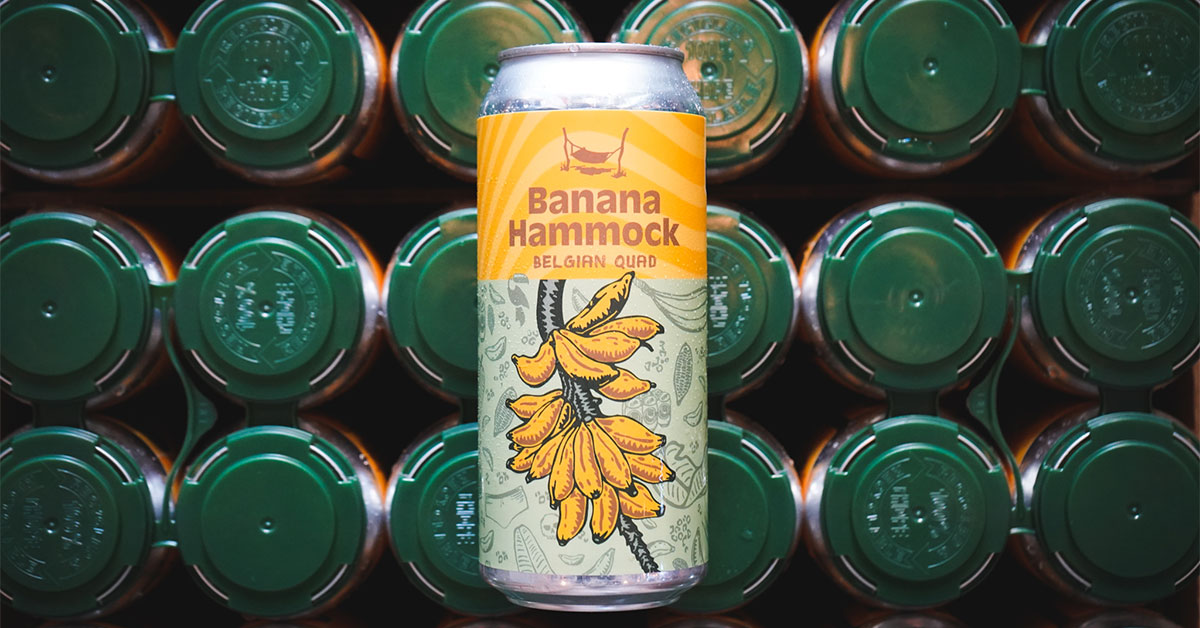
To solve this, many high-end breweries have turned to an exotic and expensive ingredient: the wild Thai banana. Unlike the standard Cavendish, these small, dried bananas from Southeast Asia offer a highly concentrated, caramelized flavor without the water content of a purée. Rodrick Markus, CEO of Chicago-based Rare Tea Cellar, began importing these bananas over a decade ago, primarily for the culinary market. However, by 2019, they became a "must-have" for elite breweries like Other Half, Evil Twin, and The Veil.
The use of these bananas is a significant financial investment. Matt Tarpey, co-founder of The Veil Brewing in Richmond, Virginia, notes that to achieve a truly impactful flavor in a barrel-aged imperial stout, a brewery might use more than 10 pounds of dried Thai bananas per barrel. With prices hovering around $50 per pound—compounded by a 35% tariff on Thai imports—the cost of the fruit alone can exceed $500 per barrel. For breweries, these beers are often "labors of love" rather than high-margin products, intended to showcase technical prowess and satisfy a dedicated collector market.
Broader Impact and Industry Implications
The diversification of banana-use cases in brewing reflects a broader maturation of the craft beer industry. What began as a desperate scramble for baby food in a Newark grocery store has evolved into a sophisticated global supply chain involving specialty yeast labs and international fruit importers. The TTB’s recent regulatory changes further validate this evolution, acknowledging that fruit is no longer an "adjunct" in the eyes of the consumer, but a core component of the modern beer palate.
As breweries continue to navigate rising costs and shifting consumer preferences, the banana remains a versatile tool. Whether through the controlled stress of a traditional German yeast strain or the extravagant addition of imported dried fruit, the "appeal" of the banana lies in its ability to bridge the gap between nostalgia and innovation. For the industry, the humble fruit has become a symbol of the creative resilience required to stand out in an increasingly crowded marketplace. The success of breweries like DankHouse and Westbound & Down proves that whether the source is a boutique importer or a grocery store shelf, the goal remains the same: a perfect, fragrant pour that defies expectations.