admin
admin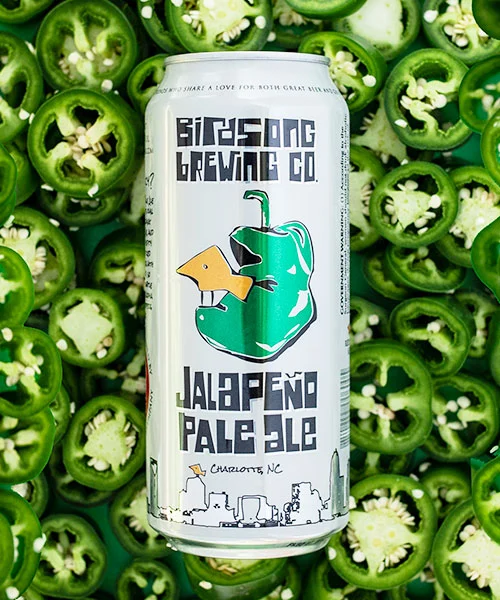
The craft beer industry has long been defined by its willingness to push the boundaries of flavor, transitioning from the hop-heavy revolutions of the early 2000s to the recent dominance of hazy IPAs and pastry stouts. However, a specialized niche has steadily carved out a permanent space on taproom menus across the United States: the spicy beer. Once dismissed as a mere gimmick or a "dare" for drinkers, chili-infused ales and lagers are now recognized as a sophisticated sub-category that requires a masterly balance of heat, malt, and acidity. While beer has traditionally served as a cooling agent for spicy cuisine, a growing number of brewers are choosing to integrate heat directly into the glass, creating a maximalist sensory experience that challenges the palate while offering a radical alternative to the prevailing trends of sweetness and fruit-forward profiles.
The Science of Heat and Hops: A Technical Overview
To understand the rise of spicy beer, one must first examine the chemical interaction between capsaicin—the active component of chili peppers—and the ingredients inherent in beer. Capsaicin is a hydrophobic, fat-soluble molecule. While milk is often cited as the primary antidote to a spicy burn due to its fat content and the presence of casein, the carbonation and alcohol content of beer offer a different physiological response. Carbonation provides a mechanical scrubbing action on the tongue, while high Alcohol by Volume (ABV) levels can actually amplify the perception of heat, as ethanol lowers the threshold at which the body’s TRPV1 heat receptors are activated.
For brewers, the challenge lies in the "flex" of restraint. The objective is rarely to create an undrinkable level of heat but rather to allow the vegetal, smoky, or fruity characteristics of the pepper to shine through. In modern brewing, this is achieved through various methods: steeping fresh chiles in the whirlpool, adding powdered peppers during fermentation, or even aging beer in foeders to build a complex acidic backbone that cuts through the spice. According to the Brewers Association, "Chili Beer" is now a distinct competitive category, separate from "Herb and Spice Beer," highlighting the industry’s recognition of peppers as a primary flavoring agent.
Chronology of Innovation: From Brooklyn to Malibu
The timeline of spicy beer’s evolution can be traced through several key regional developments and brewery milestones. While "chili beer" has existed in various forms since the late 20th century—most notably the Cave Creek Chili Beer of the 1990s—the current movement focuses on integration and culinary pairing rather than shock value.
2010–2013: The Foundation of Regional Favorites
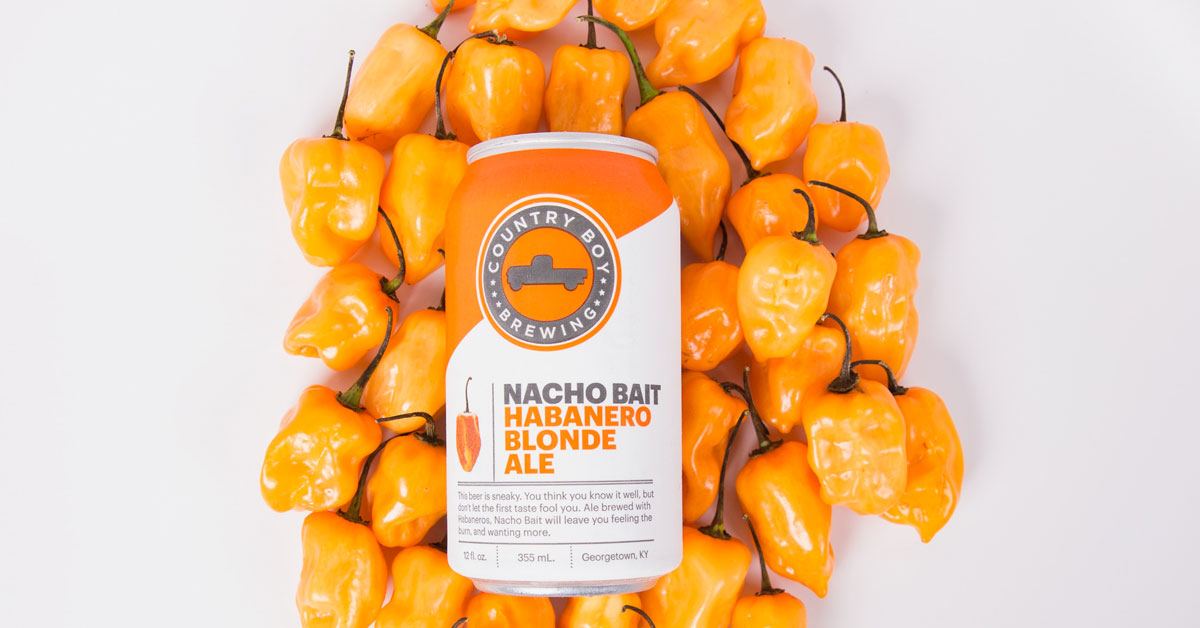
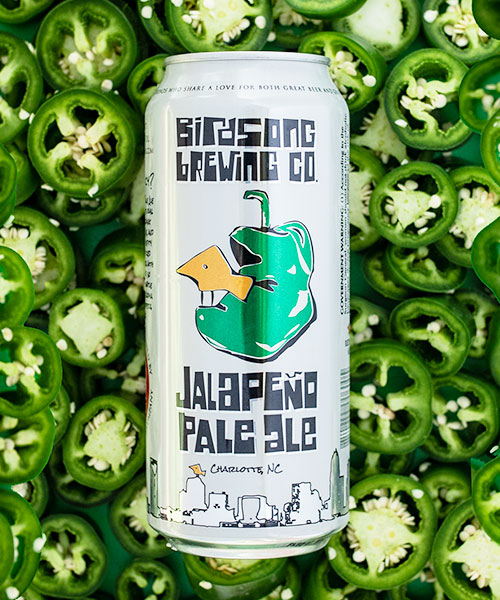
In 2010, Birdsong Brewing Co. in Charlotte, North Carolina, began experimenting with fresh jalapeños in their American Pale Ale (APA). Founders Tara and Chris Goulet noted that the malty backbone of an APA provided a superior canvas for heat compared to the assertive bitterness of an IPA. By 2013, Country Boy Brewing in Lexington, Kentucky, introduced "Nacho Bait," a habanero-infused blonde ale. This period marked a shift toward using "base beers" from a brewery’s core lineup as the foundation for spicy variants, a strategy that allowed consumers to experience familiar flavors with an added dimension of heat.
2019–2022: Sophistication and Award Recognition
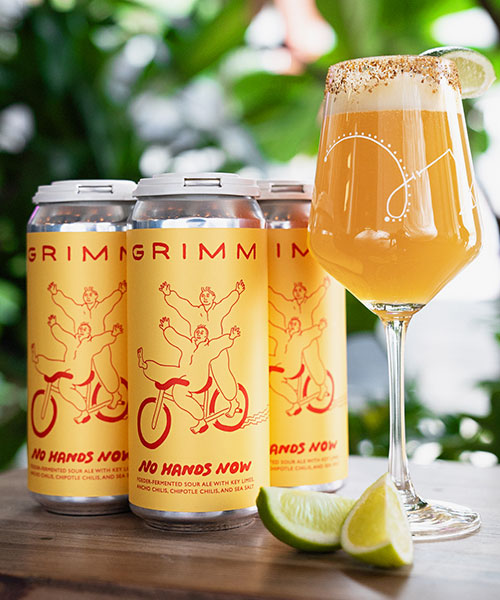
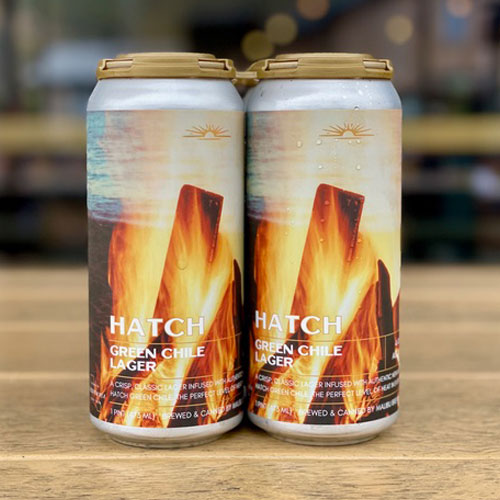
In 2019, Grimm Artisanal Ales in Brooklyn introduced "No Hands Now," a low-ABV sour ale that drew inspiration from the Mexican Michelada. This represented a shift toward "culinary brewing," utilizing oak foeders, sea salt, and lime juice to create a multifaceted flavor profile. By 2022, Malibu Brewing in California launched its "Hatch Chile Lager," a beer that would eventually secure a gold medal at the Brewers Cup of California in the Chili Beer category. This accolade underscored the transition of spicy beer from a taproom curiosity to a critically acclaimed style.
Profile in Craftsmanship: Key Industry Players
The current landscape of spicy beer is defined by several distinct approaches, ranging from the sour and smoky to the sweet and fiery.
Grimm Artisanal Ales: The Michelada Evolution
Lauren and Joe Grimm, who founded their brewery in 2013, have utilized their "No Hands Now" release to showcase the complexity of pepper infusions. The beer undergoes fermentation in oak foeders, where resident microbes contribute tartness. Once the desired complexity is reached, the beer is steeped with ancho and chipotle chiles, providing a smoky aroma and a hint of cedar. The addition of lime juice and Motueka hops—known for their lime-like citrus notes—creates a beer that functions as a pre-packaged cocktail, pairing effectively with ceviche or sharp cheddar.
Birdsong Brewing Co.: Seasonal Sourcing and Scale
Birdsong Brewing has demonstrated the logistical challenges of producing spicy beer at scale. In 2024 alone, the brewery utilized 400 pounds of North Carolina-grown jalapeños. The production process involves a delicate balance of "contact time," where the peppers are steeped in the liquid just long enough to impart flavor without overwhelming the palate. By removing the seeds, the brewery ensures a mild, approachable heat that mimics the flavor profile of jalapeño chips, making it a staple for seafood pairings.
Malibu Brewing: Regional Identity and Balance
The Hatch Green Chile Lager from Malibu Brewing serves as a tribute to New Mexican culinary traditions. Using the brewery’s "Sand & Sea" Mexican-style lager as a base, the brew team incorporates freshly roasted and peeled Hatch chiles. The success of this beer lies in its use of both hot and mild peppers, ensuring a savory, vegetal depth. Its versatility has led to its use as a base for "beer cocktails," such as Spicy Ginger Mules, proving that spicy beers can serve as versatile ingredients in the broader beverage industry.
Supporting Data: Market Trends and Consumer Demand
The growth of the spicy beer segment is supported by broader consumer trends in the food and beverage sector. According to market research, the global hot sauce market is projected to reach nearly $5 billion by 2030, driven by a demographic that increasingly seeks "complex heat" over simple spiciness. This "heat-seeking" behavior has bled into the craft beer market.
Data from the Brewers Association indicates that while IPAs remain the top-selling craft style, "specialty" categories—including chili beers—have seen a steady increase in entries at the Great American Beer Festival (GABF). Furthermore, the rise of "Mango Habanero Oberon" at Bell’s Brewery illustrates the commercial viability of the style. Originally a small-batch experiment at Bell’s Eccentric Café, the beer reached "cult status" and became one of the most requested releases in the brewery’s history, despite the company’s 2021 acquisition by the global beverage group Lion (a subsidiary of Kirin).
Analysis of Implications: The Antidote to Predictability
The proliferation of spicy beer offers a fact-based rebuttal to the "sweetness" that has characterized much of the craft market in recent years. As brewers compete to create the most decadent pastry stouts or the fruitiest sours, the "bite" of a chili beer provides a radical departure. It reintroduces a level of bitterness and savory complexity that was once the hallmark of the industry.
Moreover, the "Hot Ones" effect—named after the popular YouTube series featuring celebrities eating increasingly spicy wings—has created a sub-culture of "extreme" brewing. Establishments like Maltese Brewing Co. in Virginia and Burning Barrel Brewing Co. in California have introduced "world’s hottest beer" challenges using Carolina Reaper peppers. While these represent the extreme end of the spectrum, they serve as high-visibility marketing tools that draw attention to the technical capabilities of small breweries.
Broader Impact and Future Outlook
As the craft beer market continues to mature, the focus is shifting toward "occasion-based" drinking. Spicy beers are uniquely positioned to capitalize on this, as they are inherently tied to food pairings and social experiences. The integration of regional ingredients—such as Kentucky’s garden-grown habaneros or California’s Hatch chiles—further strengthens the link between craft breweries and their local agricultural communities.
The future of the category likely lies in further refinement and the exploration of diverse pepper varieties beyond the standard jalapeño and habanero. With the rise of "fusion" cuisine and a consumer base that is increasingly literate in global flavors, spicy beer is no longer a fringe experiment. It is a testament to the brewer’s ability to balance the volatile with the refreshing, ensuring that for those who enjoy a "beer that bites back," the options will only continue to expand.