admin
admin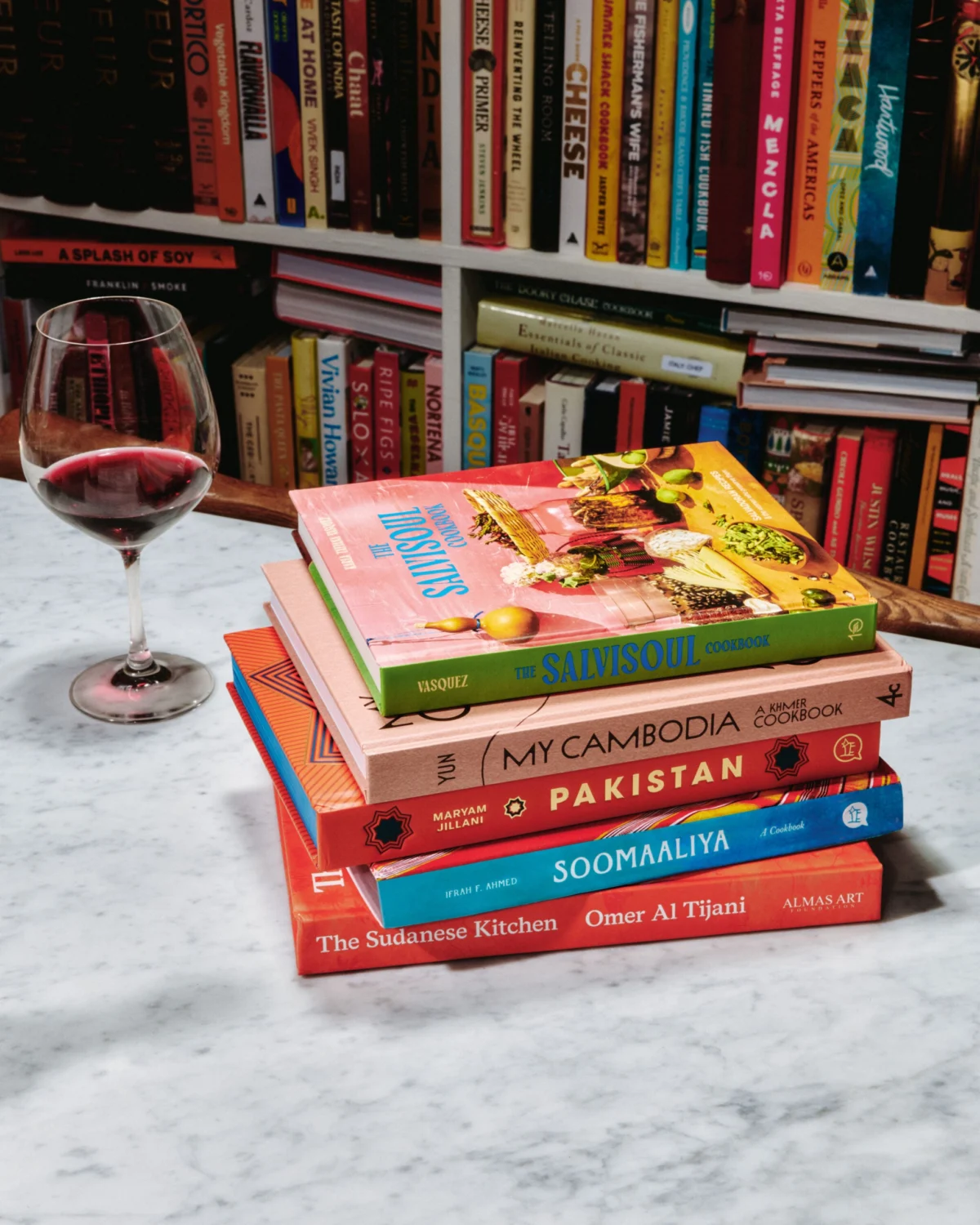
Cookbooks serve as more than just recipe collections; they are vital vessels for cultural preservation, historical documentation, and personal narratives. While the publishing landscape has long been dominated by celebrity chefs and fleeting dietary trends, a significant shift is underway. Increasingly, cookbooks are emerging that champion cuisines historically overlooked by mainstream media, offering a profound look into the heart of diverse cultures and the unwavering determination of their authors. This recent wave of publications, focusing on the rich culinary traditions of Somalia, Sudan, Cambodia, Pakistan, and El Salvador, represents a triumph over publishing gatekeepers and a crucial step in ensuring that invaluable knowledge is not lost to time.
The traditional cookbook market often operates on a perceived commercial viability, leading publishers to shy away from topics deemed "niche." This has historically marginalized cuisines that do not fit the prevailing commercial mold. However, the past publishing season has defied these expectations, ushering in a collection of titles that delve deeply into the authentic flavors and stories of underrepresented communities. These books are not merely collections of recipes; they are meticulously researched ethnographies, painstakingly recreated culinary guides, and powerful testaments to cultural identity. Many are penned by first-generation immigrants, some being the very first English-language publications dedicated to their respective national cuisines.
The Fight for Representation in Culinary Literature
The journey to publication for many of these authors has been arduous, marked by a persistent struggle against industry inertia and a lack of commercial interest in their culinary heritage. The prevailing narrative in the publishing world has often dictated that books focusing on less familiar cuisines would not achieve significant sales. This perception, while understandable from a business perspective, has created a significant deficit in the documented history of global foodways.
Ifrah F. Ahmed, author of Soomaaliya, embodies this fight. Born in Mogadishu and later immigrating to the United States as a refugee in 1996, Ahmed recognized a pressing need to document and share her nation’s culinary heritage. "I have a responsibility to share my culture and this cuisine—and a real sense of not wanting this knowledge to be lost," she stated. Soomaaliya is only the third cookbook published on Somali cuisine since 1978, underscoring the historical scarcity of such resources. Ahmed’s work goes beyond mere recipes, offering a comprehensive overview of Somalia’s history, honoring preceding chefs and writers, and incorporating thoroughly researched essays on the Somali diaspora. This multi-faceted approach highlights the book’s significance as a cultural archive.
Similarly, Nite Yun, a San Francisco-based chef and author of My Cambodia, encountered substantial obstacles when seeking resources for Khmer cooking. Her book intricately weaves together personal memories of her assimilation into California life with authentic renditions of Cambodian dishes that fostered a connection to her family. Yun’s commitment to culinary authenticity is unwavering; she refuses to compromise on traditional ingredients or techniques to cater to American palates. Her emphatic stance on essential ingredients like kroeung (lemongrass paste) and prahok (fermented fish paste)—"If you don’t have [them] when a recipe calls for it," she writes, "I highly suggest cooking another dish"—serves as a powerful declaration of cultural pride and culinary integrity.
Ethnography Through Gastronomy: Documenting Overlooked Foodways
These groundbreaking cookbooks often transcend the boundaries of traditional culinary literature, morphing into ethnographic studies. This is achieved through rigorous fieldwork and a deep commitment to capturing the nuances of regional culinary traditions.
Maryam Jillani, author of Pakistan, experienced firsthand the limitations of existing online resources. "After a couple of years of looking for—and cooking from—recipes online, I began to hit a wall," she explained. "I kept finding the same Pakistani recipes over and over again… There was little to no coverage of the dozens of regional culinary traditions I had encountered during my travels." To address this void, Jillani embarked on an extensive exploration of her home country, meticulously documenting recipes and learning from the chefs and home cooks who are credited throughout her book. This dedication to grassroots documentation is a hallmark of these culturally significant projects.
Karla Tatiana Vasquez employed a similar community-driven methodology for her 2024 cookbook, SalviSoul. This work functions not only as a collection of recipes but also as a narrative history, featuring candid interviews with 25 Salvadoran women who contributed their culinary expertise. This approach ensures that the book reflects the lived experiences and diverse culinary practices within the Salvadoran community.
Omer Al Tijani’s The Sudanese Kitchen stands as a monumental achievement, being the first Sudanese cookbook printed in English. His decade-long endeavor to document Sudan’s foodways involved extensive collaboration with local guides, extended family members, and on-the-ground fixers. Al Tijani articulated his motivation as a desire to counteract the often reductive narrative of Sudan as a "troubled" nation. Instead, his book celebrates the country’s rich multicultural culinary influences, asserting their significant contribution to global gastronomy. This perspective highlights the power of food to shape national identity and challenge international perceptions.
Supporting Data and Industry Trends
The emergence of these culturally significant cookbooks is not an isolated phenomenon but reflects a broader shift in consumer interest and a growing recognition of the importance of culinary diversity. While precise sales figures for niche culinary titles can be proprietary, industry trends indicate a rising demand for authentic, culturally rich content.
- Increased Demand for Authenticity: In an era saturated with mass-produced food and globalized palates, consumers are increasingly seeking authentic culinary experiences that connect them to their heritage or introduce them to new cultural traditions. This desire fuels the market for cookbooks that offer genuine representations of specific cuisines.
- Rise of Food Blogging and Social Media: The proliferation of food blogs and social media platforms dedicated to specific ethnic cuisines has cultivated a dedicated audience eager for more in-depth resources. These platforms often serve as incubators for authors and ideas that eventually lead to book deals.
- Academic and Cultural Recognition: There is a growing academic and cultural appreciation for the role of food in preserving cultural heritage. This recognition lends credibility and urgency to projects focused on documenting endangered or underrepresented culinary traditions. For instance, UNESCO’s Intangible Cultural Heritage lists often include culinary practices, underscoring their cultural significance.
- Publishing Industry Adaptability: While initial resistance may exist, successful ventures like those highlighted demonstrate to publishers that there is a viable market for diverse culinary narratives. The success of these books can pave the way for future projects that might have previously been deemed too risky.
Broader Impact and Implications
The implications of this culinary renaissance extend far beyond the kitchen. These cookbooks serve as powerful tools for cultural preservation, education, and empowerment.
- Cultural Preservation: By meticulously documenting recipes, ingredients, and techniques, these books ensure that traditional culinary knowledge is passed down to future generations. This is particularly crucial for diaspora communities seeking to maintain a connection to their cultural roots.
- Education and Understanding: These works offer a window into the history, geography, and social fabric of the regions they represent. They educate readers about diverse cultures, fostering empathy and breaking down stereotypes. For example, understanding the role of specific spices in Pakistani cuisine can offer insights into trade routes and historical influences.
- Economic Empowerment: For authors and communities, these books can create economic opportunities, from book sales to the potential for culinary entrepreneurship. They validate the importance of these cuisines and can inspire new ventures.
- Challenging Global Narratives: As seen with Omer Al Tijani’s work on Sudanese cuisine, these books can actively challenge simplistic or negative international perceptions of certain nations. By highlighting the richness and complexity of their foodways, they contribute to a more nuanced and appreciative global understanding.
The ongoing success of these culturally significant cookbooks signals a vital and welcome evolution in the publishing industry. It underscores the fact that compelling stories and essential knowledge are not confined to the mainstream but are vibrantly alive within communities that have long been underrepresented. The dedication of authors like Ifrah F. Ahmed, Nite Yun, Maryam Jillani, Karla Tatiana Vasquez, and Omer Al Tijani, and their willingness to navigate the challenges of bringing these stories to light, is a testament to the enduring power of food as a vehicle for cultural identity, historical preservation, and global connection. The fights to publish these books are indeed well worth it, enriching our understanding of the world, one delicious recipe at a time.